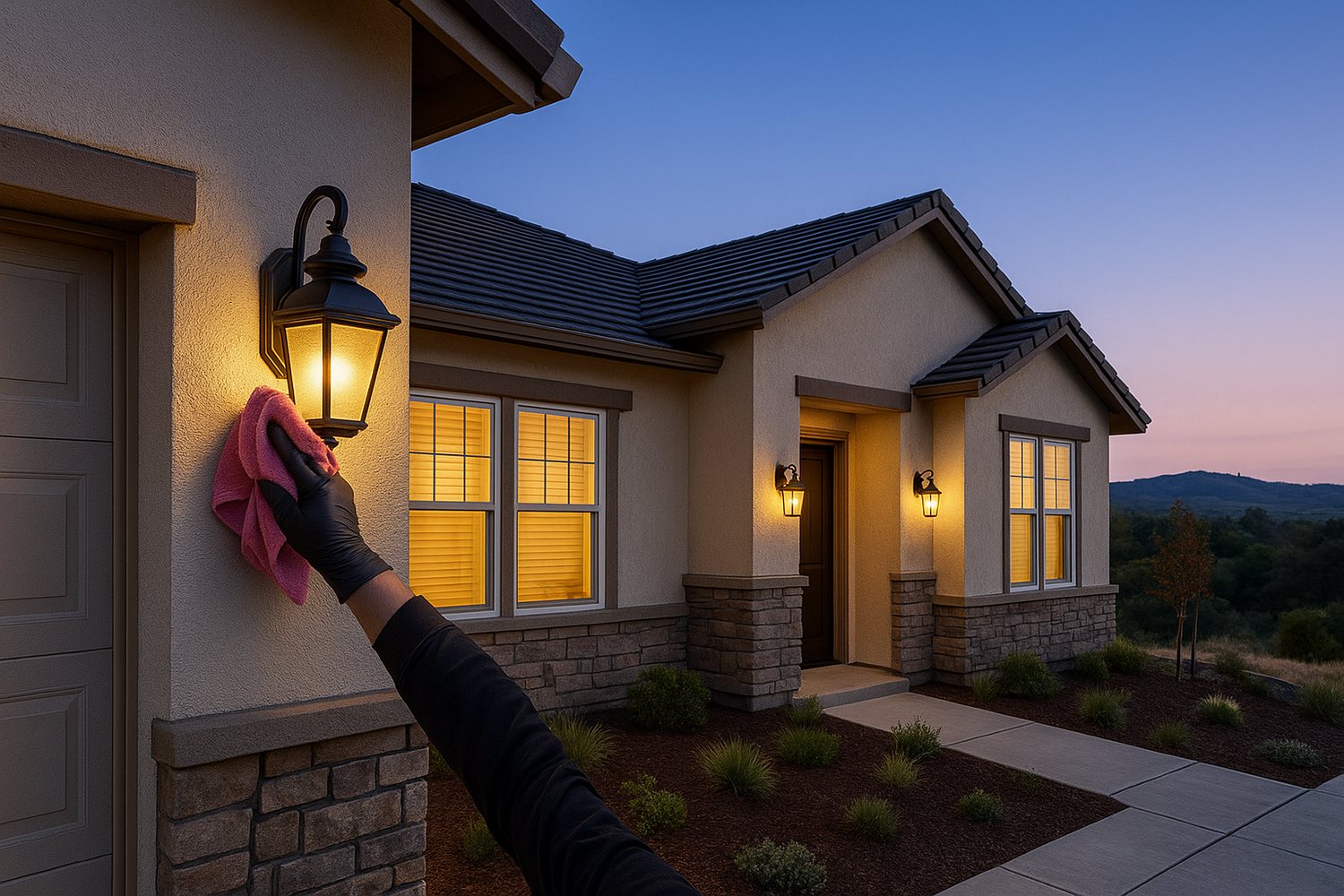
Halogen vs. LED: Outdoor Lighting Upgrades for Sacramento Area Homes
Upgrading from halogen to LED outdoor lighting can boost curb appeal, efficiency, and reliability. Here’s what Sacramento area homeowners need to consider.
Outdoor lighting sets both the function and feel of your outdoor spaces. If you’re considering an upgrade from halogen to LED, understanding the pros, cons, and techniques specific to Northern California is key.
Outdoor Lighting: Why It Matters
Quality outdoor lighting does more than accent garden walls or pool decks—it adds safety and extends use of your outdoor living spaces after sunset. For many Rocklin and Roseville homeowners, lighting is now essential, not a luxury. The right illumination helps prevent trips and deters unwanted guests.
Locally, with our mild evenings and lifestyles centered around patios, pools, and outdoor kitchens, having dependable, stylish outdoor lighting is practical. Whether you’re unwinding after work or hosting neighbors, lighting delivers both ambience and confidence.
Halogen and LED have dominated outdoor lighting for years, but technology and standards have changed rapidly. If you’re still relying on older halogen fixtures, upgrading could mean more than just a refreshed look—it may improve your home’s resilience and energy performance.
Ready for smarter solutions? Learn more about ourLighting repair, upgrades and maintenanceservices.
Understanding Halogen Lighting
Halogen lights once set the standard for bright, focused outdoor illumination. These fixtures operate by heating a tungsten filament inside a small envelope, producing a warm, familiar light. Many Auburn and Granite Bay homes still use halogens in landscape or pool area fixtures.
While halogen bulbs are known for their reliable brightness, they come with challenges. High energy consumption and significant heat output can make them costly to run and maintain in the long run. Burned-out bulbs and cracked lenses become more common as fixtures age.
Repairing halogen systems is straightforward, but parts can be harder to find as manufacturers transition to newer technologies. The frequent maintenance needs and the inefficiency of halogen make many homeowners consider modern alternatives.
LED Lighting: The Modern Upgrade
LED technology has transformed what’s possible for outdoor lighting. LEDs use semiconductor chips to produce light, making them highly energy-efficient and long-lasting. They have rapidly become the preferred choice for new installations and upgrades throughout Placer and Sacramento Counties.
Benefits extend beyond energy savings. LEDs perform reliably through hot summers and rainy winters, with much less heat output than halogen. Their lower voltage operation is also safer and reduces wear on wiring over time.
Upgrading to LED doesn’t require a full system replacement—retrofit kits and direct replacement bulbs are available for many existing fixtures. That means you can achieve modern performance without starting from scratch, a practical choice for most homes in El Dorado County.
| Feature | Halogen | LED | Retrofitting | Maintenance |
|---|---|---|---|---|
| Energy Use | High | Very Low | Usually easy | Frequent bulb change (halogen) |
| Bulb Life | 1-2 years | 10-20 years | Often fits same fixtures | Clean lenses, check wiring |
| Brightness | Warm, bright | Various options | Check for transformer match | Less heat build-up |
| Heat Output | High | Very Low | No special cooling needed | Reduce foliage burn risk |
| Upfront Cost | Lower | Higher | Kits available | Less time, lower long-term cost |
Comparing Costs and Longevity
Deciding between repairing halogen systems and upgrading to LED often comes down to cost, maintenance, and longevity. While halogen bulbs are initially less expensive, their replacement and energy costs add up quickly in larger installations.
In contrast, LEDs have a higher upfront cost but can last up to 20 times longer than typical halogen bulbs. Maintenance drops considerably, freeing you from frequent bulb changes and minimizing fixture repairs.
Consider not only the bulbs but also the impact on electrical systems, especially in older homes. LED’s lower demand can extend transformer life and minimize chances of overloads, resulting in better long-term value for homeowners who enjoy outdoor living year-round.
- Halogen: Lower upfront bulb cost, higher ongoing expense
- LED: Higher initial price, greatly reduced maintenance
- LED upgrades often fit existing fixtures
Performance in Sacramento Region Conditions
Northern California’s climate means lighting faces hot, dry summers and damp, sometimes frosty winters. Halogen’s high heat output can lead to faster material breakdown, while the delicate glass is prone to cracking during temperature swings.
LEDs handle temperature extremes with ease. Their solid-state components are less prone to failure from moisture and heat, making them more reliable for year-round use from Folsom to Auburn’s foothills.
Homeowners often notice that upgraded LED systems bounce back quickly after storms and need less cleaning or repair. Keeping your lighting in prime shape with routine inspections still matters, but you’ll spend less time on urgent fixes.
To explore all your options, visit our overview ofOutdoor Lightingchoices for your property.
Repair vs. Upgrade: Making the Right Call
If your current halogen system is newer and in good shape, a full upgrade may not be urgent. Simple repairs—bulb changes, lens replacement, and connection tightening—can extend your system’s life temporarily.
However, if you’re facing repeated outages, flickering bulbs, or corrosion, those are signs it’s time to consider LED upgrades. Fixture condition, wiring age, and transformer size should all be reviewed before making the switch.
A professional inspection can reveal whether repairs will be cost-effective or if upgrades are the smarter investment. The decision often depends on the scale of your landscape and how often you use your outdoor areas.
- Frequent bulb burnouts suggest it’s time to upgrade
- Wiring and transformer health factor into choosing repair or replacement
- Look for moisture or corrosion issues in older halogen systems
Tips for Seamless LED Upgrades
Upgrading from halogen to LED is typically straightforward on most outdoor systems in our region. Start by confirming compatibility—many modern LED bulbs fit directly into current halogen fixtures, but always check voltage and socket type first.
Clean all lenses and remove debris from fixtures during any retrofit process. This ensures you get the full impact from your new system and can help prevent problems related to heat or moisture retention.
Lastly, inspecting wiring for pests, kinks, or corrosion is crucial. LED upgrades usually reduce overall current draw, which can help extend wire life if the initial installation is sound. When in doubt, consult a local outdoor lighting pro.
- Check fixture and transformer voltage ratings
- Clean and inspect lenses before installing LEDs
- Dispose of old halogen bulbs carefully
Maintaining Your Outdoor Lighting Year-Round
Even the best systems benefit from regular maintenance. With LED, tasks mostly focus on checking connections, cleaning lenses, and trimming foliage that may block light paths. A quick walk-through every few months is usually enough in Rocklin and Roseville neighborhoods.
After major storms or before long stretches of use, double-check that all fixtures are secure and undamaged. Early attention to loose mounts or cracked housings prevents small issues from turning into bigger problems.
Finally, consider a professional assessment every few years, especially if you’ve expanded or changed your outdoor living areas. This keeps your lighting performing at its best, season after season.
Curious about the benefits at your home?Request a consultationwith California Hardscapes and get expert advice.
Planning an outdoor lighting project?
Call or text 916-741-0633, or email sales@californiahardscapes.com with your address, a short description and a few photos, and we will arrange a consultation.