Pondless Waterfalls vs. Ponds: Choosing the Best Water Feature
Explore whether a pondless waterfall or a traditional pond is the right fit for your landscape with this clear, local guide for homeowners in the Placer, Sacramento, and El Dorado County area.
Not sure whether a pondless waterfall or a pond makes sense in your backyard? Here’s a down-to-earth comparison to help you decide, based on real experience in Northern California.
Understanding Pondless Waterfalls
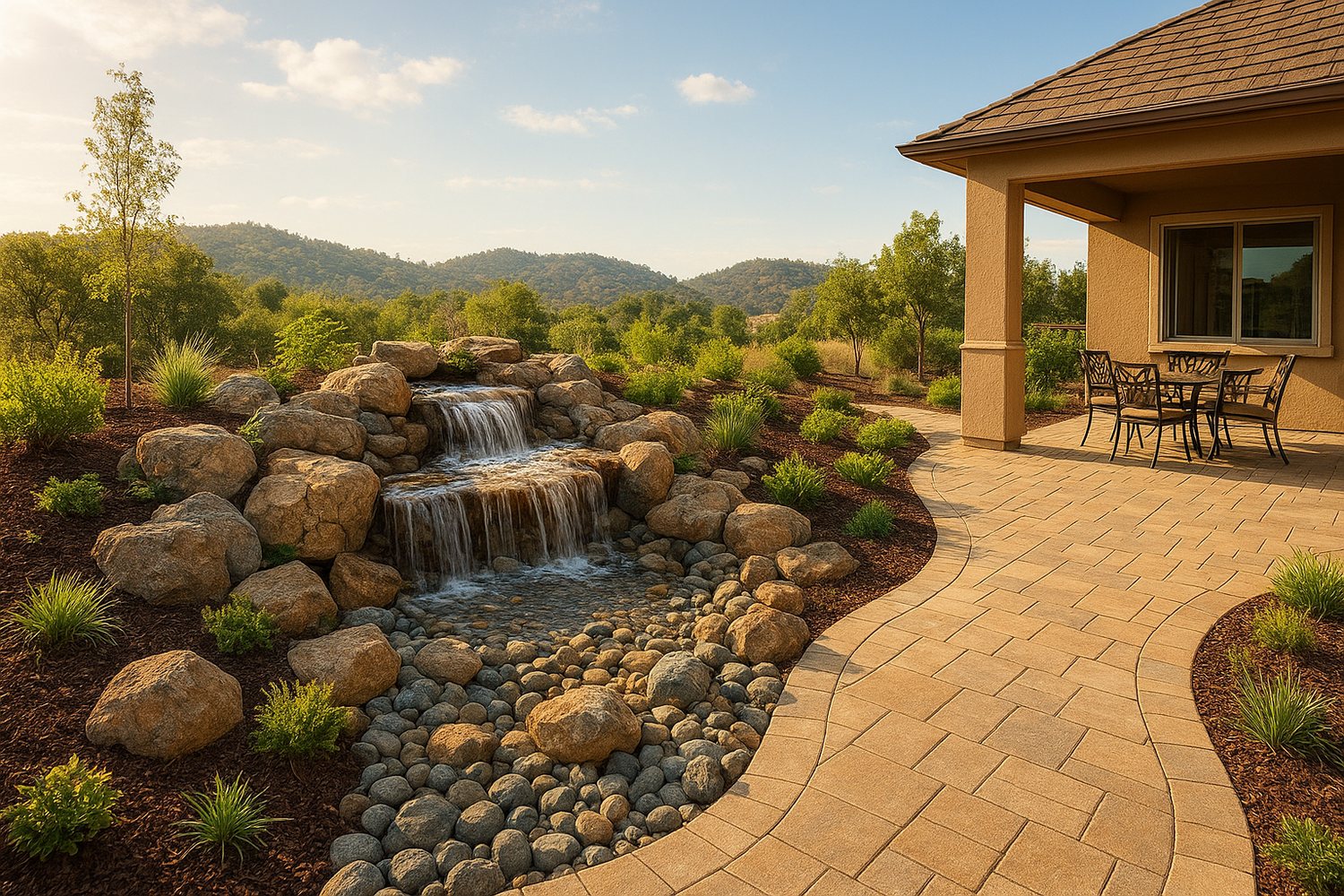
Pondless waterfalls are water features where water flows down rocks or steps and disappears into a hidden underground reservoir, rather than collecting in a visible pond. This design is visually striking without the open water surface of a traditional pond. For homeowners in Rocklin, Roseville, Granite Bay, and nearby communities, pondless waterfalls are increasingly popular for their balance of beauty and simplicity.
What makes pondless waterfalls stand out is their flexibility. They can be integrated into tight corners, rocky slopes, or as a focal point alongside a patio or entryway. Because there’s no standing water, there’s less worry about safety or attracting unwanted wildlife. The sound and movement of water remain constant and calming, perfect for relaxing or masking noise from nearby roads.
In our region, water management is crucial. With pondless waterfalls, there’s no large open body of water to evaporate, which makes them an appealing option for drought-conscious homeowners. They require less water to maintain—a notable benefit during the hot, dry Northern California summers.
- Low water usage
- No open pond surface
- Adaptable to small spaces
Learn more about available options on ourPondless waterfallspage.
Traditional Ponds: What to Expect
A traditional pond can be a lush retreat, supporting fish, aquatic plants, and even local birds. They create a living ecosystem and can anchor a landscape design, adding a sense of tranquility. For some homeowners, the ability to keep koi or lilies is a major draw that no other feature can quite match.
However, the open water surface comes with additional considerations. Regular upkeep is needed to keep the water clear, prevent algae, and maintain pumps and filters. In regions like Folsom and Auburn, warm sunny days are hard on pond water, making maintenance a real weekly task during summer months.
Ponds also involve specific safety factors. They may not be the best fit for young families or anyone concerned about standing water. It’s important to plan for fencing, covers, or thoughtful placement, especially on sloped lots common in our foothill communities.
- Supports fish and plants
- Creates an ecosystem
- Needs more frequent cleaning
Regional Concerns: Water Usage and Climate
Drought and water rates matter in the greater Sacramento region. A major difference between pondless waterfalls and ponds is how much water they need to look great. Pondless waterfalls recirculate a smaller volume of water, minimizing evaporation and water loss.
By comparison, ponds have more surface area exposed to sun and wind. This increases evaporation, and refilling may be required during hot spells. Annual maintenance can involve balancing water chemistry or topping up for healthy fish and plants.
Choosing the right feature depends on your willingness to monitor water use and manage ongoing care. For many Placer County homeowners, the lower water consumption and maintenance schedule of a pondless waterfall offer real day-to-day advantages.
- Hot summers = increased evaporation in ponds
- Pondless waterfalls use less water overall
- Consider local water restrictions
| Feature | Pondless Waterfall | Traditional Pond |
|---|---|---|
| Maintenance | Minimal, easy | Frequent, involved |
| Water Usage | Low | Higher |
| Supports Fish/Plants | No | Yes |
| Safety | Very high | Moderate (requires protection) |
| Space Needs | Compact/Versatile | Expansive |
Maintenance: What Each Option Really Requires
Maintenance is often the deciding factor for busy homeowners. Pondless waterfalls are straightforward—checking the pump, removing debris, and occasionally topping up the reservoir. There are no fish to feed, algae to battle, or water plants to prune.
Ponds take more attention, especially during spring and summer. Filters and pumps need cleaning and replacement; leaves and debris should be removed to avoid water quality issues. If you keep fish or plants, water testing and seasonal care routines become necessary.
Both features need occasional professional service, but pondless waterfalls typically mean less hands-on work and fewer unexpected headaches. This can mean more time spent enjoying your yard and less time worrying about equipment or water clarity.
- Pondless: simple system checks
- Pond: regular cleaning and possible treatments
- Both: periodic pump and filter care
Safety and Family Considerations
Families with children or pets often ask about safety. Pondless waterfalls have an edge here—no open water means less risk of accidents, drowning, or unwanted visits from local wildlife. It also cuts down on concerns about standing water attracting mosquitoes.
For ponds, some precautions are needed, especially for homes with young children. Options like fencing, safety grates, or natural barriers can help, but there’s always a higher degree of supervision required. It’s also wise to think about how the water feature will integrate with the rest of your landscape, including play areas or pet runs.
Older adults or those with mobility challenges might also appreciate the lower risks and easier access of a pondless waterfall. As always, working with an experienced builder helps ensure your design fits your family’s needs.
- Pondless: minimal safety risk, no mosquitoes
- Pond: consider barriers if children or pets are present
- Plan water features around high-traffic areas
If you’d like a broader overview, browse our completeWater Featuresguide.
Aesthetics and Design Flexibility
When it comes to overall appearance, both water features can be tailored to suit your style and space. Pondless waterfalls fit well in compact front yards or as dramatic accents along patios and entryways. Their modular design allows for nearly endless customization in terms of stone, shape, and placement.
Ponds can create a lush, park-like setting, serving as the centerpiece for a large backyard landscape. They work well in expansive settings and can be paired with boulders, bridges, or plantings for a natural effect. However, they do demand more space and planning to look their best.
In our varied terrain—whether you have a flat suburban yard or a sloped hill in Auburn—an experienced builder can help you shape either feature to fit your site. Visual impact and integration with other hardscapes, such as retaining walls or patios, should inform your ultimate choice.
- Pondless: good for small or sloped lots
- Pond: ideal for large, naturalistic designs
- Both: can use local stone and plantings
Cost Factors and Long-Term Value
While pricing will always depend on the scope of each project, pondless waterfalls generally carry lower installation and upkeep costs compared to ponds. The simpler mechanical systems and lack of a large water basin help keep both building and ongoing expenses in check.
Ponds come with more variables—fish and plants, filtration systems, and larger excavation—which add to both one-time and recurring costs. Long-term, costs can rise further due to increased water use or the need to replace parts more often.
Choosing based on value means considering not just installation but also how your needs may change over time. For most homeowners in the Sacramento foothills, the relatively modest upkeep and strong curb appeal of a pondless waterfall make it a practical, lasting investment.
- Pondless: lower upfront and ongoing costs
- Pond: added costs for ecosystem elements
- Value depends on landscape goals
Making the Right Choice for Your Home
Every yard and household has unique needs, so there’s no one-size-fits-all answer. The main takeaway: if you want a low-maintenance, water-wise feature that fits small spaces and modern lifestyles, a pondless waterfall is usually the simpler choice in our area.
If you’re passionate about gardening, wildlife, and creating a mini-ecosystem, a pond can be highly rewarding—provided you’re ready for the upkeep. Either way, thoughtful design and quality installation will make a big difference in how well your water feature performs year-round.
Working with a builder who understands local climate and terrain—like California Hardscapes—ensures that your new feature will maximize beauty, function, and enjoyment for years to come.
- Think about time, safety, and water use
- Match the feature to your yard’s size
- Professional guidance is always valuable
Ready to plan your own water feature?Request a consultationwith our team today.
Planning a water features project?
Call or text 916-741-0633, or email sales@californiahardscapes.com with your address, a short description and a few photos, and we will arrange a consultation.