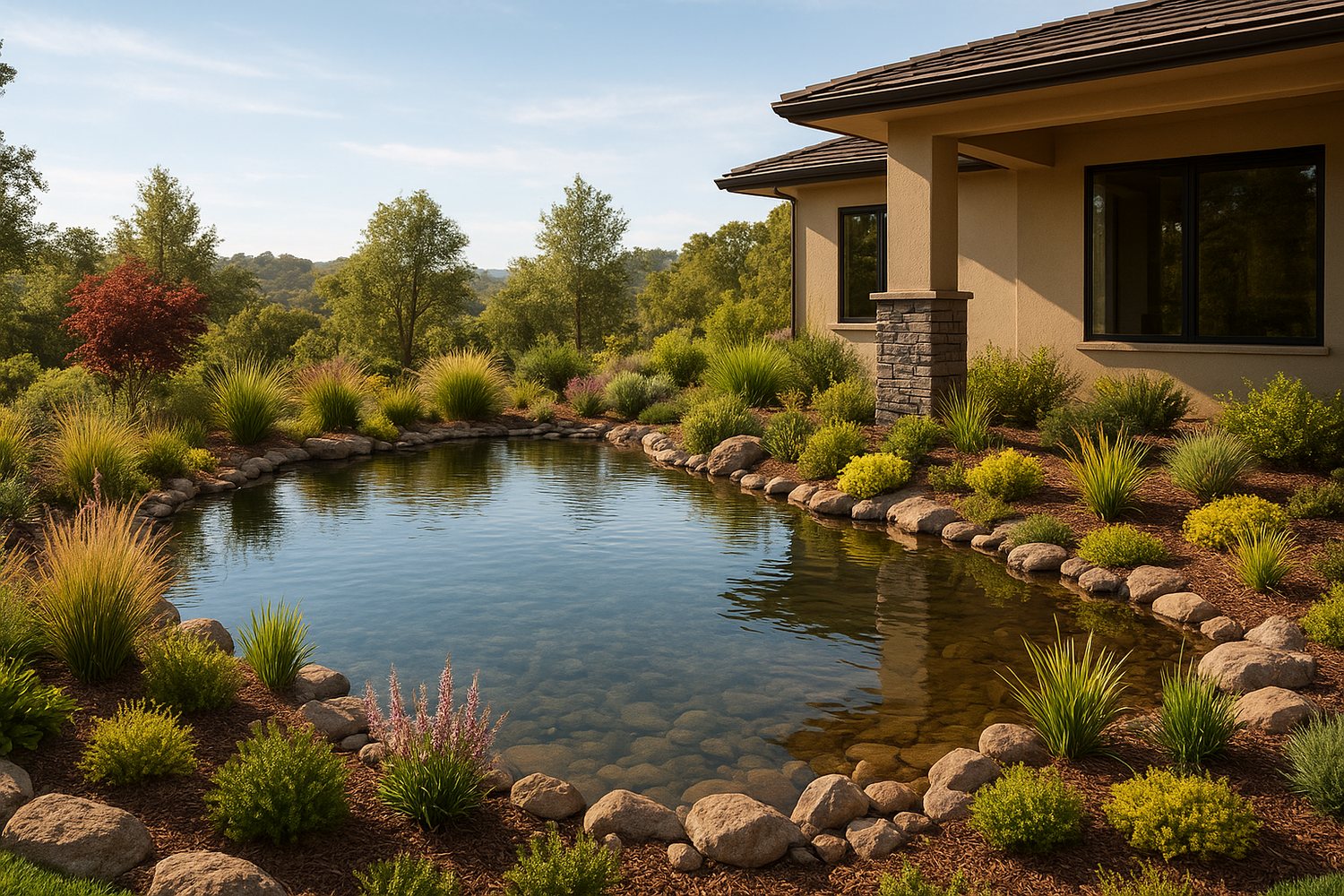
Water Feature Repair vs Rebuild: What Makes Sense for Your Backyard?
Explore whether to repair or rebuild your aging water feature. This practical guide breaks down costs, longevity, and local concerns for California homeowners.
A broken or outdated water feature isn’t just an eyesore—it’s a decision point. Should you repair or rebuild? Let’s review what works for our soil, weather, and outdoor lifestyles.
Why Older Water Features Fail in Placer and Surrounding Counties
Many beloved backyard waterfalls and fountains around Rocklin, Roseville, and Folsom have been running for decades. Over time, constant sun, hard water, shifting soils, and ground movement common to Northern California can cause leaks, cracked basins, and failing pumps. Homeowners often notice slow water loss, cloudy water, or noise changes as early warning signs.
The unique combination of summer heat, winter rains, and local soil types puts a lot of stress on concrete, mortar, and older plumbing systems in water features. Features built with less flexible materials or outdated waterproofing struggle most. Roots from mature landscaping can also disrupt underground lines or shift stones.
Understanding why your water feature is leaking or malfunctioning is the first step. Most issues start small, so a prompt inspection can often mean the difference between a targeted repair and a complete rebuild. Knowing the underlying cause helps inform which option will deliver better long-term value.
To learn about our full range of water feature solutions, visit ourWater feature maintenance and repairpage.
Common Repairs: What’s Possible and Worthwhile
Some repairs can breathe new life into older features. Patching minor cracks, replacing pumps, tightening loose plumbing, and sealing leaks are common fixes. If damage isn’t structural, and the overall design still works for your yard, repair is usually faster and less disruptive.
Owners often choose repair when the feature is still functional and problems are isolated. For example, if a pump fails or a single liner seam splits, professional water feature technicians can replace components quickly using improved modern materials. The goal: Restore performance with minimal visible change.
However, repairs have limits. If the underlying concrete is crumbling, major leaks are recurring, or waterproofing is outdated everywhere, further patching may just postpone a bigger problem. Evaluate repairs as a practical solution only when there’s no widespread failure.
- Crack filling and waterproofing
- Pump or filter replacement
- Pipe or hose leak repair
- Timer and electrical troubleshooting
Rebuilding: When a Fresh Start Makes Sense
In cases where a water feature suffers from extensive leaking, structural instability, or major design flaws, full reconstruction is the smarter route. Rebuilds allow homeowners to address long-standing issues caused by shifting soils, failing seals, or worn-out materials.
Modern rebuilds use flexible liners, reinforced concrete, updated plumbing, and top-tier pumps. Starting fresh lets you resolve recurring leaks for good, update how the water feature looks, and integrate new technology for easier maintenance and lower water use.
Consider a rebuild if repairs have become frequent or a previous fix didn’t last. Renovating can also accommodate other outdoor upgrades—like changing the pond shape, adding lighting, or improving drought resilience—with design options better suited for our regional climate.
- Structural failure from shifting soil
- Advanced waterproofing materials
- Plumbing and equipment modernization
| Factor | Repair | Rebuild | Best For | Timeline |
|---|---|---|---|---|
| Upfront Cost | Lower | Higher | Minor problems | Short |
| Long-term Value | Varies | Higher | Major issues/design change | Longer |
| Disruption | Minimal | Higher (construction) | Quick fixes | 1–4 weeks |
| Lifetime | Depends on condition | Extended | Features with widespread failures | After rebuild: many years |
| Design Flexibility | None | Total freedom | Updates & style changes | Includes planning phase |
Repair vs Rebuild: The Key Pros, Cons, and Timing
Deciding between repair and rebuild requires a clear look at both the condition of your water feature and your long-term goals. A quick patch may fix a localized leak, but if issues are widespread or the design is showing its age, a rebuild brings peace of mind.
Repairs are usually more affordable and deliver faster results, minimizing downtime. But they work best when problems are limited. Rebuilding opens up new design possibilities, futureproofs the system, and can increase property value—but involves a greater initial investment and longer project time.
Timing matters in our region. Summer repairs help avoid stormwater issues, while fall rebuilds set up new features for winter rains. Consult a local contractor who understands our climate and soils to get the timing right and prevent future complications.
Understanding Placer County Conditions: How Local Factors Influence the Choice
Northern California’s variable weather and clay-heavy soils make certain repairs more challenging or less effective. For example, repeated freeze-thaw cycles in Auburn and Granite Bay can worsen small cracks, turning a minor fix into a bigger repair if left unattended.
Outdoor water use is also subject to conservation measures. Features that leak or use outdated pumps may not meet current efficiency standards in Rocklin or Folsom. Upgrading during a rebuild can dramatically reduce water waste and operating costs over time.
Local regulations and permitting also play a part. Any work that changes the structure or reroutes plumbing may require professional oversight. Using licensed, insured contractors protects homeowners and ensures compliance with both city codes and homeowner association guidelines.
- Monitor seasonal leaks after heavy rain
- Look for changes in water clarity or flow
- Stay up-to-date on water conservation rules
Explore more options and inspiration on ourWater Featuresoverview.
How to Assess the True Condition of Your Water Feature
Start with a careful visual inspection. Look for cracks, eroded mortar, uneven settling, or obvious leaks. Check pump function by listening for new noises or inconsistent water flow. Even subtle changes in water level can point to hidden plumbing leaks underground.
It often pays to have a pro examine your feature. An experienced eye can spot early warning signs other homeowners might miss, such as algae forming in unusual places or stone work shifting out of alignment. Detailed condition reports help homeowners plan the right fix.
Keep track of past repairs and how long each fix has lasted. If repairs are needed more often, or if different parts of the structure are failing at once, that’s a strong hint a rebuild could be more sensible in the long run.
Budget and Longevity: Comparing True Costs
It’s tempting to go straight for the lowest upfront cost, but ongoing repairs can add up. For water features with multiple problems, repeated patching and equipment replacements can outpace the price of a one-time rebuild over several years.
Rebuilding is a bigger investment, but often means many years of trouble-free operation thanks to updated waterproofing, improved pumps, and modern construction practices. Low-maintenance options also pay off down the road with lower energy and water bills.
Factor in both dollars and headaches. Consider not just out-of-pocket costs, but the time, effort, and disruption involved in each approach. Balance immediate needs with future plans for your outdoor space—especially if you’ll be making other upgrades soon.
- Repairs: Short-term savings, faster turnaround
- Rebuilds: Lower maintenance, longer lifespan
- Track costs and frequency of previous repairs
Making the Decision: Next Steps for Sacramento Area Homeowners
Take stock of your feature’s current state, repair history, and your future plans for the backyard. If your water feature still has good bones and the problem is isolated, repair makes sense. If you’re repeatedly battling leaks, or want a style upgrade, consider rebuilding.
Work with a trusted local contractor—someone who knows the climate, soils, and construction materials common to Rocklin, Granite Bay, and the broader region. They can walk you through the options, help you avoid common pitfalls, and deliver a result that fits your needs.
Whatever path you choose, maintaining your water feature is a smart way to keep your outdoor space inviting and enjoyable. Make a decision based on what will bring long-term value, beauty, and peace of mind—then enjoy the sound of water in your personal retreat.
Ready to discuss your project?Request a consultationwith California Hardscapes.
Planning a water features project?
Call or text 916-741-0633, or email sales@californiahardscapes.com with your address, a short description and a few photos, and we will arrange a consultation.