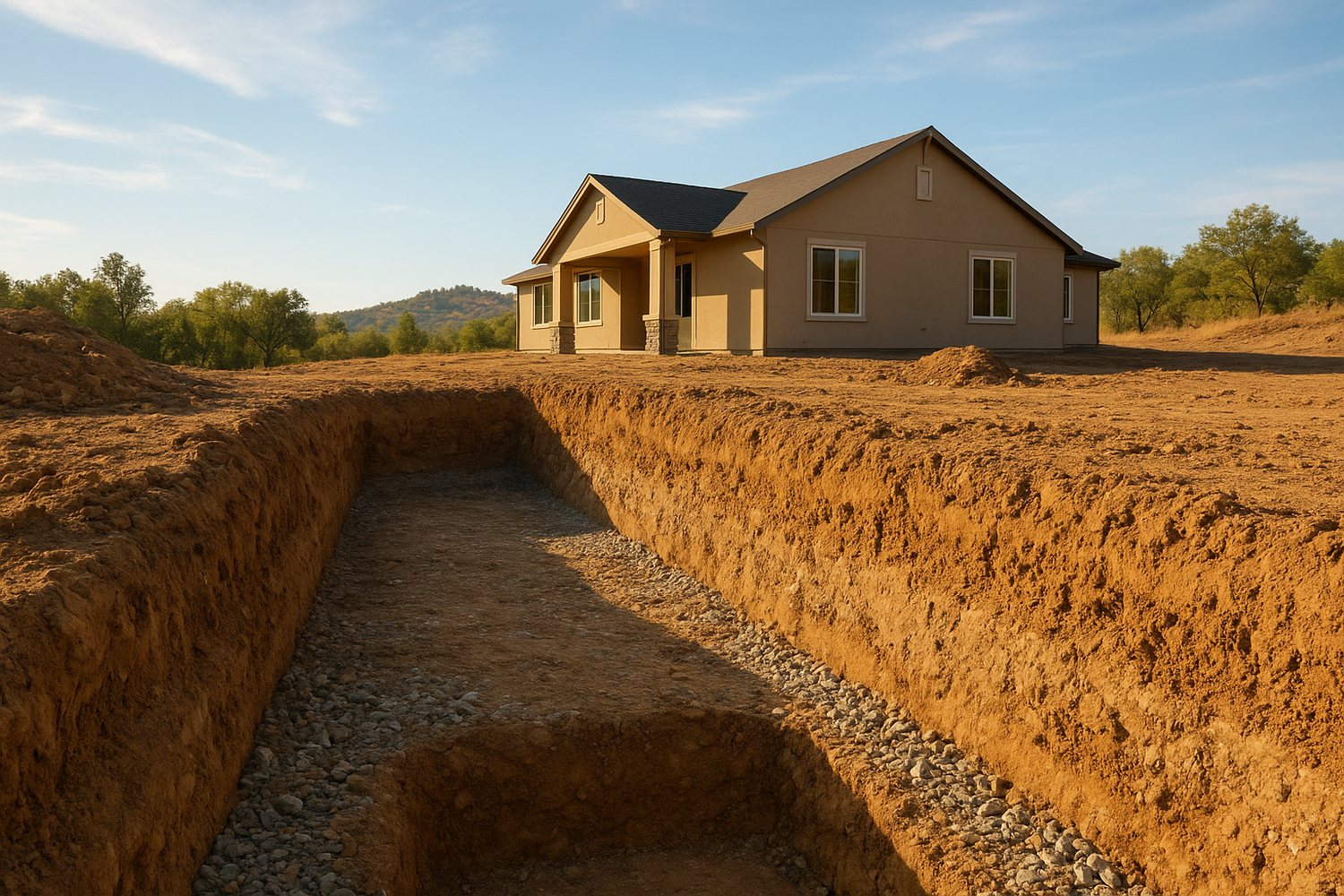
Compact vs Loose Depth: Estimating Hardscape Materials Right
Avoid running short or over-ordering by learning the real differences between compacted and loose depth when estimating landscape and hardscape materials.
Planning a hardscape project? Accurate material quantities save you time, money, and headaches. Here’s what every homeowner in Rocklin, Roseville, Granite Bay, Folsom, Auburn, and nearby should know about compacted versus loose depth when ordering materials.
Why Compacted vs Loose Depth Matters
When planning patios, pathways, or base layers, understanding compacted versus loose depth is crucial for accurate material orders. Loose depth is the thickness of material after it’s delivered and dumped on-site—like a pile of gravel or sand before it’s leveled or compacted. Compacted depth is the thickness after spreading and compressing the material to its finished, stable state.
Ignoring this difference can result in significant under- or over-ordering. Material shrinks when compacted; what starts as six inches of loose gravel can end up as only four inches once settled. This is especially important for homeowners in the Sierra Nevada foothills and valley edges, where stable base preparation is key due to variable soils.
The costs and schedule impacts of material miscalculations add up fast. Over-order and you pay to haul away extra. Under-order and you face costly delays. Using compacted versus loose depth when estimating helps ensure you get what’s needed—no more, no less.
Learn more about accurate project planning on ourEstimating material quantitiespage.
Defining the Terms: Loosely Tipped vs After Compaction
Loose depth refers to the thickness of a material as it sits in an uncompacted state—right off the truck, before any tools touch it. This is how most materials are delivered and measured for sale, typically in cubic yards or tons. When spread, walked, raked, or machine-compacted, the material occupies less volume.
Compacted depth references the final, finished thickness after compaction—typically done with a plate compactor or hand tamper for most landscape installs. Most gravel, decomposed granite, or sand bases are compacted between 90–95% of their loose depth, with the percentage depending on the material type and moisture conditions.
For practical purposes, you’ll normally order more material than the final compacted thickness you need. Recognizing the reduction between loose and compacted states allows you to plan better and avoid costly adjustments mid-project.
- Loose depth = delivered, uncompacted material
- Compacted depth = finished, stable thickness post-compaction
- Different materials compact at different rates
How Compaction Ratios Affect Your Order
Each material has its own compaction ratio—the degree it shrinks after compacting. For common materials like crushed rock, Class 2 road base, decomposed granite, and sand, compaction rates typically range from 15% to 30%. This means to achieve a four-inch compacted base, you may have to start with five to five-and-a-half inches of loose material. The actual ratio can be influenced by material moisture, base preparation, and the type of compacting equipment used.
If you’re building in neighborhoods like Folsom or Granite Bay, consult with a local supplier or contractor who understands how local materials behave. Soil conditions in Placer and Sacramento Counties vary, affecting how deeply you may need to excavate and how much extra material to add for compaction.
Don’t guess—use manufacturer specs when available, or stick with tried-and-true regional rules of thumb. Making these adjustments up front prevents surprises and keeps your project on budget.
- Stone base: 20–25% typical compaction
- Decomposed granite: 25–30% compaction
- Sand: about 10–15% compaction
| Material | Typical Compaction | Loose Depth Needed for 4" Compacted | Order Bulk Unit |
|---|---|---|---|
| Crushed Rock/Base | 20–25% | 5–5.3 inches | Cubic yards/tons |
| Decomposed Granite | 25–30% | 5.3–5.7 inches | Cubic yards/tons |
| Sand | 10–15% | 4.5–4.7 inches | Cubic yards/tons |
| River Gravel | 5–10% | 4.25–4.5 inches | Cubic yards/tons |
A Practical Example: Calculating for a Patio Base
Let’s say you’re installing a 200-square-foot patio in Rocklin and want a four-inch final compacted gravel base. You’ll need to calculate how much loose material to order to hit this target after compaction takes place. Ignoring the compaction ratio will leave your base too thin or force extra trips for more product.
For a four-inch final base using crushed rock with a 20% compaction rate, start by dividing your target depth by 0.8 (since you’ll lose 20% volume): 4" ÷ 0.8 = 5" loose depth required. Multiply length × width × loose depth to determine total cubic feet, then divide by 27 to get cubic yards.
This hands-on approach works for decomposed granite, base rock, and more. Always double-check material-specific compaction rates, especially when sourcing locally, as suppliers in Auburn or El Dorado Hills can provide helpful insight for materials common to the foothills.
- Measure the area to be covered (length × width)
- Decide on the final compacted depth required
- Apply the compaction percentage to find loose depth
Common Pitfalls: Over- and Under-Ordering
A frequent mistake is neglecting compaction entirely, resulting in too little material—leading to weak patios or walkways that may settle and fail. Alternatively, ordering too much means paying to haul away leftovers, taking up space and wasting money. Both scenarios slow down your project and raise the risk of costly repairs in the future.
In areas like Roseville and Granite Bay, where access can be tricky, material delivery is a logistical challenge. Accurate estimates up front ensure trucks aren’t making extra trips, helping keep the neighborhood clean and quiet. Worth noting: not all materials shrink at the same rate, and suppliers may use different terms for bulk orders.
Best practice: Confirm ratios with your supplier, factor in a small buffer, and always round up to the nearest quarter yard or half ton. Double-check your calculations before placing the order, especially when tackling complex features like curved patios or multi-layered base applications.
See all your options for base, top dressings, and construction materials with ourMaterials overview.
Material Types: What Homeowners Need to Know
Each material used in hardscape construction—gravel, road base, decomposed granite, or sand—behaves differently during compaction. For example, angular crushed rock locks together more tightly and may need less initial loose depth than round river gravel. Meanwhile, decomposed granite’s fine particles compact more densely, often shrinking by nearly a third after compaction.
In Folsom and Auburn, the choice of material often comes down to site conditions and anticipated use. Heavier traffic areas like driveways need more robust base prep, while garden paths may use lighter-duty materials with less compaction. Be sure to coordinate the depth adjustments with your chosen design and usage expectations.
Ultimately, checking compatibility and compaction rates for each material ensures your patio, walkway, or retaining wall stays stable for years. Ask suppliers or contractors with local experience for their go-to choices for your neighborhood’s soil and climate.
- Crushed rock: strong interlock, lower compaction
- Decomposed granite: fine, packs tight, high compaction
- River gravel: rounded, less stable under compaction
- Sand: fills gaps, moderate compaction
Climate and Soil: Special Considerations for our Region
Placer, Sacramento, and El Dorado counties cover a range of soil types—from clayey valley bottoms to rocky Sierra foothills. Compaction requirements can vary based on the underlying soil’s drainage and stability. Well-drained sites may need less base depth, while clay-rich, moisture-retaining soils often mean increasing the compacted material thickness for better drainage and support.
Seasonal conditions also influence material calculations. Dry summer soil is easier to excavate, but winter mud can affect compaction ratios. Always plan your ordering and installation window around local weather patterns, with extra care if winter storms are forecast during construction.
Consulting with someone who knows the ins and outs of your region helps prevent issues caused by guesswork. Accurate, regionally-tailored material estimates are key to durable, long-lasting hardscape installs.
Best Practices for Material Estimating Success
The right order starts with a solid plan: carefully measure your site, determine the compacted thickness you need, and use local compaction rates to calculate how much to order. When in doubt, a quarter yard buffer covers minor miscalculations without crowding your yard with excess pile.
Partner with a supplier or contractor who understands materials common to your community—they’ll often know from experience what works best for the soils in Granite Bay or terrain in Auburn. Get everything agreed to in writing before ordering, from depth specs to units of measure.
Double-check measurements, check with your supplier on compaction rates, and ask about delivery logistics for your specific site. A detail-oriented approach saves money and ensures your new hardscape stands the test of time.
- Measure twice, order once
- Confirm compaction rates with a local supplier
- Always round up materials slightly
Get regionally informed advice—request a consultationand put our local expertise to work for your home.
Planning a materials project?
Call or text 916-741-0633, or email sales@californiahardscapes.com with your address, a short description and a few photos, and we will arrange a consultation.