Solid vs Lattice Patio Covers: Choosing the Right Shade for Your Home
Explore the differences between solid and lattice patio covers—from sun protection to rainfall—and get practical advice for Northern California homeowners.
A patio cover can turn your backyard into a comfortable retreat, but choosing between solid and lattice styles takes thought. Here’s what local homeowners need to know.
Understanding Solid and Lattice Patio Covers
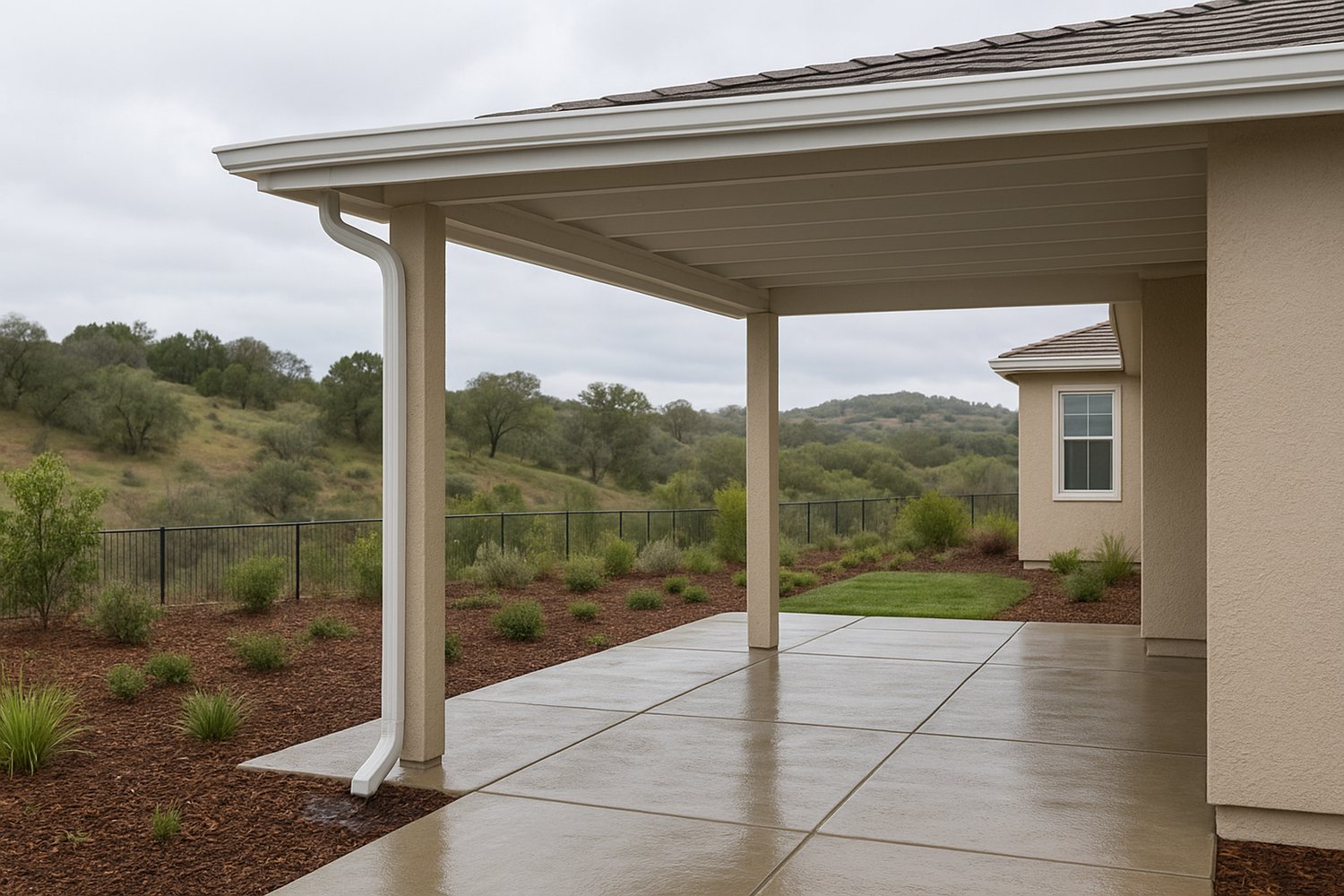
Solid patio covers are continuous roof structures, usually built from aluminum, wood, or composite materials. They block sun and rain completely, offering reliable, durable shelter throughout the year. Lattice covers, by contrast, feature a grid or slatted design, admitting dappled sunlight while still providing partial shade and limited rain protection.
Both types of covers are popular in the greater Rocklin, Roseville, and Granite Bay area, where summer sun can be intense, but many homeowners want to keep a light, airy feel outdoors. Deciding between the two depends on how you want your outdoor space to function every season.
A clear understanding of these basic differences sets the stage for success. Before making a decision, consider how each style fits your home’s look, your priorities for comfort, and what you need from your outdoor living space.
For a full overview of options, see ourPatio covers (solid and lattice)page.
Keeping Cool in Summer Heat
Solid patio covers provide the maximum shade by blocking direct sunlight, making them effective for cooling patios during hot Central Valley afternoons. This allows for comfortable gatherings, barbecuing, or relaxing even during the peak of our summer heat waves. The shaded area will feel dramatically cooler compared to uncovered portions of your yard.
Lattice covers offer partial relief from the sun. Their open structure lets some sunlight through, creating a patterned shade that’s visually interesting and cooling, but not as much as solid covers. In the high heat of our region, lattice may feel warm at midday, though it’s often perfect for mornings or late afternoons.
If your main concern is staying as cool as possible—especially in south- or west-facing spaces—a solid cover is likely your best bet. Lattice works well when you want to balance shade, light, and a breezier, more open feel.
- Solid covers: best for full shade and heat reduction.
- Lattice covers: moderate shade, more light and airflow.
- Consider home orientation and outdoor activity times.
Protection from Rain and Weather
Solid patio covers offer year-round protection from rain, keeping furniture dry and patios usable even during winter storms. This can extend your outdoor season and help protect surfaces beneath. Solid roofs are especially appreciated in areas like Folsom and Auburn, where winter rain can be surprisingly heavy.
Lattice patio covers, by design, cannot keep heavy rain off your patio. Light drizzle may be broken up, but for true shelter, only a solid roof will suffice. If defense from weather is a priority—or if you want to use your outdoor spaces as an all-weather retreat—a solid cover is the most practical choice.
On the other hand, if you only use the space during fair weather and view rain as an occasional inconvenience, the openness of a lattice structure could suit your needs.
- Solid covers: keeps patios dry during storms.
- Lattice covers: minimal protection in rain.
- Think about how often you want to use the space year-round.
| Feature | Solid Patio Cover | Lattice Patio Cover |
|---|---|---|
| Shade Provided | Full, deep shade | Partial, dappled shade |
| Rain Protection | Excellent | Minimal |
| Light Quality | Soft, indirect | Filtered, sunlit |
| Heat Reduction | Maximum | Moderate |
| Maintenance | Low (aluminum), higher (wood) | Low (aluminum), higher (wood) |
Light Quality and Outdoor Ambiance
Light transforms an outdoor space. Solid patio covers cast full shade, which is ideal if you want to block harsh sun glare or protect sensitive plants and furnishings. Depending on the color and finish, they can create a cozy, sheltered atmosphere—almost like adding another room to your home.
Lattice covers filter sunlight, creating playful shadows and a more open ambiance. You’ll enjoy a brighter, airier space with ample natural light, which is perfect for those who want to retain the feeling of being outdoors while getting relief from direct sun.
Choosing the right cover can shift how your backyard feels and functions. Consider whether you want a defined, enclosed retreat or a space that feels sun-dappled and open to the breeze.
- Solid covers: deep shade, strong sun control.
- Lattice covers: filtered light, more outdoor feel.
- Your choice changes the mood and use of the space.
Visual Appeal and Home Integration
A patio cover should enhance your home’s style. Solid covers are often designed to blend seamlessly with your roofline or architectural features, offering a permanent, substantial look ideal for contemporary or traditional homes. With various materials and colors available, it’s simple to match or compliment your home’s existing palette.
Lattice covers add a touch of lightness and architectural interest. Their open, airy pattern works beautifully with landscapes oriented around gardens or pools, and they suit homes aiming for a California casual or Mediterranean style. Paint or finish options add further customization.
No matter the cover, professional design and installation are essential for a polished look. Work with a builder familiar with local styles and building codes to make sure your new cover enhances both your home’s appearance and value.
Looking into more ways to enhance your yard? Visit ourOutdoor Livinghub.
Maintenance and Longevity Considerations
Durability and ease of upkeep matter, especially in Northern California’s climate. Solid aluminum or composite covers resist rot, termites, and fading, requiring just a wash with water from time to time. Wood requires more regular maintenance—like painting, sealing, and checks for weathering—to protect against the elements.
Lattice covers, especially those made from high-quality aluminum or composite, are similarly low-maintenance. Their openness can make them easier to keep clean, but their surfaces are still exposed to sun and weather, especially on top. Wood lattice needs the same care as any outdoor woodwork.
A quality installation ensures stability and longer life for any style. When considering maintenance, ask your contractor about the materials best suited to your needs and your willingness to perform regular care.
Regional Factors for Northern California Homeowners
Our hot, dry summers and occasional winter storms define what’s practical for patio covers in the Sacramento and Placer areas. Solid covers excel in regions prone to intense sun or when year-round use is a priority. For families that love hosting even in winter, a solid structure offers flexibility.
In neighborhoods with mature trees, lattice covers may take advantage of natural shade, accentuating filtered light and keeping mornings and evenings comfortable. Check your property’s exposure—east- and north-facing spaces stay cooler and may benefit from lace-like shade instead of total coverage.
Always consider wind, pollen, and nearby foliage. Solid roofs block more falling debris, and can be an advantage in neighborhoods ringed by oaks or pines.
Deciding What’s Right for Your Backyard
Choosing between solid and lattice patio covers should reflect your home, lifestyle, and climate. Think about how you want to use your outdoor area: maximum shade for midday meals, dry shelter for rainy evenings, or a bright lounging spot under the trees.
Budget for desired finishes and long-term maintenance, and work with a builder who can advise on what works best in Rocklin, Roseville, Folsom, Auburn, and nearby communities. Good design will make your patio cover feel like a natural extension of your home.
Ready to take the next step? A personalized consultation with a professional can help you weigh the options based on your property and goals, so you can fully enjoy your outdoor living space, whatever the season.
Reach out to our team andrequest a consultationfor your outdoor project.
Planning an outdoor living project?
Call or text 916-741-0633, or email sales@californiahardscapes.com with your address, a short description and a few photos, and we will arrange a consultation.