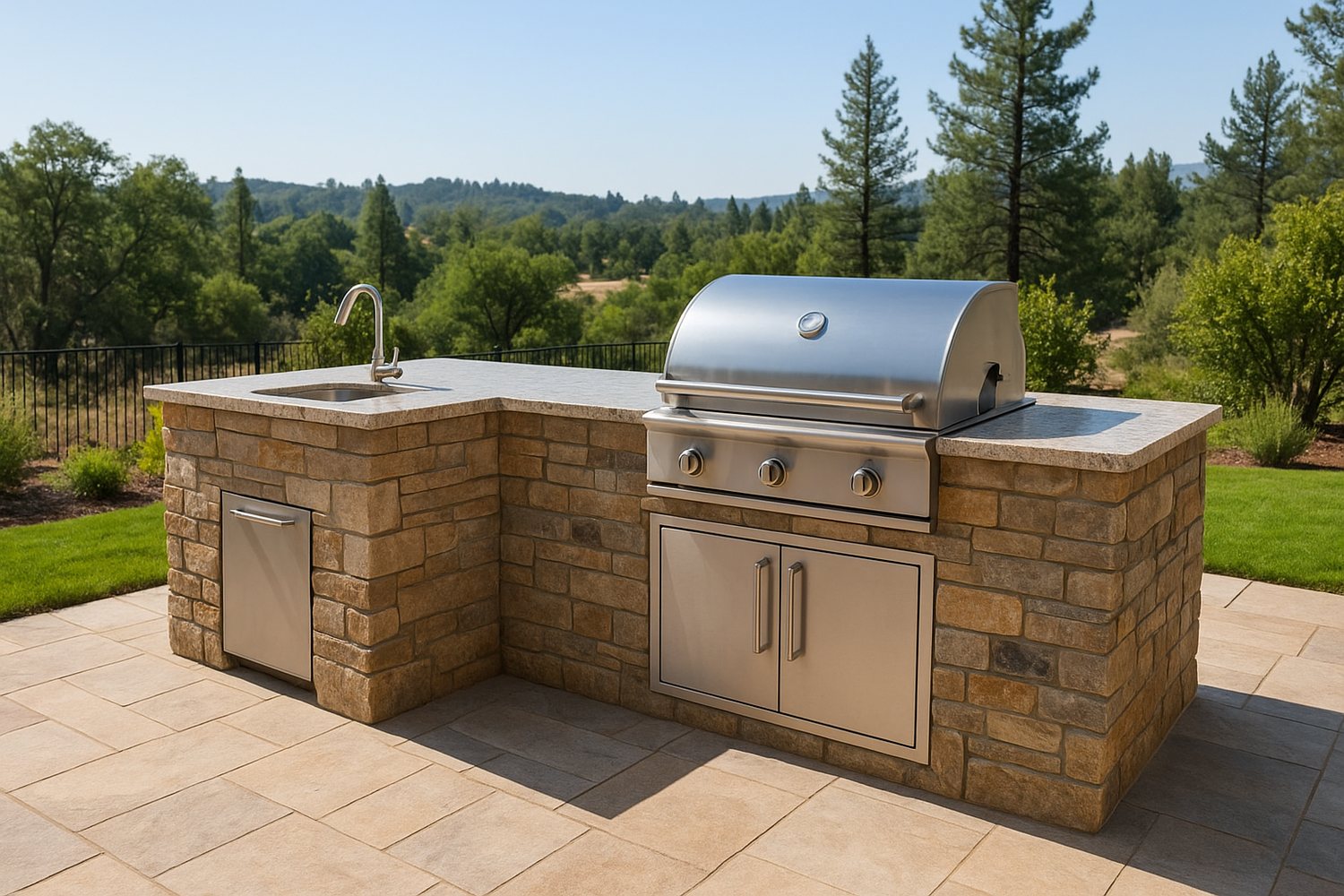
How to Keep Your BBQ Island Immaculate All Year in the Foothills
Protect your outdoor grill station in Rocklin and beyond with practical care advice from California Hardscapes. Learn the best cleaning and protection strategies.
A custom BBQ island is the heart of outdoor entertaining, but Rocklin, Roseville, and Folsom’s climate means year-round maintenance is essential. Here’s how to keep your investment spotless and working its best.
Why Built-In Grill Care Matters in Our Region
Here in Placer and Sacramento counties, we get hot, dry summers and wet, sometimes frosty winters. Your built-in BBQ island is exposed to more than just burgers and brisket—it faces dust, pollen, rain, sun, and sometimes even ash from regional wildfires. Without proper care, grease and debris can build up, causing corrosion or even safety issues over time.
A neglected grill area can shorten the lifespan of your equipment, discolor your stone or concrete surfaces, and make outdoor gatherings less appealing. It’s not just about looks. Frequent use in spring, summer, and fall means ash, grease, and food remnants become cumulative challenges, especially if not cleaned promptly.
Luckily, a simple routine can keep your BBQ island beautiful and functional for years. With the right maintenance plan—tailored to our local climate—you’ll enjoy peace of mind and more reliable cookouts, no matter what the weather brings.
Key reasons for year-round care:
You can read more about options and features on ourBBQ islands and grill stationspage.
Weekly Cleaning: The Simple Routine That Works
A little upkeep each week pays off, especially if your grill sees regular action. Dust and pollen settle quickly here, so start by wiping down all external surfaces—countertops, cabinet doors, and handles—with a solution of mild dish soap and warm water. This keeps residue from building up and becoming hard to remove.
For the grill itself, heat it up for 10-15 minutes, then scrub grates with a stiff grill brush. Empty the drip pan and grease trap to avoid not only mess, but unwanted smells or local wildlife making themselves at home. Stainless steel? Always wipe it in the direction of the grain to prevent scratches.
Don’t forget to clear away leaves, pine needles, or other debris under and around the island. A clean area beneath makes it less attractive to bugs or rodents, especially during the heat spikes we get in the Sacramento Valley.
Weekly tasks to remember:
Monthly and Seasonal Deep Cleaning Checklist
Every month, take a little extra time to extend the life of your grill station. Remove grates and soak them in warm, soapy water. Use a non-abrasive brush to clean burner covers and inside walls. Double-check your gas connections for leaks with a mild soapy water solution—bubbles signal it’s time to tighten fittings.
At the end of every grilling season (late fall for most of our area), inspect for grease buildup, insects, or rodent nests—and address them promptly. For stone or concrete surfaces, give them a gentle scrub with water and masonry-safe cleaner, especially if there’s ash residue from summer fires nearby.
As winter rains start in Rocklin and Auburn, make sure vents are clear, and consider a breathable cover to keep leaves and moisture away. This is also a good time to check door hinges and clean light fixtures installed around your outdoor kitchen.
Monthly/seasonal checklist:
| Surface Type | Best Cleaner | Avoid | Protection Tip |
|---|---|---|---|
| Stainless Steel | Mild dish soap / steel spray | Bleach, abrasives | Wipe in grain direction, cover when not in use |
| Natural Stone | pH-neutral stone cleaner | Acidic or ammonia products | Seal every 2–3 years, spot test cleaners |
| Concrete | Mild soap and water | Harsh degreasers, bleach | Seal every 2–3 years, protect from pooling water |
| Powder-Coated Metal | Soapy water, microfiber cloth | Solvents, abrasive pads | Rinse and dry fully after rain |
| Tile | Gentle multi-surface cleaner | Acids, scrapers | Check grout for cracks, re-seal as needed |
Protection from Sun, Rain, and the Central Valley’s Air
The elements take a toll, even on premium materials. UV rays from hot Placer County summers can fade and weaken surfaces, while moisture leads to rust and mildew during winter storms. The fine particulate from dust or smoky skies—common in late summer—can discolor finishes or clog burners if left unattended.
Invest in a quality, fitted grill cover made of breathable material. Avoid plastic tarps; they can trap dampness and lead to mildew, especially on stone or concrete counters. Open both ends of the cover during dry days to allow airflow and prevent condensation buildup underneath.
If your grill station is under a patio structure, you’ll still want to sweep, dust, and ventilate often. Overhangs help, but wind-blown debris and dust find their way in, especially during the region’s frequent breezy afternoons.
Best protection tips:
Choosing the Right Cleaning Products for Your Grill Island
Not all cleaners are suited for outdoor kitchens in Rocklin, Granite Bay, or Folsom. Harsh chemicals can damage stainless steel, cloud granite, or leave streaks on concrete counters. Mild, pH-balanced soaps work best for most surfaces, while dedicated stainless steel sprays keep metal bright and fingerprint-free.
Avoid bleach, ammonia, or acidic products on natural stone or concrete as this can etch or discolor surfaces. Soft microfiber cloths minimize scratches and distribute cleaning solutions evenly. For stubborn grill grime, a paste of baking soda and water scrubs without harming finishes.
Before using any cleaner, spot-test a hidden area to ensure compatibility. If you’re unsure, ask your contractor or materials supplier for guidance, especially if you have natural stone or custom concrete elements in your space.
Recommended cleaners:
Explore ideas for your whole yard on ourOutdoor Livingoverview.
Common Pitfalls in Local Grill Station Care
One of the most common mistakes is letting grease or food residue sit too long—this attracts pests, causes odors, and can stain concrete or stone. Many homeowners skip protecting exposed surfaces during the transition from hot, dry weather to damp winter conditions, giving mildew a foothold.
Another pitfall is relying on plastic covers, which hold in moisture when those winter fogs roll in from Auburn or Granite Bay. That’s a recipe for rusty components or green growth on stone elements. Overusing abrasive brushes or scouring pads can also damage surfaces quickly.
Lastly, irregular maintenance lets small issues become big repairs: a blocked vent, leaky gas fitting, or stuck cabinet door can turn a quick cookout into a weekend project. Steady attention—especially between seasons—keeps things simple and your outdoor space ready whenever you need it.
Frequent pitfalls to avoid:
When and Why to Reseal Masonry or Stonework
Concrete and natural stone counters look fantastic but need periodic resealing in our region’s climate. Sun, rain, and even pool chemicals in nearby areas can degrade the sealant layer, leaving surfaces more vulnerable to water stains, mildew, or surface cracks.
A good rule of thumb is to test by sprinkling water on the surface. If it beads up, you’re protected; if it soaks in, it’s time to reseal. Most sealers last two to three years, but the foothill climate can mean more frequent applications, especially in exposed or high-use areas.
Choose a professional-grade, penetrating sealer made for exterior hardscapes, and always follow label instructions. Make sure surfaces are thoroughly cleaned and dry before applying for best results in long-term protection.
Sealing pointers:
What to Do Before or After a Major Storm
Severe weather isn’t the norm, but every year brings windy downpours, sudden temperature drops, or dry lightning in our area. Before a storm rolls in, remove any light objects or utensils, confirm grill covers are properly secured, and check that drainage paths around your BBQ island are clear.
After storms, remove covers and allow all surfaces to dry fully. Inspect for standing water, especially around cabinet bases or under the grill itself; this can quickly damage wood, electronics, or gas connections. Brush away mud or debris promptly so it doesn’t stain your counters or pavers.
If you find moisture under sealed stone or concrete, let things air out fully before resealing or reinstalling covers. In persistent wet spots, look for signs of mildew or rot and treat immediately to prevent long-term problems.
Storm care checklist:
If you’re ready to design or restore your space,request a consultationwith our team.
Planning an outdoor living project?
Call or text 916-741-0633, or email sales@californiahardscapes.com with your address, a short description and a few photos, and we will arrange a consultation.