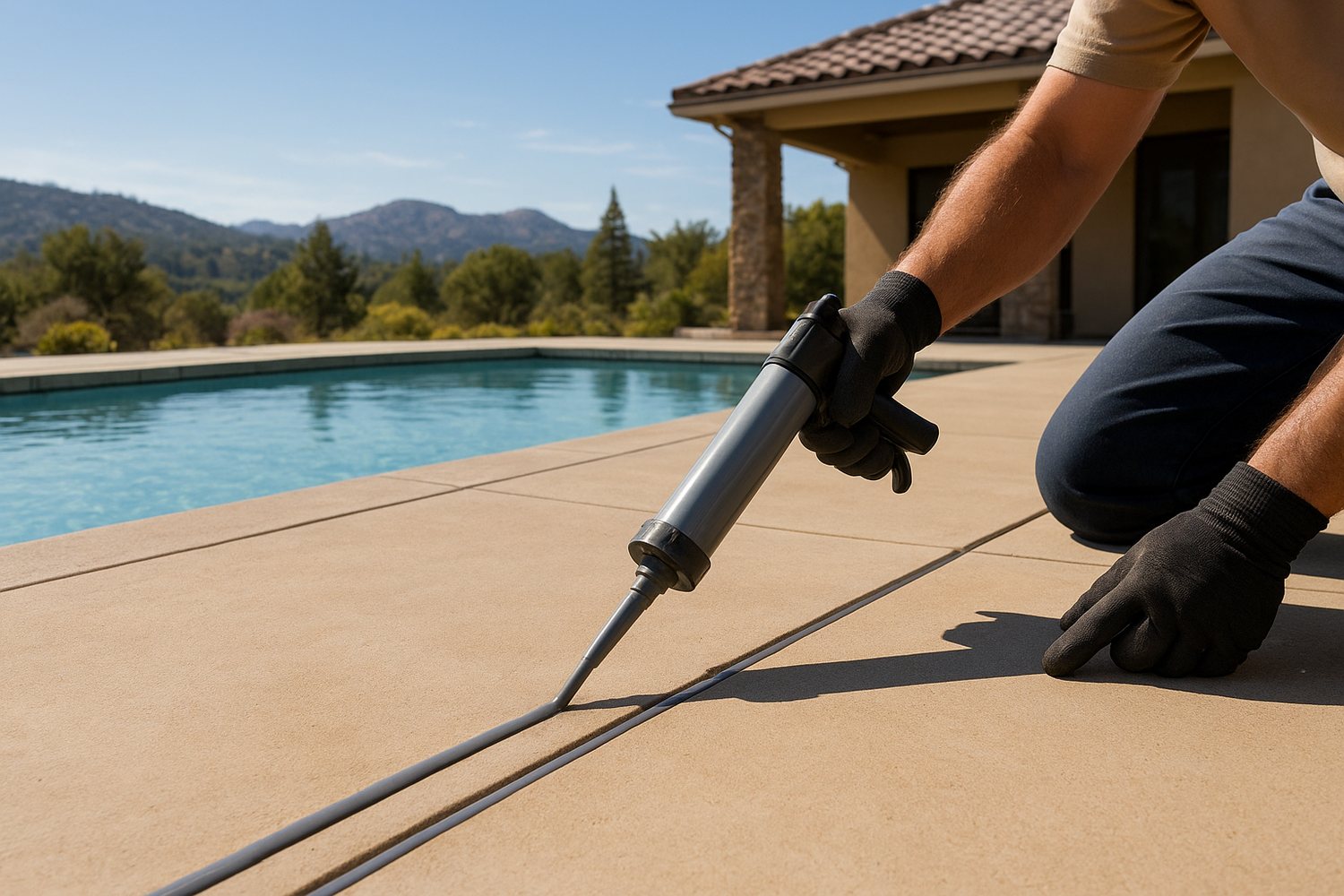
Care and Longevity: Sealing, Resealing, and Repairing Concrete in Placer & Sacramento Counties
Protect your concrete investment with smart sealing, resealing, and repair decisions. Practical, region-specific guidance for Sacramento and Placer County homeowners.
Concrete surfaces around your home are built to last, but local climate and use play a big role in how well they hold up. Knowing when to seal, reseal, or address repairs can help your driveway, patio, or walkways stay beautiful and functional for years.
Why Concrete Care Matters in Our Region
Between Rocklin, Roseville, Granite Bay, Folsom, Auburn, and our foothill neighbors, the local climate delivers hot summers and moderate winters. These conditions test concrete with expansion, contraction, sun, and moisture. Over time, unsealed or neglected surfaces can show wear—cracks, surface flaking, and fading color are common signs.
Maintaining your concrete isn’t only about good looks. Sealing protects against water, stains, and the damage caused by seasonal weather changes. When done right, sealing extends the functional life and beauty of patios, walks, driveways, and other outdoor spaces.
Homeowners here face unique concrete challenges: leaf stains from oaks and pines, decorative finishes at risk from UV, and the occasional freeze-thaw. Proper care means fewer costly repairs and more time enjoying your outdoor space.
- Sun and heat speed surface aging
- Seasonal wetness can cause cracks and stains
- Tree debris and landscape irrigation affect durability
For full details about services, visit ourConcrete repair, sealing and replacementpage.
Sealing: Timing and Frequency
In our area, most new concrete benefits from its first seal within 30-60 days of placement—after initial curing but before exposure to heavy rain or sun. After that, most residential concrete should be resealed every 2–3 years depending on exposure and use.
Driveways and exposed patios may need more frequent attention due to vehicle traffic, grilling, and foot traffic. Decorative and colored concrete can lose visual appeal fast if left unprotected. Stay ahead of issues by setting a reminder based on your last sealing.
If water no longer beads up on the surface, it’s often time to reseal. You might also notice dullness or fading. Catching these signs early helps prevent deeper issues and preserves the investment you’ve made in your outdoor living spaces.
- First seal: 30–60 days after installation
- Reseal every 2–3 years
- Check for beading or fading as a timing guide
Choosing the Right Sealer for Your Home
Not all concrete sealers are created equal. In Sacramento, Placer, and El Dorado counties, we typically recommend penetrating sealers or acrylic surface sealers—these suit residential outdoor use. Penetrating sealers bond with concrete, providing protection without changing appearance.
Acrylic sealers can offer a satin or glossy finish and may enhance the color of stamped or stained surfaces, but they need more frequent reapplication. It’s important to match your sealer choice to the location and type of concrete.
For surfaces exposed to traffic or grease, look for sealers designed to resist staining and abrasion. Always validate the product recommendations with your contractor, especially if you have decorative or colored concrete.
- Penetrating sealers: invisible, long-lasting
- Acrylic sealers: visible finish, easier touch-ups
- Pick by location: driveway, patio, walkway, pool deck
| Sealer Type | Best For | Longevity | Appearance | Notes |
|---|---|---|---|---|
| Penetrating | Driveways, patios, walkways | 4–6 years | No change | Excellent for freeze-thaw; low maintenance |
| Acrylic | Decorative/stamped concrete | 1–3 years | Gloss or satin | Enhances color; easier touch-ups |
| Epoxy | Garages, high-traffic areas | 3–5 years | High-gloss | More prep; best indoor/outdoor covered |
| Polyurethane | Pool decks, high UV | 3–6 years | Clear | UV resistant; may be slippery |
Concrete Repair: When Resealing Isn’t Enough
Sealing protects, but sometimes damage occurs—cracks, chips, or worn spots may need repair before any new sealing. If your concrete is showing heavy cracking, surface scaling, or hollow sounds, these are signs of underlying issues that sealing won’t fix alone.
Small cracks and wear can often be addressed with patching compounds or surface overlays. For larger or more extensive damage, sections may need replacement. Professional evaluation is key—catching issues early can save both time and money.
Don’t ignore shifting, settling, or chronic edge breaking—these suggest substrate or drainage issues. Quality repairs reestablish a sound surface, and you’ll want to seal after repairs to prevent future damage.
- Repair cracks before applying sealer
- Large cracks or severe deterioration may require replacement
- Post-repair sealing maximizes longevity
Common Mistakes with Concrete Sealing and Repair
DIY sealing with the wrong product or poor preparation causes early failure. Always clean the surface thoroughly and allow it to dry before applying any sealer. Avoid sealing in extreme heat or direct sun to get the best bond and finish.
Some homeowners overlook the type of sealer their surface needs or double up on incompatible products, leading to peeling or cloudiness. Consult product guidelines and stick with a proven option for your region and surface.
Skipping repairs before resealing only traps moisture and worsens cracks. Give repairs proper curing time, and always do a test spot with new sealer to ensure desired appearance. Patience and planning pay off in looks and longevity.
- Clean and dry thoroughly before sealing
- Match product to concrete and climate
- Test before sealing entire surface
See the range of finishes and specialties on ourConcrete optionsoverview.
How Weather and Season Affect Your Care Routine
In our region, late spring and early fall offer the most reliable sealing weather—moderate temps and low rain. Hot days cause surface drying too quickly, trapping moisture or causing streaks. Winter sealing should generally be avoided.
Rain, dew, or irrigation can weaken sealer adhesion if applied at the wrong time. Always review the weather forecast and give at least 24 hours’ dry time post-sealing, ideally more. Do not seal if overnight lows dip below 50°F.
If you’ve had repairs done, plan to keep new concrete or patched areas dry and sealed off for the recommended time before resuming use or applying sealer. Waiting for the best weather conditions ensures a uniform, long-lasting result.
- Seal in dry, mild weather for best results
- Allow 24+ hours cure after sealing
- Avoid sealing in direct midday sun or before storms
Maintenance Checklist for Well-Protected Concrete
Stay proactive with a simple inspection at least twice a year: look for cracks, fading, flaking, or dull spots. Clean surfaces with a gentle cleaner before resealing, and remove leaves or organic debris promptly to avoid stains.
Check for water beading to test ongoing protection; if water soaks in fast, it’s time to reseal. Address any standing water, drainage, or irrigation issues that may compromise the concrete. These steps are especially important before and after the wet season.
Record when you last cleaned, sealed, or repaired each section. Setting digital reminders makes future maintenance a cinch. Smart, regular care extends the life and look of your outdoor concrete surfaces, year after year.
- Inspect for cracks and stains every spring & fall
- Clean before resealing
- Address water problems promptly
When to Consult a Pro—And What to Ask
If you’re unsure whether to seal or repair, or if you notice sudden cracks, uneven settling, or persistent dampness, consider consulting an expert. Local experience counts—regional weather, soil, and building practices affect the right course of action.
When talking with a contractor, ask which sealers or repair products they recommend and why. Request details about surface prep, timing, and after-care. Good contractors are happy to explain the differences and help you plan future maintenance.
Ask for guidance specific to your climate and landscape design. Armed with the right questions and attention to detail, you’ll protect your concrete investment and enjoy worry-free outdoor spaces for years to come.
- Seek expertise if unsure about repairs
- Request details on timing and after-care
- Ask for recommendations by concrete type
Ready for an expert opinion or quote?Request a consultationwith our team.
Planning a concrete project?
Call or text 916-741-0633, or email sales@californiahardscapes.com with your address, a short description and a few photos, and we will arrange a consultation.