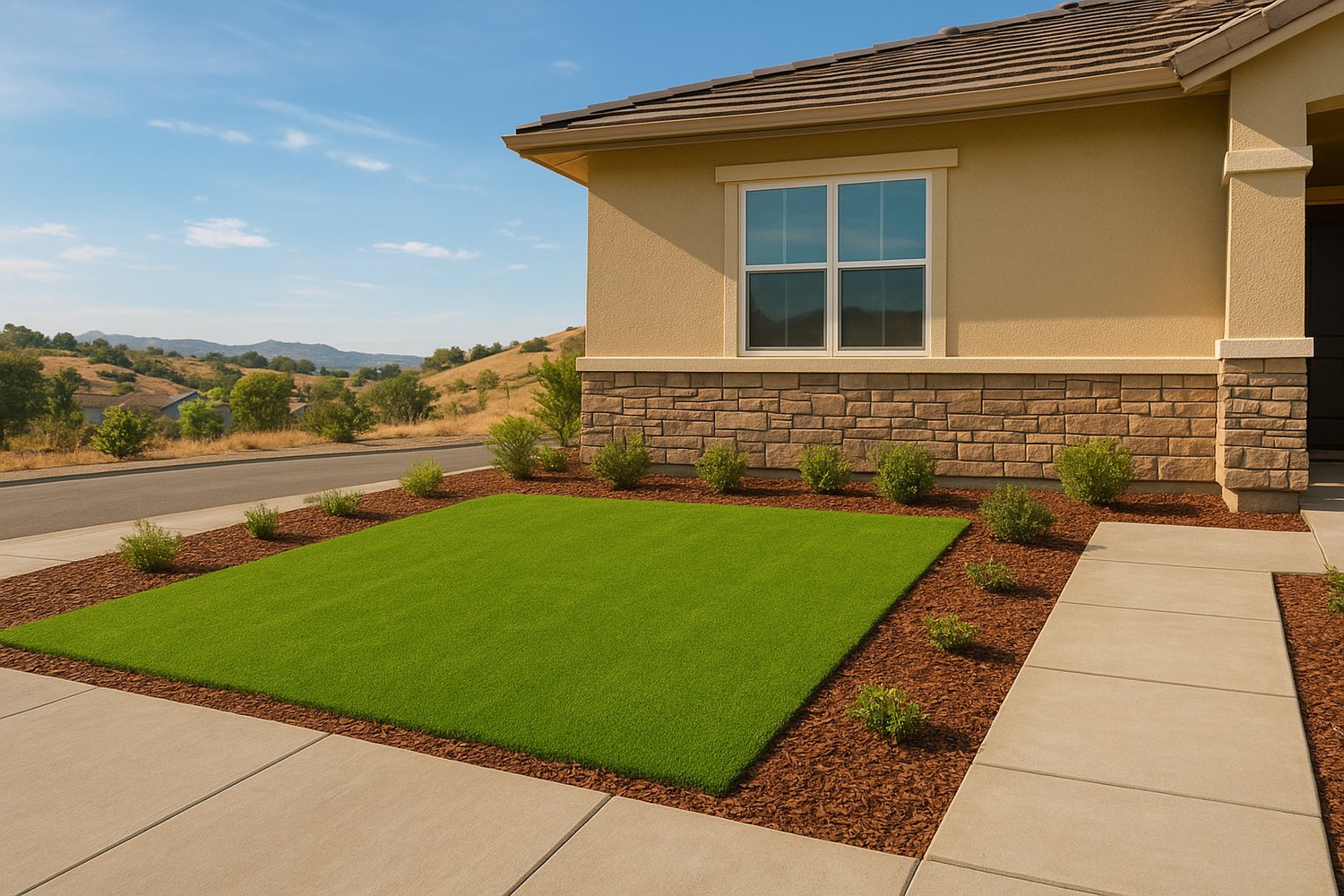
Planning Front Yard Artificial Turf: HOA & City Review Tips
Upgrade curb appeal with artificial turf—see how to handle HOA and city requirements step-by-step in Placer, Sacramento, and El Dorado communities.
Thinking about artificial turf for your front yard? Navigating HOA approvals and city rules is key to getting your project started right in our region.
Understanding HOA & City Oversight
Nearly every community in Rocklin, Roseville, Granite Bay, Folsom, and Auburn has design standards for front yards. Homeowners associations (HOAs) and city planning departments both play a role in regulating front yard changes like artificial turf installation. Knowing who governs your neighborhood (given the overlap) streamlines the process and avoids surprises.
Most HOAs in our area set appearance and material guidelines to maintain neighborhood consistency. Cities often have their own ordinances, especially in newer developments. The city may only review your plans if the HOA has none, but in master-planned communities, both may need to approve. Research these bodies early in your project.
Stay proactive by requesting written guidelines from your HOA and checking with your city planning or building department. Note that requirements often change, especially as water conservation gains focus. Factoring these agencies into your planning will help prevent project delays.
Key steps:
For a full overview of design ideas and requirements, visit ourFront yard artificial turfpage.
What HOAs Look for in Turf Projects
Each HOA in our region has its own approach to artificial turf. Common requirements include turf material type, pile height, color, heat retention, and how it looks compared to natural grass. Some HOAs may only allow installations with a certain percentage of live plantings or may ban turf colors that look too artificial.
Others focus on edge conditions—HOAs often want a clean transition between turf, hardscape, and neighbor lawns. You may also be required to submit a full design, including samples, for approval before installation begins. These steps are about neighborhood coherence, not just personal preference.
Before buying materials or starting demo work, gather current HOA standards. Be ready with photos or physical samples of the turf you want. It’s also helpful to prepare a simple site plan marking boundaries and transitions, as this can smooth the approval process.
Navigating City and Municipal Codes
Local city governments in Placer, Sacramento, and El Dorado counties have evolving codes on artificial turf—these often support drought-friendly landscapes but retain appearance standards. City rules may cover material permeability (for stormwater), minimum open planting areas, setbacks, and whether a landscape permit is needed for front yard changes.
Rocklin, Roseville, Folsom, and nearby cities encourage water-efficient options, but most want to avoid turf that stands out as “plastic” or disrupts neighborhood aesthetics. Some require that the majority of front yard area remain natural or insist on mixed landscaping to support pollinators.
Check with your city planning or building department for the latest artificial turf standards. City review processes are more predictable than many HOAs and typically include published checklists. Document your design and material details in advance for a faster review.
- Confirm if a city landscaping permit is required.
- Ask about minimum and maximum turf coverage.
- Verify setback or border planting rules.
| Criteria | HOA Review | City/Municipal Review | Action Item |
|---|---|---|---|
| Permitted Turf Types | Usually specific (must match natural grass) | Must meet material/permeability standards | Provide spec sheets and samples |
| Coverage Limits | May restrict turf percentage | Minimum live planting may be required | Confirm before design submission |
| Site Plans Needed | Often required, may need neighbor sign-off | Required for permit review | Prepare full site drawings |
| Edge Treatments | Clean, natural transitions required | May enforce setback from sidewalk | Explain edging in documents |
| Review Timeframe | Varies by board schedule | Typically defined in city codes | Apply early to allow review |
Key Documents for Approval
Successful front yard turf applications depend on accurate, complete documents. Your HOA and city want to see specific details: material brand and specs, color, samples, and a site plan showing exact locations. Most also ask for before-and-after diagrams or photos to visualize the project’s impact.
For the best results, prepare a concise project summary: What turf will be used? How much of the yard? Will live landscaping remain? Think in terms of answering possible objections about glare, water runoff, or mismatching neighborhood lawns.
Before submitting, double-check if additional details—like irrigation modifications or edge treatments—should be included. A professional contractor can help organize and present this information clearly, but homeowners should collect approvals themselves before scheduling work.
Advantages of Turf—With Cautions
Artificial turf offers drought resistance and low maintenance, which suits our hot, dry summers and water restrictions. However, appearance and installation quality are critical. Poorly chosen turf or shortcuts can make a front yard look out of place (and prompt HOA complaints).
High-grade, permeable turf reduces stormwater runoff concerns and stays cooler in direct sun—both important for city review. Look for options that mimic local grass tones and textures, and steer clear of overly green or short-pile turf, which rarely meets HOA standards.
Consider durability, heat reflectivity, and UV stability. The best installations combine turf with live plant accents, trees, or mulch borders, achieving both compliance and long-term curb appeal.
If you want to compare all your options, browse ourArtificial Turfproduct and service overview.
Typical Challenges and How to Avoid Them
Homeowners sometimes hit delays due to missing documents, incomplete HOA forms, or choosing noncompliant materials. It’s common for HOAs and cities to require revisions before granting approval—understand this as part of the process rather than a personal setback.
Unexpected feedback—like requests for more natural landscaping or different turf edge treatments—can extend timelines. Build in extra time for re-submission or clarification, especially over summer months when review committees are busiest.
The best way to smooth the process is to overprepare. Collect all required samples, photos, and plans before starting. Stay flexible and open with your application for faster approvals and fewer surprises.
- Submit complete, clear application packets.
- Proactively address water runoff and heat retention.
- Anticipate revision requests and plan for extra time.
Deciding if Turf is Right for Your Yard
Not every front yard is a candidate for artificial turf. Corner lots, yards under tree canopy, or highly visible locations often face stricter review. Blending turf with well-chosen softscape beds, trees, or native plants can help gain approval where pure turf lawns may not fly.
Natural soil drainage, surrounding landscapes, and sun exposure all affect turf performance and compliance. Turf is not maintenance-free; plan for periodic cleaning, especially under shaded or high-traffic areas. Consider long-term needs as well as initial project hurdles.
Consulting a local professional with experience navigating both HOA and city reviews can save time and frustration. Weigh the water savings and aesthetics against any ongoing compliance needs before making your final decision.
Putting Your Plan into Action
Once you’ve cleared HOA and city approvals, schedule your installation during dry weather for best results. This avoids installation setbacks from rain or muddy soils common in our area after late spring. Most importantly, notify your HOA or city when work begins—some request final inspection upon completion.
Work with a contractor who understands local grading, site conditions, and reporting requirements. Experienced installers are familiar with Placer and Sacramento county practices and can help complete the job to HOA and city standards.
After installation, maintain documentation of approvals and project photos. This practical step makes future HOA compliance checks easier and helps you answer any questions that may come up when selling or refinancing your home.
Ready to plan your project?Request a consultationand get all your compliance questions answered.
Planning an artificial turf project?
Call or text 916-741-0633, or email sales@californiahardscapes.com with your address, a short description and a few photos, and we will arrange a consultation.