Soil, Water, and the Hidden Landscape: What’s Really Beneath Your Backyard
The most important parts of landscaping may be the ones you can’t see: healthy soil, proper irrigation, and drainage. Here’s what homeowners should know.
In Rocklin, Roseville, and nearby cities, landscaping success starts below the surface. Soil health, smart irrigation, and drainage each play a crucial role.
Understanding Local Soils: The Foundation Below
In our region of Placer, Sacramento, and El Dorado counties, soils vary from decomposed granite to heavy clay. These differences determine how well your landscape thrives—and how much work you’ll need to put in. Clay soils, for example, tend to retain water and compact tightly, making it tougher for roots to breathe. Sandy soil, on the other hand, drains quickly but doesn’t hold nutrients.
Before planting anything, it pays to test your soil’s composition. A simple soil test reveals pH, texture, and organic content. Knowing these numbers helps you make better choices about plant selection, amendments, and fertilizers. If your soil is mostly clay, consider amendments like compost or gypsum to loosen things up. For sandier soil, mix in organic matter to give roots something to hold onto.
You don’t have to guess. Walk your property with a shovel and dig a few test holes in different spots. Feel the soil’s texture: Is it sticky, gritty, or crumbly? Noticing water pooling or hardpan under the surface gives clues about potential drainage issues that need to be addressed before landscaping goes in.
- Test before you plant for better results.
- Clay-heavy soils require amendment for most landscapes.
- Sandy soils benefit from organic matter and mulches.
Explore more on ourLandscaping pagefor additional tips and approaches.
Why Soil Preparation Makes or Breaks Landscapes
Preparing soil is one of the least visible, yet most important, steps you can take for a landscape that lasts. Skipping this sets the stage for struggling plants, compacted lawns, and constant runoff or puddling even after small storms. In the hot, dry summers of our area, good prep keeps roots cooler and moisture available longer.
Soil prep usually starts with removing old turf and rocks, then loosening compacted ground. It pays to add organic matter—think composted bark or green waste—to improve structure. Tilling amendments into the top 6–12 inches lets roots breathe and water soak in, which helps plants establish quickly and resist drought.
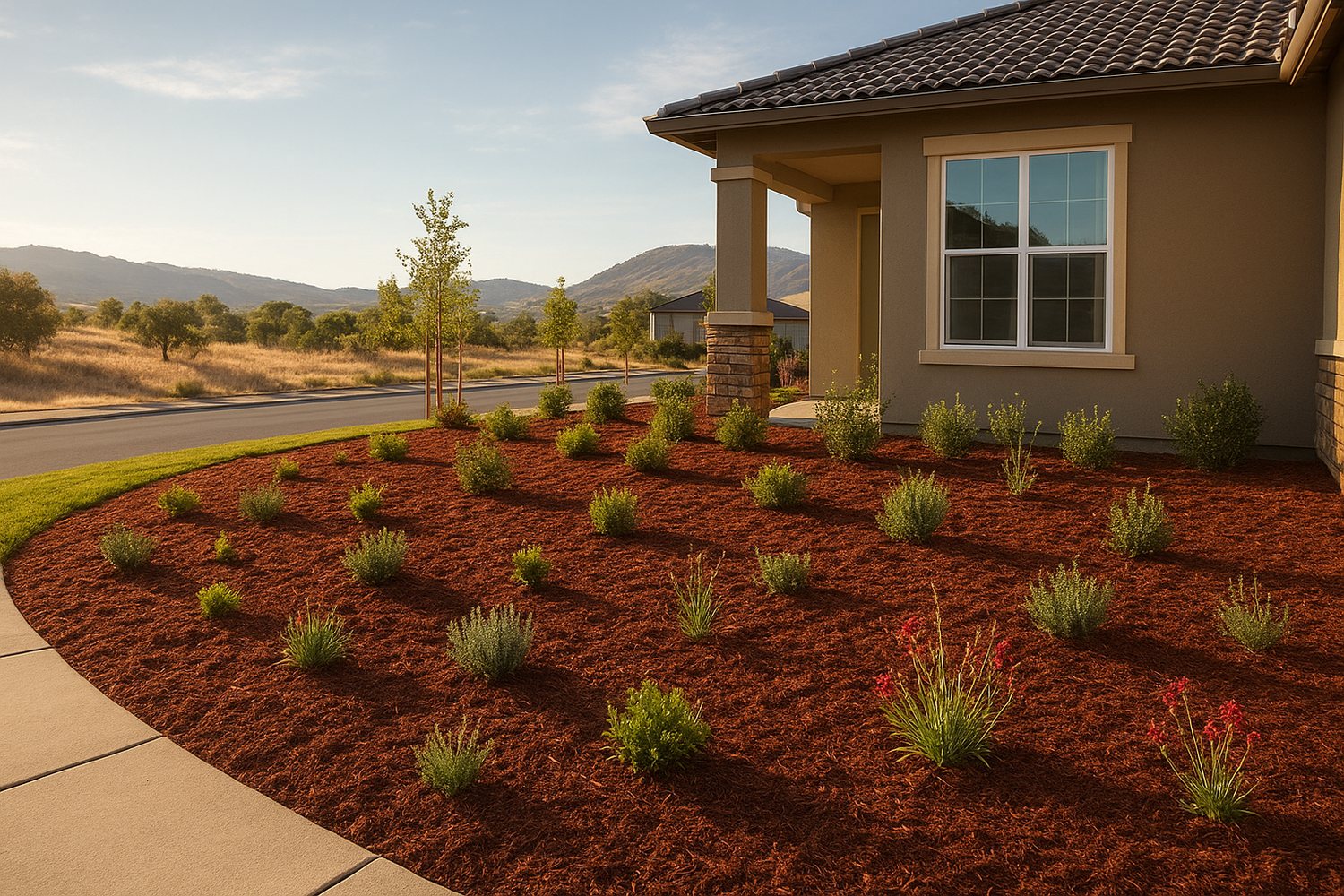
Mulching is the final step most homeowners skip. Mulch helps control temperature swings in our area, locks in moisture, and keeps weeds from taking over. Apply two to three inches around trees and shrubs, and keep a few inches away from trunks to avoid rot.
- Remove old turf and debris before amending.
- Amend the soil deeply for best results.
- Mulch after planting to reduce water use.
Irrigation: Delivering Water Where It Counts
Landscapes in the Rocklin, Roseville, and Folsom areas face the challenge of hot, dry spells and rare but intense rainstorms. An irrigation system tailored to your soil and plantings is a necessity, not a luxury. Drip irrigation and rotor sprinklers both play specific roles, but no system works efficiently without planning for sun, shade, slope, and plant needs.
Drip systems deliver water right to plant roots, ideal for beds and plantings. Rotors and sprays cover lawns and ground covers evenly. Watering early in the morning minimizes evaporation, letting moisture soak in before the California sun heats up. Depending on your soil type, you might need to adjust runtimes to avoid pooling or runoff—another reason to know what’s underground.
Don’t overlook smart controllers and rain sensors for automatic adjustments. Many homeowners appreciate being able to “set and forget” based on seasonal changes, but manual checks are always wise. A broken emitter or stuck valve can waste hundreds of gallons of water before you notice dry spots or puddles.
- Choose drip for beds, rotors for turf.
- Adjust schedules as seasons change.
- Always check for leaks, clogs, or stuck valves.
| Soil Type | Drainage Rate | Best Amendments | Common Issues |
|---|---|---|---|
| Clay | Slow | Compost, Gypsum | Puddling, Compaction |
| Sandy | Fast | Compost, Peat Moss | Drought Stress |
| Loam | Moderate | Compost | Few |
| Rocky | Variable | Topsoil, Compost | Erosion, Poor Root Growth |
Making Drainage Work: Keeping Water Moving
Drainage is easy to overlook but critical in local landscapes—especially with our region’s sudden downpours and heavy clay soils. Poor drainage can lead to muddy spots, plant disease, foundation problems, or slippery hardscape surfaces.
The goal is to move water away from structures and planting beds without letting it pool. French drains, gravel trenches, and simple surface grading all help. Sometimes, a combination of solutions is needed: dry creek beds for visual interest, catch basins near patios or driveways, or perforated pipes to move water underground.
Start by walking your yard after heavy rain. Note where water pools or flows toward your house. Native soils often require extra attention; for example, clay-heavy areas are more prone to puddling and may need deeper amendments or regrading for proper runoff. Addressing drainage up front saves time and money later.
- Watch for pooling after storms to spot drainage issues.
- Consider French drains for low spots or near structures.
- Use grading to direct water safely away from foundations.
Hidden Infrastructure: The Landscape You Never See
Many of the most essential landscaping components disappear once your yard is finished—yet they’re critical for longevity and plant health. Under the surface, there may be irrigation lines, drainage pipes, root barriers, and compacted gravel bases. Each is invisible once installed, but all work together to protect your investment.
Properly installed infrastructure prevents issues that are expensive or frustrating to fix later. For instance, buried root barriers keep thirsty tree roots from invading hardscapes or utility lines. Drainage pipes lined with gravel prevent water from collecting near patios or the corners of your house. These “below-ground” systems quietly save you from costly repairs.
When planning your next outdoor project, ask your contractor about what’s happening beneath the soil—not just what plants or patios you’re getting. Long-term value often relies more on what you never see than what you do.
- Root barriers protect patios and foundations.
- Gravel bases keep patios stable with seasonal changes.
- Drainage pipes and emitter lines work below ground.
See an overview of allLandscaping optionswe offer to fit your unique site needs.
Crafting Outdoor Spaces for the Sacramento Valley Climate
Landscaping here is different from other parts of California. We deal with hot, dry summers, clay or rocky soils, and extended droughts alternating with short, rainy seasons. Wise landscape design plans for these extremes, balancing water-wise plantings with efficient systems that match our seasonal climate.
Select plants with deep roots and regional adaptability. Native and Mediterranean plants are usually resilient and use less water. Hardscape materials matter, too: pervious pavers and well-designed patios help water soak in, rather than running off into the street or toward structures.
Combine different approaches—amended soils, subsurface irrigation, and graded patios—to create comfortable, beautiful spaces that resist the stress of weather swings. Local insight beats one-size-fits-all plans every time.
- Consider drought-tolerant plants and ground covers.
- Use pervious pavers for patios and walkways.
- Design with multi-season use in mind.
Partnering with Experienced Local Pros
A landscape’s success starts with knowing your property’s hidden challenges: soil type, water flow, and subsurface infrastructure. Choosing a partner with real knowledge of Rocklin and neighboring cities can eliminate the guesswork and avoid expensive missteps. Look for contractors who can explain—not just sell—their approach to these important details.
Ask questions about how they’ll assess and improve soil, design irrigation for your plantings, and prevent drainage issues from the start. Experienced teams anticipate problems specific to our region, like clay soils that don’t drain, thirsty trees near patios, or the need to protect concrete from seasonal movement.
At California Hardscapes, outdoor construction is built with licensed, bonded, and insured contractors you can trust. Quality materials and experienced project leadership make all the difference in delivering landscapes that last.
- Demand clear explanations about soil and drainage planning.
- Check skills with hardscapes, irrigation, and landscape design.
- Choose a contractor familiar with local challenges.
Know-How for Lasting Landscapes
Lasting landscapes rely on all the things you rarely see: robust soil, tailored irrigation, and thoughtful drainage. By taking time with these foundations, you invest in the entire life of your outdoor space—from curb appeal now to happy, healthy plants years down the line.
Even if you like to garden or tinker with your irrigation controller, having a plan beats guessing every time. Prioritizing things like mulch and soil preparation makes daily maintenance easier and keeps your landscape thriving through heat, drought, or storms.
Practical decisions now pay you back for years. Whether you’re starting fresh or improving what you have, don’t ignore what’s hidden beneath the surface of your lawn and garden.
- Start with reliable soil, drainage, and water delivery.
- Upgrade or maintain hidden infrastructure as needed.
- Consult with experts for site-specific guidance.
Ready to get started?Request a consultationwith our experienced team today.
Planning a landscaping project?
Call or text 916-741-0633, or email sales@californiahardscapes.com with your address, a short description and a few photos, and we will arrange a consultation.