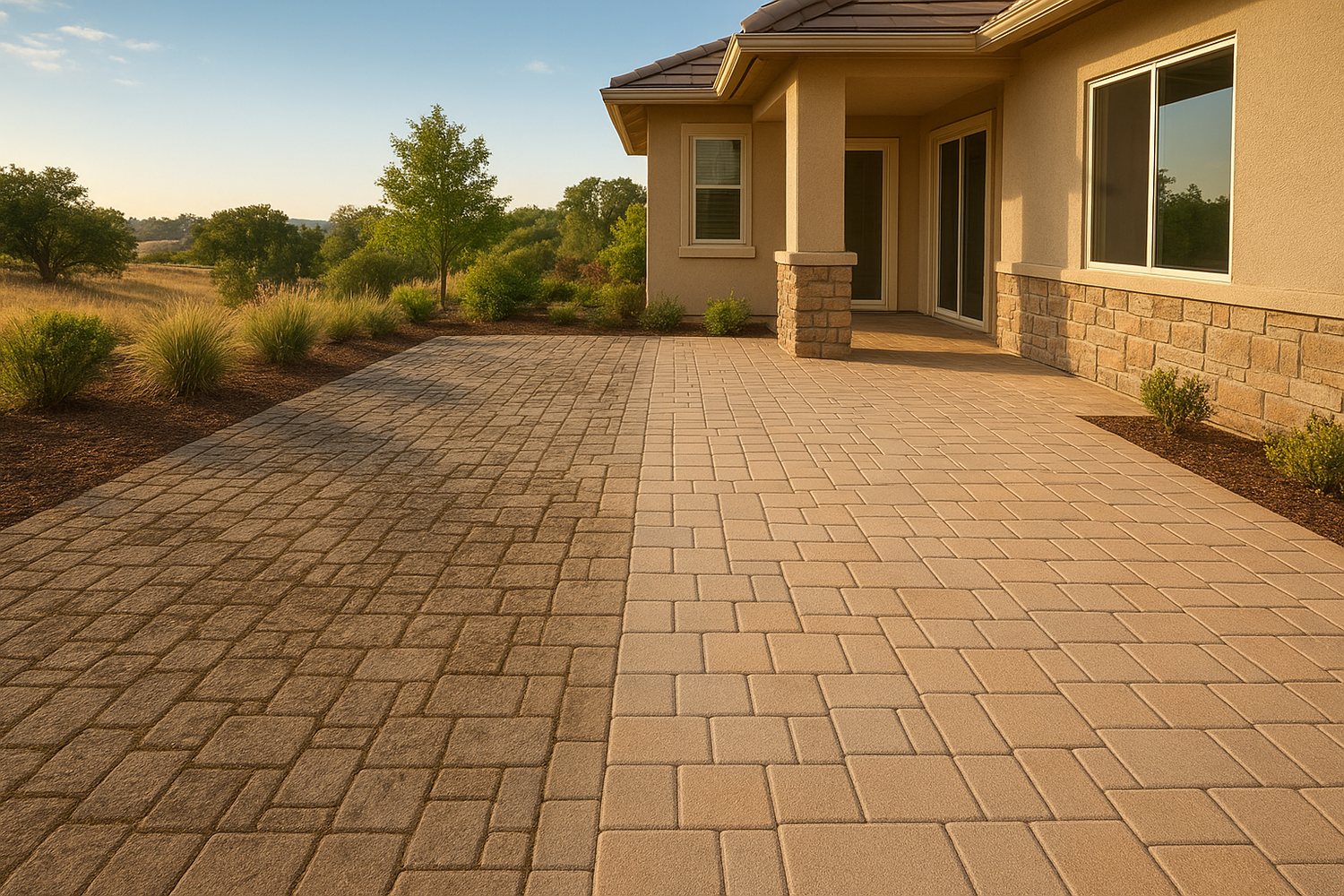
Paver Repair & Sealing: To Seal or Not To Seal?
Compare the pros and cons of sealing pavers, how repairs and releveling fit in, and region-specific best practices. Get honest answers for your outdoor space.
Homeowners in Rocklin, Roseville, Granite Bay, and nearby are right to ask: is sealing pavers worth it? How often? We break it down from a builder’s perspective.
What Does It Mean to Repair and Relevel Pavers?
Paver repair and releveling are essential for keeping patios and walkways safe, functional, and attractive. Over time, shifting soil, tree roots, or heavy use can cause pavers to settle unevenly. That leads to tripping hazards, puddling, and a worn-out look, especially in homes around Rocklin, Roseville, and neighboring towns where soil movement can be a real issue.
Repair usually involves lifting the affected stones, addressing any base or sand issues, and resetting everything back to level. Releveling is best done before any major sealing because sealing locked-in, uneven pavers can trap problems permanently. Local conditions—like clay soils and seasonal rain—make regular inspection a good idea.
Skilled repair keeps your project looking great and lasting longer, preventing damage that might mean a bigger fix down the road. Having a professional eye can spot early warning signs. Think of this as a foundation for sealing or any other long-term care you have in mind.
For more details on fixes for your walkway or patio, see ourPaver repair, releveling and sealingservice page.
Sealing Pavers: The Facts Homeowners Need
Sealing pavers means applying a protective coating that can boost color, resist stains, and make routine cleanup easier. In the Sacramento and Placer County climate, UV rays, rain, and plant debris are tough on unsealed concrete, stone, or brick pavers. You’ll see less fading and fewer weeds or moss patches with regular sealing.
However, not all pavers need sealing. Modern concrete products often come with hardening additives, and some folks prefer the natural patina of stone that’s left to weather. Over-sealing or using the wrong product can cause cloudiness, flaking, or slick surfaces—especially in high-traffic patios or around pools.
The real decision comes down to the look you want, how much routine cleaning you’ll do, and your tolerance for light stains or color change. Quality sealing done right does extend the life of your hardscape, but it’s a commitment—not a one-time fix.
To Seal or Not to Seal? Pros and Cons in Our Region
In Rocklin and surrounding communities, sealing pavers is a common maintenance step—but not always required. Unsealed pavers offer a natural, aged look that some homeowners love, and they don’t require as frequent upkeep. A sealed surface, on the other hand, can look richer and stay cleaner with regular care.
Here’s where climate comes in. Rain brings out stains and can erode joint sand, while summertime sun can fade color—a bigger issue for exposed patios. Sealing helps, but needs to be maintained every few years, and you’ll need to avoid cheap, one-size-fits-all sealers that don’t hold up in our region.
Consider use patterns: Shaded back patios see less UV fading, but may develop more mildew if sealed too tightly. Driveways and busy walkways benefit more from the added protection. Whatever you choose, proper installation and prep make the biggest difference.
| Factor | Sealed Pavers | Unsealed Pavers | Best For |
|---|---|---|---|
| Appearance | Richer color, gloss/matte options | Natural, subtle aging | Depends on taste |
| Maintenance | Easier to clean, less weed growth | Requires occasional deep cleaning | Busy families or entertainers |
| Frequency of Upkeep | Reseal every 2–4 years | Power wash as needed | Those wanting minimal yearly chores |
| Stain Resistance | High—resists oil, food, leaves | Low—stains soak in | Driveways, outdoor kitchens |
| Slipperiness When Wet | May increase if not textured | Naturally slip-resistant | Pool areas, shaded spots |
How Often Should You Reseal Pavers?
Most experts recommend resealing pavers every 2–4 years for best results in the Sacramento Valley and Sierra Foothills. That frequency gives lasting color protection, locks out stains, and keeps joint sand from washing away. However, exposed driveways may need care sooner while shaded patios can stretch the interval if wear is light.
Check for signs like faded color, sand loss, or slick spots—those indicate the sealer is wearing off. Be wary of over-applying sealers before they’re needed; each layer matters, and too much can trap moisture and cause surface whites (efflorescence). Plan to deep clean and relevel pavers before resealing, never just coat over issues.
Ultimately, the right schedule comes down to paver type, traffic, exposure to rain and sun, and regular professional assessments. Quality materials and workmanship up front pay off in less maintenance and cost long-term.
Repair and Sealing: The Process Step-by-Step
A premium paver maintenance routine starts with a detailed inspection. Look for uneven bricks, trip hazards, weed growth, and stained or faded areas. Addressing repairs—such as releveling sunken pavers, sprucing up the joint sand, or power washing—comes before any sealant touches the surface.
Professional cleaning with the right equipment opens up the paver pores and ensures sealant gets proper adhesion. Only after everything is dry, stable, and free from dirt or efflorescence should sealing begin. California Hardscapes always suggests using premium sealers that are tailored to our local soils and sunlight.
Letting each repair step cure and dry fully before moving to the next ensures a long-lasting finish. Good contractors will pause between cleaning, repair, and sealing—never rushing for quick results. The process is as important as the products.
Explore all options on ourHardscapes & Patiosoverview page to match your vision.
Common Mistakes to Avoid in Paver Care
Many DIY attempts to repair, relevel, or seal pavers can lead to bigger headaches. One major mistake is sealing dirty, uneven, or damp pavers—trapping moisture, stains, and weeds beneath a glossy shell. This is a big concern in the variable weather we see from Rocklin through Folsom and Auburn.
Using the wrong product for your specific paver type or for our climate is another pitfall. Some store-bought sealers don’t hold up well in full sunshine or on clay-heavy subsoils. Skipping prep steps—like replacing joint sand or allowing proper drying—can cause costly failures and unsightly results.
Always research or consult a local professional before sealing or tackling repairs. And remember: maintenance is usually easier and less expensive than a full tear-out and replacement down the line.
Choosing the Right Approach for Your Home
Every property has unique needs—sun exposure, drainage, soil movement, and homeowner preferences all play a part. Custom advice is key. If you value a low-maintenance, color-rich look or have kids and pets, sealing after necessary repairs is usually worthwhile.
If you prefer a natural look and don’t mind routine cleaning or light stains, leaving pavers unsealed after periodic repairs may be the right call. Roofing runoff, sprinklers, and even nearby trees impact how often you’ll need professional help. A tailored plan is always better than a one-size-fits-all approach.
Consider your budget, long-term expectations, resale plans, and how much you use your outdoor space. Consulting with a regional hardscape expert ensures the solutions fit your lifestyle, not just the trend of the moment.
Conclusion: Practical Steps for Lasting Hardscapes
Well-built paver patios and walkways are meant to last—but only with sensible repair, releveling, and the right sealing plan. In our part of California, these choices matter for safety as well as style. Whether you seal or not, regular inspection and spot repairs are the real secrets to a hardscape that stays beautiful and problem-free.
If you’re unsure what your outdoor space needs, don’t rush. Ask questions. Many homes in Rocklin, Roseville, Granite Bay, and beyond benefit from professional evaluation every few years, especially before sealing or after major storms. The right attention now can save you major hassle later.
Ready to take the next step? From simple repairs to expert sealing, talk with an experienced local team. Good advice and proper technique are the best investment you can make for your home’s curb appeal and comfort.
Have questions or want local advice?Request a consultationwith our team for straightforward solutions.
Planning a hardscapes & patios project?
Call or text 916-741-0633, or email sales@californiahardscapes.com with your address, a short description and a few photos, and we will arrange a consultation.