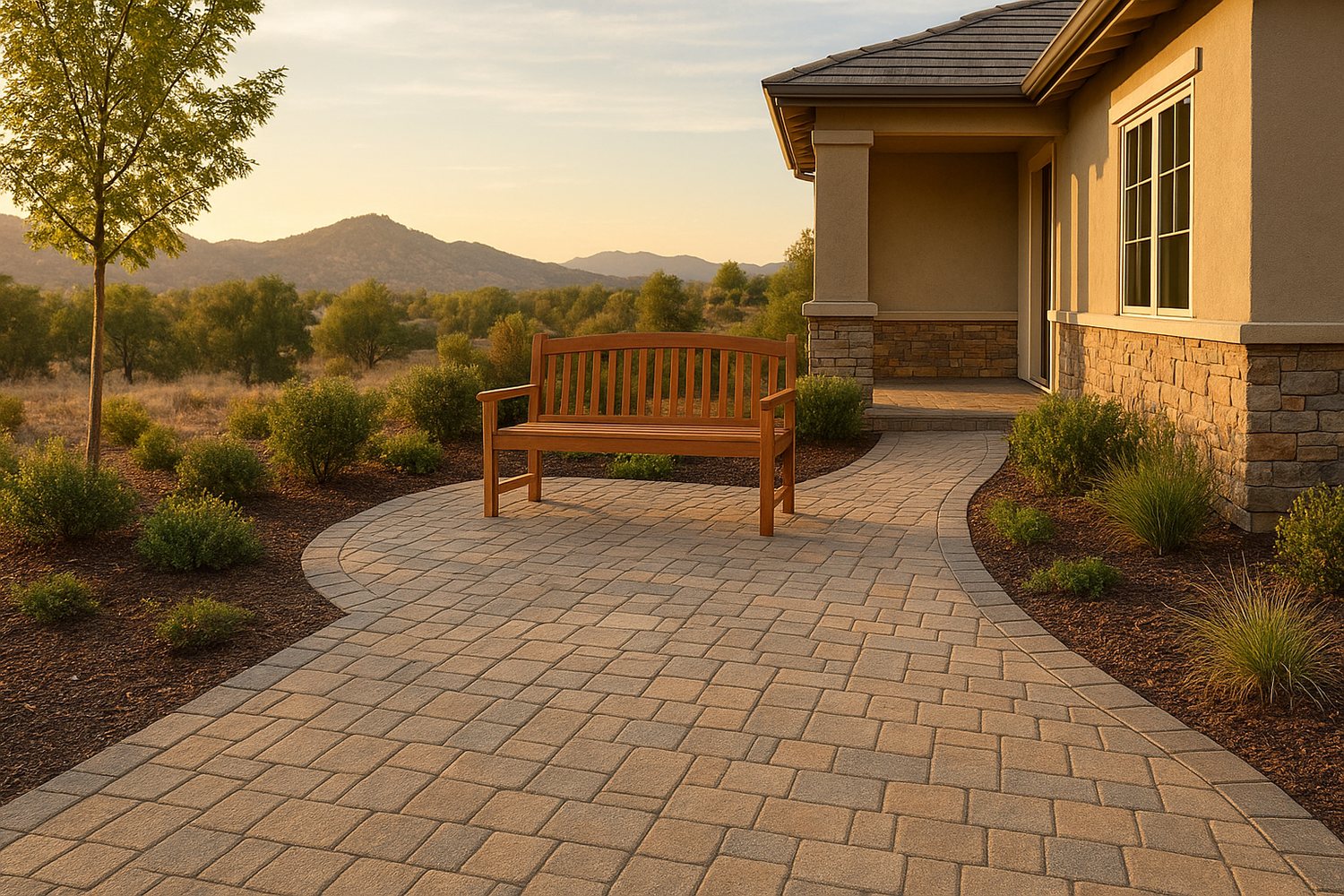
How Edging and Base Choices Prevent Paver Walkways from Shifting
Discover the impact of base thickness, compaction, and edging on long-lasting, stable paver walkways in the Rocklin area. Homeowner tips inside.
Homeowners in Rocklin and nearby communities often wonder what makes a paver walkway last for years without shifting. The answer comes down to quality edging and base preparation. Let’s break down the details that ensure a lasting, premium result you can enjoy season after season.
Why Do Paver Walkways Shift?
Paver walkways might look rock-solid, but even a little movement in the ground can cause problems over time. Our region’s clay soils expand and contract with rain and drought, putting all paved surfaces to the test. Without the proper groundwork, settling shows up as lips, dips, and wandering pavers—even after just a season or two.
Foot traffic, garden beds, and the occasional visit from a wheelbarrow all contribute to movement. Minor shifting becomes major headaches if the path never had a strong foundation or the edges weren’t secured. This is why installation methods matter as much as the pavers you choose.
Understanding how and why walkways shift is the first step toward prevention. When homeowners know what actually keeps pavers in place, they’re much better equipped to ask the right questions and spot quality craftsmanship.
For more detailed inspiration and technical information, visit thePaver walkways and pathspage.
The Base: Everything Starts at the Bottom
The most important part of a paver pathway you’ll never see is the base. In northern California, our soils demand a base that handles moisture, erosion, and heavy use. Crushed rock base, thoroughly compacted, creates a stable platform where the pavers won’t move independently over time.
The thickness of this base makes all the difference. Broadly, more depth equals more stability. Most walkway installations here require a minimum of four inches of compacted base rock, but sloped lots, soft soils, or higher use areas might need six inches or more. Finer materials for the top bedding layer allow the pavers to nest tightly and remain flat.
Base preparation isn’t just about dumping gravel in a trench. Consistent thickness, proper grading, and serious compaction are mandatory. This detailed ground prep resists the seasonal swelling and shrinking that is so common in local soils.
- Compacted crushed rock for stability
- 4–6 inches base depth (site-specific)
- Finer bedding sand sets pavers level
Critical Role of Edging
Edging is the unseen muscle that keeps pavers from shifting outward and unraveling over time. In our hot summers and occasional heavy rains, lateral push is a constant threat. Without sturdy perimeter edging, the walkway’s shape and alignment quickly suffer.
There are a few popular edging methods: concrete, rigid plastic, and metal. Each style suits different budgets, design aesthetics, and installation details. The most important factors are strength, continuous support, and secure anchoring. Plastic edges must be staked tightly; concrete edging, properly poured and finished.
Properly installed edging keeps every paver snug without visible gaps or movement. Reliable perimeter support is especially important where paths make curves, border lawns, or transition to other landscape materials.
- Prevents outward paver movement
- Plastic, metal, or poured concrete options
- Must be anchored or embedded for strength
| Edging Material | Strength | Appearance | Maintenance | Best Use |
|---|---|---|---|---|
| Plastic | Moderate (when staked) | Low profile, flexible | Low | Straight or curved paths, budget installs |
| Metal | High | Invisible, clean lines | Low | Modern designs, invisible edge |
| Concrete | Very high | Visible, custom shapes | Minimal (if poured well) | Heavy use areas or anywhere long-term stability needed |
Comparing Edging Materials for Local Walkways
Different edging materials offer pros and cons based on property, path layout, and climate. In Rocklin and surrounding areas, heat and irrigation runoff are big factors. Picking the right edging style ensures longevity and appearance, and sometimes blends function with curb appeal.
Plastic may suit homeowners on a budget or those who want a fast installation, but needs to be deeply staked. Metal provides invisible strength, particularly for clean lines. Concrete edging often gives the most robust protection from lateral movement and water intrusion, though it takes more prep and cost.
The best choice often comes down to matching performance needs with project design. Below, see how popular options stack up for walkways in Placer, Sacramento, and El Dorado communities.
Compaction: Do It Right or Do It Twice
Base compaction isn’t the flashiest part of walkway installation, but it’s priceless for lasting performance. If the crushed rock base isn’t firmly compacted in layers, it will settle unevenly. That causes pavers to rock, tilt, or sink—sometimes quickly, sometimes over years.
Contractors use plate compactors, rolling each base layer multiple times, and making sure they’re not rushing. Thin, even layers of base material—never thicker than 3 inches at a time—make for a dense, reliable platform that won’t give way when wet or dry.
In our region’s combination of clay and rocky soils, proper compaction distinguishes a professional-grade project from a walkway that will soon need repairs. Homeowners should always ask how compaction is achieved before a project begins.
- Layered compaction resists shifting
- Plates or rollers work best
- Ask about equipment and technique
Not sure which hardscape fits your property best? Explore the fullHardscapes & Patiosoverview.
Accounting for Drainage and Local Clay Soils
Drainage can make or break any outdoor hardscape in this part of California. Our heavy clay soils hold water and can swell, so it’s critical that water moves away from paved paths. Poor drainage often leads to heaves or low spots as soil swells—or shrinks—in the dry months.
Good base materials, proper slope, and attention to walkway alignment keep moisture from pooling beneath pavers. Sometimes, perforated drainpipes or channel drains are used adjacent to paths, especially where runoff is an issue or beds tend to oversaturate.
When planning a walkway, ask your installer about slope and water management strategies. The extra attention helps avoid repairs later and protects your landscape investment in our unique regional conditions.
Finishing Touches: Joint Sand and Edge Sealing
After pavers are set and the edges solidified, polymeric joint sand is swept into the seams. This sand sets up firm, helping lock pavers together and resist weeds or ants. It’s more than just cosmetic—the right joint sand prevents movement and keeps moisture from washing bedding materials away.
Edge sealing is a next-level concern, usually discussed with homeowners wanting extra assurance for longevity. Proper edge sealing along concrete or metal borders can help water shed away, and prevent root and weed intrusion near planters or lawns.
These finishing details make a big difference in how your walkway looks and performs year after year. Don’t skip or rush the final touches—they help keep everything in place and reduce future upkeep.
- Polymeric sand resists movement, weeds
- Edge sealing protects from water, roots
- Anti-washout for joints and bedding
Questions for Your Installer: What to Ask and Watch For
Not every walkway project pulls its weight over time. Before choosing a contractor, homeowners should ask detailed questions about base prep, compaction methods, and edge details. Clarity up front ensures your investment gets the best care, fitting the specific challenges in our communities.
Ask about the thickness and compaction method for each base layer, as well as their preferred edging types and why. Look for answers that reference local soil and drainage factors, not just generic best practices. A contractor with regional expertise pays off long-term.
During installation, check that base layers are installed in thin, compacted lifts, that perimeter edging is secure, and joint sand is thoroughly swept in. Attention to detail at every phase gives peace of mind and helps your new walkway outperform the average one.
- Request base thickness and compaction details
- Ask for edging style recommendations
- Observe the installation process
If you’d like tailored guidance for your project,request a consultationwith the California Hardscapes team.
Planning a hardscapes & patios project?
Call or text 916-741-0633, or email sales@californiahardscapes.com with your address, a short description and a few photos, and we will arrange a consultation.