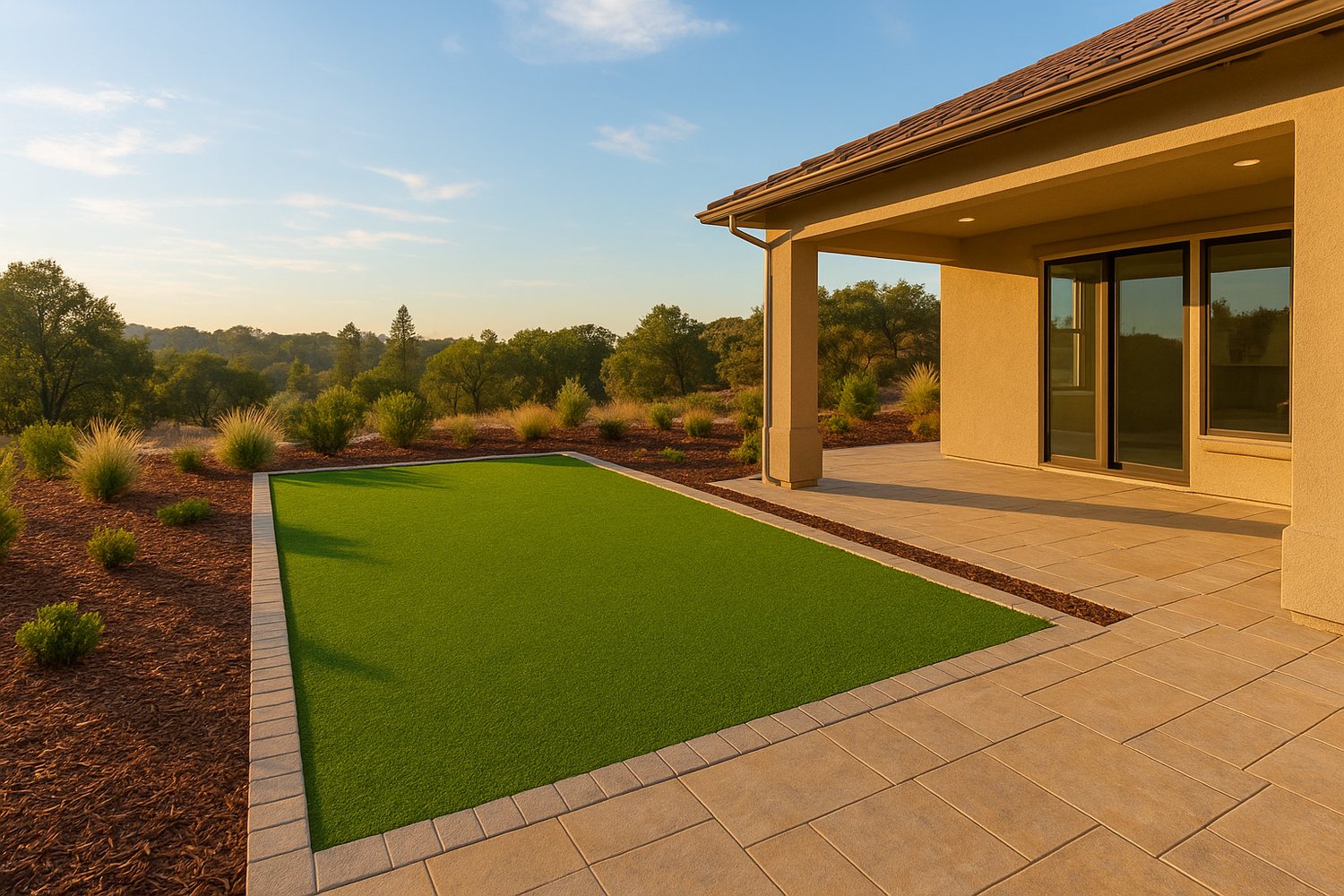
Playground Surface Options: Turf vs Mulch vs Rubber
Considering a play area for your backyard? Learn how playground turf compares to mulch and rubber so you can choose the right surface for your family.
When planning a backyard playground in the Rocklin and greater Sacramento area, choosing a surface matters for safety, maintenance, and comfort. This article compares artificial turf, playground mulch, and poured rubber—helping local homeowners find the best option for their needs.
Why Surface Choice Matters Under Play Equipment
What you put under playsets isn’t just about looks. Surface choice impacts how safe and enjoyable your yard remains season after season. In climates like Rocklin, Roseville, and Folsom, where summer heat and heavy rains can quickly break down some materials, getting it right can prevent future headaches.
All three leading options—artificial turf, engineered wood mulch, and rubber surfacing—address the basics: cushioning falls, reducing muddy messes, and defining a play zone. But the differences in how they deliver safety, long-term durability, and ease of care are critical for local homeowners to consider.
Knowing those differences—and how each performs through hot dry summers, irrigation runoff, plus the tree debris common in Placer and El Dorado County neighborhoods—will help you make a practical decision suited to your backyard environment.
- Safety is always first with play areas.
- Drainage and heat are big concerns in our region.
- Choose a surface you can realistically maintain.
Learn more about safe, low-maintenancePlay area and playground turfoptions we provide here in the greater Rocklin area.
Artificial Turf: Advantages and Limitations
Playground-grade artificial turf has become a popular landscaping upgrade for backyards. It combines a soft-yet-durable feel underfoot with a clean, green appearance all year long. Professional turf systems use shock pads beneath the turf fibers to cushion falls, meeting safety expectations for home playsets.
What stands out for Placer and Sacramento County homes is the turf’s ability to stay mud-free even after irrigation or rain. Local allergens, pollen, and dust don’t collect as easily as in mulch or rubber. Turf is also easy to keep clean—usually just a quick rinse or leaf blower.
There are drawbacks to note. In the hottest summer weeks, turf can become warmer to the touch than natural grass or shaded mulch. Occasional brushing and care keep it looking and performing its best. Consider nearby shade or canopies for sunny installations.
- Always clear debris to prevent unwanted build-up.
- Installed shock pads help reduce fall impact.
- Low routine maintenance compared to mulch.
Engineered Wood Mulch: Pros and Cons
Engineered wood mulch is a tried-and-true standard under backyard swings and playsets. It’s economical at first, spreads easily, and helps with drainage. Many families like the classic, natural look and the gentle feel of wood underfoot in shaded play zones.
However, mulch poses some consistent issues in local yards. It breaks down quickly in our region’s hot, dry climate, so you’ll need to top up mulch a couple of times a year to maintain cushioning and aesthetics. After heavy rain or irrigation, mulch can migrate out of the play area and create messes elsewhere.
Allergies and splinters are possible, especially with prolonged use. Weed growth may also appear over time. Consider bordered zones and regular raking to help manage shifting.
- Needs replenishing twice a year for best results.
- Can spread beyond play area during storms.
- Preferred by those seeking a natural, classic look.
| Surface Type | Fall Safety | Upkeep Level | Heat Retention | Drainage |
|---|---|---|---|---|
| Artificial Turf | High with shock pad | Low | Medium-High | Excellent with proper base |
| Wood Mulch | Good when topped up | High | Low | Can be poor if not sloped |
| Rubber Surfacing | Excellent | Very Low | High | Excellent (poured-in-place) |
Rubber Surfacing: The Safe and Durable Option?
Rubber surfacing comes in two main forms: loose-fill rubber mulch and poured-in-place rubber. Both cushion falls well, don’t attract bugs or weeds, and won’t compact like wood. In the Sacramento foothills, rubber holds up nicely under extreme weather and heavy use, offering solid longevity across seasons.
Loose rubber mulch requires containment, as it easily scatters beyond play zones. Poured-in-place rubber creates a seamless, solid surface that’s washable and ADA accessible—a plus if accessibility is a priority. Both options, however, come at a higher upfront cost compared to mulch and can hold heat in direct sun.
Rubber can fade over time. Careful color selection helps, and regular rinsing keeps the surface fresh. Shields or pergolas can mitigate the heat issue here in Placer and El Dorado County’s summer months.
- Loose-fill rubber needs edging to prevent migration.
- Poured rubber offers the highest accessibility.
- Minimal seasonal maintenance once installed.
Key Comparison Table: Turf, Mulch, and Rubber in Our Region
Each surface responds differently to the local climate and yard challenges. If narrowing your choices, consider this quick overview of how turf, mulch, and rubber hold up in the greater Rocklin area.
Keep in mind: Upfront installation cost varies greatly, but the need for ongoing maintenance or replacement may impact your longer-term investment. Your family’s priorities for budget, safety, appearance, and maintenance should weigh into the final decision.
The table below breaks down characteristics by surface type—helping you visualize strengths and potential drawbacks side-by-side.
Explore our full range ofArtificial Turfsolutions for every backyard and outdoor living project.
Drainage and Heat: Site-Specific Considerations
Proper drainage is especially important for play areas in Placer and Sacramento counties, where irrigation and seasonal rain can quickly saturate some materials. Artificial turf systems with a compacted base and drainage grid work well to shed water efficiently. Wood mulch handles light rain well but can create muddy spots if water pools or the grade is poor.
Rubber surfacing, particularly the poured-in-place style, is virtually impermeable—ensuring water runs off the surface. For all surfaces, site preparation is crucial. Slope and grading should direct water away from playground zones to maintain surface integrity and safety.
Heat buildup is another key factor in our region. Both turf and rubber can become hot in direct summer sun. Locating play areas in partial shade, or adding overhead shade structures, can make a big comfort difference for children at play.
- Drainage grid and base prep matter for all surfaces.
- Direct afternoon sun heats up turf and rubber quickly.
- Mulch stays cooler, but watch for displacement with water.
Upkeep and Longevity: What to Expect Over Time
Artificial turf requires little ongoing attention beyond debris removal and occasional rinsing. It holds up well against local tree litter and won’t break down with sun exposure, especially if quality materials are chosen. Expect brushing and infill top-ups as needed for high-traffic spots.
Engineered wood mulch demands seasonal topping off and some regular raking to keep it level. Wind and rain in hilly neighborhoods like Auburn or Granite Bay can move mulch out of play zones, requiring extra cleanup or replenishing.
Rubber, whether poured or loose, is highly durable with minimal maintenance. Outside of the rare need to refresh surface color or edge containment, rubber stands up to both local weather and active use—ideal if minimal upkeep is a top goal.
- Turf: brush fibers, spot clean as needed.
- Mulch: replenish 1–2 times a year.
- Rubber: rinse or sweep, check color over time.
Making Your Decision: Local Input, Real-World Results
The right choice will balance practical concerns—safety, maintenance, heat, and cost—with the unique landscape and climate of your neighborhood. Artificial turf is excellent for a lush look with cleanliness and resilience, especially if you install shading. Mulch offers affordability and a natural feel but requires recurring attention. Rubber surfacing is the most long-lasting and lowest maintenance, if budget allows.
Talk with experienced outdoor construction pros who know area conditions from Rocklin down to Folsom and Auburn. A specialist can help you assess drainage, shade, and usage patterns to pick the best material for your kids’ enjoyment and your peace of mind.
No matter your choice, thorough site prep and professional installation make the biggest difference to long-term success. Get qualified input before you start your backyard playground project.
- Balance safety, appearance, and effort.
- Plan site grading for best performance.
- Consult a local pro familiar with regional climate.
If you’re ready to discuss your play area ideas,request a consultationwith a California Hardscapes expert today.
Planning an artificial turf project?
Call or text 916-741-0633, or email sales@californiahardscapes.com with your address, a short description and a few photos, and we will arrange a consultation.