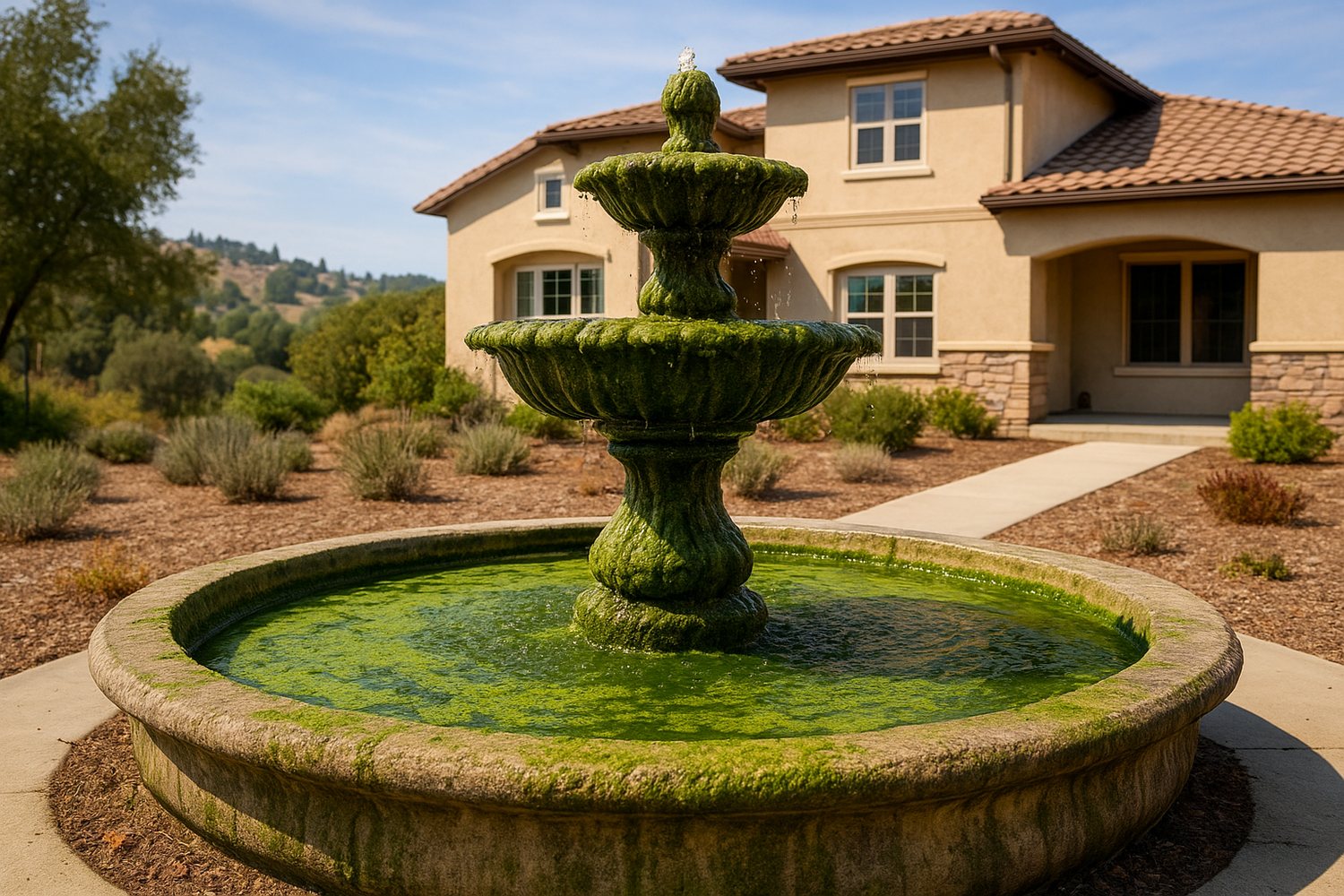
Seasonal Water Feature Care: Rocklin-Area Maintenance Checklist
Stay ahead of water feature care year-round with this targeted maintenance checklist, built for the Sacramento, Placer, and El Dorado county climate.
Well-cared-for water features deliver visual calm, enjoyment, and lasting value. Use this seasonal checklist to keep your pond, fountain, or waterfall beautiful and healthy—year after year.
Understanding Local Challenges
Water features in Rocklin, Roseville, Granite Bay, Folsom, and Auburn see heavy sun, hard water, and seasonally dry air. These local conditions influence everything from algae growth to equipment wear. Start your maintenance with this regional context in mind.
In summer, high temperatures accelerate evaporation and algae proliferation, making regular checking essential. Colder months pose their own problems, with leaves and debris clogging pumps and lines. Knowing what your water feature faces throughout the year builds better decision-making.
Awareness of local water quality, temperature swings, and plant debris helps prioritize the most critical seasonal tasks. This regional-first approach ensures efficient upkeep that maximizes the longevity and beauty of your installation.
- High solar exposure boosts algae cycles
- Seasonal leaf drop causes blockages
- Hard water may leave mineral deposits
Find more details, techniques, and troubleshooting tips on ourWater feature maintenance and repairpage.
Spring: Clean, Inspect, Restart
Spring is the perfect season for a deep clean and system check. Remove winter’s accumulated debris, scrub surfaces, and rinse out reservoirs if needed. This prevents decaying leaves and organic matter from fueling excess algae as temperatures rise.
Inspect pumps, seals, and filters for damage caused by temperature swings or over-winter stagnancy. Replace worn parts and reassemble with proper alignment. Don’t forget to check flow rates and water clarity after restarting the system.
Early spring is also a great time to check for leaks that may have developed during dormancy. Addressing these concerns now prevents water waste and reduces mid-season disruptions.
- Net out all visible leaves and debris
- Clean or replace pre-filters
- Test water pump for normal operation
Summer: Prevent, Monitor, Adjust
With extended sun and heat, your priorities shift to water clarity, algae control, and keeping equipment cool. Regularly remove string algae and monitor for mineral buildup on rocks and fountains. These are common in our hard water climate and can permanently stain stone.
Frequent evaporation may drop water levels. Top off as needed, ideally using a hose filter to minimize new mineral deposits. Keep an eye out for persistent cloudy water, as it signals the need for chemical balancing or filter maintenance.
Adjust your maintenance routine to summer’s demands by checking pumps, timers, and automatic water systems every week. Promptly addressing any minor issues in peak season avoids bigger problems later.
- Skim and remove string algae weekly
- Check and top off water weekly
- Inspect for mineral deposits and scale
| Task | Spring | Summer | Fall | Winter |
|---|---|---|---|---|
| Remove debris | Yes | Yes | Yes | As needed |
| Check pumps/filters | Yes | Yes (weekly) | Yes (weekly) | Yes (after storms) |
| Test water chemistry | Yes | Yes | Monthly | Yes |
| Inspect for leaks | Yes | Yes | Yes | Yes |
| Prune plants | Yes | As needed | Yes | Yes |
| Algae control | As needed | Weekly | Rarely | Rarely |
Fall: Debris Management
Autumn means more organic material entering water features. Leaves, needles, and twigs quickly clog intakes and reduce circulation. Use netting or covers to minimize cleanup, and be proactive about regular debris removal.
Check your pumps and filters often, as blockages develop fast in this season. Fall is also a good time to thin aquatic plants if present, so they don’t drop excess organic matter. Avoid letting dense plant growth overtake the system, as it invites decay.
After every windy spell or storm, inspect the area around your water feature. Promptly clearing debris prevents clogs, pump failures, and cloudy water—maintaining both appearance and health.
- Install temporary netting when leaves drop
- Remove large debris with a net weekly
- Prune back aquatic plants before winter
Winter: Protect and Prepare
While our area rarely freezes hard for long, water features do require some winter preparation. Remove or secure pumps that might be at risk of freezing. Lowering water below vulnerable plumbing lines is wise for larger systems.
Reduce or stop feeding fish in ponds as temperatures dip—digestion slows and uneaten food fouls water. Winter is also a time to trim back marginal plants, remove dying foliage, and watch for blockages caused by fallen branches.
The focus is on passive maintenance: minimize risk and keep things tidy. Inspect your system after every major storm, and be on alert for damage after especially cold nights.
- Secure or remove above-ground pumps
- Trim aquatic plants as growth slows
- Check after every strong storm
For inspiration and specifics on all available options, browse our complete list ofWater Features.
Water Quality: Monitor and Balance
Clear, healthy water is the foundation of great water feature performance. Test your water regularly for pH, alkalinity, and hardness. Hard water in Placer, Sacramento, and El Dorado counties makes regular checks essential.
Algae explosions and cloudy water often result from imbalances in chemistry or excessive nutrients. Use appropriate, locally recommended algaecides or conditioners only when needed, and avoid over-application.
Routine monitoring enables you to spot problems early before they escalate to repairs. Documentation also helps when troubleshooting recurring issues or working with a professional for diagnosis.
- Test water monthly for pH and hardness
- Add conditioners if mineral content rises
- Limit fertilizer use near water features
Equipment Upkeep for Longevity
Well-maintained pumps, filters, and lighting extend the life of your water feature. Schedule time each season to inspect and clean all mechanical components, replacing parts that show excessive wear.
Look for signs of worn impellers, loud pump operation, or flow reduction. Address electrical safety by checking all outdoor connections for weatherproofing while the system is off. Keeping spare fuses and gaskets on hand can help avoid outages.
Correct, seasonal equipment care prevents costly breakdowns and maximizes consistent performance year-round. A reliable water feature is the result of proactive—not just reactive—attention.
- Check pump seals and impellers each season
- Inspect electrical connections after storms
- Replace UV bulbs annually if installed
Recognizing When to Call a Professional
Some water feature challenges—persistent leaks, chronic pump failure, or rapid water loss—warrant expert attention. Attempting complex repairs without the right knowledge or tools may make problems worse.
If you notice unexplained fluctuations in water chemistry or electrical problems, it’s often safest to consult an experienced contractor. Reputable professionals offer diagnosis, repair, and update options specifically tailored to our Northern California environment.
A good rule: if basic cleaning and inspection don’t solve the problem or if you’re unsure about safety, call in expertise. Preserving the value and function of your landscape feature is always worth the right help.
- Persistent leaks or unexplained water loss
- Major pump failures or electrical issues
- Recurring chemical imbalance
Ready for a walk-through or a seasonal checkup?Request a consultationwith the California Hardscapes team.
Planning a water features project?
Call or text 916-741-0633, or email sales@californiahardscapes.com with your address, a short description and a few photos, and we will arrange a consultation.