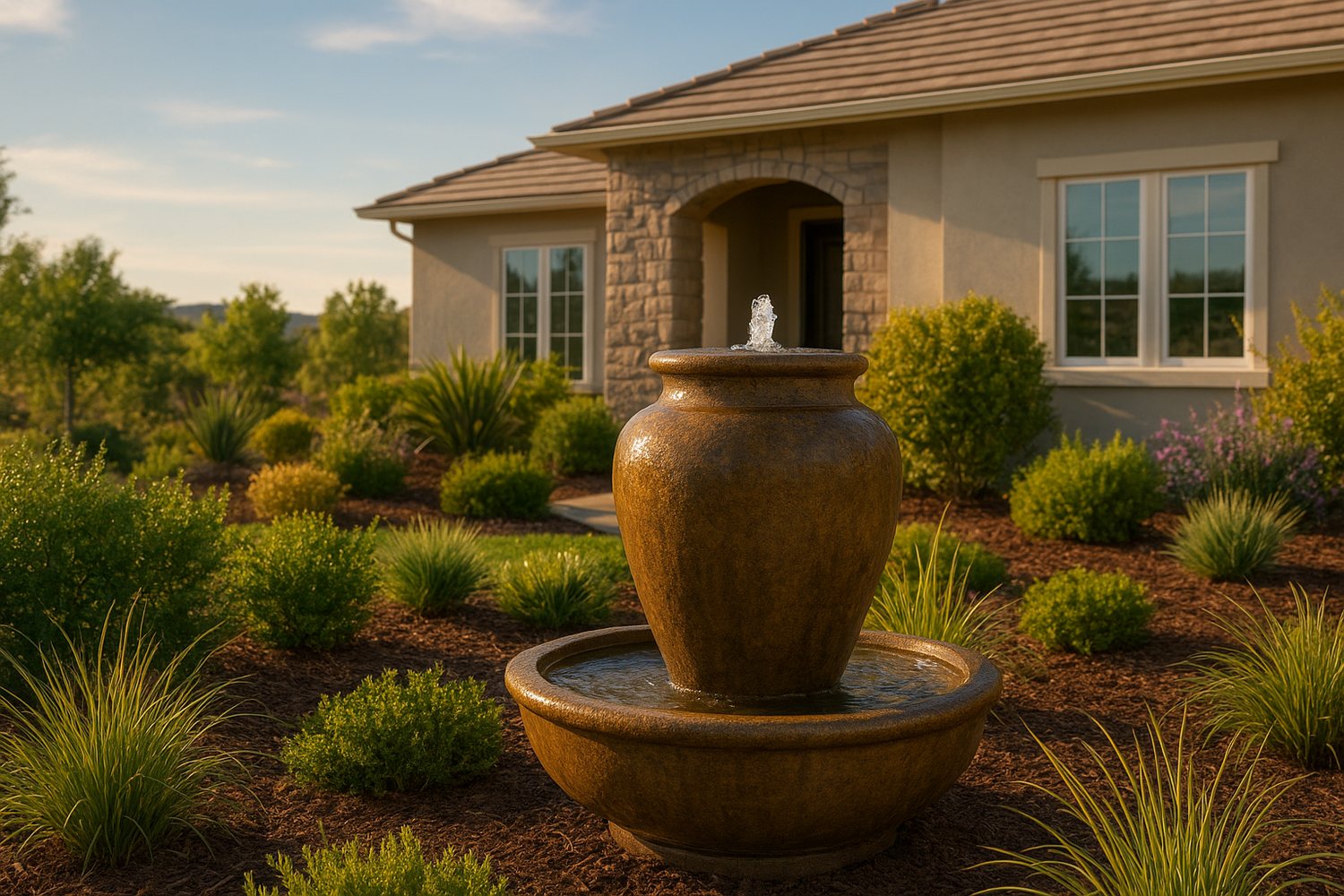
Unseen Elements of Water Features: Pumps, Basins, and Plumbing
The beauty of a water feature relies on hidden components under the surface. Learn what keeps your fountains and waterfalls running smoothly.
Most people notice the beauty of a bubbling fountain or a graceful waterfall, but the real magic happens below the deck. Understanding the unseen parts of your water feature helps ensure lasting enjoyment and smart investment.
What Makes a Water Feature Tick?
Every eye-catching water feature relies on a set of hidden components working around the clock. Pumps, underground basins, and the right plumbing keep everything moving and in balance. If you’re considering a fountain, pond, or waterfall, understanding these elements from the start makes you a more informed homeowner.
While the visible design matters, it’s the equipment you never see that really ensures reliable operation. Most water features found in Rocklin, Roseville, Granite Bay, and the wider Placer region are engineered for this unique climate, where hot summers demand careful planning behind the scenes.
A little knowledge up front can give you peace of mind. Make sure to discuss the invisible essentials with your contractor, especially when it comes to materials, access, and long-term maintenance. This is where decades in concrete and outdoor construction, like the team at California Hardscapes, make all the difference.
To learn more about custom installations and technical options, visit ourWater Featurespage.
The Heartbeat: Choosing the Right Pump
The pump is the powerhouse of your water feature. It circulates water, prevents stagnation, and keeps your system healthy. Not all pumps are created equal—each style of feature, from a small bubbler to a dramatic pondless waterfall, calls for a specific type and capacity.
Local conditions matter, too. Pumps in the Sacramento and Placer County climate need to withstand summer heat and occasional cold snaps, meaning energy efficiency and durability should always be part of the discussion. Look for pumps rated for 24/7 use with solid service records.
Quiet operation is another priority in backyard settings. Ask about submersible versus external pumps, and be sure any chosen model is appropriate for your planned water volume and available power supply. Proper sizing can reduce energy costs and extend the life of your investment.
- Submersible pumps are easier to hide, quieter, and simple to service.
- External pumps offer higher efficiency for larger water features.
- Always size pumps based on water volume and vertical lift needed.
Basins: The Workhorse You’ll Never See
The basin acts as the reservoir, quietly storing water beneath rocks, grates, or decorative elements. Properly installed, it won’t just hold water—it will include overflow protection, debris screens, and simplified access points for maintenance.
Materials matter for the unseen basin. Reinforced plastic, heavy-duty liners, or even concrete pads are all common in our area, especially where local soils or tree roots can impact durability over the years. The right liner and reinforcement cut down on leaks and complications.
Basins in professional builds typically sit below ground level, so their strength determines how long your system runs trouble-free. In areas with clay-heavy or shifting soils, like Folsom and Auburn, attention to compaction and drainage is just as important as basin material itself.
- Basins should have easy-access lids or grates for cleaning.
- Proper drainage prevents basin overflow and potential damage.
- Look for high-quality liners resistant to punctures and UV degradation.
Plumbing: Invisible, Indispensable
Good plumbing isn’t just about running hoses; it’s about using the right size and material to ensure years of worry-free use. Flexible PVC, rigid pipe, and watertight fittings all play a role, depending on the demands of your particular water feature.
Routing is key. Plumbing lines must be installed with future accessibility and freeze protection in mind. In the foothills of El Dorado County, cold snaps occasionally require extra insulation or deeper burial, while in lower, warmer areas, UV exposure is a bigger concern.
Reliable valves, unions, and backflow prevention are often overlooked. Professional-grade parts aren’t always visible, but they make the difference between a system that needs constant tinkering and one that simply works as intended.
- Use Schedule 40 PVC or better for buried lines.
- Install unions for easy winterization or repairs.
- Plan for future upgrades with flexible routing where practical.
| Component | Primary Role | Material Options | Climate Tips |
|---|---|---|---|
| Pump | Circulates water | Plastic, Stainless Steel | Use energy-efficient, heat-rated models |
| Basin | Stores water | Reinforced plastic, liner, concrete | Install below frost level in colder areas |
| Plumbing | Moves water between feature and basin | Flexible or rigid PVC, stainless steel | Use UV-resistant pipe; insulate where needed |
| Valves/Fittings | Control and sealing | PVC, brass, stainless | Access points for quick repairs |
| Screens/Grates | Keep debris out | Plastic, metal | Check seasonally |
Basins, Pumps, and Plumbing: A Side-By-Side Look
Understanding the differences between the main hidden water feature components helps you ask better questions and make smart choices. Here’s a quick side-by-side comparison tailored for Placer, Sacramento, and El Dorado County outdoor spaces.
Nothing is ‘one-size-fits-all’—site conditions, feature style, and your preferences all shape the best choices for your property.
Consulting with a full-service contractor who understands our unique local needs ensures your water feature’s invisible parts are as durable and dependable as the parts you see every day.
Explore the full range of choices by browsing ouroutdoor water feature optionsoverview.
Maintaining What’s Under the Surface
With thoughtful design, much of the invisible system will ask little of you. Simple steps—checking your pump basket, clearing screens, keeping an eye out for leaks—can add years to your system’s useful life. Most modern units are built for straightforward seasonal upkeep.
Professional servicing isn’t required for daily operation, but periodic reviews by an expert can help avoid bigger headaches down the road. If you hear a change in sound, notice water loss, or see cloudy water, it’s time to investigate.
For homeowners in this region, ask your installer about water quality, especially with hard water or irrigation runoff. These local realities can affect performance, so choose components rated for your conditions.
- Inspect for debris after high winds or storms.
- Schedule a professional checkup if water clarity declines.
- Ask about local water treatment options if needed.
How This Climate Affects Hidden Water Feature Parts
Our Mediterranean climate—warm, dry summers and cool, wet winters—means water feature systems must be robust and adaptable. UV-resistant parts, protected plumbing, and deep-enough basins are crucial for longevity in this part of California.
Evaporation rates can be higher in inland valleys during peak summer, so larger basins or auto-fill options are worth considering. Freeze-thaw cycles are rare but not unheard of, especially in higher elevations like Auburn or El Dorado County communities.
Discuss shaded placement, runoff management, and seasonal shut-off strategies with your builder. The right design reduces maintenance and protects your equipment for years to come.
Getting the Details Right with a Professional
There’s value in partnering with a team that looks beyond appearances. Expert installation covers every angle—soil, code, energy, and access for upkeep—so you spend less time on troubleshooting and more time enjoying your new retreat.
Licensed, bonded, and insured local contractors know local soils, climate, and construction standards. This added peace of mind means the infrastructure below your water feature is as solid as the materials above. It’s an investment not just in beauty, but in overall property integrity.
When you’re ready to create a custom water feature, be sure your questions dig beneath the surface. The right prep means more relaxation and less repair over the years—as time tested by builders with deep local roots.
Ready for specifics? Request your tailored design consultation using ourcontact form.
Planning a water features project?
Call or text 916-741-0633, or email sales@californiahardscapes.com with your address, a short description and a few photos, and we will arrange a consultation.