Boulder Retaining Walls: Lasting Beauty, Reliable Strength
A boulder retaining wall brings unmatched natural beauty and rugged stability to California foothill landscapes. Explore if this solution fits your yard.
Why Choose a Boulder Retaining Wall?
Best for: Best for homeowners who want a natural look, have moderate to steep slopes, and value long-term stability and minimal future maintenance.
Boulder retaining walls provide a natural, timeless way to terrace and stabilize slopes while blending seamlessly into California’s foothill landscape. Unlike manufactured blocks, large boulders seem as though they’ve always belonged—especially alongside oaks, native grasses, and granite outcrops common in Rocklin, Roseville, Granite Bay, Folsom, and Auburn. Boulder walls deliver structure without looking manufactured, letting your landscape feel both cared-for and wild.
A well-constructed boulder wall doesn’t just hold back earth; it creates planting pockets, seating, or stepping points, and provides homes for beneficial insects and lizards. Planted up strategically, these walls soften visually with age, helping control erosion and runoff while tucking discreetly into the terrain. The craft lies in careful stacking, proper drainage, and choosing each boulder’s placement for both stability and beauty.
However, boulder walls are an investment. Access for heavy equipment, the skill involved in selecting and placing oversized stone, and the need for correct subgrade preparation mean that shortcuts can undermine both looks and safety. At California Hardscapes, we don’t compete on being the cheapest. We compete on quality, integrity, and results that exceed expectations. Done right, boulder retaining walls will serve your property for generations—and look naturally spectacular every step of the way.

Design Options and Boulder Wall Styles
Granite Boulders
Local Sierra granite boulders are a favorite for their toughness and natural mottled tones, from gray to buff. Sourced with weathered surfaces, granite boulders stand up to extreme temperatures and fit landscapes with local geology seamlessly. Their irregular shapes create pockets and shadows that add depth to your yard.
Basalt or River Rock Boulders
Basalt and weathered river rock boulders offer alternative looks. Basalt is dark and relatively uniform, while river rock tends to be more rounded and varied in color. Both give a softer, less-coursed look compared to granite and can be used for walls with a sense of age or organic flow.
Stacking Patterns
Walls may be dry-stacked for a completely natural result, or set with concealed mortar for added stability where soils exert extra pressure. Proper stacking involves offsetting joints and ‘keying’ boulders deep into the slope—making sure no long seams can slip or shift over time.
Height and Terracing
Single, tall walls can be built when access and conditions allow, but terraced boulder walls (multiple short rises) often integrate better into slopes, permit creative planting, and minimize the load on any one structure. Terracing allows walls to contour around established trees and property lines.
Planting Pockets
Boulder walls can be intentionally built with planting pockets—gaps and recesses sized for California natives, succulents, or colorful perennials. These soften the wall, enhance habitat value, and help filter and slow runoff. Drainage medium and soil may be mixed behind pockets for plant health.
Natural Steps and Access Integration
Large, flat boulders can be chosen and placed for use as landscape steps or informal benches integrated into the wall. This is especially helpful where yard access must be maintained or walkways traversing multiple wall tiers are required.
How a Quality Boulder Wall is Built
Every durable boulder retaining wall starts with careful planning and sound engineering principles, tailored to the exact conditions of your site. Nothing is taken for granted, from the first scoop of soil to the last plant tucked between stones. Below are the major steps we follow to ensure your boulder wall not only looks natural, but resists movement, drainage issues, and weather extremes for decades.
- Subgrade preparation: Clear the wall footprint of loose soil, roots, and debris. Excavate a trench well below finish grade, shaped to accommodate the first course of boulders at least 25–50% buried for stability.
- Base installation: Lay a compacted, free-draining crushed rock or gravel base at least several inches thick. This prevents boulder settlement and improves drainage under the wall.
- Staging and equipment access: Bring in boulders sized for the project, sorting them for best fit, color, and texture. Heavy equipment such as excavators or loaders is used to move and precisely place each boulder.
- Stacking and keying: Place the largest, flattest boulders as the bottom course, keying them slightly back into the slope. Each subsequent row is staggered and locked against movement, minimizing continuous vertical joints for long-term integrity.
- Adding drainage: Install perforated drainpipe behind the wall where needed, wrapped in filter fabric and surrounded with gravel. This carries away water, drops hydrostatic pressure, and protects wall stability.
- Planting pockets and backfill: As courses are set, leave selected gaps for future planting. Backfill behind boulders with a well-draining soil/gravel mix, compacted in lifts, to limit future settling and encourage root growth where desired.
- Final grading and cleanup: Shape the area above and below the wall for proper drainage away from structures. Hand-place topsoil, mulch, or additional stone to finish, then clean up all work zones for safety and appearance.

Pros and Cons of Boulder Retaining Walls
Strengths
- Natural, timeless appearance that complements foothill and oak woodland landscapes.
- High structural stability and mass—resists earth movement when properly built.
- Low maintenance compared to timber or block—no rotting, warping, or complex repairs.
- Can include planting pockets and terraces, supporting garden biodiversity and aesthetics.
- Durable in harsh climates—stands up to 100°F+ heat, freeze-thaw, and heavy rain without visible aging.
Trade-offs
- Access for heavy equipment is required; not suited to tight landscapes or limited entry conditions.
- Higher upfront cost due to material volume, machinery, and skilled labor compared to some other wall systems.
- Wall alignment and finish are less uniform—some owners may prefer the crispness of blocks or poured concrete.
- Professional installation is essential; poorly placed boulders can shift, settle unevenly, or cause drainage issues.
Boulder Retaining Wall Costs and Factors
Boulder retaining walls are a premium investment designed for long-term value and performance. While labor- and material-intensive—especially for moderate to tall walls—they deliver structural and aesthetic returns few other systems can match. Costs vary widely by site conditions, wall height, boulder access, and detailed design choices. California Hardscapes never cuts corners on prep or placement: your wall will be built as if it were our own home, with no detail overlooked.
- Wall height and total linear footage—the taller and longer, the more labor and materials involved.
- Type and size of boulders selected—larger, well-shaped stones tend to cost more but provide greater stability.
- Site access and equipment needs—tight lot lines, established trees, or steep slopes complicate delivery and placement.
- Soil type and drainage conditions—clay or decomposed granite subgrades may require extra base prep or larger boulders.
- Complexity of wall design—terraces, curves, built-in steps, or custom features add to time and stone requirements.
- Extras and finishes—planting pockets, soil amendments for planting zones, and cleanup needs will influence final scope.
Caring for Your Boulder Retaining Wall
Once properly installed, a true boulder wall requires little ongoing maintenance. Occasionally inspect after heavy rains or freeze-thaw cycles for any signs of movement or unusual settling. Clear clogged drainage outlets promptly and remove weeds or debris that could impede water flow. Pruning back enthusiastic plantings keeps pockets visible and the structure clear. Annual walk-throughs to spot and address minor concerns will help your wall look its best for decades.
Typically, boulder walls do not require resealing. Unlike concrete or manufactured block, natural stone is left exposed to age and weather gracefully. If the wall includes integrated lighting or drip irrigation for plants, check these systems seasonally. Most properly engineered and installed boulder walls will last far longer than timber or block walls—often 50 years or more, especially where base prep and drainage have been done right. The main factors influencing lifespan are the underlying soil, quality of installation, and adequacy of water management for the site.
Compare other options

Poured concrete retaining walls
Explore poured concrete retaining walls for Rocklin homes: engineering, finishes, drainage, costs, pros and cons from California Hardscapes’ experts.
Explore →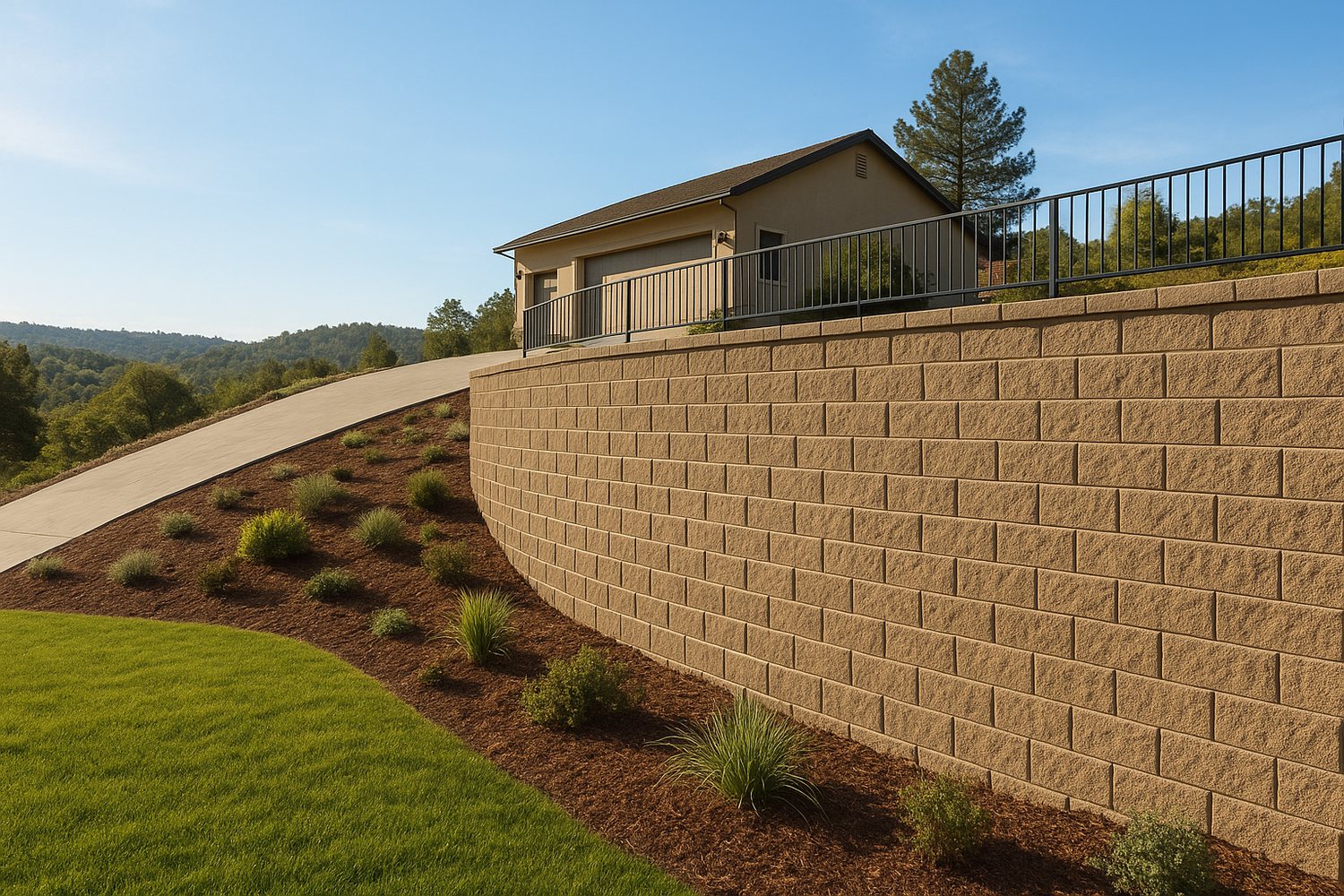
Tall and engineered retaining walls
Taller retaining walls and walls with loads above (driveways, structures, slopes).
Explore →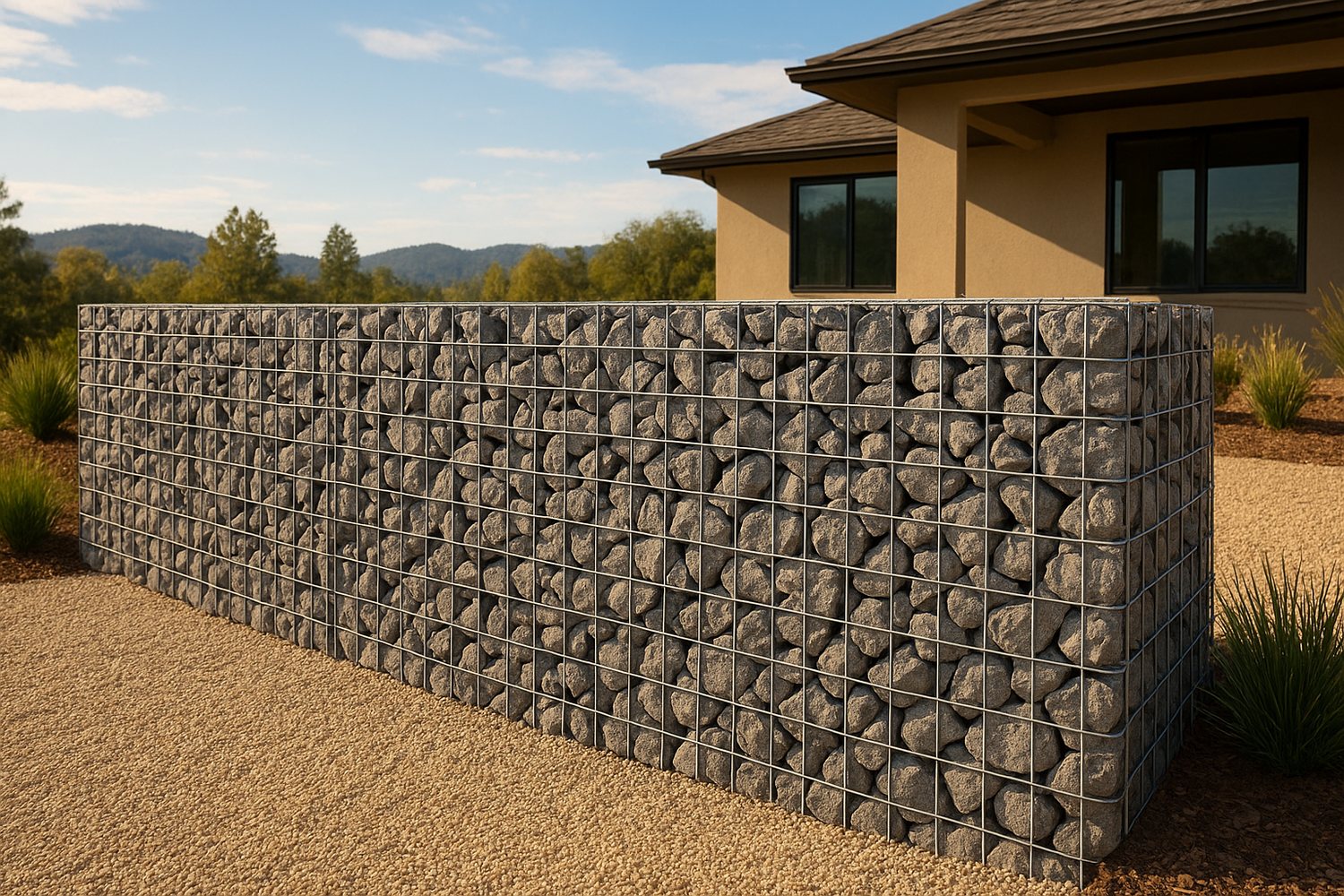
Gabion walls
Discover gabion retaining walls in Rocklin: natural stone in wire baskets, built for drainage, durability and style. Honest pros, cons, and expert guidance.
Explore →Boulder Retaining Walls: Frequently Asked Questions
How tall can a boulder retaining wall be in residential yards?
Most city and county codes allow boulder retaining walls up to a certain height without full engineering, but requirements vary by address and purpose. Typically, walls over 3–4 feet need specific review, possible drainage provisions, and sometimes signed engineering documents. Terracing can help achieve greater total elevation while complying with local rules. For complex or high-load situations, we recommend consulting with geotechnical and structural professionals early in the design process.
Can boulder retaining walls work in small or narrow backyards?
Boulder walls are best suited for spaces with adequate access for equipment and room for proper base and wall construction. In tight lots, maneuvering large rocks safely may be impossible or cost-prohibitive. However, for modest-sized slopes where at least one piece of machinery can reach, creative placement and careful design may still allow a natural stone wall, especially if combined with smaller accent stones or terraces.
Are boulder walls safe for supporting patios, driveways, or structures?
Yes—when properly engineered and installed, boulder retaining walls can support moderate loads above, including patios or lawn areas. For dense structures like driveways or large decks, extra design considerations are needed, such as geogrid reinforcement, larger boulders, and engineered drain systems. Always disclose your plans for use above the wall early so we can coordinate with structural professionals if needed.
Which plants are best for boulder wall pockets in our region?
Drought-tolerant California natives, small succulents, trailing verbenas, and Mediterranean perennials all thrive in boulder wall planting pockets. These species handle reflected heat and require minimal watering once established. Avoid vigorous, deep-rooted trees or large shrubs near the wall, as their roots could disturb the stonework over time. We can provide recommended plant lists suited for clay or fast-draining soils upon request.
How do you ensure proper drainage behind a boulder wall?
We install free-draining gravel backfill behind the wall, often with a perforated drainpipe at the base to intercept and redirect groundwater. Filter fabric keeps soil out of the gravel. Proper grading above the wall ensures water sheds away efficiently. In extra wet areas or clay soils, extra drain outlets or weep holes may be added. These steps collectively prevent water buildup that could shift or undermine the boulders over time.
How long does it take to build a boulder retaining wall?
The timeline depends on the length, height, and access conditions of your site. A typical residential wall may be constructed over several days to two weeks, allowing for site prep, stone delivery, precise placement, drainage installation, and finish grading. Weather, equipment access, and material delivery schedules can sometimes extend this estimate, but rushing the process risks both appearance and safety.
Will a boulder wall require permits or HOA approval?
In almost every case, local rules govern the size, proximity to property lines, and design of retaining walls, especially those over a certain height. Many neighborhoods have HOA requirements as well. We advise checking with your local building department and HOA early in your planning. We are happy to assist in providing drawings or construction details for your review and approval process.
What should I do before contacting California Hardscapes?
Gather a few wide-angle site photos, note access points for equipment, and think about the purpose of your wall—erosion control, seating, or pure landscape. Measure the approximate length and estimated height of the slope to be retained. Also, check for major trees or utilities in the area. Emailing us with this information helps us quickly assess options and have a productive first conversation about your project.
Ready to Explore Boulder Retaining Walls?
Email sales@californiahardscapes.com with your address, a short description of your slope or yard, and several photos. We’ll respond promptly with expert feedback on your options and what’s involved.