Drought-Tolerant Landscaping for Northern California Homes
Rethink what’s possible for your yard. Smart, drought-tolerant landscaping delivers beauty, resilience, and sustainability—no shortcuts, just premium results.
Why Go Drought-Tolerant? Northern California’s Smarter Yard
Best for: Homeowners who want curb appeal, long-term savings, and peace of mind about water use—without sacrificing quality or outdoor enjoyment.
California’s climate—hot, dry summers punctuated by winter rain—demands more than just a pretty yard. Watering restrictions, rising bills, and unreliable rainfall mean old-school lawns and thirsty landscapes are increasingly impractical. Drought-tolerant landscaping lets you have an attractive, inviting outdoor space that fits the reality of where we live, from the sun-baked slopes of Folsom and Auburn to oak-shaded neighborhoods in Granite Bay and Roseville.
At California Hardscapes, we draw on decades of experience to design and build drought-tolerant landscapes that look exceptional, endure the seasons, and align with your local climate. We use Mediterranean and California native plants that thrive here, arrange them strategically by water needs (hydrozoning), and install reliable, efficient irrigation systems. Mulch, improved soil, and professional drainage keep everything robust with less maintenance, less water, and fewer pest issues.
This approach isn’t for everyone: ditching the greenest lawn or high-water hedges means making design choices that fit our region’s natural rhythms. But when done right, drought-tolerant landscaping not only reduces water use and maintenance, it can bring year-round color, wildlife, and a deep sense of place. And with potential rebates and neighborhood approval, it’s a sound investment—one we approach as if each yard were our own.

Key Elements and Design Options for Water-Wise Yards
Mediterranean & California-Friendly Plants
We select from olives, lavender, rosemary, manzanita, ceanothus, sages, succulents, and ornamental grasses. These plants suit our climate, resist local pests, and provide texture, fragrance, and color throughout the year—without demanding constant irrigation or chemical care.
Hydrozoning: Grouping by Water Need
Hydrozoning means arranging plants in zones according to their water requirements—thirstiest near the house, tougher species on outer edges. This reduces water use, simplifies irrigation, and keeps plants healthier by avoiding over- or under-watering.
Mulch: Organic and Stone Options
We use shredded bark, wood chips, or decorative gravel and decomposed granite as mulch. Mulch keeps roots cool, blocks weeds, evens out soil moisture, and cuts evaporation rate. It also brings a finished, cohesive look to your yard.
Drip Irrigation Systems
Modern drip irrigation delivers water precisely where it’s needed. Installed on top of (or beneath) your mulch layer, these systems cut waste, improve plant health, and can run during watering restrictions. Timers and pressure regulators ensure consistent, efficient use.
Seasonal Interest, All Year
Drought-tolerant doesn’t mean dull. Careful plant selection and layout offer blooms in spring, colored foliage in fall and winter, and structure even in the dry months. We design for year-round interest so your yard always looks intentionally beautiful.
Available Rebates and Local Incentives
Many area water providers offer landscape rebates or irrigation equipment incentives. These can offset the cost of removing turf or installing efficient irrigation. Check directly with your utility before you start—requirements change often and vary by address.
How We Build a Drought-Tolerant Landscape
Building a water-wise yard takes as much technical know-how as it does design insight. Our process combines California-friendly plants with solid installation practices—no shortcuts, so your landscape performs for years. Here’s how an expert crew delivers the difference.
- Site Preparation and Subgrade: We remove old turf and debris, then grade the soil carefully for drainage, addressing slopes and keeping water away from structures. Compacted subgrades provide stability for paths, patios, and mounded beds.
- Soil Conditioning and Base: We improve poor native soils with compost or amendments as needed and install landscape fabric where appropriate. For patios or DG paths, a stable, compacted gravel base ensures long-lasting results.
- Layout and Forming Beds: We mark plant beds, lay out hydrozones, and build naturalistic berms or mounds. Borders and edges are defined using stone, metal, or concrete for clean, permanent separation from walks or turf-replacement areas.
- Irrigation Trenching and Installation: We trench for drip tubing, install emitters at plant root zones, run control wire, position valves, and add timers and filters. Zones are balanced for pressure and coverage before mulching.
- Planting: We set out plants per plan, ensuring correct spacing and orientation. Plants are watered in deeply to establish roots; stakes are used for young trees or larger shrubs to anchor them in our windy climate.
- Mulching and Final Grading: We spread mulch evenly, making sure to keep it away from stems and trunks. Final grading confirms positive drainage, and any remaining debris is cleared for a finished appearance.
- Walkthrough and Adjustments: After installation, we test irrigation, check every emitter, and walk the landscape with you. Any adjustments for slope, microclimates, or HOA guidance happen before the job is signed off.

Benefits and Drawbacks: The Real Trade-Offs
Strengths
- Cuts outdoor water use dramatically—often by 30–70% compared to traditional turf-heavy yards.
- Reduced weekly mowing, weeding, and chemical treatments for lower long-term maintenance needs.
- Resilient to drought and local pests, and less likely to fail during watering restrictions or heat waves.
- Improved curb appeal and long-lasting value, especially when planted and installed to suit the neighborhood.
- Can support local birds and pollinators, enhancing biodiversity and bringing your yard to life year-round.
Trade-offs
- Upfront installation cost can be higher than standard turf or basic beds—quality plants, irrigation and mulch aren’t cheap.
- Planting areas may look sparse for the first 1–2 years as new species fill in; patience is required for mature beauty.
- Some HOA or city rules may restrict turf removal, front yard grading, or certain plant types—advance review is necessary.
- Not all drought-tolerant plants are evergreen, so seasonal changes may produce less green or bare patches in winter.
What Determines the Cost of Drought-Tolerant Landscaping?
Investing in a water-wise landscape is just that: an investment. Done right, you’re paying for careful planning, high-quality materials, skilled labor, and a system that’s meant to last—not quick fixes. Initial costs can be higher than traditional options, but long-term water and maintenance savings (plus rebates, where available) make the choice practical and enduring for many local homeowners.
- Size and shape of the area to be landscaped: larger or complex-shaped spaces require more planning, materials, and irrigation.
- Plant selection and maturity: established trees, specialty natives, or large accent plants cost more than small groundcovers or seed.
- Type and depth of mulch or gravel used: organic bark versus premium decorative stone or decomposed granite has different price points.
- Irrigation system complexity: number of drip zones, valve upgrades, timers, filters, and smart controllers influence the budget.
- Hauling, removal, and soil prep needs: removing lawn, dealing with clay soils, tree roots, or poor drainage raises labor and material costs.
- Site features and access: steep slopes, hard-to-reach backyards, utility lines, and need for retaining walls or extra grading all play a role.
Care, Lifespan and Maintenance: What to Expect
Your drought-tolerant yard needs seasonal care, but much less than a thirsty lawn or traditional plantings. For the first year, careful monitoring and deep watering help roots get established—afterward, most plants are fine with occasional drip cycles. Annual mulching, pruning dead stems, and checking emitters for clogs maintains health and appearance. Expect to clean up leaf litter and cut back certain perennials in winter or early spring.
A well-built system can last 10–20 years or more, but several factors affect lifespan: soil conditions, how the irrigation is installed, mulch type and thickness, and the health of trees and shrubs. Drip tubing may eventually need replacement, especially if critters or roots disturb lines. Mulch should be topped up every 1–3 years. With professional installation and regular care, your water-wise landscape stays beautiful and sustainable for the long term.
Compare other options

California native plant gardens
California native plant gardens Rocklin homeowners can enjoy: pros, cons, design options and build details for beautiful low-water yards.
Explore →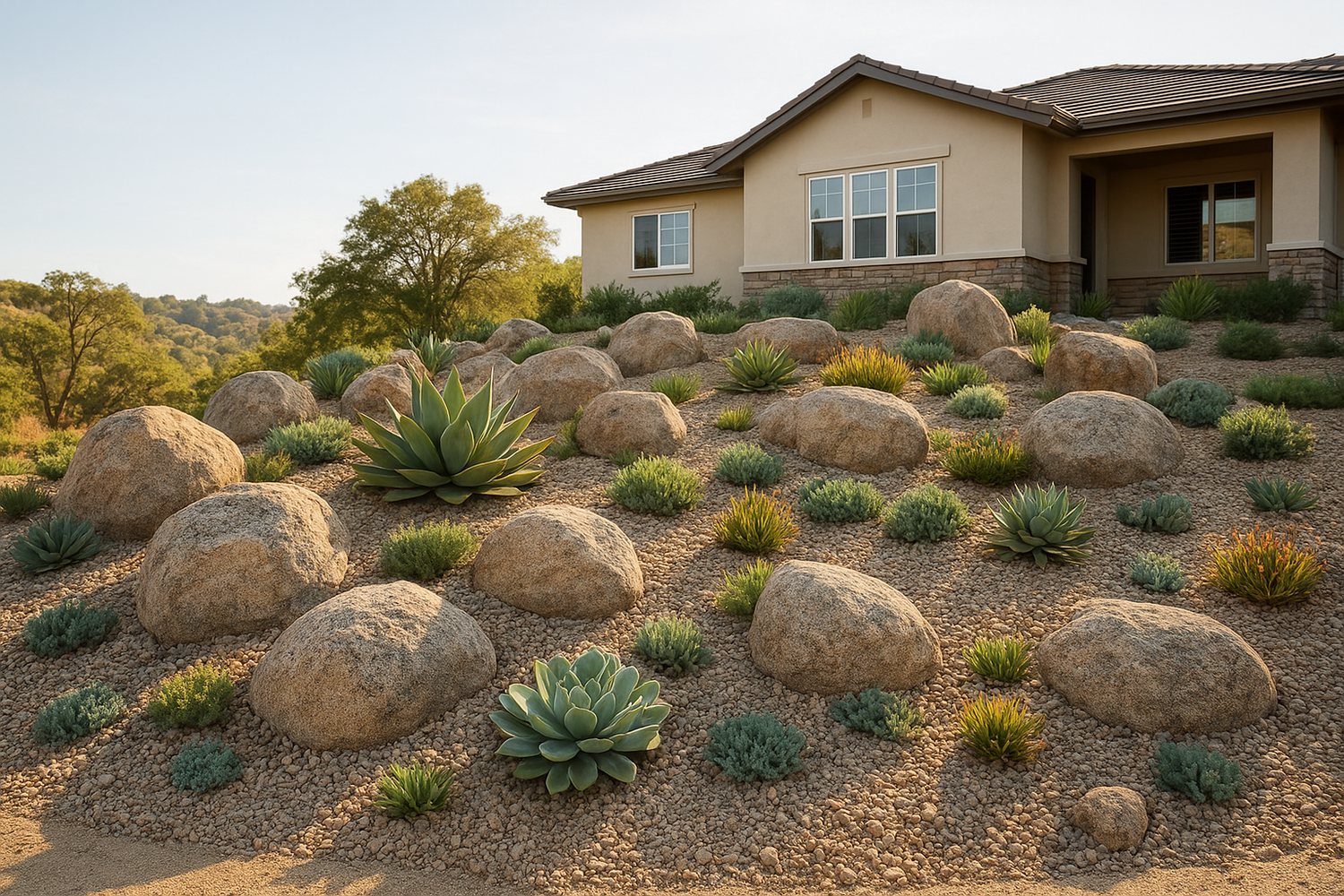
Boulders and rock gardens
Learn how landscape boulders and rock gardens can upgrade your yard. See placement tips, care, pros and cons, and options for Rocklin area homeowners.
Explore →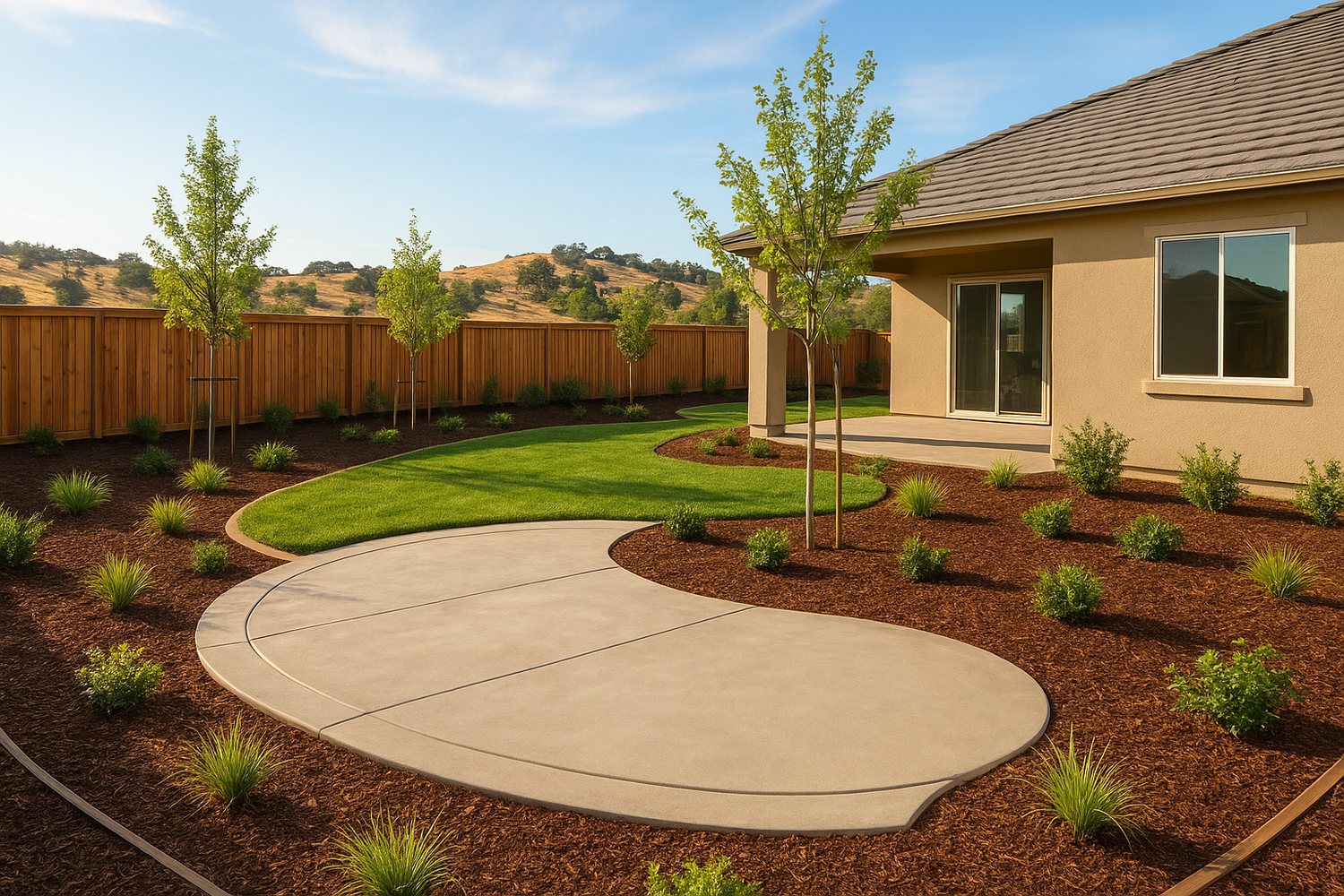
Landscape design and planning
Expert landscape design and planning in Rocklin and nearby. Site analysis, sun/shade, drainage, plant palettes, hardscape integration, built right.
Explore →Frequently Asked Questions about Drought-Tolerant Landscaping
How much water will I save by switching to a drought-tolerant landscape?
Most homeowners in this region see a 30–70% reduction in outdoor water use compared to traditional lawns or high-water gardens. Actual savings depend on factors like your current usage, lot size, plant choices, and irrigation efficiency. After the first establishment year, mature drought-tolerant yards need very little supplemental watering.
What are the best drought-tolerant plants for my area?
The best choices balance beauty with resilience: rosemary, lavender, salvias, manzanita, ceanothus, California fuchsia, olive, ornamental grasses, and reliable succulents. Some homeowners also blend in selected Mediterranean herbs or small fruit trees. Proper placement (sun or shade), soil prep, and grouping by water needs matter as much as species selection.
Do I have to remove all my existing lawn or plants?
No; many water-wise designs mix existing trees, shrubs, or even a small lawn area for pets or play. The key is to reduce turf to the areas you truly use and convert the rest to drought-tolerant beds. Phased approaches are common. During design, we recommend keeping healthy, well-placed trees to maintain shade and microclimate.
How long does a drought-tolerant yard take to install?
Most projects—from removing old lawn to installing plants, irrigation, and mulch—take one to three weeks, depending on size, complexity, weather, and site prep needs. HOA or city reviews can add several weeks, so it’s smart to plan ahead and allow extra time if approvals are needed.
Are there rebates for converting my lawn to a water-wise landscape?
Many local water utilities offer rebates for turf removal or efficient irrigation upgrades, but exact programs and funds change frequently. Before starting, check directly with your provider and confirm the requirements—often you need to apply before removing existing lawn. We can assist with documentation if requested.
Will my new landscape look good year-round?
A thoughtfully designed drought-tolerant yard can offer strong year-round curb appeal, with structure, foliage, and color across all seasons. Some plants bloom in spring, others bring fall or winter interest. There may be periods with fewer flowers or green leaves, but skilled design ensures interest even in the dry season.
Do drip irrigation systems require lots of maintenance?
Drip systems are reliable and efficient, but do need seasonal checks—especially after winter. Clean filters, flush lines periodically, and check emitters for clogs or damage. Reprogram timers for seasonal weather and replace any tubing or parts showing wear. With minimal attention, most homeowners find drip systems easier to manage than sprinklers.
What are the main challenges with drought-tolerant landscaping in our local soils?
Heavy clay and decomposed granite soils common in this region drain poorly and can compact easily. Both issues affect plant health and root growth. We improve soil structure with compost and properly grade for drainage, and carefully position plants to avoid root rot. Different plant species thrive in different soil types; matching them to your site is critical.
Thinking about a Drought-Tolerant Yard?
Email sales@californiahardscapes.com with your address, a brief note about your goals, and a few photos of your current yard. We’ll respond with advice and next steps—no obligation, just straight answers built on decades of real experience.