Gravel & Decomposed Granite Patios: Honest, Pro Guidance for Lasting Outdoor Spaces
Considering a gravel or decomposed granite patio or path? California Hardscapes builds outdoor spaces to last—done right, with no corners cut.
Why Choose Gravel or Decomposed Granite Patios?
Best for: Best for homeowners who want a natural, practical and low-maintenance alternative to concrete or pavers for comfortable outdoor living and paths.
Gravel and decomposed granite patios offer a timeless, inviting surface for outdoor living across Rocklin, Roseville, Granite Bay, Folsom, Auburn, and the foothill communities. These materials feature earthy tones, dynamic textures, and easy drainage, pairing relaxed style with practical function. Whether you want an informal gathering area, a fire pit retreat, or garden pathways, gravel and DG adapt to almost any shape and size.
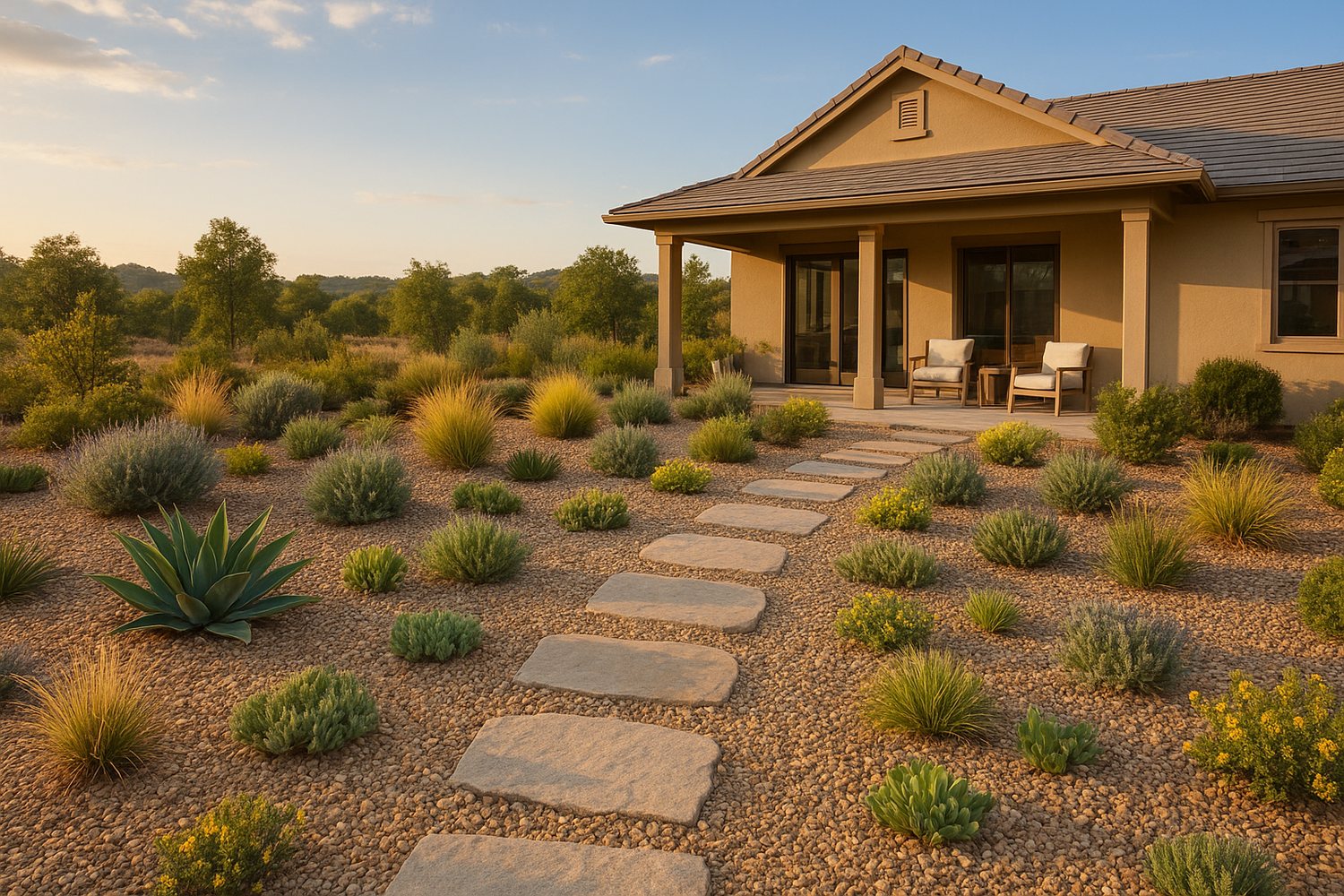
There’s a reason these materials are found in California’s finest public gardens and private estates. Gravel and DG breathe with the land, allowing rainfall to soak in and tree roots to find space. Compared to concrete, they require less invasive prep and offer greater design freedom—think sweeping curves, clean lines, or soft transitions between lawn and plantings. When well-built, the surface remains stable and attractive for years.
However, not all DG and gravel patios are created equal. Quality of installation—from base prep to compaction and thoughtful drainage—makes all the difference. At California Hardscapes, our philosophy is simple: we don’t compete on being the cheapest. We focus on quality, integrity, and results that exceed expectations. Every patio and path is built as if it were our own home, and every option is weighed honestly for your goals, site, and budget.
Design Options for Your Gravel or Decomposed Granite Patio
Stabilized vs. Loose Decomposed Granite
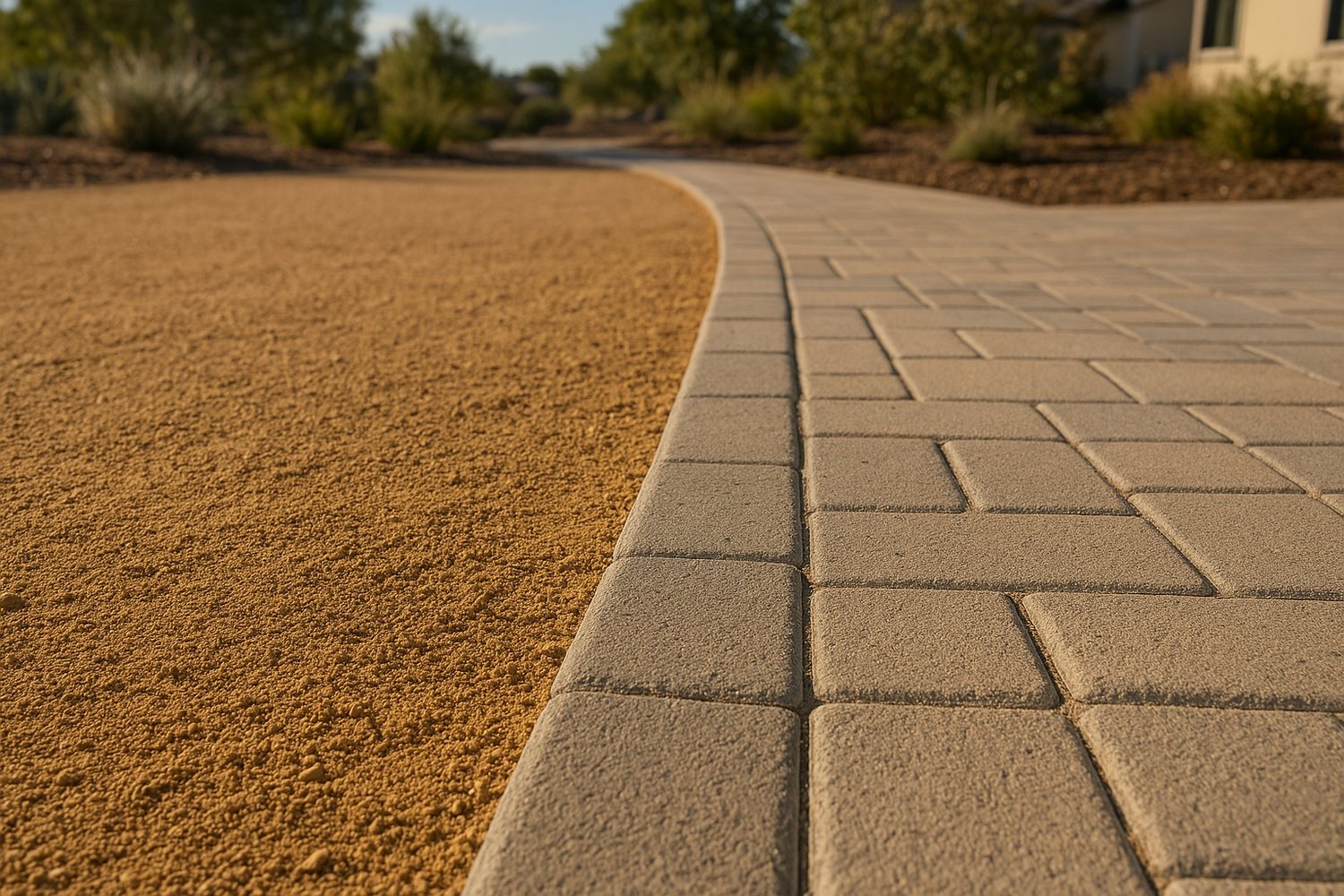
Loose DG offers a natural appearance and soft texture underfoot, but it can track easily and shift over time. Stabilized DG is mixed with a binder before installation, significantly reducing dust and maximizing surface stability. Stabilized surfaces work best for dining areas, main walkways, and locations needing wheelchair or stroller access. Loose DG suits lower-traffic spots or naturalistic garden paths.
Many Sizes and Colors of Gravel
Crushed stone and pea gravel come in several sizes—typical patio gravels range from 3/8” to 3/4”, chosen for comfort and stability. Color choices vary: warm golds and browns, granite gray, or contemporary black. We’ll help you select a blend that complements your home, plantings, and existing hardscape.
Edge Treatments
Proper edging keeps gravel or DG in place and maintains clean lines. Steel edging provides a crisp, modern boundary; concrete curbing adds permanence; poured-in-place borders can match existing patio materials. For more organic transitions, hidden composite edging blends in with groundcover or mulch.
Base and Underlayment Choices
A well-compacted base ensures durability and reduces future rutting or sinkage. Options include compacted class II road base, crushed rock, or a stabilized sand layer. For weed prevention and drainage, quality landscape fabric may be installed under the base—but never directly under DG or gravel, which needs to bond with the foundation.
Pairing with Pavers and Stepping Stones
Mixing gravel or DG with paver pads or oversized stepping stones creates visual interest and better footing in high-traffic areas. Pavers can be set flush or slightly proud for walkways and patios. This pairing allows you to include accents, borders, and practical landing spots for tables, grills, or fire pits.
Fire Pit and Seating Areas
Both gravel and DG are fire-safe and drain well—making them ideal surfaces for fire pits and surrounding seating zones. With a proper compacted base and edging, you’ll enjoy a level, comfortable space that resists weeds, mud, and uneven settling. Easy future reconfiguration is a bonus compared to poured concrete.
How We Professionally Build Gravel and Decomposed Granite Patios
A long-lasting gravel or DG patio doesn’t happen by accident—it’s the result of careful planning, subsurface prep, and expert installation. Here’s how our team ensures strength, drainage, and beauty you can count on. Every step is designed for our region’s soils and climate: no skipped prep, no subpar materials.
- Site Preparation and Subgrade: We excavate sod and soil to the required depth, accounting for base, patio material thickness and any elevation changes. Subgrade is leveled and compacted for stability. Special care is taken to protect tree roots and plan for runoff or drainage pathways.
- Base Installation: A porous, well-compacted base layer is added, typically class II road base or crushed stone, at 3–6” thickness depending on use. Each lift is thoroughly wetted and mechanically compacted to achieve a solid foundation with proper slope away from structures.
- Edging and Forms: Steel, concrete, composite, or natural stone edging is secured along all patio and path perimeters. This prevents migration of gravel/DG and keeps transitions crisp. Board forms may be set for complex curves or borders adjacent to other hardscapes.
- Optional Underlayment: Where needed, a breathable geotextile fabric is placed beneath the base material (not under the surfacing layer) to minimize weed growth while maintaining drainage. Incorrect fabric placement is avoided to prevent slippage and pooling.
- Gravel or DG Placement: Patio or path material is spread in uniform 2–3” lifts. For stabilized DG, the binder mix is installed in several lifts to ensure thorough blending and even compaction. Loose DG or gravel is raked level before rolling or vibratory plate compaction.
- Compaction and Surface Checking: Each layer is compacted using a plate compactor or roller, checking for levelness, correct pitch for drainage, and surface density. For fire pit areas or outdoor kitchens, extra attention is paid to load-bearing and edge details.
- Final Grooming and Clean-Up: The finished surface is raked for texture (gravel) or lightly misted and rolled (DG) to set the top finish. All borders, steps, and transitions are swept clean. Any adjacent irrigation or landscape beds are reinstated for tidy, ready-to-use results.
Pros and Cons of Gravel and Decomposed Granite Patios
Strengths
- Excellent drainage—far better than concrete or solid pavers; water won’t pool in heavy rain.
- More flexible design: curves, organic shapes, and easy pairing with stepping stones or planted areas.
- Minimally invasive installation preserves tree roots and existing landscaping better than full-depth concrete.
- Lower embodied energy compared to concrete; cooler surfaces underfoot in summer, less heat reflected.
- Surface repairs or reconfigurations are straightforward—future garden or layout updates are possible without demolition.
Trade-offs
- Loose DG and small gravel may track indoors or stick to shoes and pets, especially in dry spells.
- Even with edging, some periodic raking and top-up is required to keep the surface level and borders clean.
- Not as perfectly smooth or rigid as poured concrete—wheeled furniture or heavy loads require stabilization or stepping stones.
- Susceptible to minor weed growth or ant burrowing, especially if installation shortcuts are taken or maintenance is neglected.
Cost Considerations for Gravel & DG Patios
Gravel and decomposed granite patios are generally more affordable upfront than poured-in-place concrete or premium paving stones. True costs depend on site conditions, patio design, and installation details. Choosing higher-quality base prep, proper edge treatments, or DG stabilization will increase costs but pays off in fewer hassles and longer life. Like with any hardscape, skipping steps or cutting corners often leads to higher costs down the road for rework or repairs.
- Choice of surface material—e.g., regular gravel vs. stabilized DG; color and material source can impact cost.
- Amount and type of base material required, based on intended use (pedestrian, fire pit area, occasional vehicle access).
- Complexity of shape, curves, borders, and the amount and style of edging (steel, concrete, wood, or stone).
- Access to the work area—tight spaces or significant elevation changes may increase labor or equipment needs.
- Site prep requirements—existing soil quality, tree/utility conflicts, slope correction, and drainage solutions.
- Inclusion of extras such as paver insets, border patterns, drains, built-in steps, or fire pit integration.
Care and Maintenance of Gravel and DG Patios
Routine care for gravel and DG patios is simple: keep surfaces free of accumulations, rake or groom them periodically to fill minor dips, and pull any weeds before they establish. For stabilized DG, an occasional light watering helps set the binder and control dust in our dry months. Edge-based weed growth is almost always related to border gaps or poor base preparation—preventable with quality installation and a bit of vigilance.
Stabilized DG may require resealing or renewal every 3–6 years depending on foot traffic, intense sun, or winter erosion. Lifespan varies with base compaction and exposure to oak leaves, root intrusion, or high ground movement. Correct installation is the biggest factor in minimizing repairs. Gravel patios can be refreshed by adding top-dress material or repairing borders as needed. In most cases, these surfaces can last decades with attentive care and selective spot maintenance.
Compare other options

Paver patios
Paver patios in Rocklin: honest, in-depth guide to patterns, blends, installation, drainage, and care. Decide if a premium patio is right for your home.
Explore →
Porcelain pavers
Explore porcelain paver patios in Rocklin: premium thickness, slip-resistant textures, stone & wood looks, base options, and care tips for patios and pools.
Explore →
Paver and stone steps
Explore expert-built paver and stone steps Rocklin homeowners trust: design, safety, lighting, materials, costs & care by California Hardscapes.
Explore →Gravel & Decomposed Granite Patio FAQs
Is stabilized DG really worth the extra cost?
For high-traffic areas, stabilized DG offers much greater durability, less dust, and easier rolling for furniture or wheelbarrows. It looks similar to loose DG but locks together, resisting rutting and migration. If you want a visually refined, long-lasting patio or main walkway, stabilized DG is almost always the better value in our experience. For informal garden paths or relaxed seating zones, loose DG can be a solid economical choice.
How do you keep weeds out of a gravel patio?
Weeds are a sign of poor base compaction or, sometimes, organic debris accumulating over time. We use a compacted base and, where needed, geotextile fabric under the base (never directly under the gravel, which can slip). Routine raking and quick weed pulling prevent most issues. Overhanging trees or mulch windblown onto the patio should be managed as well.
Can you install DG or gravel patios on a slope?
Yes, but professional site prep becomes even more important. Slope must be managed to ensure surface runoff doesn’t erode the patio or bypass intended drainage. On significant slopes, terraced designs or low retaining borders may be needed. Licensed, bonded and insured contractors grade and compact carefully to lock patio materials in place and prevent future washouts common in local clay or granite soils.
Will gravel or DG patio surfaces get muddy or dusty?
When built with proper base and compaction, both gravel and stabilized DG drain fast and don’t get muddy. Loose DG may give off minor dust in our hottest, driest months, and light surface watering can help. Heavy shade, deep roots, or excessive leaf litter can cause some areas to hold moisture longer, but we account for this in grading and base installation.
How do gravel patios handle our area’s heavy oak leaf and acorn drop?
Oak leaves and acorns are a fact of life in our region. Periodic raking and blowing keep the surface tidy and help prevent leaf mold or nut accumulation. Stabilized DG sheds organic debris easier than loose gravel, and edging keeps material from drifting into nearby beds. Patios sited away from dense canopies will have less clean-up, but all outdoor surfaces here require occasional fall attention.
Can a gravel or DG patio support a fire pit or outdoor kitchen?
Absolutely. Both surfaces are fire-safe and can be built up to support heavy elements, especially with proper compaction and a thicker base in key zones. For permanent fire pit areas, we may recommend extra base, steel edging, or a partial paver inset for stability and long-term performance. Outdoor kitchen appliances should rest on paver or concrete pads for best results.
How long will my gravel or DG patio last?
With quality prep and materials, stabilized DG and gravel patios can last decades. Most maintenance involves minor top-ups of material, retouching edges, and routine grooming. Lifespan depends on foot traffic, weather, tree roots, and drainage. Loose DG areas may need touch-up every few years; stabilized DG holds up longer with fewer repairs if maintained.
Are permits or HOA approvals required?
Requirements vary by city, county, or HOA rules. While many DG or gravel patios do not need full construction permits, local review may dictate maximum heights, edge materials, or setbacks—especially in visible front yards or historic districts. We always recommend that clients check with their HOA or jurisdiction before starting any hardscape project.
Ready to Explore Your Patio Options?
Email sales@californiahardscapes.com with your address, a brief description of your project, and a few photos. We’ll help you determine if gravel or decomposed granite is the right solution for your outdoor space.