Landscape Renovation: Breathe New Life into Your Outdoor Space
Revive overgrown or outdated yards with a knowledgeable, thorough landscape renovation—built with integrity, detail, and pride.
Why Choose Landscape Renovation Instead of Starting Over?
Best for: Best for homeowners with established landscapes that are tired, overgrown, or failing—but still have valuable trees, character, or features worth saving.
If your yard feels more like a chore than a retreat, landscape renovation offers a way to start fresh without sacrificing the mature trees or good bones you already have. Tired lawns, outdated plantings, inefficient irrigation, and crumbling walkways are common in older landscapes—especially in established communities like Rocklin, Roseville, Granite Bay, Folsom, and Auburn. Renovation asks, what’s worth keeping, what needs to go, and how can we bring it all together into a space you love again?
At California Hardscapes, we don’t compete on being the cheapest; our focus is on quality, integrity, and results that exceed expectations. A proper landscape renovation keeps what’s valuable, removes what isn’t, and upgrades the rest so the investment lasts. Every project is overseen as if it were our own home, with careful attention to function, long-term resilience, and how the space will fit your lifestyle—not just a quick, cosmetic change.
Deciding between patching up your yard and committing to a full renovation can be tough. It’s not always the easy choice, but the right renovation delivers value you can see and feel: lower maintenance, improved curb appeal, better water use, and outdoor spaces you want to spend time in. Whether your backyard’s gone wild or your front yard is dragging down the house, we’ll walk you through options, the honest pros and cons, and what’s involved in doing it right the first time.

Practical Choices and Upgrades in Landscape Renovation
Selective Plant Removal and Retention
We carefully identify which trees or large shrubs add value, shade, and character—and which are unhealthy or poorly placed. Overgrown groundcover, failing turf, and aggressive or problematic plants are removed, while established trees or irreplaceable specimens can be protected and incorporated into the renewed design.
Reimagined Irrigation Systems
Old, leaky, or inefficient irrigation gets replaced or upgraded for modern needs—especially when water bills and droughts matter. Drip systems for beds, efficient sprinklers for refreshed lawns, and updated controllers ensure healthier plants and less waste. Your existing system is assessed and strategically improved, not blindly replaced.
New Planting Beds and Mulch
Fresh planting beds with well-chosen soil amendments and high-quality mulch improve plant health, weed control, and moisture retention. Plants are selected to thrive in our climate and sun exposure, with beds shaped to complement the existing home and hardscape. Mulches—from natural bark to stone—are chosen for durability and appearance.
Path and Walkway Renewal
Old concrete, cracked stepping stones, or outdated borders are upgraded, replaced, or relaid. Options range from modern pavers to simple gravel or decomposed granite, depending on your style, usage, and budget. Thoughtful pathways create flow and connect various areas of the yard safely and attractively.
Outdoor Lighting Upgrades
Integrated, energy-efficient LED landscape lighting brings out the beauty of your new beds, highlights specimen trees, and makes paths safer at night. Upgrading or adding lighting is included in the renovation plan, with fixtures chosen for reliability, style, and minimal maintenance.
Smart Phasing and Budget Allocation
A full overhaul can sometimes be phased—removing major problems first, addressing critical irrigation or safety issues, and completing finishing touches in stages as time and budget allow. Smart phasing considers immediate needs, long-term vision, and realistic maintenance schedules.
How a Top-Tier Landscape Renovation Gets Built
A successful landscape renovation isn’t a weekend job. The difference is in the details—site prep, irrigation, soil work, and building beds, paths, or lighting right. Each stage is planned and executed by licensed, bonded and insured contractors who understand both the technical and creative aspects. Here’s how quality-focused pros build out a landscape renovation from start to finish:
- Assessment and Site Prep: Carefully evaluate which elements stay or go. Remove unwanted plants, turf, debris, and outdated features. Protect trees and any valued hardscape during demolition, then grade and prepare for improved drainage or new contours.
- Irrigation and Drainage Upgrades: Next, demo or adjust existing irrigation, install new lines, valves, or drip tubing as needed. Address site drainage issues—especially in clay soils—so pooling and runoff won’t undermine new plants or paths.
- Soil Amendment and Bed Preparation: Before planting, assess and amend soils with compost, gypsum (for clay), or sand to improve root growth. Beds are formed, edged, and shaped to fit the plan and optimized for sun, water, and plant needs.
- Hardscape and Path Installation: Any concrete work, pavers, or stepping stone paths are installed with the correct base and slope for stability and drainage. Borders and edging are fitted and anchored as designed.
- Planting and Mulch Application: Plants, trees, and shrubs are set in their new homes at the right depths and spacing. Premium mulch is spread evenly, locking in moisture and preventing weeds, finishing beds with a tidy, cohesive look.
- Lighting and Final Systems: Low-voltage lighting, and any necessary electrical connections, are installed. Irrigation is commissioned and programmed. Fixtures and controllers are set and tested for safe, reliable operation.
- Final Walkthrough and Adjustments: Review every detail with you, making on-the-spot adjustments for function, appearance, or access needs. Educate on care and confirm everything is as promised before completing the job.

Top Benefits and Honest Drawbacks of Landscape Renovation
Strengths
- Saves mature trees and valuable features, blending the old with the new for instant results.
- Improves curb appeal, usability, and home value without the waste, cost, or disruption of total demolition.
- Updates irrigation and drainage to better withstand drought, heavy rain, and our regional soil conditions.
- Reduces water and maintenance demands over time—less mowing, fewer weeds, healthier plants.
- Allows for phased work, spreading investment over time while addressing the most urgent issues first.
Trade-offs
- Some undesirable plants or weeds may return from deep roots or seeds, requiring proactive care.
- Existing irrigation lines and trees sometimes limit design updates or plant choices.
- Costs can add up if site problems are uncovered during demolition or if mature trees require preservation measures.
- Not every old feature can (or should) be saved—even valuable trees may sometimes need removal due to root issues or health.
Cost Considerations and Trade-Offs
The cost of landscape renovation varies widely depending on your starting point, scope of work, materials, site access, and design ambition. Renovating means focusing dollars on visible, long-lasting improvements—protecting investments in valued trees, updating infrastructure like irrigation or lighting, and building with quality materials that stand the test of time. Costs can sometimes be phased in stages, but it’s honest to note that correcting old mistakes or making up for years of deferred maintenance isn’t always less expensive than starting fresh. Up-front planning, old-fashioned craftsmanship, and using trusted, insured trades are always worth the investment for lasting results.
- Size and complexity of the property, including slope, drainage challenges, and accessibility.
- Extent of demolition needed (removal of sod, large shrubs, roots, outdated hardscape, old irrigation equipment).
- Number and size of new planting beds, volume and quality of soil amendments and mulch required.
- Choice of hardscape materials (for new paths, borders, or patio features) and the amount of new work vs. restoration.
- Irrigation and lighting upgrades—completely new systems cost more than strategic repairs or modifications.
- Special considerations, such as tree preservation, work around existing roots, HOA or city requirements, or phasing the work.
Maintaining Your Renovated Landscape
A professionally renovated landscape requires less work and water than older, patchy yards but still benefits from routine attention. Keep mulch topped off every one to three years, check irrigation in spring and fall, and address weeds promptly—especially in the first full season. Occasional trimming and deadheading protect new plantings and keep beds looking fresh, while reprogramming irrigation as seasons change maintains plant health and conserves water.
Most locally appropriate mulch will break down over 1–3 years; plan to reapply as needed. With updated irrigation and the right plant choices, a high-quality renovation can look good for 10 to 15 years or more, especially if you watch for drainage issues, fertilize appropriately, and keep edges and paths clean. Tree root growth or shifting soil may require adjustments over time. Your landscape will age gracefully if built right and maintained with regular walkthroughs.
Compare other options
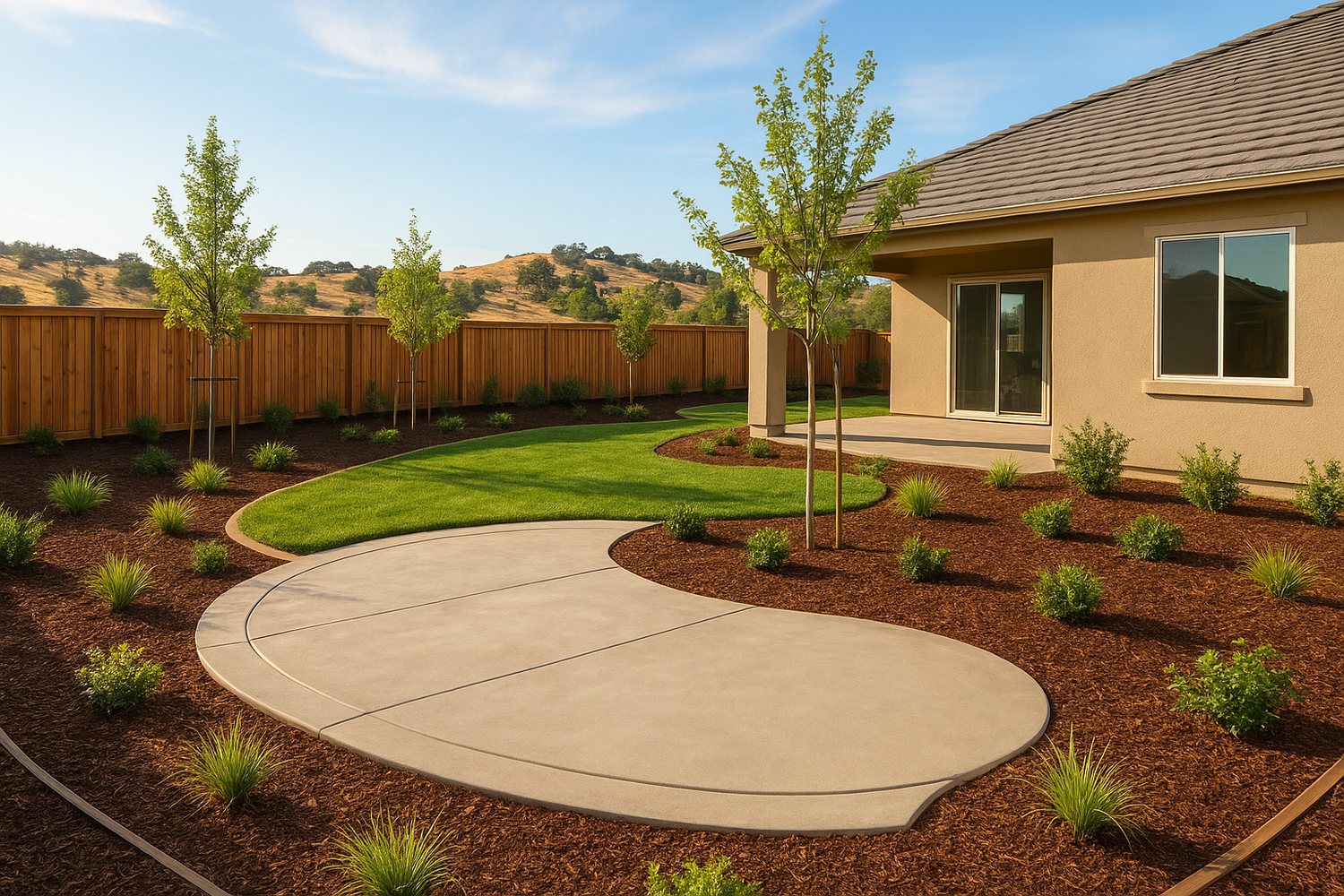
Landscape design and planning
Expert landscape design and planning in Rocklin and nearby. Site analysis, sun/shade, drainage, plant palettes, hardscape integration, built right.
Explore →
California native plant gardens
California native plant gardens Rocklin homeowners can enjoy: pros, cons, design options and build details for beautiful low-water yards.
Explore →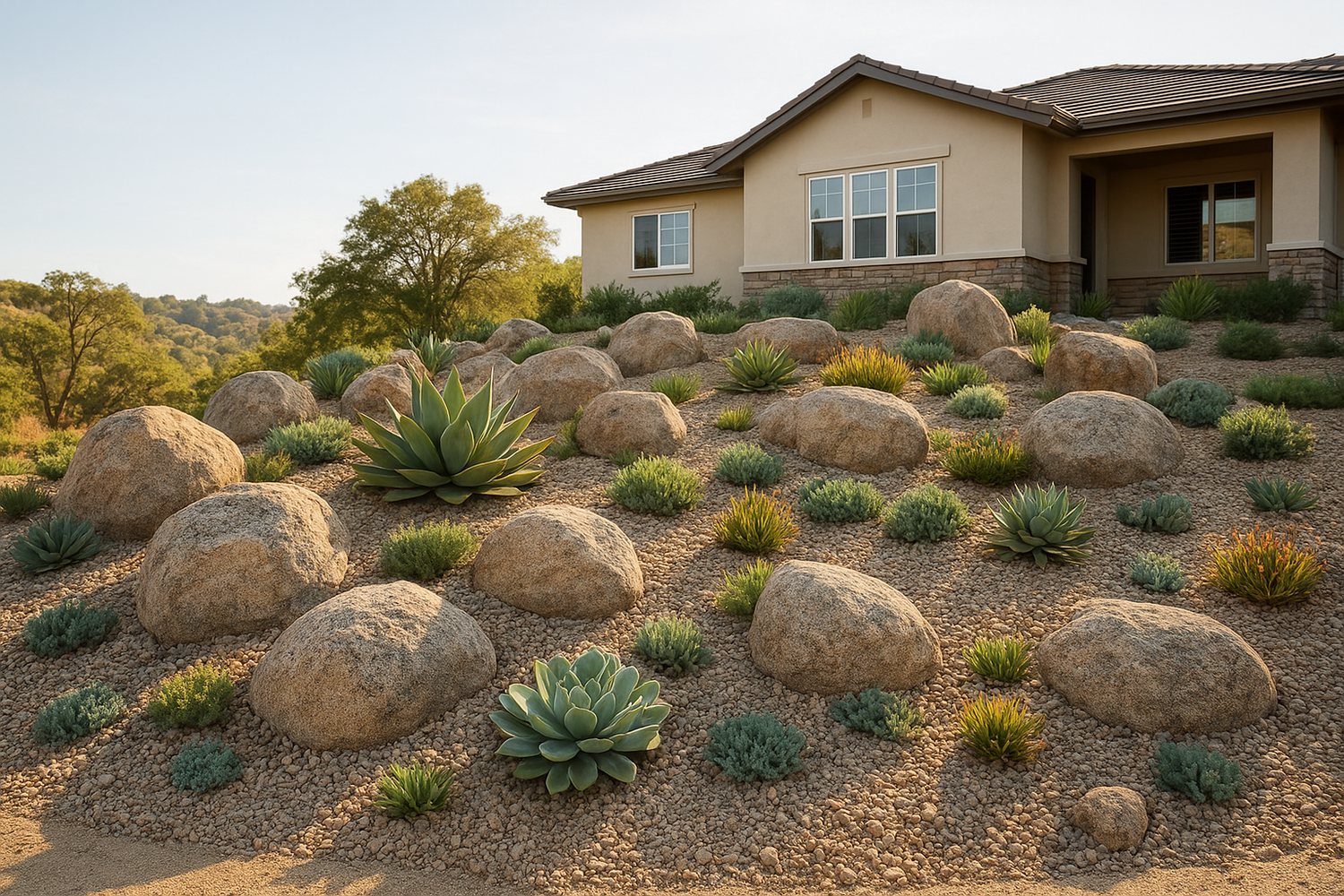
Boulders and rock gardens
Learn how landscape boulders and rock gardens can upgrade your yard. See placement tips, care, pros and cons, and options for Rocklin area homeowners.
Explore →Frequently Asked Questions about Landscape Renovation
How do I know if landscape renovation is better than a total replacement?
If you have mature trees or quality features worth keeping, a targeted renovation is often a smart investment—saving time, money, and environmental resources. If everything is failing, or underlying issues like grading or drainage cannot be fixed without starting over, a complete replacement may be more cost-effective. A qualified contractor will help you weigh the trade-offs honestly.
What is the best time of year for landscape renovation in our area?
Fall and early spring are ideal for most landscape renovations due to moderate temperatures and natural rainfall. These seasons support healthy root establishment before the stress of our hot summers and reduce transplant shock for new plants or trees. Irrigation and hardscape work can be done year-round, but planting fares best in cooler months.
Will I need permits or HOA approval for my landscape renovation?
It depends on your address, the work involved, and your HOA or city. Minor changes like plant removal rarely require permits, but projects affecting drainage, adding structures, or changes visible from the street often need review or approval. Always check your HOA guidelines and discuss with your contractor before starting the project.
How long will my renovated landscape stay looking good?
With proper care, most renovated landscapes will look their best for 10–15 years or more. Longevity depends on plant maturity, irrigation upkeep, mulch renewal, and how well original issues—like drainage or soil quality—were addressed. Mature trees may eventually impact paths or beds, so periodic adjustments are expected over time.
Can all existing trees and shrubs be saved during renovation?
Not always. While many valuable trees or shrubs can be preserved, some may be in poor health, pose future problems (like roots lifting hardscape), or simply not fit the updated design or sunlight patterns. Part of renovation is making hard calls about what stays and what goes, always with the long-term health of your landscape in mind.
Is renovating more expensive than just patching bad areas?
Renovation typically costs more than spot repairs, but delivers much better long-term value—saving on water, maintenance, and repeat fixes. Temporary patches may not address underlying issues, leading to recurring problems. Renovation is an upfront investment that prioritizes durability, aesthetics, and future savings.
What should I expect during the renovation process?
Expect some mess and disruption, especially during demolition and excavation, but a well-managed crew keeps this to a minimum. Communication is key: regular updates help avoid surprises, and you should review progress at key steps. The process usually takes days to weeks, depending on size and complexity, with finishing touches like mulch and lighting added last.
How can I keep weeds and old lawn from coming back after renovation?
Weeds may return from dormant seed or leftover roots, especially in the first year. Deep removal, proper mulch, and updated irrigation minimize regrowth. Routine weeding early on is important, and over time, dense plantings and mulch will keep problems small. Occasionally, targeted herbicide use or hand-removal may be necessary.
Start Your Landscape Renovation Conversation
Email sales@californiahardscapes.com with your address, a brief description of your goals, and a few photos for honest, expert input from a local team.