Railings for Terraces and Walls: Safe, Durable, Stylish
Metal railings on terraces, raised patios, and retaining walls keep you safe, frame your views, and bring tailored style to your outdoor living space.
Why Consider Railings for Grade Changes?
Best for: Best for homeowners seeking trustworthy, stylish protection along elevated patios, terraces, and retaining walls where robust safety and longevity matter most.
Terraces, raised patios, and retaining walls often create inviting outdoor living spaces by transforming uneven ground into functional areas. However, these grade changes come with safety concerns that building codes and smart design can address. Metal railings are a solution that delivers both reliable protection and enduring curb appeal. In Rocklin, Roseville, Granite Bay, Folsom, Auburn and surrounding areas, railings also help with visual transition between landscape tiers and act as architectural statements.
Metal railings on elevated features aren’t just about meeting safety codes—they frame your views, highlight the artistry of your outdoor build, and stand up to the region’s varied weather. Properly chosen and installed, railings should not distract from natural vistas or the beauty of your patio and garden. Today’s railings offer custom design, patterns, and proportions that range from subtle to standout, always with safety at the core.
California Hardscapes approaches railings for terraces and walls with the same philosophy as the rest of our work: We don’t compete on being the cheapest. We compete on quality, integrity, and results that exceed expectations. When it comes to grade changes and retaining walls, a carefully engineered and installed railing is an investment in safety and peace of mind—one that’s only done right when no corners are cut, every step is built as if it were our own home.
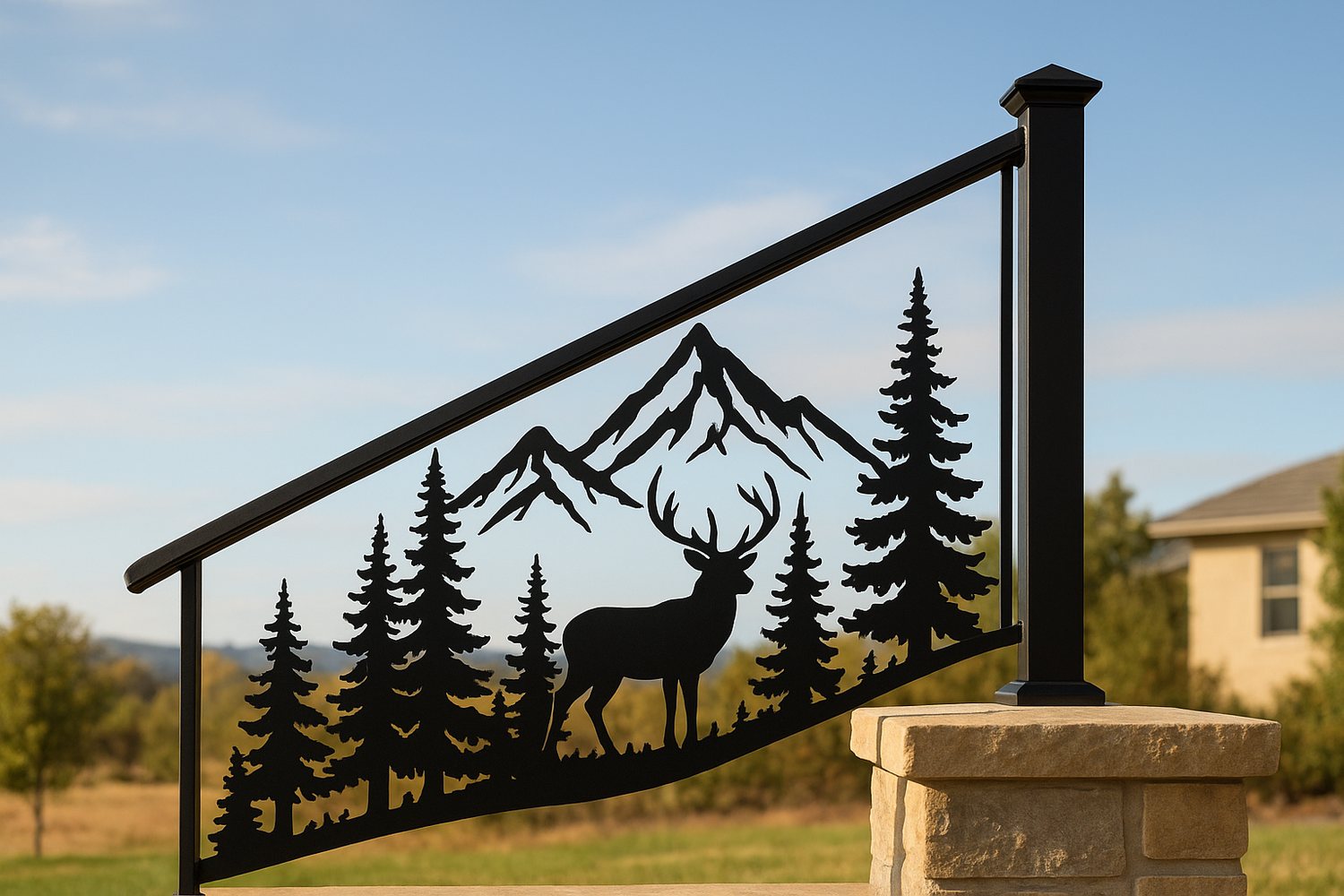
Design Choices for Metal Railings on Walls and Terraces
Custom-Cut Patterns
Choose from traditional pickets, geometric grids, or custom-cut motifs that echo your home’s style. Patterns can be designed to maximize openness and maintain views, or add artistic flair as a focal detail. In consultation, you can select bespoke patterns that make your railings unique to your landscape and tastes.
Post Mounting & Cap Details
Posts can be mounted atop wall caps, set into concrete, or attached to patio edges. Each choice affects the look, drainage, and long-term stability. Finished post tops and caps can be squared, rounded, or even include integrated lighting for ambiance and visibility at night.
Color and Finish Selection
Match or contrast railings to your trim, stonework, or other features. Consultations are used to dial in color and finish choices for your preferences, home style, and exposure to sun or water. The right finish not only integrates with your space—it strengthens the railing against weather and wear.
Railing Height and Spacing
Height requirements typically relate to the level of the fall from grade, and spacing between pickets, panels, or elements balances safety (especially for young children) and view. Proportions can be tailored within code to create open, airy sightlines or more privacy as your family needs.
Edge Profiles and Top Rails
Choose from sleek modern, classic, or decorative edge profiles—the top rail isn’t just a safety element, but a showpiece feature on your terrace.
Integrated Gates and Transitions
For terraces or patios connecting to steps, walkways or gated access, railings can include seamless gates or transition panels. These maintain lines, provide security, and preserve the flow of your outdoor layout, all while aligning with the pattern and finish of the main railings.
How Metal Railings Are Installed on Terraces and Walls
Safe, long-lasting railing installations for raised patios and retaining walls depend not only on crafting the railing, but on every step leading up to the final bolt and weld. Each phase—done thoroughly and in strict sequence—affects durability, drainage, stability and safety for decades. California Hardscapes projects are built with licensed, bonded, and insured contractors, and that expertise shows in every detail, whether working with older masonry, new concrete, or variable subgrades.
- 1. Assess Subgrade & Wall Condition: Confirm the foundation, wall strength, and existing cap stability. Review for drainage, slope, soil stability (especially in clay or decomposed granite) and any root system interference.
- 2. Prepare Base and Mounting Points: Mark precise post locations based on design and safety codes. Core-drill through wall caps, pour new concrete pads, or prepare mounting brackets with corrosion-resistant hardware for longevity.
- 3. Set Forms or Templates: Use layout jigs for precise alignment. Establish straight lines, curves, angles, and mark transitions between sections, posts, and gates for a clean visual flow and structural soundness.
- 4. Reinforcement as Needed: If mounting into new or existing retaining walls, install adequate reinforcement around post mounts or along the wall top to prevent cracking or wobble. In some cases, bonding agents or anchors are added for security.
- 5. Set Joints and Anchors: Mark expansion joints for large walls or long railing runs, and secure anchor bolts. Ensure each anchor is level, solid, and at the correct height—a critical step for smooth railing installation and finish.
- 6. Final Railing Assembly & Finishing: Secure metal posts and panels to anchors, spacing and aligning all elements to the plan. Weld, fasten, or connect sections as needed. Add finishing details, end caps, or integrated lighting where planned.
- 7. Clean, Inspect & Seal: Clean surfaces, touch up any joints, and inspect for straightness, secure attachment, and smooth transitions. Where required, apply sealant to protect mounting holes and hardware; confirm drainage isn’t blocked anywhere along the wall or cap.
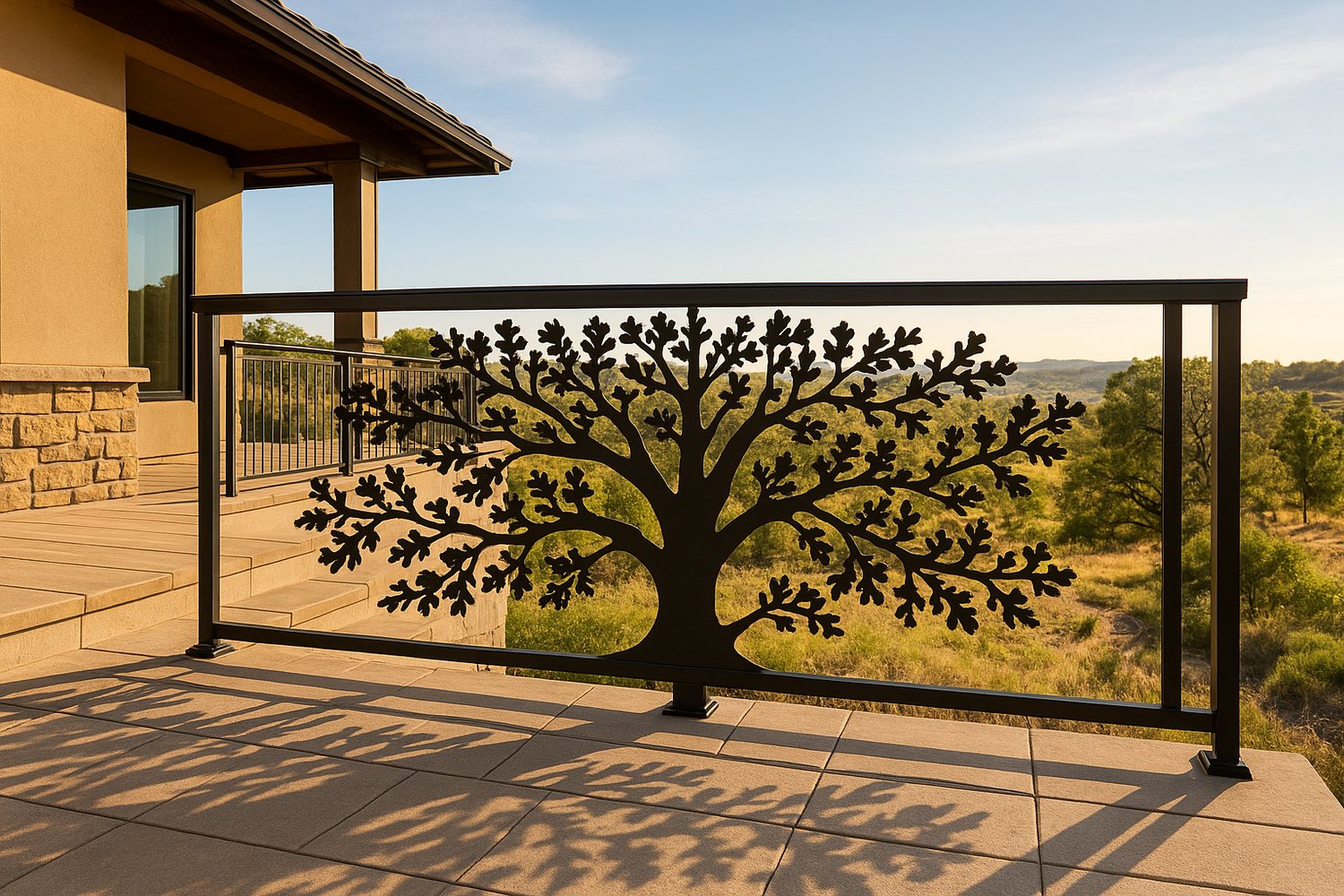
Weighing the Pros and Cons of Metal Railings on Grade Changes
Strengths
- Provides reliable, code-compliant safety at raised edges and steep grade transitions.
- Endures the harsh sun, heavy winter rain, and local soil movement better than wood or composite alternatives.
- Custom designs maintain open views, maximize airflow, and match your home’s architecture.
- Low-maintenance: resists pests, rot, and requires less frequent cleaning and refinishing than other materials.
- Extremely adaptable to various wall types, cap profiles, and yard elevations found in the region.
Trade-offs
- Upfront cost is higher than basic wood or vinyl options due to custom design and robust construction.
- Metal can become warm to the touch in direct summer sun, sometimes affecting comfort or requiring rail profile adjustments.
- Installations on old, cracked, or poorly built walls may require added repairs or reinforcement before railing work can begin.
- Certain highly intricate custom patterns can slightly limit sightlines or require more frequent cleaning to stay looking sharp.
Understanding What Influences the Cost of Terraced Railings
Metal railings for terraces and walls are a lasting investment in safety, value and design. Since every California Hardscapes railing is tailored for your property, project costs span a wide range. These differences come from site-specific requirements, design complexity, and installation challenges unique to our region’s soils and weather. Pricing, design, and specifications are always settled in a dedicated consultation to make sure expectations and quality stay aligned.
- Design complexity, including custom-cut patterns or integrated gates.
- Length and height of railing required (determined by terrace, wall or patio size and elevation).
- Type and condition of wall or patio cap for mounting; sometimes reinforcement or repairs may be needed.
- Accessibility and slope at installation site, which can impact preparation steps and timing.
- Finish and color choices, especially for higher-exposure or coastal projects needing extra durability.
- Number and type of transitions—such as turns, step-downs, privacy panels, or integrated features.
Care and Upkeep for Metal Railings on Terraces and Retaining Walls
Metal railings require less maintenance than wood, but periodic checks and cleanings keep them at their best. Rinse surfaces once or twice per season to remove dust, pollen, or minerals from irrigated landscaping. Check hardware and mounting points annually and after heavy rains for any signs of shifting or corrosion, especially at anchor points. Dirt, sap, or droppings can be cleaned with mild soap and water—avoid harsh abrasives to protect the finish.
Depending on finish type and exposure, most installations benefit from professional resealing or touch-up every 4–7 years. Areas with intense sun, hard water spray, or where oak leaves accumulate may age more quickly. Well-cared-for metal railings on terraces and raised walls often last decades. Lifespan is affected most by drainage (keeping water away from post bases), foundation stability, and skipping needed maintenance cycles.
Compare other options
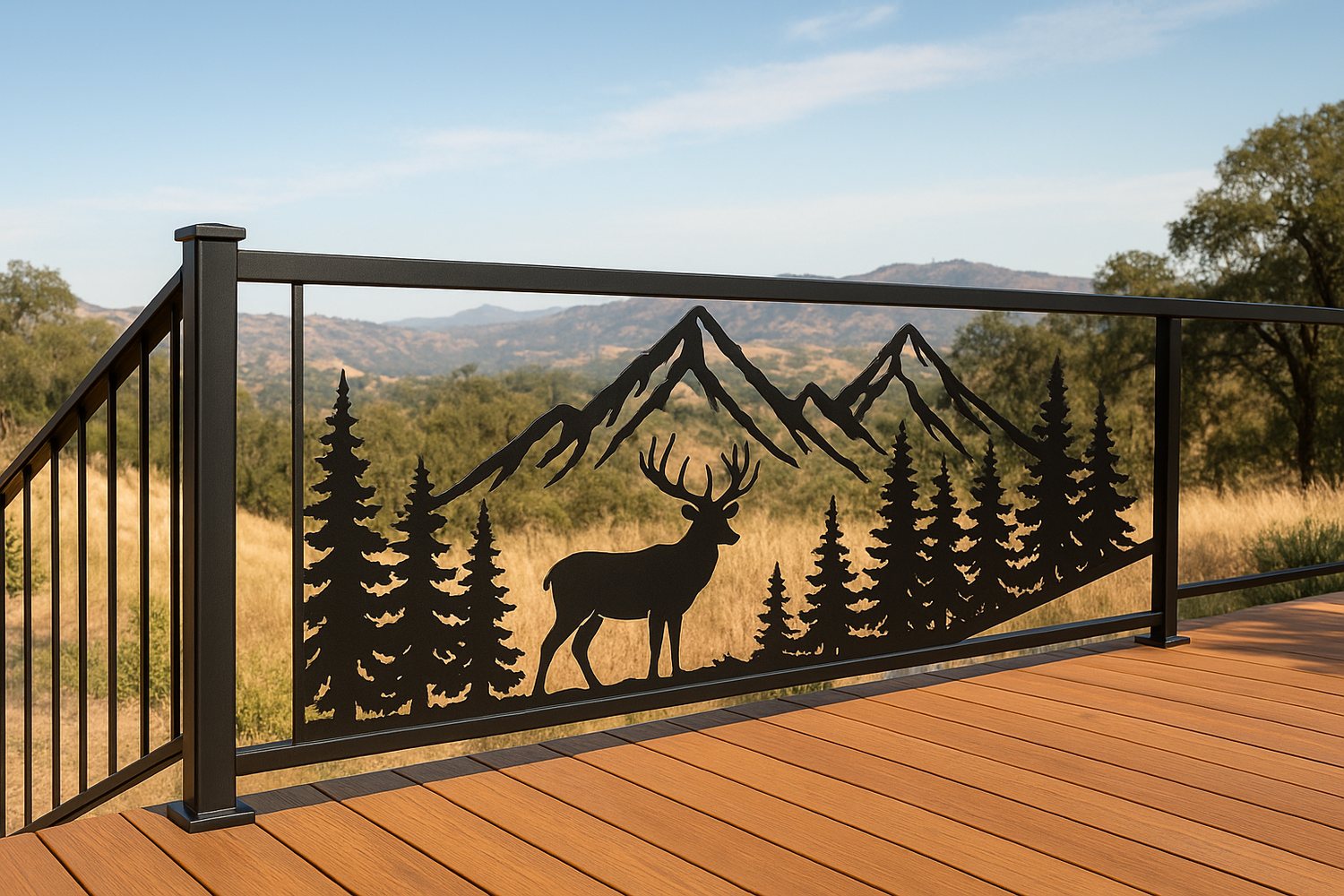
Nature and wildlife railing designs
Discover nature and wildlife railing designs for foothill homes. Explore custom metal railings with tree, mountain, and wildlife patterns in Rocklin, CA.
Explore →
Metal railing care
Clear, practical care guide for metal railings in Rocklin & nearby areas: cleaning, maintenance, touch-ups, checks, and local climate tips.
Explore →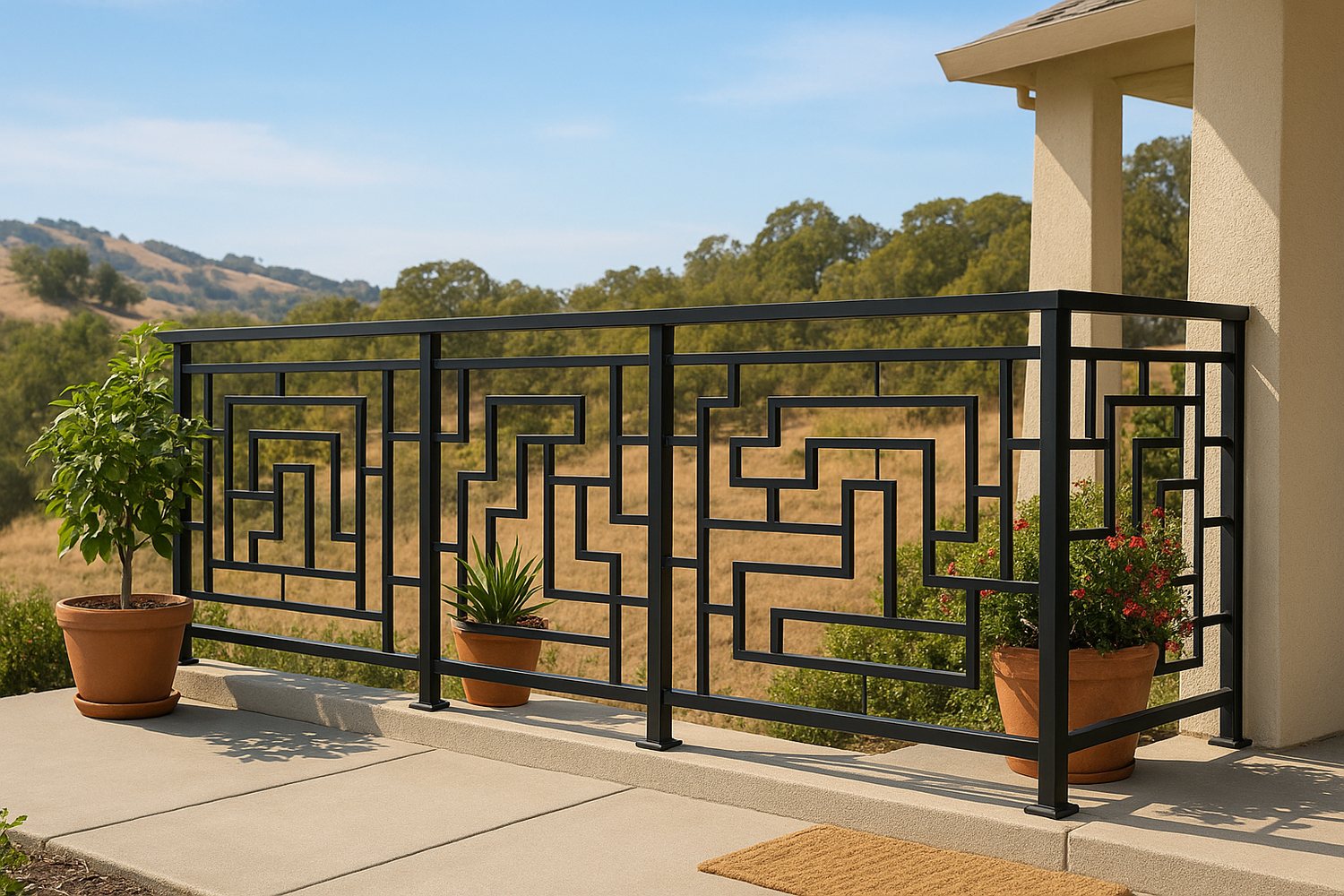
Porch and entry railings
Explore strong, stylish metal porch and entry railings in Rocklin and neighboring areas—enhance curb appeal, safety, and design with California Hardscapes.
Explore →Frequently Asked Questions About Metal Railings for Terraces and Walls
Are railings required on every raised patio or retaining wall?
Building codes usually require railings for raised patios, terraces, or walls where the drop-off exceeds a certain height—usually 30 inches or higher. Local requirements can vary by address, so it’s smart to check specifications for your city or neighborhood. Even when not strictly required, railings significantly improve safety for children, pets, or guests in outdoor spaces with steps and elevation changes.
Can metal railings be installed on existing retaining walls or patios?
Yes, metal railings can be installed on both new and older retaining walls, patios or terraces. However, the strength and stability of the wall cap or edge must be evaluated first. Sometimes, older masonry or cracked walls need repair or reinforcement before safe mounting is possible. Each site is reviewed to determine the most secure installation method.
How are posts mounted on walls without cracking the surface?
Mounting posts properly means using core drilling, setting anchors in solid masonry, or engineering custom brackets for stability. The process includes precisely marking locations and adding reinforcement where needed. Care is taken to seal all cuts and holes to keep out water and prevent future cracking or seepage—especially with California’s expansive clays and freeze-thaw cycles.
Will adding railings block my view from the patio or terrace?
Custom-designed metal railings can be tailored to minimize visual impact without sacrificing safety. Slim profiles, spacing, panel patterns, and railing height are all chosen to preserve as much of the view as possible. During your consultation, sightlines and personal preferences are discussed in detail to find the right balance of openness and protection.
Are metal railings safe for children and pets?
When designed and installed according to local safety codes, metal railings are among the safest options for raised patios and walls. Picket spacing, height, and solid mounting all contribute to preventing falls and discouraging climbing. Gates and locking mechanisms can be included at transitions or steps for added peace of mind.
How long do metal railings last in this region’s weather?
With quality finishes and proper installation, metal railings are built to last decades, even with our intense sun, winter rains, and hard water. Occasional touch-ups and resealing help preserve performance and appearance. Drainage and keeping organic debris off mounting points greatly extends their service life.
Can I match my new railings to other metal or stone features?
Absolutely. Design consultations include discussing profiles, patterns, and finishes that coordinate with your home’s architecture, pool or patio hardscape, and existing metalwork. Custom pattern and color choices ensure a coordinated, cohesive look throughout your outdoor space.
Do I need HOA or city approval to add railings on my wall or terrace?
Many HOAs and most local cities require a submittal or approval to add or modify railings—especially when visible from the street or installed at significant height. California Hardscapes provides detailed designs and specs for your review, which you can then submit as part of the approval process. Requirements and timelines depend on your address and agency.
Ready to Explore Railings for Your Terraces or Walls?
Email sales@californiahardscapes.com with your address, a short description of your project and a few photos. Whether clarifying options or getting advice on what’s possible, we’re happy to help.