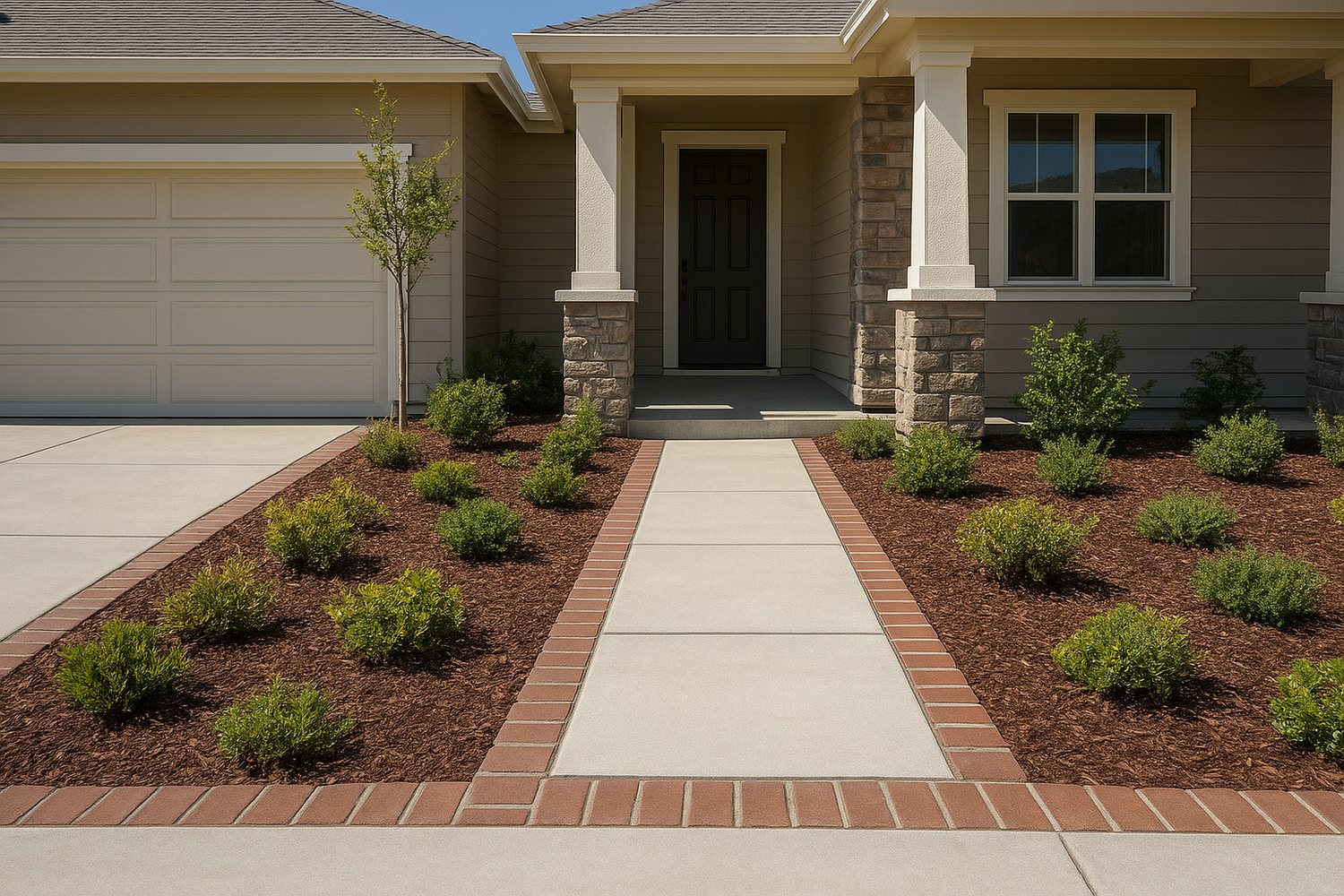
Concrete Steps, Walkways, and Landings: Practical Care for Lasting Safety
Trip hazards and cracks in concrete steps and walkways are common, but with the right care, you protect safety and maintain curb appeal for years.
Concrete steps, walkways, and landings take a lot of abuse from daily use and California’s climate. Fixing settling and cracks is key for safety and looks.
Spotting Trip Hazards and Common Issues
Concrete steps, walkways, and landings can develop uneven surfaces and cracks over time. Frequent temperature shifts, irrigation missteps, and tree roots are common factors. Early identification of these problems helps homeowners make repairs before they turn into more costly hazards.
Look for signs such as a step settling lower than its neighbors, shifting segments in walkways, or cracks wider than a quarter of an inch. Water collecting after rainfall or sprinklers is another clear cue that concrete has shifted. These conditions signal it may be time to address structural integrity.
Regular walkthroughs of your property’s hardscape can catch these issues early. Use a flashlight to inspect at dusk, and gently feel for wobbly steps with your foot. Documenting locations and changes over the seasons helps prioritize which areas to fix first.
- Check for vertical or lateral step movement
- Monitor cracks that are expanding over time
- Look for pooling water after irrigation or rain
Learn more on ourConcrete steps, walkways and landingspage for specifics about installation and repair.
Why California’s Soils Cause Settling
Homeowners in Rocklin, Roseville, and surrounding areas see settling issues because of local soil types. Granitic soils, clay, and even decomposed granite all behave differently under moisture or drought stress. Expansion and contraction put pressure on concrete, resulting in uneven steps or cracks.
Uneven settling often accelerates after wet winters or heavy summer irrigation. Water washes out supporting soil or causes underlying clay to swell. Over time, this weakens support beneath the concrete slab, risking the structural soundness of the entry or walkway.
Understanding what’s under your hardscape informs the best fix. Granitic soils may call for better compaction, while clay-heavy areas may benefit from improved drainage. An experienced contractor will recommend solutions that consider local ground movement and climate.
- Granitic soils compact easily but erode faster
- Clay can swell and shrink, shifting concrete
- Tap local contractors for soil-specific advice
Fixing Cracks: When to Patch, Resurface, or Replace
Not all cracks mean the same thing. Small, hairline cracks under a quarter inch may only need cleaning and patching. Available sealants can keep water out and stop further spread in minor cases. For wider or deeper cracks, or when multiple cracks meet, resurfacing could be a sturdier fix.
Large, uneven cracks or missing pieces are signs that a landing, step, or walkway might need more serious work. Resurfacing adds a new layer and can level minor settling. For major shifts or crumbling steps, replacement may be needed to restore safety and durability.
Consider the placement and use: High-traffic entries or pool walkways require a long-lasting solution. Consulting a local pro ensures you don’t overspend or get patchwork when full replacement is needed. Matching finishes and slip resistance are extra priorities in well-used areas.
- Patch hairline cracks right away to prevent spreading
- Resurface to solve shallow depressions and minor shifts
- Replace if steps are crumbling or uneven beyond repair
| Problem | DIY Repair | Pro Repair | Best For |
|---|---|---|---|
| Hairline crack | Concrete patch/sealant | Grind/finish + pro patch | Minor, shallow cracks |
| Small chip | Epoxy repair kit | Color-matched mortar fill | Corners, edges |
| Wide crack (1/4 inch) | Not recommended | Resurfacing or tear-out | Entry paths, high-traffic |
| Settled step | Not recommended | Lift/reset or replace | Safety, code compliance |
| Surface spalling | Topical patch | Full resurface | Worn, pitted walks |
Professional Solutions Versus DIY Repairs
Deciding between professional help or a DIY repair starts with the scope of the damage. Patching a small corner chip or a hairline crack can be handled with a concrete repair kit and careful prep. For more significant issues, such as settling or wide gaps, professional tools and experience matter.
Concrete contractors serving Placer and Sacramento counties understand the region’s soil and climate. They bring proven equipment and know which products stand up to heavy use and weather cycles. Skipping this expertise can mean repeated repairs and higher costs down the line.
Think about curb appeal, too. Patchwork repairs may be visible and can affect the look and value of your home if not matched well. Professionals ensure repairs blend in and restore both safety and appearance.
- DIY for small cracks and chips only
- Hire a pro for tripping hazards and settling
- Aesthetics matter for front entries and patios
Keeping Concrete Walkways Safe and Level
Routine care prevents many common problems with concrete steps and landings. Clear debris regularly and keep nearby irrigation heads aimed away from concrete edges. Taking these steps minimizes water intrusion—a major source of settling.
In northern California, seasonal changes are hard on hardscapes. After heavy rains, inspect for new cracks or soft areas in adjacent soil. Promptly address pooling water with regrading or drainage solutions to limit subsoil movement.
Sealing concrete every few years helps resist weathering and staining. Choose sealers suited for our region’s sun and occasional frost. This small effort can considerably extend the finished look and soundness of your concrete walkways and steps.
- Sweep leaves and debris weekly
- Redirect sprinklers away from edges
- Consider resealing concrete every few years
To explore all your material and finish possibilities, see ouroverview of Concrete options.
When to Call in a Pro
If you spot steps shifting, major cracks forming, or frequent pooling water, it’s time to consult an expert. Local contractors can assess whether a patch, resurface, or complete replacement is needed based on regional climate and soil.
Safety is a top concern. A misjudged fix may look good temporarily but can break down quickly under daily foot traffic or weather. Professional assessment provides peace of mind and a comprehensive solution tailored to your property.
Neighbors often recommend checking with a proven, local team who knows the area’s unique challenges. A high degree of skill and experience makes the difference in tackling complex problems or matching finishes to the rest of your outdoor spaces.
- Call in a pro for shifting or uneven landings
- Consult experts for complex cracks or multiple issues
- Professionals can match finishes and textures
Preventive Tips Every Homeowner Should Know
Prevention is about simple habits. Start with regular hardscape inspections—at least once every few months. Mark any changes in cracks or levels with chalk, making it easier to spot new developments.
Consider adding landscape features to direct water away from landings and steps. French drains or strategic planting can limit soil erosion and slab movement. Keep trees with aggressive roots at a safe distance from walkways.
Educate everyone who uses your property about changes in surface elevation—this is especially relevant for older guests or children. Proactive awareness and minor repairs keep your walkways and steps inviting and safe year-round.
- Inspect in both wet and dry seasons
- Redirect water with simple grading
- Keep detailed notes of changes over time
Experienced Help for Placer, Sacramento, and El Dorado Counties
Homeowners throughout Rocklin, Granite Bay, Folsom, and surrounding areas have unique challenges thanks to regional soils and seasonal weather patterns. Local expertise from experienced pros helps address issues quickly and cost-effectively.
Concrete care isn’t one-size-fits-all. From proper sub-base prep to mix selection and finish matching, a local contractor anticipates climate impacts and neighborhood trends. This approach delivers longer lasting, better-looking repairs and upgrades.
Reach out to a team with decades of regional hardscape and construction experience for trusted advice. Marty at California Hardscapes brings over 30 years of practical know-how to every site assessment and fix, so your steps, walkways, and landings remain safe and inviting.
- Regional expertise ensures the right repair the first time
- Proven techniques for local soils and microclimates
- Contact by email: sales@californiahardscapes.com
If you’re ready for a site visit or repair assessment,request a consultationtoday.
Planning a concrete project?
Call or text 916-741-0633, or email sales@californiahardscapes.com with your address, a short description and a few photos, and we will arrange a consultation.