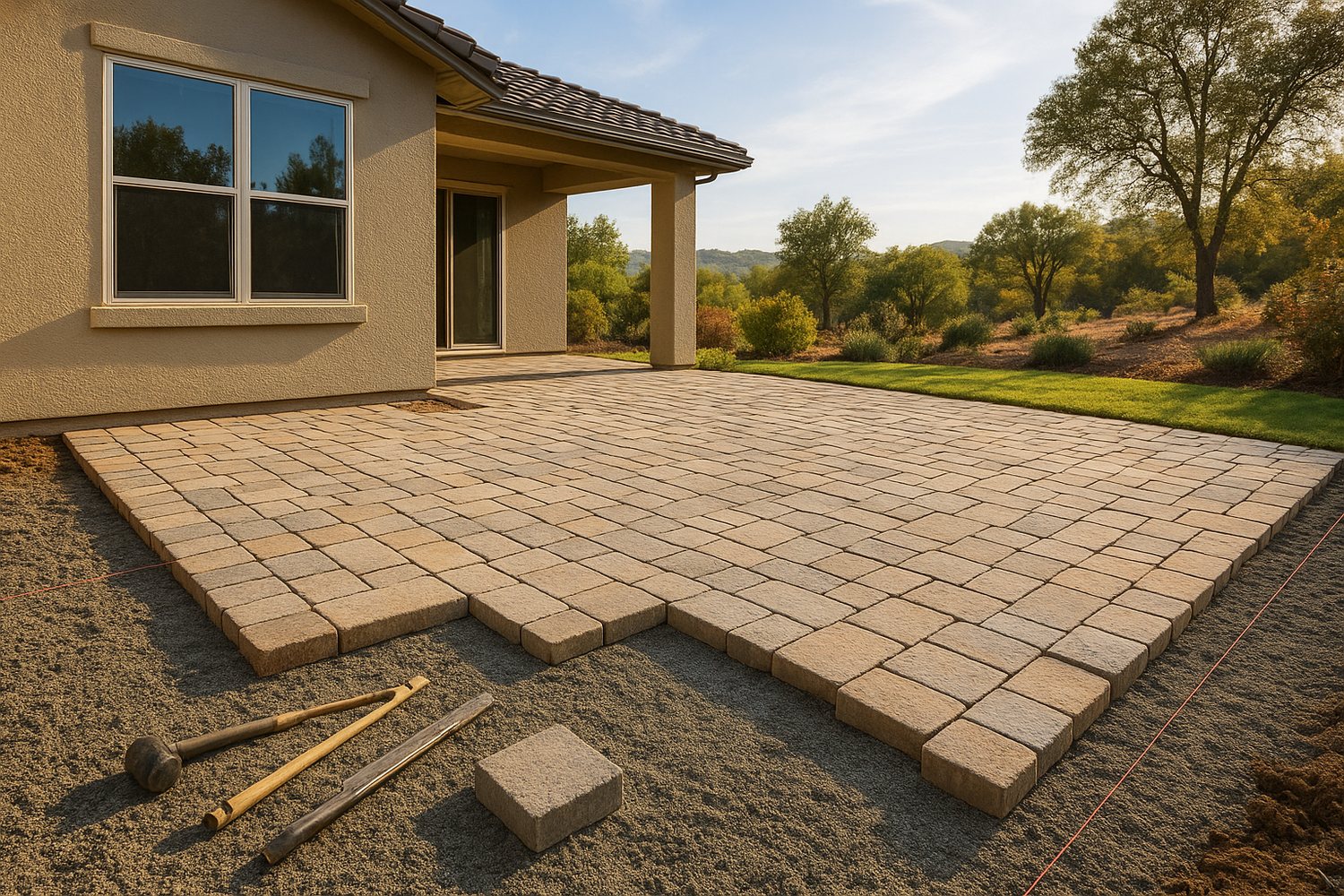
How to Choose Paver Shapes, Colors and Patterns for Your Patio
Explore how to create a paver patio that fits your home, with expert tips on selecting shape, color, and pattern. Make informed decisions for your outdoor space.
A well-designed paver patio brings more than function to your yard—it adds style that matches your home’s personality. Get real guidance for making design choices that work in our region.
The Basics of Paver Patio Design
Designing a paver patio is a chance to enhance your outdoor living with both beauty and practicality. Homeowners in Rocklin, Roseville, Folsom, Auburn, Granite Bay, and nearby cities often want patios that feel like a natural extension of their home. Key design choices—shape, color, and pattern—make all the difference. Choosing the right combination pays off for years, both in curb appeal and how you’ll actually enjoy the space.
Paver shapes range widely, from clean rectangles and squares to natural stone looks and modern geometric options. Color selection sets the tone, with earthy blends, cool grays, or warm tans. Laying patterns—how pavers are installed—also change the feel and function. Locals often favor designs that reflect the region’s Mediterranean-leaning home styles and stand up to our summer heat.
Whatever you select, the process works best with a focus on harmony: the patio should complement your home exterior and scattered shade instead of fighting with it. Understanding the basics gives you a starting point before diving into the specific style decisions. Thoughtful design equals a space you’ll love to use season after season.
For more details about design options and smart installation, see ourPaver patiospage.
Choosing Paver Shapes to Match Your Home
The architectural style of your house should guide your paver shape selection. Classic ranch, contemporary farmhouse, or Mediterranean-style homes found across Placer and Sacramento Counties each call for different paver looks. Clean, uniform rectangles and squares suit modern and transitional homes, providing a sharp, organized canvas. Rustic flagstone or irregular shapes look more at home with traditional or country-style properties.
Consider your yard’s lines and size, too. Large-format pavers can make small spaces appear bigger and highlight contemporary architecture. Smaller brick or cobblestone shapes feel timeless and help break up wide patio areas, lending a cozy, intimate vibe. Think about transitions into lawns, garden beds, or pool decks—shapes that flow with existing curves or straight edges help everything connect naturally.
It’s not just about looks: some shapes are easier to maintain and match for repairs down the road. Talk to your contractor (and check material availability) before getting your heart set on a unique shape. It often pays off to walk the property and hold up sample pavers in daylight to see what fits, functionally and visually.
- Rectangles/squares = clean, modern lines
- Flagstone/irregular = organic, traditional feel
- Cobblestone = classic, European charm
Picking the Right Paver Color Palette
Color makes a strong first impression. In communities like Granite Bay and Folsom, palettes that echo our local stone, soil, and stucco work best. Tans, sand, and warm earth tones blend with buff-colored homes or natural landscapes. For homes with grayish paint or modern facades, cooler grays, charcoals, and blue-grays look intentional and sophisticated.
It’s helpful to collect color samples and compare them against your house exterior in natural light before deciding. Direct sunlight in our region can slightly bleach out colors—keep that in mind when previewing samples. Also, consider how the patio pavers look when wet; rain or irrigation can deepen the color and shift the tone.
Mixing two or three complementary shades gives patios some visual depth and hides dust or leaf debris common in our dry months. If your home’s design already features strong color, choose a subtler paver to avoid clashing, letting texture or laying pattern carry the design instead.
- Use samples outdoors for true color comparison
- Warm neutrals = blends with stone and stucco
- Cool tones = best for modern or gray homes
| Paver Shape | Best Home Style | Color Suggestions | Popular Patterns |
|---|---|---|---|
| Rectangle/Square | Modern, Transitional | Gray, Charcoal, Sandstone | Running Bond, Herringbone |
| Flagstone/Irregular | Traditional, Craftsman | Tan, Buff, Mixed Browns | Random, Ashlar |
| Brick/Cobblestone | Colonial, Classic | Red, Brown, Slate | Herringbone, Basketweave |
| Large Format | Contemporary, Open Yards | Light Gray, Cream, Soft Beige | Stacked, Grid |
Laying Patterns That Fit Regional Styles
How you lay out pavers—the pattern or arrangement—has a major impact on both style and durability. In the Rocklin and Auburn areas, traditional running bond or herringbone patterns echo classic brickwork, while random or ashlar patterns fit homes with a Mediterranean or custom look. The size and shape of your chosen paver limits your options; some patterns work better with rectangles, others with mixed sizes.
Consider how your patio will be used. Patterns like herringbone add strength for high-traffic zones or vehicle loads near driveways, while simple running bond is best for open patios or garden paths. Patterns aligned with your home’s wall lines help spaces feel organized, while diagonal or offset layouts can make small yards appear wider or add visual energy.
Patterns are also a practical way to draw the eye—use a border in a complementary color or a shift in direction to define lounge, dining, or grill spaces. Don’t forget: professional installers can custom-cut to fit curves or angles so the pattern fits uniquely to your space.
- Running bond = straightforward, classic
- Herringbone = strong, dynamic look
- Random/ashlar = natural, upscale flavor
How Local Climate Affects Paver Choices
Our hot, sunny summers and wet winters mean your patio materials need to work as hard as they look good. Choose pavers rated for freeze-thaw cycles, even if snow’s rare; this helps prevent cracking from cool overnight temperatures and occasional rain. In open, unsheltered patios, lighter tones help resist heat buildup on bare feet and reduce the risk of discoloration.
Sun exposure also matters for color selection—dark pavers can fade noticeably in direct sun after a few years and may feel too hot to walk on. Lighter, blended colors tend to age better in the Sacramento Valley’s high-UV conditions. Ask about sealers and surface treatments that lock in color and make pavers easier to maintain during leaf-fall or pollen season.
Drainage is another factor: laying patterns and installation methods should move water away from foundations, especially in clay-heavy soils common in the region. Consider integrating subtle slopes, gravel joints, or permeable base options so your new patio performs in all seasons.
- Choose pavers with freeze-thaw durability
- Shade impacts paver temperature and fading
- Add slopes and drains for winter rain
Explore all the ways to elevate your outdoor space at ourHardscapes & Patiosoverview.
Blending Your Patio With Landscaping and Lighting
A patio that feels disconnected from its setting never looks quite right. Use your home’s landscape—existing trees, lawn, planting beds, and even pool or wall features—to guide your patio’s arrangement. Rocklin and Granite Bay homeowners often blend seat walls or planters alongside pavers for year-round function. Let the site’s natural lines and grade changes inform the shape and transitions.
Coordinating paver color and texture with landscape elements like boulders, gravel, wood mulch, or nearby retaining walls helps everything read as part of a unified design. A repeating accent strip or border color can visually connect your patio with existing pathways or garden beds. Consider how the patio will read from indoors: sight lines matter during both day and night.
Outdoor lighting transforms patios after dark, adding both safety and atmosphere. Recessed lights in the paving, soft landscape uplighting, or illuminated step risers all extend the time you can use your patio. Placement counts just as much as fixture style—work a lighting plan into your hardscape design from the start so every element gets its moment.
- Blend paver colors with garden stone, mulch or walls
- Connect patios to lawns, pools and walkways
- Plan lighting to highlight edges and steps
Making Choices: Visualizing Your Paver Patio
It can be tough to visualize your finished patio from a small sample or catalog image. Start by gathering physical samples and arranging them outdoors to see how they play with your home’s siding and the light at different times of day. Some contractors offer design renderings or can lay out a small section on-site to help you picture the outcome before committing.
Use a combination of mood boards, paint chips, and actual patio furniture when planning your selections. Consider how the space will feel furnished and in use—think shade umbrellas, fire pits, planters, or an adjacent pool. If you plan future landscape or hardscape additions, keep those colors and lines in mind so today’s patio doesn’t limit tomorrow’s upgrades.
Decision-making works best one step at a time: settle on shape and size, then compare colors, then walk through pattern options. Take photos as you go for side-by-side comparisons on your phone or computer. And remember: with guidance and a clear design process, choosing the right paver design feels less overwhelming and more rewarding.
Work With Experienced Local Pros
Getting the most out of your patio investment often means leaning on the experience of local hardscape experts. California Hardscapes, managed by Marty, brings know-how built from decades in concrete construction and hardscapes across the region. A pro understands not just the visuals, but how soil, sunlight, drainage, and practical day-to-day use impact material choices and pattern layout.
Working with an expert means your patio gets tailored to your home and the microclimate—not copied from a catalog. They can help you identify the best options among paver brands and materials available locally, avoiding long shipping delays or hard-to-match products. You’ll also benefit from hard-won insights about which patterns and color blends have performed well over years of actual use in neighborhoods like yours.
If you’re looking for design guidance or want to see practical samples on site, pros can walk you through the decision process—avoiding costly mistakes and delays. In the end, a well-planned patio looks better, lasts longer, and makes your home feel complete for gatherings and daily relaxation alike.
Ready to start planning?Request a consultationwith a local expert today.
Planning a hardscapes & patios project?
Call or text 916-741-0633, or email sales@californiahardscapes.com with your address, a short description and a few photos, and we will arrange a consultation.