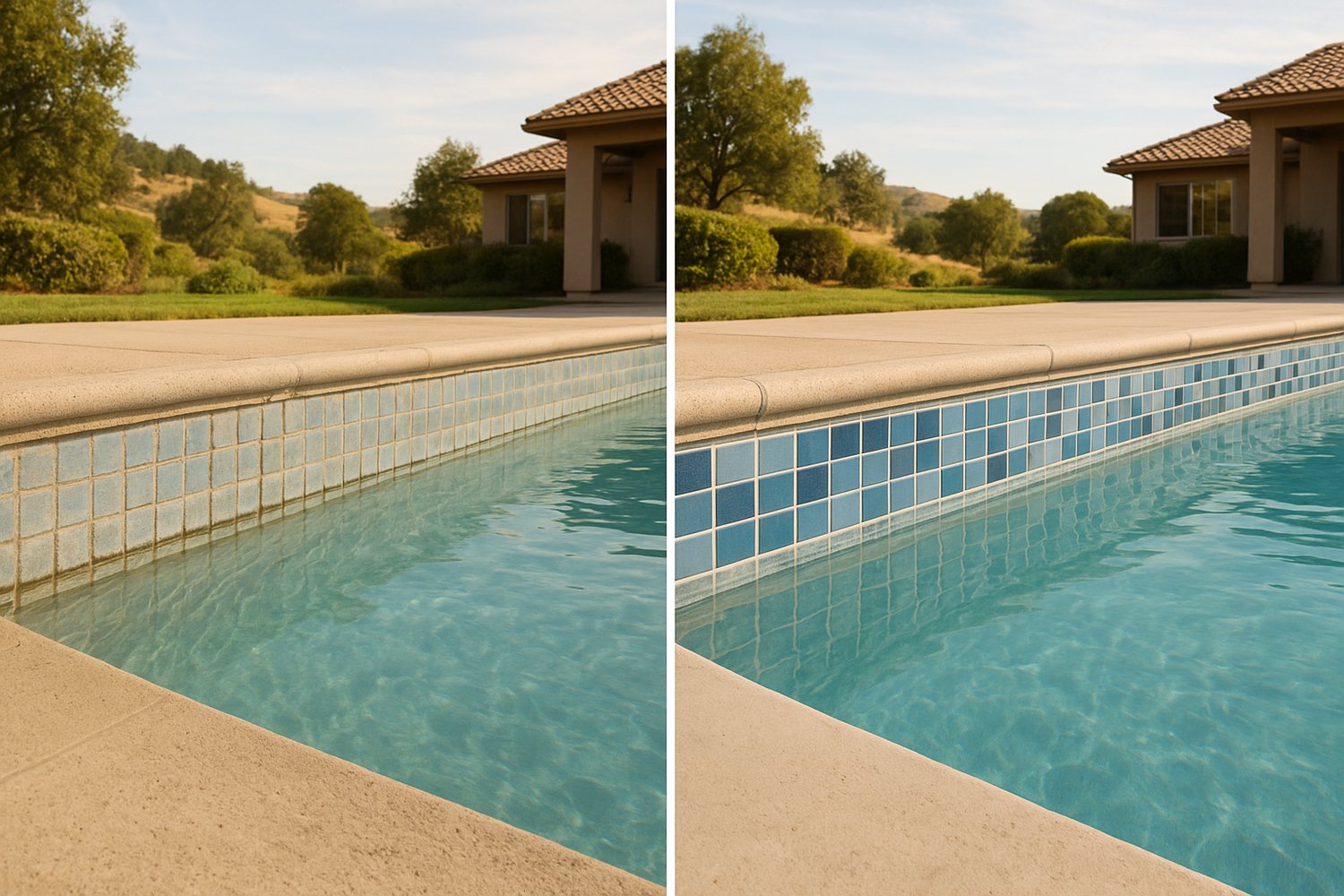
Pool Resurfacing vs. Full Renovation: Which Upgrade is Right for You?
Thinking about refreshing your backyard pool? Learn the differences between pool resurfacing and a complete renovation, with expert guidance for local homeowners.
When your backyard pool begins to show its age or your needs change, two options top the list: resurfacing or a complete renovation. Understanding what each involves is key to making the right investment for your home and lifestyle.
Understanding Pool Resurfacing
Pool resurfacing is essentially a makeover for your pool’s interior surface. Over time, plaster, pebble, or other finishes can crack, etch, or discolor from constant use and our region’s weather swings. Resurfacing addresses these cosmetic and functional issues by stripping the old surface and applying a new one—sometimes restoring the pool’s look in just a matter of days.
This process keeps your pool structurally the same as it was built, but with a refreshed, sealed layer that improves both visual appeal and durability. Many homeowners in Placer and Sacramento counties choose resurfacing when their pool shell is still solid and the shape, size, and overall design are working well for them.
Resurfacing requires fewer decisions and less disruption compared to larger renovations. Local experts can advise on the right surface materials—classic plaster, premium aggregates, or modern pebble finishes—that handle our water chemistry and climate demands well.
- Addresses worn or damaged surfaces
- Quick turnaround (usually days, not weeks)
- Retains your pool’s original layout
To dive deeper into techniques and options, visit our mainPool remodeling and resurfacingpage.
What a Full Pool Renovation Entails
A full pool renovation is a top-to-bottom transformation. Beyond resurfacing, this process can include reshaping the pool, adding new features, updating decking, coping, lighting, plumbing, and more. Homeowners typically opt for a full renovation when their pool’s design is outdated, features are lacking, or serious repair issues exist.
This approach allows you to completely reimagine the pool for your family’s needs—think built-in spas, sun shelves, new tile or coping styles, or energy-efficient systems to handle our hot summers. Renovation can also address structural repairs, modernize drainage, and improve safety or accessibility where needed.
While more involved and time-intensive than resurfacing, a full renovation brings the opportunity for your pool and outdoor space to match your vision, which can be beneficial for both your enjoyment and your home’s value.
- Custom shapes and added features
- Upgrade equipment and plumbing
- Total aesthetic transformation possible
Key Factors for Homeowners in Rocklin, Roseville and Beyond
Climate and water chemistry are major considerations in this area. Our pools face summer heat, cool winters, and sometimes aggressive municipal water—which can speed up surface wear. When deciding between resurfacing or a full renovation, ask if your pool’s issues are surface-deep or if they go further.
Consider your long-term plans. If you’re happy with your pool’s layout and simply want it to look new again, resurfacing may be the right approach. If you crave updated features or need significant repairs, a renovation is likely more practical in the long run.
Budget and project timing matter. Resurfacing is usually quicker and less expensive, but can only fix what’s on the surface. Full renovations cost more up front, but resolve design, functionality, and infrastructure all at once—valuable if you plan to stay in your home for years.
- Local water quality affects surface choices
- Evaluate both cosmetic and structural needs
- Consider future maintenance and updates
| Aspect | Resurfacing | Full Renovation | Project Duration | Typical Upgrades |
|---|---|---|---|---|
| Primary Purpose | Update surface | Redesign & repair | 1 week or less | Surface only |
| Structural Changes | No | Yes | Several weeks | Decking, plumbing, layout |
| Custom Features | No | Yes | Varies with features | Spas, sun shelves, lighting |
| Average Disruption | Minimal | Significant | Short | Longer—full construction zone |
| Best For | Cosmetic fixes | Total transformation | Quick refresh | Future-ready backyard |
Comparing the Two Approaches: Pros, Cons, and Outcomes
Both resurfacing and full renovations rejuvenate your pool, but the scale, complexity, and results are different. Resurfacing is best for cosmetic upgrades and sealing out cracks, while a full renovation can entirely transform your backyard oasis.
Resurfacing’s biggest strengths are speed and simplicity, letting you maintain a layout you already enjoy. Renovation, on the other hand, offers customization—from added water features to complete redesigns. Each approach comes with disruption: resurfacing is brief, while full renovations involve more construction.
The choice depends on what you want to achieve. Weigh the lifespan, maintenance, local property considerations, and whether your needs might change. Consulting with a knowledgeable contractor can help clarify which makes sense for your home.
- Resurfacing: refreshes surfaces, fast process
- Renovation: addresses function and style, higher investment
- Think about both today’s needs and future resale appeal
Choosing Surface Materials for Local Conditions
Material choice isn’t just aesthetic; it’s functional—especially in Greater Sacramento’s climate. Plaster, pebble, quartz, and tile finishes each carry advantages for longevity, comfort, and ease of maintenance, but perform differently in our sun and with local water qualities.
Plaster remains popular for its smooth texture and affordability, but frequent chemical balancing is a must to prevent etching. Pebble and quartz finishes last longer, resist staining, and come in a range of colors. Tile, while often reserved for accents, stands up well to pool chemicals and can add a unique custom touch.
Discussing options with a contractor experienced in our region ensures you’ll pick a surface that meets your desired look, maintenance preferences, and stands up to the challenges of our local climate.
- Plaster: smooth and cost-effective
- Pebble: highly durable, more texture
- Quartz: durable, colorful finishes
Explore materials, features, and styles with the fullCustom Poolsoptions overview.
When is Resurfacing Enough—and When Isn’t It?
If your pool has minor cracks, roughened surface, or staining—but the shape, structure, and plumbing are in good condition—resurfacing is usually sufficient. It’s a practical way to give the pool new life before bigger repairs are needed.
However, if there are frequent plumbing leaks, mechanical issues, or visible settlement, resurfacing alone won’t solve deeper problems. Signs that a full renovation may be necessary include outdated design, broken or inadequate decking, or if you’re considering new features.
An expert inspection is the best way to determine whether a simple resurface will do the trick or if you’d be better served with a renovation. A consult with contractors who know our region can uncover issues before investing.
- Surface-only fixes for mostly cosmetic needs
- Consider renovation for age, leaks, or dated design
- Professional evaluation recommended
What to Expect During the Process
Resurfacing projects usually start with draining the pool and prepping the existing surface, then installing the new finish. This process is generally completed in under a week, depending on weather and material choices. Disruption is minimal, and you’ll have your pool back in swim-ready shape quickly.
Full renovations involve more moving parts. Expect demolition, construction, and possible delays due to weather or any hidden repairs. It often includes design consultations, selection meetings for features and finishes, and extended timelines lasting multiple weeks. Close project management is key for smooth results.
Regardless of the path, clear communication is essential. Work with teams that provide realistic schedules and keep you updated every step of the way.
- Resurfacing: prep, apply, cure—fast turnaround
- Renovation: planning, construction, customization
- Expect some downtime—plan accordingly
Partnering with the Right Professionals
Successful outcomes come down to your choice of contractor. Look for providers who understand both pool construction and local conditions—sun, soil, water chemistry—that affect long-term pool health in Placer, Sacramento, and El Dorado counties.
Seek teams with decades of concrete and outdoor construction experience, so they can spot potential issues and advise honestly about your options. Whether resurfacing or renovating, multiple trades—surface finishers, masons, plumbers, electricians—may be involved, so project management experience matters.
Working with a dedicated point of contact helps ensure smooth communication from start to finish. Find professionals who are upfront about timelines, options, and will help tailor choices to your family’s needs—not just upsell features.
- Check for local experience—especially with unique soils and water
- Look for longstanding expertise in outdoor construction
- A clear, communicative project manager makes the process easier
If you’re ready for tailored advice, request aconsultationwith our expert team.
Planning a custom pools project?
Call or text 916-741-0633, or email sales@californiahardscapes.com with your address, a short description and a few photos, and we will arrange a consultation.