Complete Pool Remodeling and Resurfacing
Thinking about updating your pool? Professional remodeling and resurfacing transform tired pools into lasting backyards centers.
Rethink Your Pool: Refresh, Upgrade, and Add Value
Best for: Ideal for homeowners whose pool surfaces are worn, dated, or in need of functional and visual upgrades.
Pools don’t age quietly. Over time, plaster thins, tiles loosen, decks crack, and older equipment strains to keep up with today’s demands for efficiency and clean water. If your pool feels rough on bare feet, loses water faster, or just looks dated, a full remodel or targeted resurfacing can give your backyard new life—often at a fraction of replacement cost.
At California Hardscapes, pool remodeling starts well before a crew arrives. We listen. Marty brings over 30 years of construction expertise to every project, helping you evaluate what to repair, what to upgrade, and what to leave alone. In our experience, honest, practical solutions yield the most lasting value—for comfort, safety, and beauty alike.
From simple plaster renewals to dramatic transformations—new tanning ledges, artful tiles and coping, integrated spas, or elegant new decks—no two remodels are alike. We don’t compete on being the cheapest. Instead, we focus on doing it right, never cutting corners, and building pools we’d want at our own homes. Your preferences, local codes, and site details guide every recommendation, so your finished pool looks and performs above expectations.
Pool Remodeling & Resurfacing Options
Replastering or Upgrading the Finish
Replastering returns pools to a clean, smooth surface. Traditional white plaster is affordable but requires the most care. Today, many owners upgrade to pebble, quartz, or polished aggregate finishes, which offer richer color, improved durability, and lower maintenance. The right finish depends on look, budget, and how you use your pool.
Tile and Coping Replacement
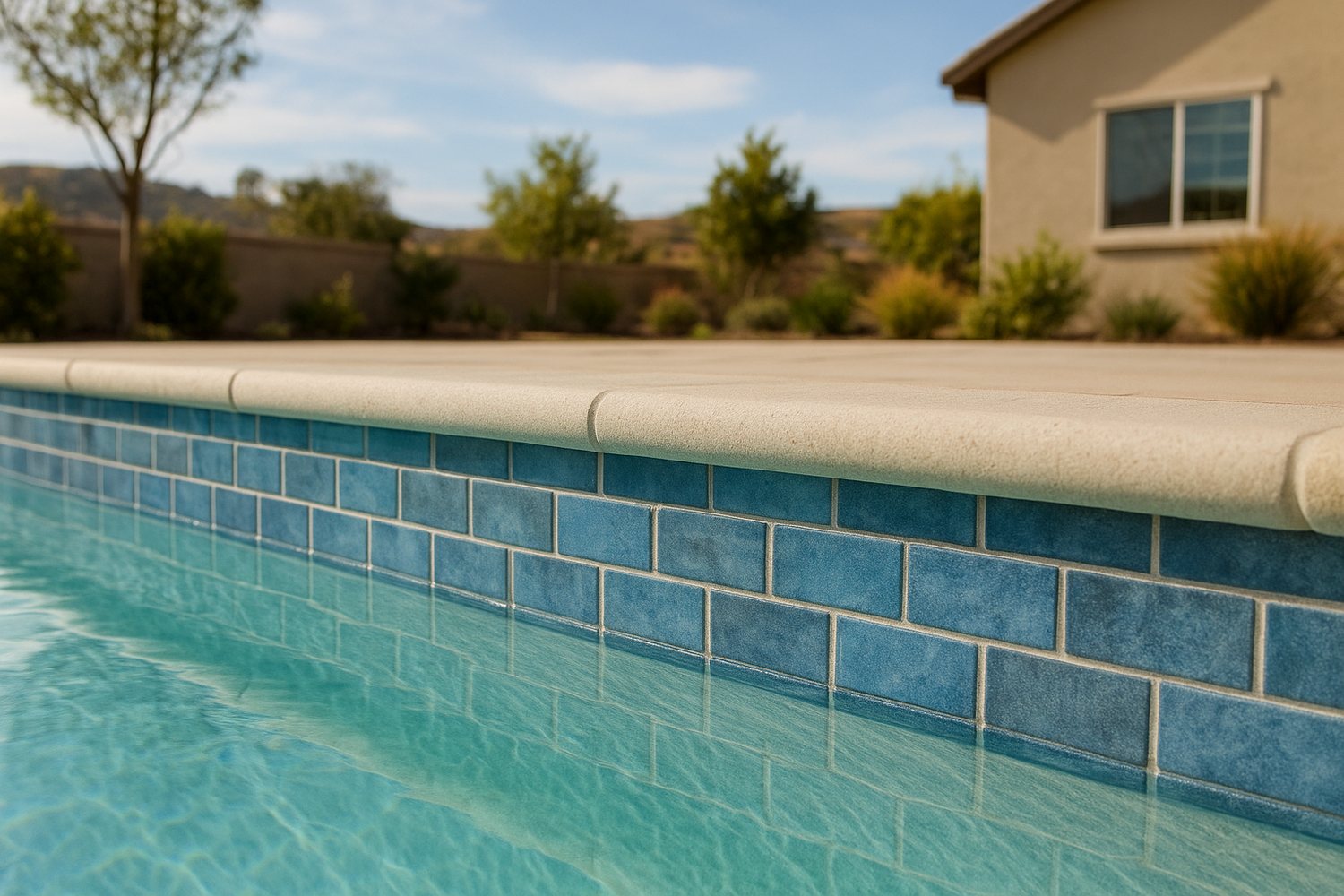
Edge details make a dramatic difference. Replacing waterline tile freshens the pool’s perimeter and simplifies cleaning, while new coping (the stone or concrete edging between pool and deck) can modernize the entire outdoor area. Choose from porcelain, glass, ceramic tile, or natural stone coping: each brings its own look and practical benefits.
Tanning Ledges and Built-In Spas
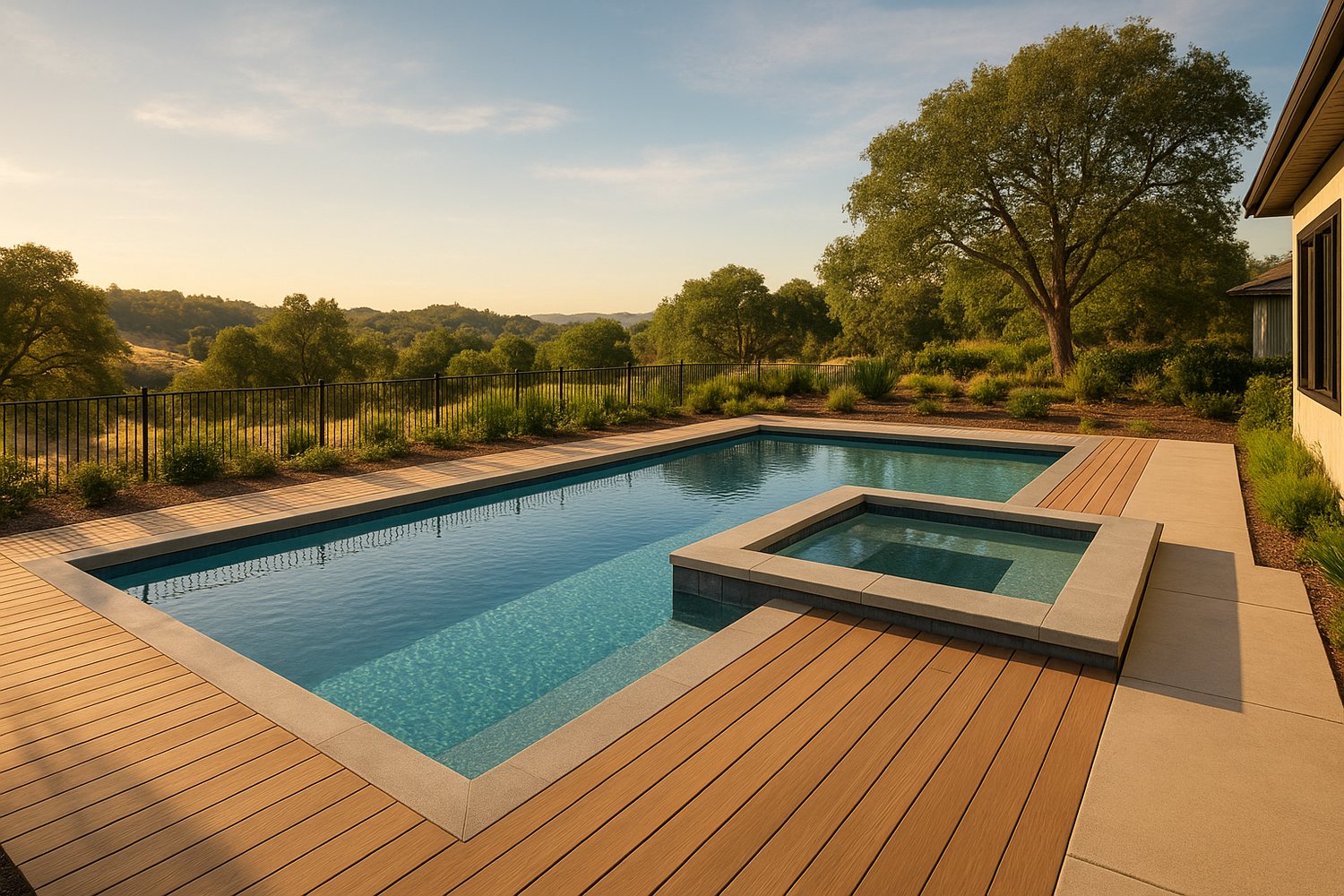
Few updates rival a custom tanning ledge or spa. A shallow ledge provides a relaxing spot for loungers and families with children, while an in-ground spa extends pool season and adds true backyard luxury. Both upgrades require tailored planning to ensure seamless integration with your existing pool structure and plumbing.
Step, Entry, and Bench Upgrades
Steps, benches, and entries see the highest wear—and offer the most comfort improvements. Replacing or reshaping steps, benches, or sun-shelves adds safety, accessibility, and visual appeal. Rounded edges and slip-resistant finishes make these features more inviting and safe for daily use.
Pool Equipment Modernization
Older pumps, heaters, and filters drive up energy costs and hassle. Equipment upgrades—including variable-speed pumps, cartridge or DE filters, and automation systems—quietly improve water quality, reduce utility bills, and give you easier control (often from your phone). Matching old plumbing to new systems takes planning but brings lasting payback.
Deck and Surround Replacement
Cracked, settled, or slippery decks date the entire pool area. Upgrading your deck lets you correct slopes, address drainage, and choose new textures and colors—from slip-resistant concrete to natural stone or pavers. A new deck not only looks cleaner but can improve safety and usability for decades.
Remodeling Done Right: Our Step-by-Step Approach
Every pool site is unique, but excellent results always follow a proven process that respects your property and delivers long-term durability. Here’s how a high-quality pool remodel and resurfacing should proceed—from prep through final detailing.
- Assess and secure the work area, drain the pool, and inspect subgrade conditions beneath the shell for cracks, movement, and moisture. Identify structural repairs or soil stabilization needed before finish work.
- Clean and prepare the shell surface—chipping out loose plaster, tile, or coping. Remove old expansion material and debris. Pressure wash to ensure a sound, clean base for bonding new finishes and tile.
- Install forms or edge guides for any new poured coping, steps, decks, or tanning ledges. Rebar or mesh is installed as needed to reinforce structural additions. Confirm level and stability before moving on.
- Place key reinforcements: this may include rebar dowels for new ledges, footings for spa additions, or mesh for deck pours. Reinforcement is carefully tied and checked for correct spacing and coverage.
- Mark and cut control and expansion joints to allow for concrete or material movement, preventing cracks and ensuring durability. Set waterline tiles and coping on clean, fully bonded mortar or adhesive beds.
- Apply plaster, aggregate, or specialty finishes using skilled, multi-person crews to achieve smooth, even texture and color. Finish new deck or coping surfaces with selected patterns and edge details. Clean tile lines for crisp, finished appearance.
- Cure plaster and concrete as recommended—mist or keep moist as needed, protect from rapid drying, and maintain a clean site. In some cases, protective sealers are applied to decks or stone coping for long-term wear and stain resistance.
Pros and Cons of Pool Remodeling
Strengths
- Extends the usable life of your pool without full replacement, saving money and materials.
- Customizes your pool’s appearance, features, and comfort to suit changing needs or aesthetics.
- Modern finishes and equipment add value, improve water quality, and reduce future maintenance.
- Correction of old damage or poor drainage prevents structural problems and water loss.
- Allows targeted upgrades—improve only what needs fixing or enhances everyday use.
Trade-offs
- Project times can stretch with weather, material supply, or if hidden damage is discovered.
- Construction zones are dusty and noisy; pool access is limited for several weeks.
- Some older pools may reveal underlying issues that expand scope and costs.
- Premium material upgrades raise upfront costs, though long-term maintenance may be lower.
Pool Remodeling & Resurfacing Costs Explained
There’s no shortcut to an honest cost estimate for pool remodeling or resurfacing. Every site brings unique challenges: pool size and shape, finish materials, wear history, existing structure, and your upgrade priorities all affect pricing. The real question is how to get reliable, lasting value—without hidden quality compromises or surprises. Let’s look at what drives pool renovation costs.
- Scope and complexity: Resurfacing only, or adding features like spas, ledges, or major deck replacement.
- Material choices: Plaster, pebble, quartz finishes, tile styles, and coping material all carry different costs.
- Surface condition: Extensive chipping out or shell repairs take more labor; structural fixes may be needed if cracks or leaks are present.
- Decking area and layout: Expanding or replacing pool decks, or adjusting grade and drainage, increases time and materials.
- Equipment upgrades: New pumps, filters, lighting, and automation vary widely by brand, efficiency, and integration needs.
- Access and site prep: Tight yard access, major tree roots, or steep slopes may require more staging and protection, adding labor.
Pool Finish Care and Longevity
Protecting your pool investment starts with attentive water chemistry. Regularly test pH, alkalinity, and sanitizer levels—especially after a new finish, as initial curing makes water more sensitive. Clean tile, coping, and decks gently to prevent etching or discoloration. Depending on your finish, expect typical resurfacing ranges from 8–15 years for plaster, up to 20+ for pebble or quartz materials if properly maintained.
Periodic resealing of natural stone coping or certain aggregate surfaces every two to five years helps prevent staining and chipping, especially with local hard water. Keep surrounding decks free of debris and leaves, especially after wind or storms. Address any small cracks or equipment leaks immediately—catching issues early extends finish and equipment life, and keeps your pool ready for every season.
Compare other options

Pool equipment, heating and automation
Explore expert pool equipment, heating & automation options for your Rocklin area home. Honest guidance, key choices, and what matters for lasting results.
Explore →
Freeform and natural-style pools
Discover expert insight into freeform and natural-style pools in Rocklin. Learn design options, build process, honest pros & cons, costs, care, and more.
Explore →
Pool interior finishes and tile
Discover pool interior finishes: white plaster, quartz, pebble, glass bead, tile options, durability, water color, and replastering. Rocklin, CA homeowners.
Explore →Frequently Asked Questions
How do I know if my pool needs resurfacing or a full remodel?
Common signs include rough, pitted, or stained surfaces; visible cracks; tiles falling off; persistent leaks or water loss; or outdated, noisy, or leaking equipment. If more than one major area needs work, a comprehensive remodel is often more cost-effective and reliable than piecemeal fixes. A professional inspection gives you a clear assessment and priorities.
What pool finishes last the longest?
Pebble and quartz aggregate finishes now outlast standard plaster. Expect 15–20 years or more with proper water balance and regular care. Standard plaster typically lasts 8–12 years before showing wear, while tile and stone can last decades but may need grout repair or resealing. Material choice should match your use, maintenance preferences, and budget.
Can I upgrade equipment during pool resurfacing?
Yes, pool remodels are an ideal time to replace old pumps, filters, heaters, or install automation controls. It’s usually more efficient to update plumbing, wiring, and pad layouts while the pool is drained and uncovered. This integration maximizes the benefit of your investment and sets your pool up for easier, more efficient use.
Will my pool need new drainage or regrading?
Not every remodel requires deck or yard regrading, but many older pools suffer from poor drainage, ponding water, or settled soil. If we find ongoing issues during inspection, targeted grading or new drains can be included to keep decks dry and the pool shell protected—especially important on sloped lots or where clay soil holds water.
How do I choose the right tile and coping?
Start by thinking about safety, cleaning, and how the materials will age under our local sun and hard water. Porcelain and glass tile clean easily; stone coping offers timeless character but might need more maintenance. Choose colors that match your landscape and consider how textures feel under bare feet. We provide samples to help you visualize the final look.
How long does a typical pool remodel take?
Simple resurfacing or tile replacement may take a week or two. Larger remodels—adding a spa, new decks, or structural repairs—can extend to three to five weeks depending on weather, inspection timing, and complexity. We plan staging carefully and keep you informed throughout, so there are no surprises or delays.
Are permits needed for pool remodeling?
Permit requirements depend on your address, city, and scope. New decks, electrical upgrades, or structural changes often trigger review, while basic resurfacing or tile work sometimes does not. We encourage you to check with your local HOA or building department before starting. If you need help, we’re happy to point you in the right direction.
What should I expect for maintenance after remodeling?
After a remodel, initial water chemistry is especially important as new finishes cure. Plan for frequent checks and light cleaning for the first month. Once stabilized, stick to regular testing, brushing, and filter cleaning. Most upgrades simplify maintenance long-term, but staying ahead of small issues maximizes the performance and longevity of your investment.
Ready to Renew Your Pool?
Email sales@californiahardscapes.com with your address, a brief project description, and photos—we will follow up to discuss next steps.