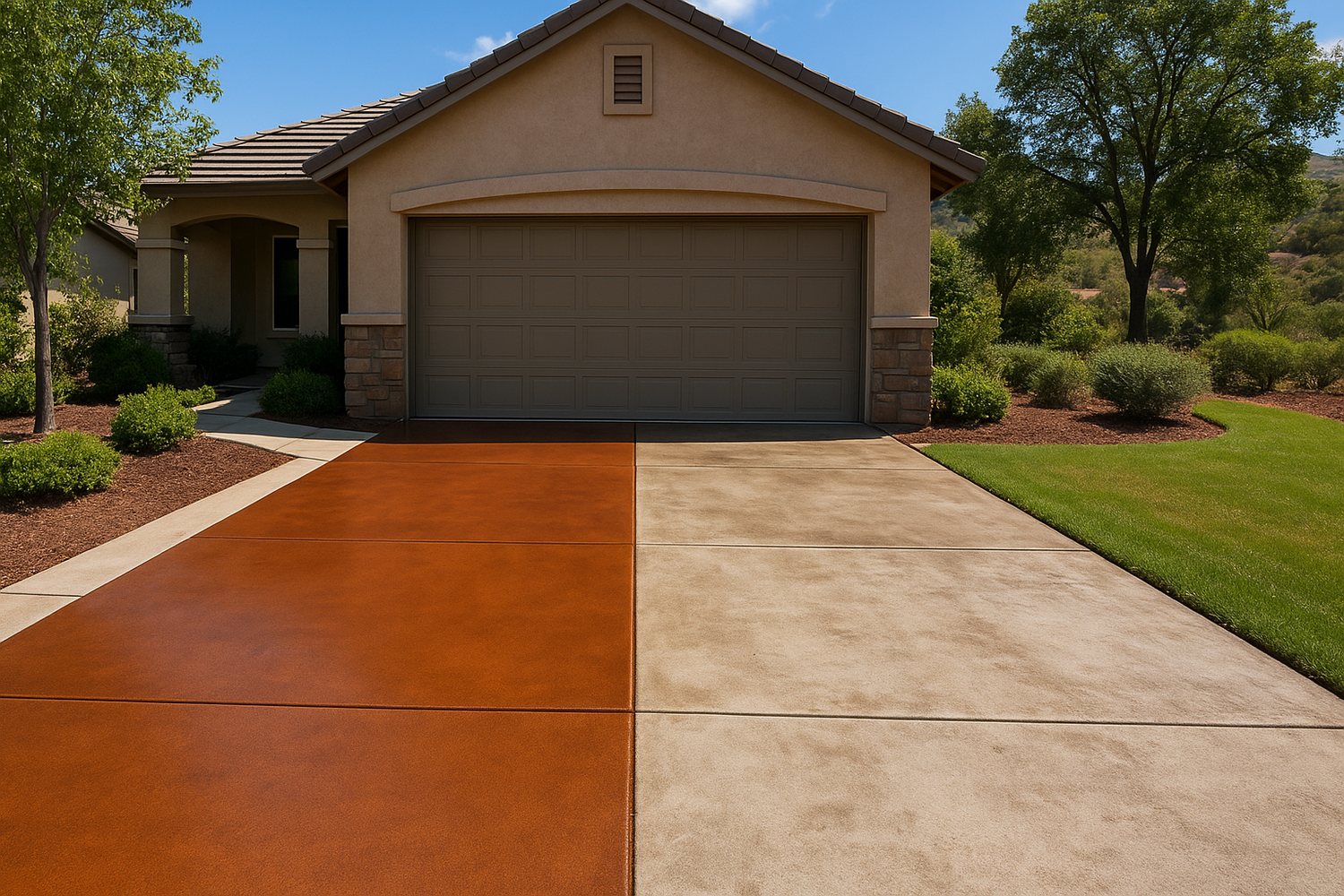
Concrete Repair or Replacement: Planning for Patios, Walks and Drives
If you’re considering what to do about cracked or worn concrete, this guide offers straightforward advice for homeowners in the region.
Cracked, stained, or uneven concrete can be a headache. This guide walks homeowners through practical steps to assess, repair, or replace patios, walks, and driveways.
Assessing the Condition of Your Concrete
Start by inspecting your concrete for cracks, spalling (surface flaking), uneven sections, and discoloration. In the Rocklin and Roseville area, winter rains and hot summers can speed up wear—look for puddling, trip hazards, or shifting that may signal deeper issues.
Check if cracks are narrow (less than a quarter inch wide) or wider. Fine cracks or cosmetic wear often respond well to repair and sealing, but wide or uneven cracks may point to foundation settling. Pay special attention to areas near irrigation, tree roots, or downhill slopes.
If you spot deep cracks, major height differences, or significant crumbling, note these issues. Record what you see and where; photos can help when consulting a professional. If you’re unsure, a straightforward site review can reveal whether underlying soil movement or drainage is part of the problem.
For more details on all our services, visit ourConcrete repair, sealing and replacementpage.
When Simple Repairs Make Sense
For surface-level concerns—like hairline cracks, minor chips, or early surface wear—repair is usually the most practical option. These fixes can prolong your slab’s life and freshen up its appearance, preventing larger problems down the line.
Techniques for repairs include crack and joint sealants, patching compounds, and resurfacing with specialized coatings made for local climates. A careful repair can stop water from seeping into concrete and further weakening it, especially vital during wet winter months in the Sierra foothills.
However, repairs may not blend perfectly with older finishes, and color-matching is always approximate. Think of repairs as functional upgrades—they boost safety and stability, though old and new surfaces may look slightly different for a while.
- Hairline cracks and chips can often be sealed
- Vertically misaligned sections may need grinding
- Surface stains can be treated and masked
The Role of Sealing in Concrete Maintenance
Sealing is a crucial step for almost any concrete, especially in this region where hot summers and seasonal storms are tough on slabs. Quality sealers help prevent water absorption, stains, and UV damage, all of which can cause cracks or surface wear.
Homeowners should plan to seal new or recently repaired concrete within the first year, with reapplication every few years. The right sealer—penetrating or film-forming—depends on the use: patios may benefit from a slip-resistant finish, while driveways need oil and water resistance.
Neglected sealing can lead to quicker surface breakdown, meaning small repairs grow into major replacement needs. If your concrete hasn’t been sealed in years, or at all, now is a smart time to consider it as a preventative investment.
- Sealing extends lifespan and appearance
- Shields against stains from leaves, vehicles, pets
- Essential for preventing freeze-thaw damage
| Issue | Repair & Seal | Replace | Typical Longevity | Best for |
|---|---|---|---|---|
| Small cracks/chips | Yes | No | 5-8 years after repair | Stable areas, minor flaws |
| Widespread cracking | Temporary | Yes | 15-30 years after | Major settlement, older slabs |
| Discoloration | Yes (cosmetic) | Optional | Varies | Entry paths, patios |
| Heaving/settling | No | Yes | 25+ years after | Driveways, walkways |
| Deep stains/oil | Maybe | Yes | 25+ years after | Garages, older slabs |
Replacement: When Repair No Longer Pays Off
Sometimes, replacement is the most practical and cost-effective choice. If your slab is severely cracked, uneven, or crumbling, repairs simply mask the problem for a short time. Chronic drainage issues or repeated repairs point to bigger issues that patching won’t solve.
Replacement offers a chance to update layout, colors, or finishes. For driveways and high-traffic walks, upgrading base prep, drainage, and reinforcement improves durability. In the greater Folsom and Auburn area, local soil and seasonal freeze/thaw cycles should be considered in any replacement plan.
Be realistic about timing: replacement is a larger project. It usually means removing old concrete, prepping subgrade, pouring new, and allowing proper curing. Planning ahead lets you coordinate other landscape or utility work for a smoother result.
- Widespread cracking and heaving signals replacement
- Extensive spalling or multiple failed repairs are red flags
- Consider new design options with a full replacement
DIY vs. Professional: Weighing Your Options
Some minor repairs—like filling tiny cracks or sealing a small patio—can be done by homeowners ready for a weekend project. Local hardware stores carry basic patch and seal products, but proper prep, cleaning, and weather timing are essential for best results.
For more serious issues, or when appearance counts, a professional’s experience pays off. Surface matching, stable repairs, and long-term performance require skill, especially in this region’s clay and DG (decomposed granite) soils. Professionals can also spot hidden structural or drainage concerns.
If you’re debating a DIY approach, ask yourself whether you can prep and repair properly. Concrete work requires special tools and safety gear; some products are caustic or tricky to apply. Missteps can end up costing more down the line, especially with visible patios or prominent walkways.
- DIY is fine for minor surface repairs
- Complicated cracks or uneven slabs often need expertise
- Matching color/texture is harder than it looks
Explore theConcrete optionsoverview to see what’s possible for your project.
Planning for Regional Climate and Soils
Local weather plays a big part in how concrete ages. Summers in Roseville and Granite Bay bring high temps and UV, while winters add rain and the risk of freeze/thaw damage. Make choices with these patterns in mind to avoid repeat problems.
Soil conditions in the area range from dense clay to sandy loam and decomposed granite. Each type impacts settling, drainage, and risk of cracking. Ground movement or poor base prep can cause as much damage as surface wear—addressing these factors is key.
Site-specific planning might mean adding better drainage, controlling irrigation, or choosing specialized reinforcement. These decisions help your patio, walk, or drive last longer and look better through the years.
- Adjust drainage for rainy winters
- Use UV-resistant finishes for intense sun
- Consider subgrade reinforcement where needed
Coordinating with Landscaping and Outdoor Features
If you’re planning a refresh, consider future (or current) landscaping, lighting, and outdoor structures. New concrete work is an ideal time to install or upgrade drains, lighting conduits, irrigation sleeves, or planting beds.
Integrating concrete with existing patios, retaining walls, or pool decks often requires careful layout and transitions. This is especially true when tying into older materials or matching colors and textures. Early planning avoids tricky “afterthought” fixes.
In complex projects, phased construction—such as pouring driveway sections before new plantings—can prevent damage and help manage budgets. Good coordination produces durable, attractive spaces with fewer disruptions.
- Plan for future irrigation or lighting upgrades
- Coordinate color and finish with other hardscape
- Protect new concrete from heavy equipment
Getting Advice and Planning Your Project
Gather the facts: measure your affected areas, photograph concerns, and note drainage, shade, and tree root locations. This groundwork ensures your decisions are based on actual need rather than guesswork or a one-size-fits-all approach.
Consulting with a regional expert familiar with Rocklin, Roseville, and surrounding soils and building codes is the smartest next step. An experienced assessment can help you clarify whether repair, sealing, or replacement is the best value for your home.
Ultimately, investing in well-planned concrete projects—whether a simple fix or a major upgrade—boosts curb appeal, function, and long-term property value. Careful planning now can prevent headaches later and deliver unbeatable outdoor spaces.
- Document cracks, slopes, settling concerns
- Factor in local climate and soil for best results
- Expert advice streamlines planning & execution
Have questions or need expert input? Request aconsultation with our team.
Planning a concrete project?
Call or text 916-741-0633, or email sales@californiahardscapes.com with your address, a short description and a few photos, and we will arrange a consultation.