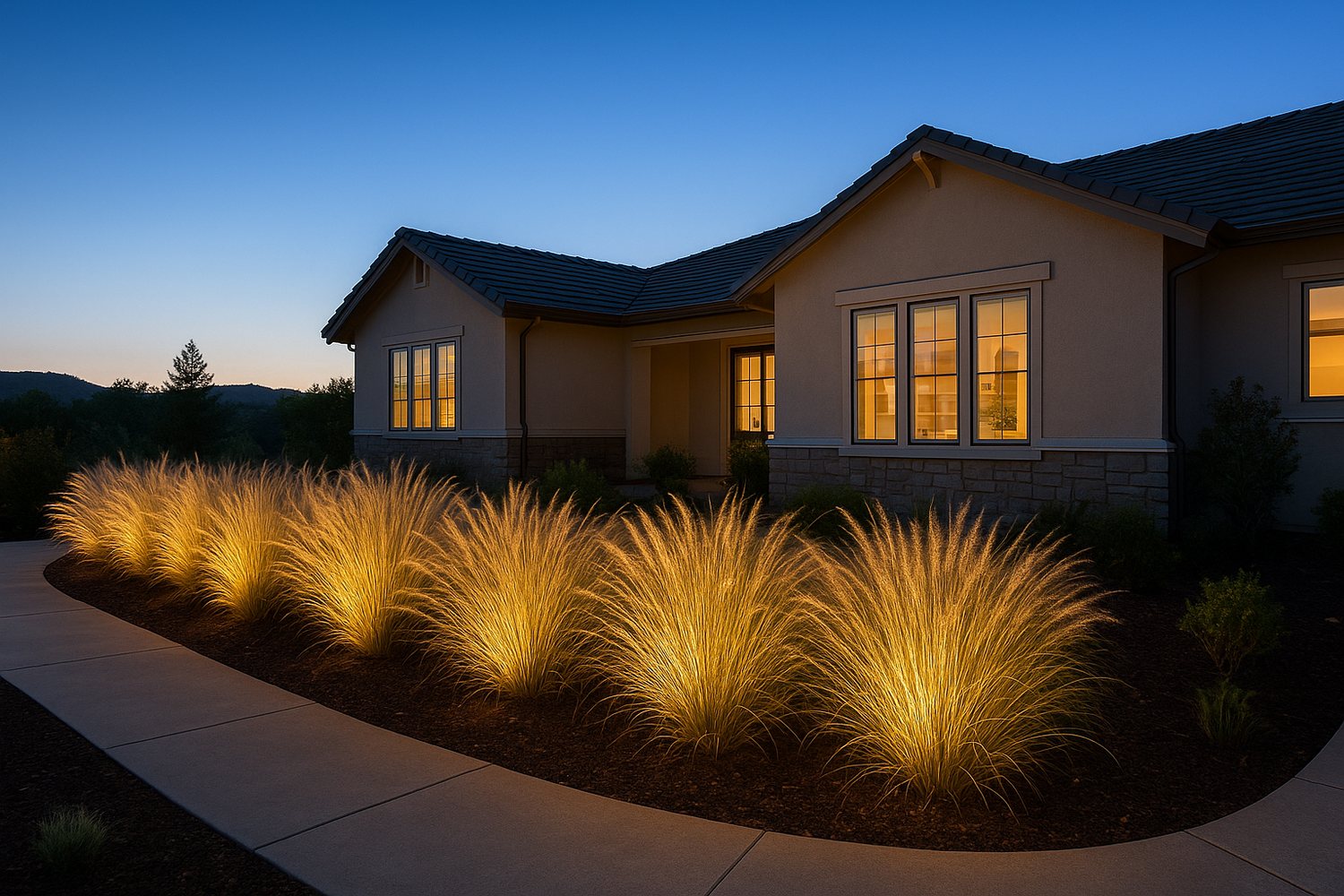
Layering Landscape Uplighting for Stunning California Evenings
Good landscape uplighting doesn’t happen by accident. Here’s a practical approach to planning layered lighting for trees, focal points, and paths in your yard.
Careful planning is the key to beautiful and functional landscape uplighting. Homeowners in the greater Rocklin and Sierra Foothills areas benefit from layered techniques that bring out the best in every yard.
Why Layered Lighting Matters in California Yards
Layered lighting means using different types of outdoor lights in thoughtful combinations. This approach avoids harsh hotspots or flat, uninspired illumination. In our region, where landscapes mix mature trees, varied terrain, and year-round outdoor living, layering light has practical and aesthetic benefits.
You want lighting that’s functional, safe, and beautiful. Layered lighting can highlight features like heritage oaks or stone retaining walls while also guiding footsteps along a winding path. The goal is to let your yard’s best parts shine at night—without overwhelming the garden or missing hidden hazards.
Weather matters here too. From dry summer dust to crisp morning fog, layered lighting adapts to changing moods and needs. Soft uplights on foliage, discrete path lights, and task lighting for gathering spaces work together to create inviting spaces all year.
Learn more about uplighting techniques and fixture options on ourTree and landscape uplightingpage.
Know Your Landscape’s Features Before Planning
Start by assessing what you want to highlight. Large trees, specimen shrubs, fences, water features, or textured stone walls all respond differently to uplighting and accent lights. Walk your yard at dusk to spot natural focal points and areas that need illumination for safety.
Consider how your space is used. Do you entertain under a big oak in summer? Is there a fire pit or pool patio that gets year-round use? Each of these spaces may need a different lighting strategy—one that balances ambiance with enough brightness for practical tasks.
Soil, irrigation, and plant types in Placer and Sacramento counties can also affect lighting choices. For example, wide canopies may need multiple uplights, while hard, rocky soil might limit stake placement. Review these factors before finalizing any fixtures.
- List out plants and trees to be featured
- Identify travel paths and transitions
- Note terrain: slopes, hardscape, planting beds
Types of Lights for Layering Effects
Tree uplights are a backbone of layered landscape plans. When aimed carefully, they emphasize trunks and canopies, drawing the eye up and casting gentle patterns below. Brass or aluminum fixtures weather well here, resisting corrosion from irrigation and mineral soils.
Accent lights highlight boulders, statues, or textured walls. Path lights set low to the ground mark walkways, edges, and grade changes—very useful in our semi-rural and suburban neighborhoods. Don’t overlook deck or step lights for patios and stairs.
Choose fixtures that match your style but prioritize performance and placement. Warm-white LEDs are popular for California yards, offering high efficiency without distorting plant colors. Make sure all fixtures are rated for outdoor use and local weather.
- Up lights for trees and tall plants
- Accent spots for focal points
- Low path lighting for movement areas
- Step/deck lights for safety
| Feature | Uplights | Accent Lights | Path Lights | Step/Deck Lights |
|---|---|---|---|---|
| Purpose | Highlight trees/canopy | Focal points | Guide pathways | Illuminate steps |
| Preferred Location | Base of trunks | Boulders, walls | Walkway edges | Stairs, patio perimeters |
| Typical Placement | Multiple per tree | One per feature | Staggered along path | Flush or surface mount |
| Best Lamp Color | Warm white (2700K) | Warm white (2700–3000K) | Warm white | Warm white |
Designing a Layered Lighting Scheme Step-by-Step
Start at the largest elements and work down. Begin by lighting canopy trees or tall features, then introduce accent lights for mid-height shrubs or garden pieces. Fill in with path and step lighting only after core features are established.
Space uplights far enough to avoid “hot spots” on trunks or patchy shadows above. In our open yards, aim fixtures at different angles for natural, balanced spreads. For paths, stagger lights opposite one another instead of lining up like a runway.
Consider how lights layer visually from different angles—street view, patio, or kitchen window. Walk around at night with a flashlight or sample fixture to test potential placements. Making these adjustments now saves headaches later.
- Light canopy trees first, then mid-level features
- Stagger path lights for natural flow
- Test night views before final installation
Addressing Common Lighting Challenges Locally
California’s soils can be loose, rocky, or compacted, affecting how you install fixtures. For uplights around mature oaks or redwoods, use deep stakes or sleeves to secure them and avoid root damage. Where soil is thin, surface-mounted options are often more stable.
Drought-tolerance matters here: plan fixture locations to minimize interference with irrigation and avoid drenching wires or connections. Shields and targeted beams also reduce glare and offsite light spill, which is important in neighborhoods with night sky ordinances.
Think about wildlife and maintenance needs. Fixtures should withstand rodent activity, leaf litter, and the occasional misplaced soccer kick. Discuss with your installer about easy access for bulb changes or unexpected repairs.
- Use deep stakes for loose/rocky soils
- Choose corrosion-resistant materials
- Design for easy maintenance and adjustments
Explore all your possibilities by browsing ourOutdoor Lightingsolutions overview.
Integrating Lighting with Existing Hardscapes
Hardscapes like concrete patios, retaining walls, and walkways influence light placement. Integrate lighting into masonry or under capstones for a seamless look—especially around pool decks or entry steps. Recessed options can stay out of sight and out of the way.
Where patios and stone walls meet planting beds, tuck small fixtures behind rocks or into planter edges. These hidden sources provide useful illumination without taking attention from your landscape or entertaining space.
If you’re updating hardscapes, talk with your contractor early about lighting runs. Planning ahead makes it straightforward to hide wires, build in fixture mounts, and ensure everything looks as intentional as the rest of your outdoor living setup.
- Recess fixtures into walls and walkways
- Hide wires during hardscape construction
- Coordinate lighting early in project planning
Energy Efficiency and Scheduling for the Sierra Foothills
LED fixtures are the best choice for low energy use and minimal heat output, vital for dry summers and sensitive plantings in Placer and El Dorado counties. Newer systems allow for dimming and zoned controls, so you can set lower levels on quiet nights or ramp up for gatherings.
Automated timers and photosensors let lights come on at dusk and off at dawn—no more forgetting switches or coming home to a dark driveway. Seasonal adjustments are easy with modern smart controllers.
Schedule lighting to account for local wildlife cycles and neighborhood quiet hours. Use lower brightness settings or limit certain zones after bedtime if needed. A little forethought goes a long way for neighborly outdoor enjoyment.
- Use LEDs for efficiency and cool operation
- Automate with timers or smart controls
- Program by season or event
Getting Started: Plan with a Local Specialist
Consulting with a specialist familiar with our local soils, trees, and climate saves time and prevents costly missteps. Work with a team that coordinates hardscapes, plantings, and lighting in one comprehensive plan for the best results.
Bring any ideas or inspiration photos to your first site walk. The team can help prioritize features, sort fixture options, and align lighting strategies with your maintenance preferences and future outdoor living plans.
Proper planning leads to beautiful, enduring results. From Rocklin to Folsom and Auburn, quality outdoor lighting enhances both safety and the unique style of every California backyard.
- Involve a lighting expert early
- Coordinate lighting with landscaping and hardscapes
- Review ongoing maintenance requirements
Ready to discuss your ideas? Request a call or in-person consultation with our team using ourcontact request form.
Planning an outdoor lighting project?
Call or text 916-741-0633, or email sales@californiahardscapes.com with your address, a short description and a few photos, and we will arrange a consultation.