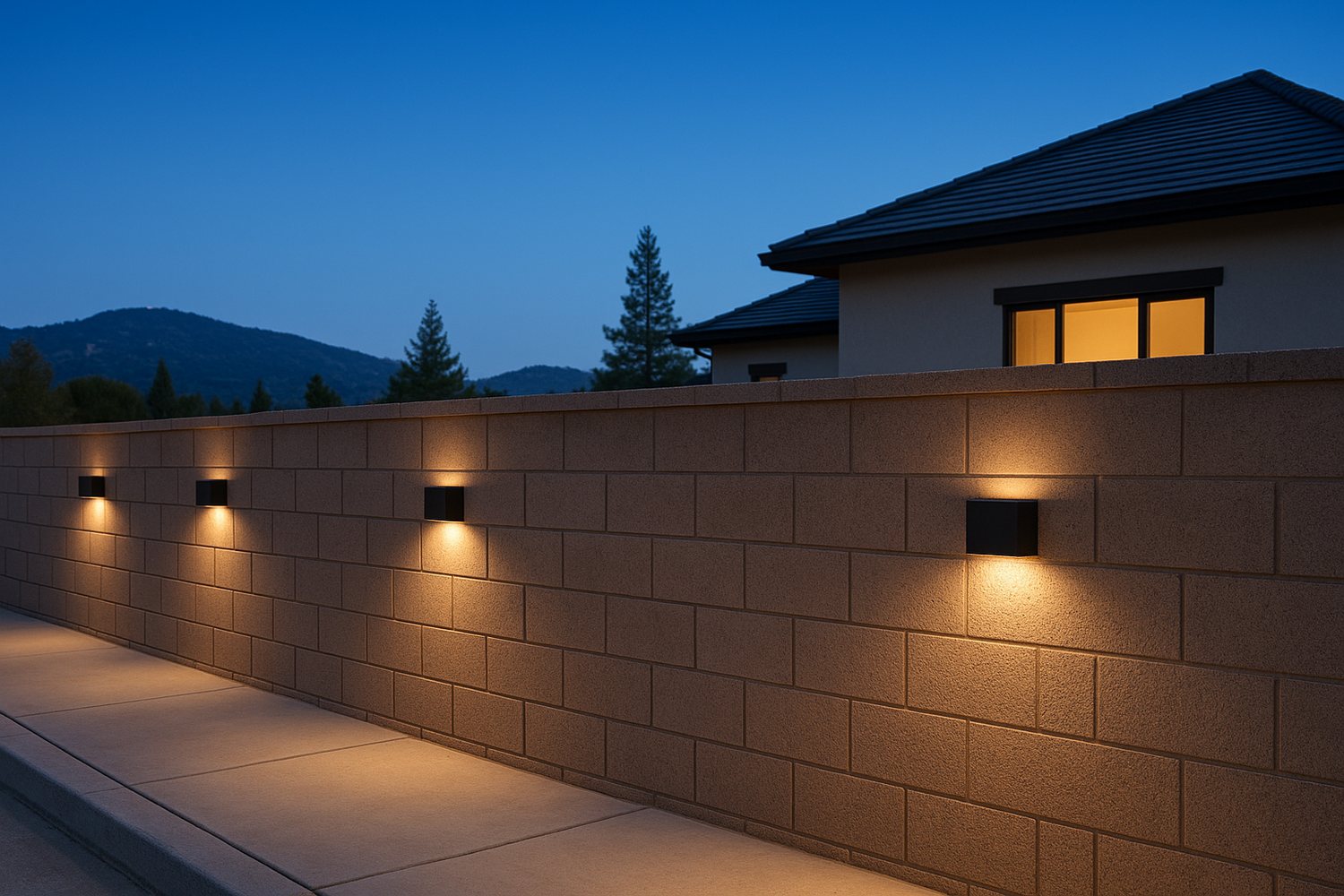
Wall Washing vs Grazing: Choosing Outdoor Facade Lighting
Wall washing and grazing each offer unique effects for outdoor wall and facade lighting in the greater Rocklin area. Here’s how to choose the best fit.
Choosing between wall washing and grazing can change the look and feel of your outdoor space. Here’s a practical guide for local homeowners.
Understanding Wall Washing and Grazing
When it comes to wall and facade lighting, two common techniques homeowners encounter are wall washing and grazing. These methods are designed to highlight your home’s exterior, but they produce very different effects. By understanding the key distinctions between them, you can make an informed decision that aligns with both your taste and your property’s needs.
Wall washing generally bathes exterior surfaces in an even, diffuse glow. Fixtures are installed a few feet away from the wall, often hidden in landscaping or behind hardscapes. Grazing, on the other hand, uses sharper beams placed close to the surface to emphasize textures like brick, stone, or rough concrete, bringing out every detail.
For residents in Rocklin, Roseville, and nearby areas, the choice often comes down to your specific goals: do you want your walls to glow softly, or do you want to showcase their unique patterns and craftsmanship? Both approaches have strengths, depending on your material choices and landscaping layout.
- Wall washing hides blemishes and smooths appearance
- Grazing intensifies surface texture and depth
- Lighting position and angle are key for each effect
For more details about specific wall and facade lighting techniques, visit ourWall and facade lightingpage.
How Wall Washing Illuminates Surfaces
Wall washing is ideal when you want a clean, even illumination across masonry, stucco, or smooth concrete. This technique makes outdoor walls look taller and more expansive, transforming them into blank canvases free of harsh shadows. It’s especially attractive if your home or retaining walls have a fine finish or a contemporary style.
In the dry Sacramento Valley climate, wall washing can minimize the visibility of dust or minor discoloration that sometimes builds up on light-colored surfaces. The fixtures are typically set back twenty inches or more from the wall, casting a wide beam upward or downward for a soft, welcoming look.
Wall washing is most effective when the wall is relatively flat and free of deep textures or sharp relief. You’ll appreciate this method if you’re seeking subtlety and overall brightness, rather than highlighting individual bricks or stones.
- Creates a uniform, soothing glow
- Minimizes visual imperfections on flat surfaces
- Complements modern and smooth finishes
What Grazing Highlights on Your Facade
Grazing is the go-to technique if your home features textured stone, split-face block, or richly detailed concrete. By positioning fixtures just six to twelve inches from the wall and aiming the beam parallel along the surface, you create dramatic shadows that bring out the geometry and character of every ridge and groove.
In neighborhoods like Folsom and Granite Bay, where homes may use flagstone, ledgestone, or rough-finished retaining walls, grazing makes those materials stand out—especially at night. This style of lighting is sometimes called ‘texture lighting’ because it reveals the physical depth of the surface, turning shadows and highlights into part of your design.
Grazing requires careful placement and professional installation to avoid hotspots or overly harsh lines. It’s most successful on facades with plenty of relief, where natural indentations and protrusions can catch the light in interesting ways throughout the evening.
- Accentuates stone and textured material
- Creates dramatic visual interest at night
- Best for facades with pronounced surface variation
| Technique | Ideal Surfaces | Effect | Fixture Placement | Best Uses |
|---|---|---|---|---|
| Wall Washing | Smooth concrete, stucco | Even, diffuse glow | 18–30” from wall, wide beam | Highlighting modern or clean finishes |
| Grazing | Stone, textured block | Shadows, pronounced texture | 6–12” from wall, narrow beam | Showcasing relief, stonework |
| Combination | Mixed surfaces | Layered, varied effects | Both washing and grazing fixtures | Comprehensive curb appeal |
| Neither | Highly irregular or cluttered walls | Difficult to achieve clean look | Alternative accent options | Specialty or seasonal lighting |
Comparing Wall Washing and Grazing: What Works Where
Choosing between wall washing and grazing isn’t just about style; it’s about coordinating with your home’s materials and landscape features. For smooth stucco or finished concrete, washing is the clear winner for an expansive, welcoming look. For stacked stone, ledge, or block retaining walls, grazing will make every surface detail come alive after sunset.
Consider how these lighting effects interact with patios, walkways, or pool areas. Wall washing adds ambient light that’s great for gatherings and outdoor dining. Grazing, while eye-catching, tends to cast sharper shadows, which enhance drama but can reduce visibility directly in front of the wall.
Both techniques benefit from quality fixtures designed for California’s dust, heat, and occasional heavy rain. Installation should be planned with an eye for safety and regional best practices, ensuring that lighting complements, rather than competes with, other elements in your landscape.
- Washing flatters smooth surfaces and large planes
- Grazing spotlights texture and detail work
- Both require correct beam angles and spacing
Energy and Maintenance in Our Local Climate
Outdoor wall lighting needs to stand up to sun, dust, and hard water—all common in Placer, Sacramento, and El Dorado Counties. Opting for LED fixtures (available in both washing and grazing versions) will help keep energy bills low and replacement hassles rare, benefiting from modern technology and materials.
It’s practical to schedule regular cleaning, especially if you’re near open space, landscaping, or driveways where dust accumulates. Wall washing can sometimes hide light dirt, but grazing will reveal even minor buildup by emphasizing surface detail—so maintenance needs differ depending on the technique you choose.
Professional installation by experienced contractors ensures your system is routed correctly, avoids water intrusion, and meets code standards. The right setups include sealed, corrosion-resistant components tailored for the local environment, providing real longevity for your investment.
- Choose durable, sealed lighting fixtures
- LEDs cut long-term energy use
- Consider easier access for routine maintenance
You can explore all your choices by reading ourOutdoor Lightingoptions overview.
Visual Impact: Enhancing Curb Appeal with Light
Both wall washing and grazing can bring new vibrancy to your home’s curb appeal, but each creates a specific mood. Wall washing offers a refined, understated elegance, making architecture look clean and cohesive. The soft glow works particularly well on front facades and poolside backdrops, setting a resort-like atmosphere.
Grazing provides a bold, dynamic effect, showing off the quality of your stone, block, or tile. The play of shadow and light captures attention and creates a sense of depth—perfect for garden accent walls, water features, or custom masonry elements you want visitors to notice from the street.
The smartest lighting designs use a combination of both techniques. For example, you might wash broad walls at the entrance and graze focal points nearby. This layered approach makes the whole property feel intentional and welcoming after dark.
- Wall washing: best for softening and unifying
- Grazing: highlights craftsmanship and materials
- Mix effects to showcase multiple features
Planning Your Lighting: Materials and Project Flow
Start by assessing your wall materials and finishes—are they smooth, or do they show off a rich texture? Next, consider how any new lighting will integrate with patios, walkways, and plantings. A clear plan from the beginning ensures light levels feel balanced and fixtures are tucked away from common traffic routes.
For many homeowners, working with a contractor experienced in both concrete and landscape lighting—like the team at California Hardscapes—leads to better results. Professional advice can help pick the right fixtures and angles, ensuring you avoid common pitfalls like light pollution or glare.
Discuss project flow with your installer: it’s often easier to run wiring and plan fixture locations early in a new hardscape or pool project, rather than retrofitting later. Thoughtful integration adds value for years to come, keeping your yard beautiful and straightforward to maintain.
- Evaluate wall texture and surrounding features
- Coordinate lighting plans during hardscape installation
- Work with professionals for seamless results
Ready to Transform Your Space?
Whether you’re renovating, upgrading old fixtures, or simply want your evenings to feel more inviting, understanding wall washing and grazing is a great first step. There’s no substitute for seeing these effects on your own property—and modern lighting offers flexibility to change or combine styles if your needs evolve.
Local homeowners can benefit from an expert eye that considers not just what looks good, but what fits your lifestyle, landscape, and the practicalities of living in this region. Reliable installation and premium materials will keep your walls brilliantly lit for years to come.
If you have questions or want help planning your wall and facade lighting, a quick conversation with an experienced team can clarify your options. The right lighting truly changes how you enjoy your home after dark.
- Lighting choices are both aesthetic and practical
- Professional guidance adapts plans for local climate
- Integrated design means lasting value and enjoyment
If you’d like a personalized assessment for your home,request a consultationwith our team.
Planning an outdoor lighting project?
Call or text 916-741-0633, or email sales@californiahardscapes.com with your address, a short description and a few photos, and we will arrange a consultation.