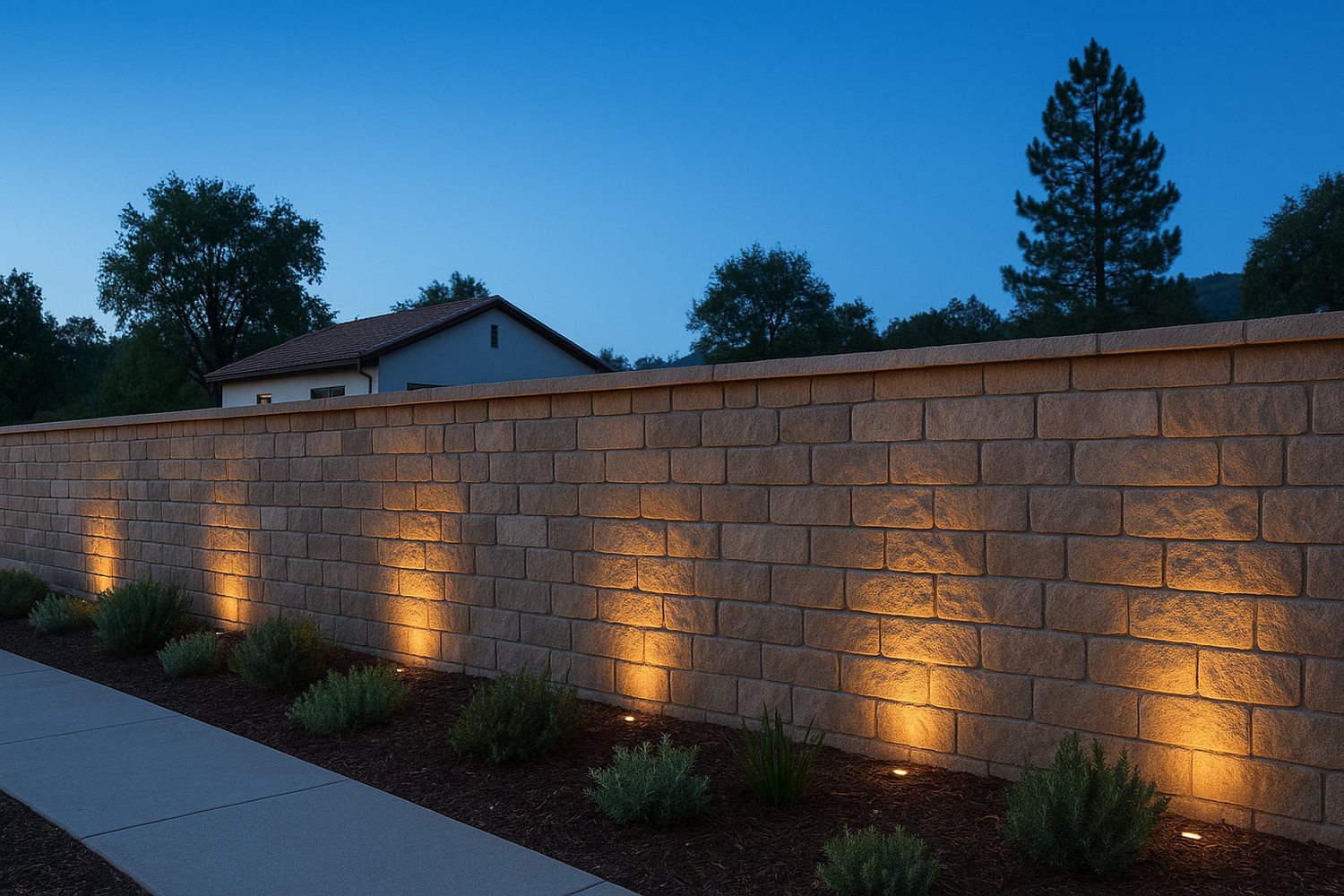
Wall and Facade Lighting: Bringing Stone and Textured Walls to Life
Effective wall and facade lighting can dramatize stone and textured surfaces outdoors. Learn how to highlight your exterior with design tips specific to our region.
Stone and textured walls are key features in many Northern California yards. The right wall and facade lighting can highlight their beauty well after sunset.
Why Wall and Facade Lighting Matters
The unique character of stone and textured walls comes alive under thoughtfully designed lighting. In our neighborhoods from Rocklin to Granite Bay, evening curb appeal and ambiance rely on more than daytime landscaping. Lighting brings out color, shadow, and depth that isn’t visible in daylight.
Purposeful lighting defines your yard’s features while boosting safety and security. For homeowners in areas like Auburn or Folsom, wall and facade lighting lets you spend more time enjoying outdoor spaces. Evening entertaining becomes easier, and pathways feel safer with gentle illumination.
Choosing to light your walls isn’t just about appearances. Illuminating natural textures can deter unwanted visitors and extend the functional use of patios and garden beds. In Northern California, it also prepares your home for early nightfall in winter months.
Explore more techniques and options on ourWall and facade lightingpage.
Types of Outdoor Wall Surfaces and Textures
Stone veneers, concrete block, stucco, and natural rock are common in local landscapes. Each material responds differently to light, creating unique effects. Understanding your wall’s surface helps determine the best lighting technique and fixture.
Textured surfaces like split-face block or stacked stone scatter light, showing shadow and relief. Smooth stucco or large poured walls reflect light more evenly, offering subtler brightness. Your material choice shapes whether you want dramatic shadows or soft glows.
If your property includes retaining walls, garden walls, or outdoor fireplace surrounds, each presents a chance for accent lighting. Knowing the specific texture and color palette guides placement for fixtures, color temperature, and brightness.
Choosing Lighting Fixtures for Textured Walls
Not every fixture suits every wall. For rough stone or uneven facades, look for adjustable downlights and well lights, which can be placed at the base or mounted above. Louvered step lights work well for low walls and safety-focused areas.
Wall washers can create soft, ambient light for smoother surfaces, but on deeply textured stone, they might highlight every crevice—sometimes too much. Grazing lights placed close to the surface are ideal for showing off rugged textures and casting long, dramatic shadows.
In our area, LED options with warm color temperatures (2700K-3000K) typically look best against natural materials, providing inviting light that minimizes glare and light pollution. Weather resistance and energy efficiency should also be priorities.
- Grazing lights: enhance shadow and depth
- Wall washers: uniform, gentle glow
- LED step lights: increase walkway safety
- Directional downlights: focus attention or highlight details
| Lighting Technique | Best For | Effect | Common Fixture Type |
|---|---|---|---|
| Grazing | Rough/stone walls | Emphasizes texture | Low, directional spotlight |
| Washing | Smooth stucco/concrete | Soft, even glow | Wall washer fixture |
| Downlighting | Tall stone or retaining walls | Highlights features, casts shadow | Mounted directional downlight |
| Step Lighting | Low walls/pathways | Enhances safety, subtle accent | Recessed LED step light |
Placement Tips: Maximizing Texture and Mood
Lighting placement affects both aesthetics and function. For stone walls, position grazing fixtures low and aim parallel to the surface—this emphasizes roughness and creates visually rich patterns. Avoid aiming lights directly outward, which flattens features.
Try mounting downlights above feature walls or retaining walls to create cascading highlights. If your wall backs a patio or pool, angle the fixtures so the light washes over the texture but minimizes harsh glare in seating areas.
Spacing also matters. Keep fixtures far enough apart to avoid overpowering the wall’s appearance, but close enough that no area is left completely in shadow. Test locations at dusk to ensure a balanced look and update placement as plant growth or hardscape changes.
- Aim grazing lights close and parallel to wall
- Shield eyes from direct bulb glare
- Adjust for seasonal shadows and foliage
Color Temperature and Intensity: Finding the Sweet Spot
Color temperature is the warmth or coolness of light, and it shapes the ambiance of your outdoor walls. For California’s stone and concrete, warm white LEDs (2700K–3000K) most closely mimic firelight and suit earth tones best.
Intensity or brightness deserves careful attention. Overly bright fixtures can spoil the mood and disrupt your neighbors. Instead, aim for a subtle glow that still reveals stone detail and increases night usability without excessive glare.
The right combination helps your home stand out without dominating the evening view. Consider dimmable fixtures controlled by timers or smart switches for flexibility during gatherings or quiet nights outdoors.
- Warm LEDs highlight natural materials best
- Use dimmers for customized ambiance
- Opt for shielded fixtures to limit spill light
Discover how wall lighting fits within our complete selection ofOutdoor Lightingsolutions for your home.
Addressing Regional Climate and Outdoor Conditions
The Rocklin area’s hot summers, cool nights, and rainy winters demand outdoor lighting that can handle temperature swings and moisture. Stainless steel, brass, or powder-coated aluminum fixtures resist corrosion. Seals and gaskets are a must for electrical safety.
Sturdy materials and sealed, weatherproof designs are critical for durability. Solar lights offer flexibility, but wired, low-voltage LED systems remain the most reliable for consistent performance in regional weather conditions.
Landscaping can change over the seasons, potentially shifting shadows and light patterns. Choose adaptable mounting hardware that allows you to reposition fixtures as plants grow or are pruned.
- Use corrosion-resistant fixtures
- Ensure all electrical components are sealed
- Plan for shifting shadows from seasonal plant changes
Coordinating Wall Lighting with Your Landscaping and Hardscape
Think of wall and facade lighting as one part of a layered outdoor lighting plan. Coordinate it with pathway lights, uplights for trees, and accent features for a cohesive nighttime environment.
In our communities, walls often blend into patios, walkways, or pool decks. Seamless integration of lighting avoids harsh transitions and helps unify your landscape design, making every feature stand out for the right reasons.
Work with your landscape designer or contractor to create balance. Avoid overlighting any one area, and use fixture finishes that match or complement your existing hardscape materials for a premium, tailored appearance.
- Blend wall lighting with pathway and accent lights
- Unify materials and fixture finishes
- Balance light across multiple outdoor features
Getting Started with Your Wall Lighting Project
Before installing fixtures, walk your property at dusk and note which walls would benefit most from lighting. Prioritize areas you see from indoor windows, high-use outdoor living spaces, and prominent street-facing facades.
Work with a contractor who understands California’s codes and climate. At California Hardscapes, every project is managed by insured, licensed professionals with experience in all aspects of outdoor construction and lighting.
Plan ahead for future changes to landscaping or patios. Choose lighting solutions you can update as your landscape matures, ensuring your walls always look their best—season after season.
- Evaluate at dusk to see real shadow effects
- Consult with professionals for safety and longevity
- Plan for future landscape or patio updates
Ready to start your project?Request a consultationwith the California Hardscapes team today.
Planning an outdoor lighting project?
Call or text 916-741-0633, or email sales@californiahardscapes.com with your address, a short description and a few photos, and we will arrange a consultation.