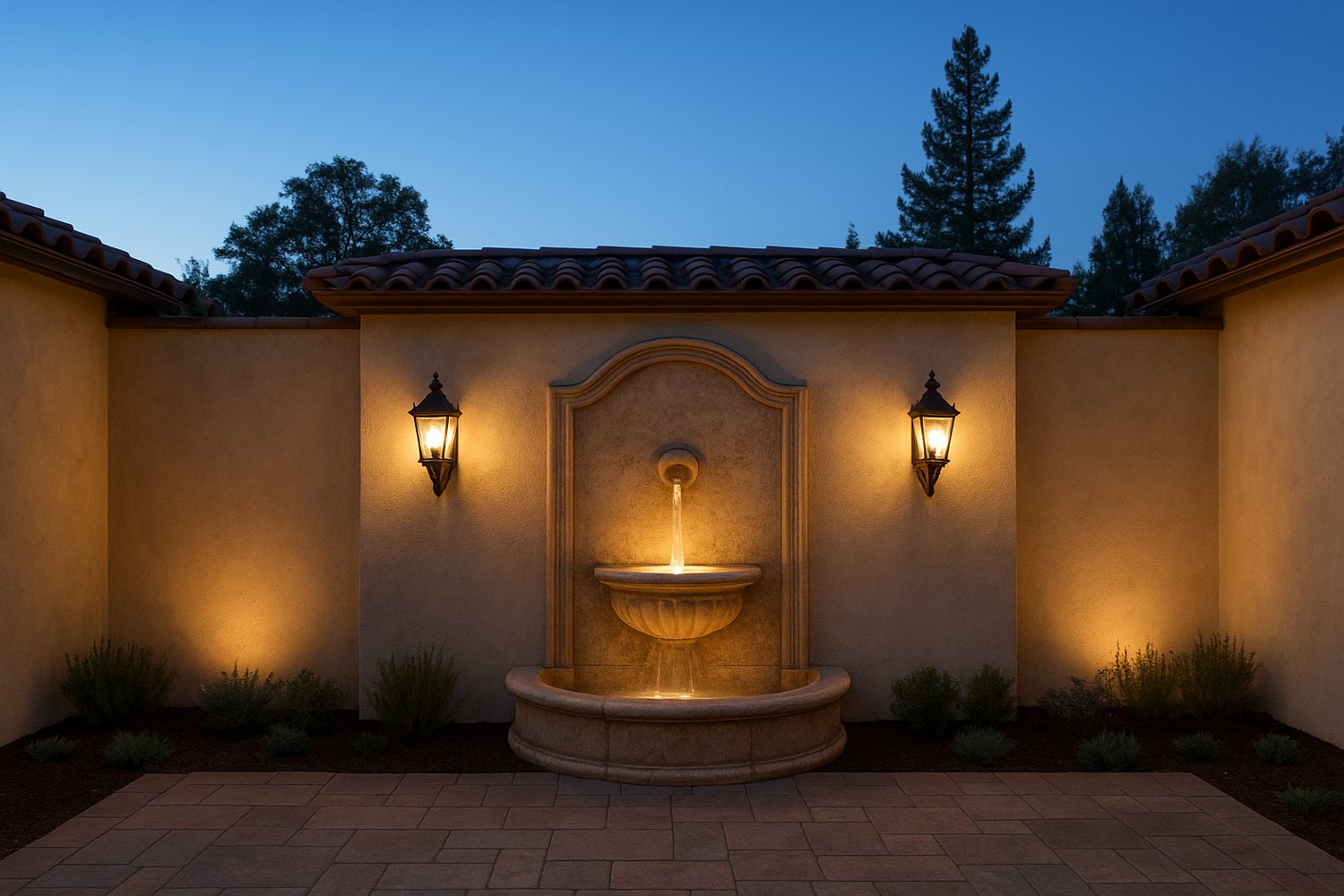
Planning Wall and Facade Lighting for Retaining Walls
Learn how to plan wall and facade lighting for retaining walls, with regional tips for Rocklin, Roseville, Granite Bay, Folsom, Auburn and nearby California communities.
Smart wall and facade lighting can elevate outdoor spaces, especially when retaining walls are involved. Here’s how homeowners can plan lighting that brings safety, beauty, and value to their landscape projects.
Why Lighting Matters for Retaining Walls
Retaining walls are essential features in many California landscapes, shaping both terrain and outdoor living experiences. But at night, the right wall and facade lighting makes all the difference. Well-planned lighting ensures safety as people navigate steps and levels after sunset, highlighting changes in elevation.
From Roseville patios to Granite Bay garden terraces, wall lighting can transform hardscapes into inviting, after-dark focal points. Beyond decorative value, lighting built into or directed at walls can help prevent falls and direct foot traffic—important considerations for active households and entertaining guests.
Here in Placer, Sacramento and El Dorado counties, homeowners often deal with slopes and elevation changes. Well-placed lighting doesn’t just enhance curb appeal—it protects visitors and family members as they move through your yard in low light.
See more approaches to retaining wall and facade lighting on ourWall and facade lightingpage.
Practical Considerations for Local Conditions
Lighting choices for retaining walls in our region must brave California’s weather extremes: strong sun, cool damp nights, and even the occasional frost. Materials and fixture types should be chosen for durability, especially if your walls face sunlight most of the day or sit in irrigated garden beds.
Low-voltage LED fixtures are a practical favorite for local properties. They handle temperature swings well, offer long life, and keep energy costs lower. Top finishes for fixtures—like powder-coated metals—stand up well to the minerals in local soils, irrigation, and summer heat.
Smart planning accounts for your plants too. Consider where lighting may be blocked by future shrub growth or seasonal plantings. Work with contractors or designers who anticipate mature landscapes, not just today’s layout.
- Choose corrosion-resistant fixtures
- Opt for LED for shorter and longer walls
- Ask about glare reduction for seating areas
Types of Wall and Facade Lighting
Retaining wall lighting generally includes built-in (recessed or under-cap) lights, surface-mounted fixtures, or surrounding landscape spotlights. Each option serves different needs, from subtle step definition to dramatic evening highlights.
Recessed or under-cap lighting is perfect for soft, indirect illumination without visible fixtures—ideal along walkway edges, steps, or poolside walls. Surface fixtures, attached to the wall face, work well where more focused area lighting is needed, like outdoor kitchens or above seating nooks.
Pairing wall-integrated lights with landscape spotlights offers layered effects. Spotlights can graze facade textures or uplight plantings at wall bases, adding depth and dimension after dark, especially in multi-level backyards.
- Under-cap LEDs for clean, hidden lighting
- Wall-mounted lights for target areas
- Spotlights for depth and texture on facades
| Fixture Type | Best Use | Visibility | Installation Difficulty |
|---|---|---|---|
| Under-cap LED | Walkways, step tops | Hidden | Moderate |
| Wall-mounted | Seating, accents | Visible | Easy |
| Spotlight | Textured facades, plants | Visible | Moderate |
| In-ground | Path edges, base highlights | Hidden | Challenging |
| Rope/tape LED | Long walls, subtle glow | Mostly hidden | Easy |
Placement Techniques for Maximum Effect
In Rocklin, Roseville, Folsom and beyond, thoughtful lighting layout takes both function and style into account. Start by mapping out where people walk most, where walls change height, and which faces are most visible from key living spaces.
Install lights at regular intervals—usually 4–8 feet apart, depending on fixture brightness and wall length. For steps or changes in elevation, place lights directly above or below treads to highlight each level safely. If a wall has tall or interesting texture, add spotlights or grazing lights for dramatic effect.
Avoid over-lighting, which can create glare and waste energy. Walk the area at dusk with a flashlight or temporary lights to preview effects before final placement or installation. Test different beam angles or brightness levels to find what works for your space.
- Highlight landings, corners, and steps
- Use gentle, shielded beams near seating
- Balance safety and aesthetic goals
Choosing Fixtures and Finish Materials
Quality matters when it comes to selecting lighting fixtures for retaining walls, especially in the varied climates of Placer and Sacramento counties. Look for fixtures rated for damp or wet locations, and ensure they come with solid seals to keep out moisture and debris.
Metals like copper, brass, and powder-coated aluminum resist corrosion, making them smart choices for outdoor walls exposed to irrigation or regular moisture. Finish color should complement both your concrete or masonry and the overall palette of your home’s exterior.
Ask your installer or designer about replaceable parts, availability of matching styles, and how visible fasteners will be camouflaged. Details like these keep a lighting plan looking intentional and upscale for years to come.
Explore the full range of outdoor lighting solutions at ourOutdoor Lightingoverview.
Integrating Lighting with Landscaping and Hardscapes
Retaining wall lighting works best when it’s integrated with the broader landscape plan. Consider where planting beds, pathways, and patios border your walls, and adapt lighting to highlight both softscape and hardscape elements.
In gardens with layered plantings, place lights to graze wall surfaces and spill gentle illumination onto shrubs or groundcovers. For large patios or pool decks, coordinate wall light styles with under-step or in-ground path lighting for a seamless look.
Working with experienced professionals who understand landscape architecture can save time, preserve your plantings, and ensure easy maintenance access to both plants and lighting fixtures over time.
Installation: DIY or Call the Pros?
Installing wall and facade lighting may sound straightforward, but the details matter—especially with electrical work outdoors. Many Rocklin-area homeowners find that professional installation ensures safety, lasting performance, and code compliance.
Pros handle key steps like waterproof wiring connections, securely mounting fixtures to concrete or block, and running wiring under patios or through landscape beds. They can also future-proof your system for landscape growth or changes.
If you’re considering the DIY route, start small and use low-voltage kits. Be honest about your skills and remember: California law typically requires licensed electrical work for anything hardwired. Don’t be afraid to consult with project managers who have seen it all.
Making the Most of Your Investment
Wall and facade lighting adds both safety and sophistication to outdoor spaces, potentially increasing home value as well. Careful planning up front delivers a better long-term return, minimizing costly rework later.
Talk to your contractor about grouping lights by function—so you can control them independently (steps, accent walls, garden beds, etc.). Consider smart home integrations and energy-efficient technologies that work for your family’s schedule.
Above all, choose lighting and installation partners known for quality materials and attention to detail. Solid craftsmanship and proper planning help your retaining walls look their best—day or night—for years to come.
Ready to plan your wall lighting project?Request a consultationtoday.
Planning an outdoor lighting project?
Call or text 916-741-0633, or email sales@californiahardscapes.com with your address, a short description and a few photos, and we will arrange a consultation.