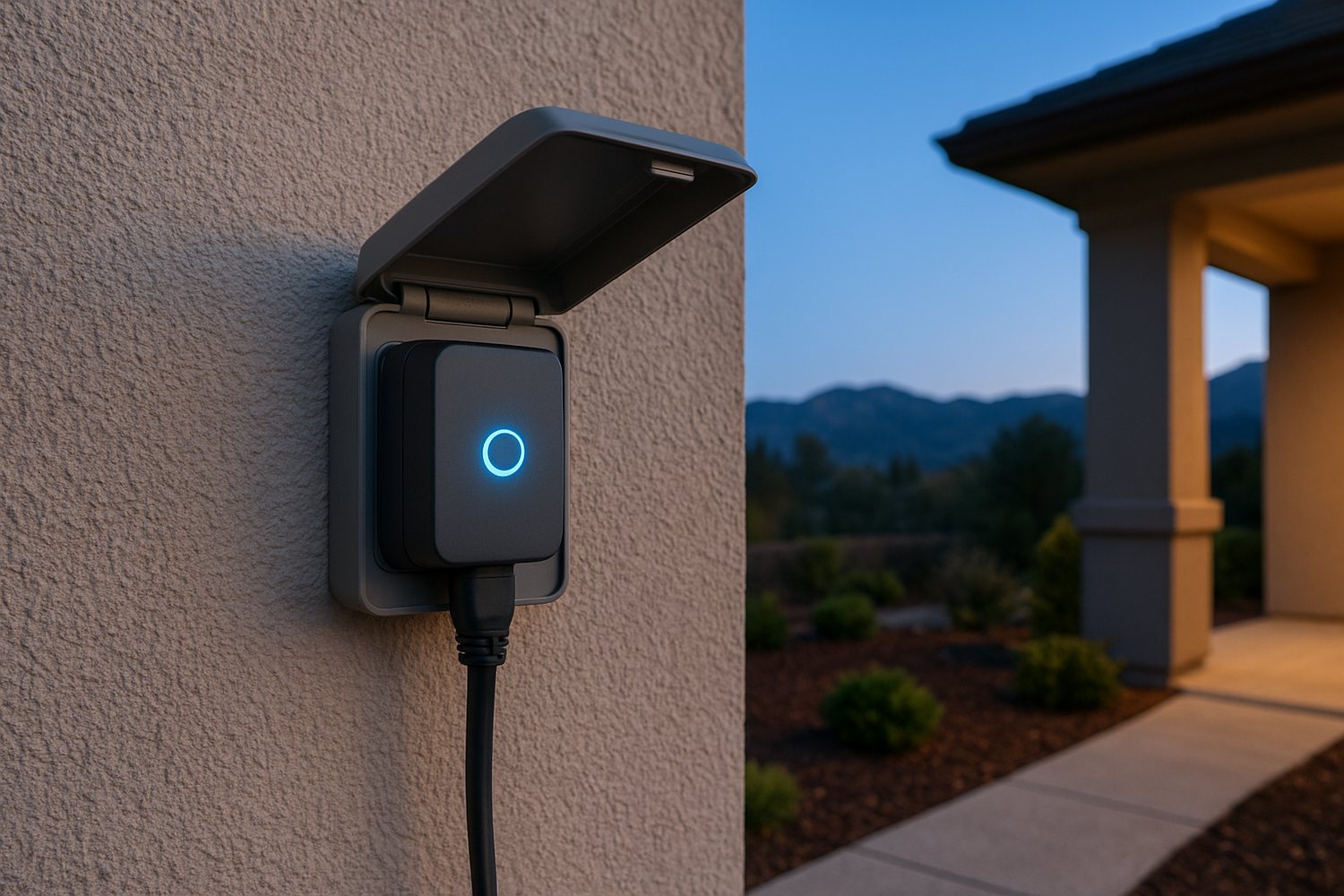
Smart Lighting Controls: Timers, Photocells & Astronomical Clocks Explained
Smart lighting controls like timers, photocells, and astronomical clocks take the guesswork out of outdoor lighting. Learn which solution fits your yard and lifestyle best.
Managing outdoor lights doesn’t have to be a hassle. By understanding smart lighting controls, you can enjoy a safer, more attractive landscape with less effort.
Why Lighting Controls Matter for Local Homeowners
Outdoor lighting is more than a finishing touch—it’s about safety, curb appeal, and everyday convenience. That’s especially true in Placer, Sacramento, and El Dorado County communities where outdoor living is a way of life. Smart lighting controls help you keep your spaces well-lit without daily effort or high energy bills.
Local weather and seasons mean your lighting needs can change—think early dusks in winter and long sunny evenings in summer. The right controls can automatically adjust your landscape lighting so you never have to wrestle with a manual switch again.
Choosing suitable lighting controls also helps extend the life of your fixtures by running them only when needed. Homeowners interested in sustainability and low maintenance appreciate these benefits when evaluating new or upgraded lighting for patios, pathways, and pool areas.
Dig deeper into smart outdoor automation on ourSmart lighting controlspage.
How Timers Simplify Outdoor Lighting
Timers do exactly what the name suggests: turn your outdoor lights on and off at set times each day. They’re reliable and budget-friendly, and can work well in many Rocklin and Roseville homes. Programmable digital timers offer options to adjust on/off cycles for holidays, vacations, or changing daylight hours.
Mechanical timers are the classic solution—set the time once, and your system repeats the pattern every day. Digital timers add flexibility, letting you change schedules in a few button presses. Both are low-fuss and don’t require Wi-Fi or smart home integration.
Timers are perfect for busy homeowners who want lights to follow a routine without manual management. They’re especially useful for entryways, patios, or pool areas that need illumination in the evenings, but they require updating as the length of day shifts through the year.
- Pros: Simple, cost-effective, no internet needed
- Cons: Manual adjustments needed with seasonal changes
- Great for regular daily schedules
Photocells: Letting Nature Set the Schedule
Photocells, also called dusk-to-dawn sensors, automate your lighting based on natural light levels. They switch lights on at sunset and off at sunrise, adapting seamlessly as daylight hours shift. This is particularly useful in areas like Granite Bay and Folsom, where sunrise and sunset times swing widely through the seasons.
With a photocell, you don’t have to think about resetting anything as the days grow longer or shorter. The sensor handles changes automatically, providing reliable lighting for walkways or driveways even if your schedule is unpredictable.
One consideration: high shade, thick trees, or artificial light sources (like streetlights) near the photocell can sometimes cause erratic operation. Placing the sensor in an open spot with good sky exposure solves most issues, making this a truly set-and-forget solution.
- Pros: Adapts to changing seasons
- Cons: Sensor placement is key
- Good for busy, hands-off homeowners
Astronomical Clocks: Precision for Every Season
Astronomical clocks take automation up a notch. Using your latitude, these digital controllers track the precise sunrise and sunset times year-round for your specific location in the Sacramento area. This allows them to adjust lighting automatically, no matter the season or Daylight Saving Time changes.
Unlike photocells, astronomical clocks don’t rely on light sensors but instead use preprogrammed data. Once set with your coordinates and desired on/off times, they work behind the scenes, making gradual changes so you won’t even notice the shift.
They’re a premium choice for homeowners who want the latest technology and precise control—ideal for Auburn or El Dorado property owners who value both consistency and convenience in their outdoor ambiance.
- Pros: Extremely accurate, no sensors to maintain
- Cons: Requires initial setup, higher upfront cost
- Perfect for large or complex outdoor spaces
| Feature | Timers | Photocells | Astronomical Clocks |
|---|---|---|---|
| Automation | Schedules only | Adapts to light | Tracks sunrise/sunset |
| Seasonal Adjustments | Manual | Automatic | Automatic |
| Cost | Low | Moderate | Higher |
| Setup Complexity | Simple | Simple | Advanced |
| Best For | Set schedules | Hands-off use | Precise, all-seasons |
Comparing Timers, Photocells, and Astronomical Clocks
Each lighting control method offers distinct advantages. The right choice depends on your landscape, lifestyle, and how much hands-off automation you want during the changing seasons in our region.
Mechanical and digital timers are straightforward, perfect for those with predictable routines or smaller lighting zones. Photocells bring flexibility and adapt to environmental changes, but need careful placement. Astronomical clocks give ultimate precision with minimal maintenance.
It’s worth weighing factors like desired automation level, cost, accuracy, and installation complexity before making your decision. This comparison table highlights the core differences and benefits to guide your choice.
Explore more choices and find inspiration in ourOutdoor Lightingoptions overview.
Techniques for a Seamless Installation
The effectiveness of any smart lighting control depends on proper installation. For timers, ensure the controller is placed indoors or in a weatherproof box. For photocells, placement away from artificial light and tree canopy is important for accuracy.
Astronomical clocks benefit from professional setup, especially for large properties or complex lighting zones. Setting precise geographical coordinates ensures year-round accuracy without manual tweaks.
In all cases, working with experienced contractors familiar with regional climate and outdoor construction regulations helps avoid wiring issues, moisture problems, or future troubleshooting. A good system is set up once and then works quietly in the background.
- Protect all control units from extreme weather
- Test systems during both day and night
- Coordinate installation with other outdoor upgrades
What to Consider for Our Region
In the Rocklin, Granite Bay, and Folsom area, landscape lighting often faces heavy summer sun, winter dampness, and wide temperature swings. Choose durable, weather-resistant gear and make sure any installation adheres to current local codes.
Local wildlife and wind can impact sensors (especially photocells), so annual check-ups are wise. If your home is surrounded by mature trees or nearby streetlights, you may need expert placement or a more advanced system like an astronomical clock.
Finally, consider wildfire safety—avoid fixtures near dry brush, and use controls to limit overnight run times during fire season. Your contractor should understand these regional priorities when planning any new lighting or control upgrades.
- Installations must withstand heat, rain, and dust
- Sensor adjustments may be needed as landscaping matures
- Check for code compliance with electrical work
Ready to Make the Switch?
Upgrading your outdoor lighting with smart controls means more than convenience—it ensures your home feels safe and welcoming, no matter the hour. The right choice depends on your yard, schedule, and desire for ongoing maintenance or automation.
Whether you opt for a programmable timer, automated photocell, or precision astronomical clock, premium results come from thoughtful installation and real expertise. Work with contractors who know what matters most in our unique region.
If you have questions or want a tailored recommendation, reach out. A short consultation can help you enjoy stress-free outdoor lighting for years to come.
Ready to see what’s possible?Request a consultationwith our team today.
Planning an outdoor lighting project?
Call or text 916-741-0633, or email sales@californiahardscapes.com with your address, a short description and a few photos, and we will arrange a consultation.