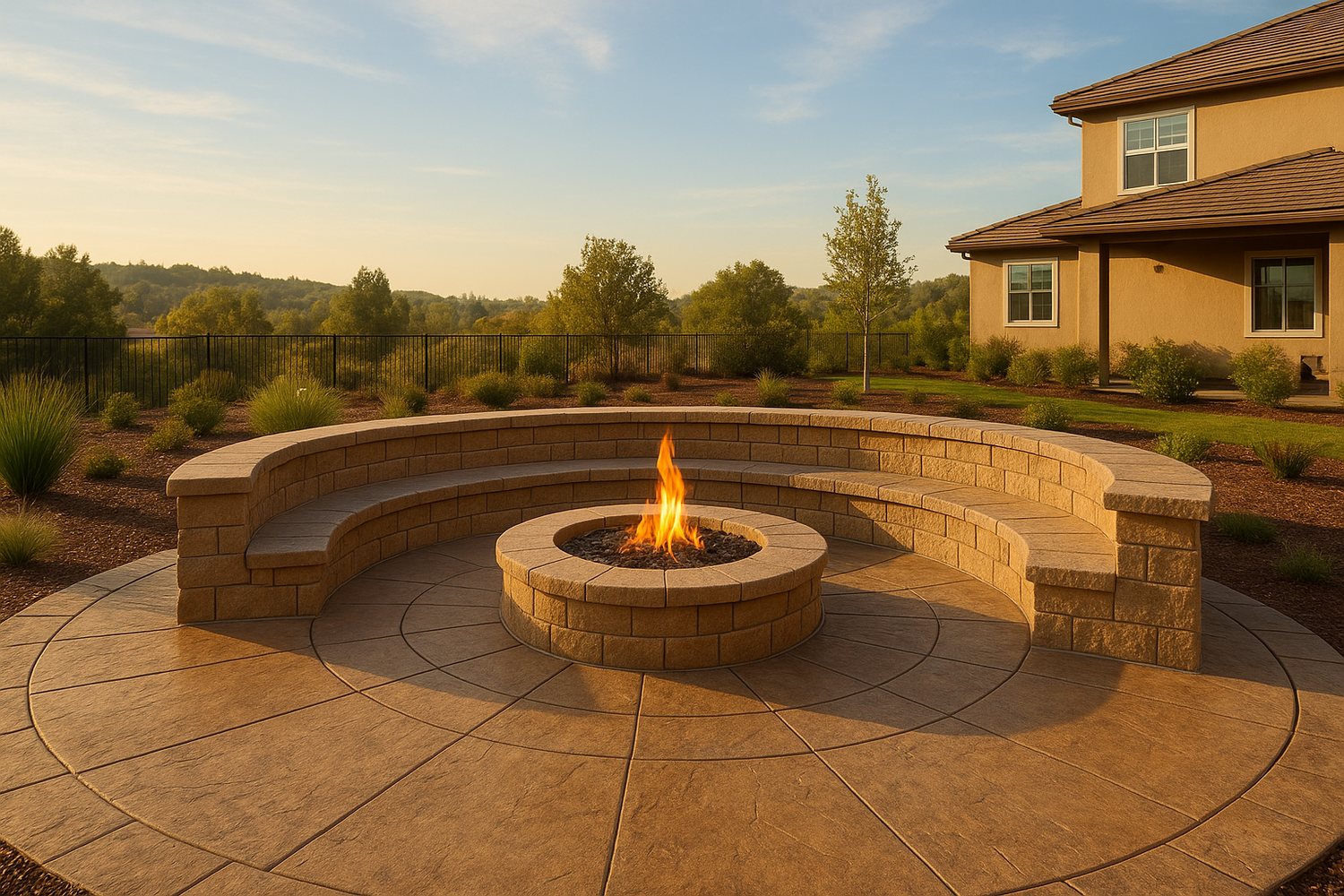
How to Care for Stamped Concrete: Resealing, Traction & Lasting Appeal
Keep your stamped concrete patio or driveway beautiful and safe year after year with practical care, local expertise, and simple habits that pay off.
Stamped concrete is a smart, attractive choice for outdoor spaces—but it takes the right care to keep it looking and performing its best, especially in our region’s climate.
The Basics of Stamped Concrete in Our Area
Stamped concrete offers the combined benefits of custom style and long-lasting durability, making it popular around Rocklin, Roseville, Granite Bay, and neighboring communities. Local homeowners appreciate that stamped concrete can mimic the elegance of stone, brick, or pavers—without the maintenance those materials sometimes require. But it’s not entirely maintenance-free.
The heat, sunshine, and occasional winter freezes of Placer, Sacramento, and El Dorado counties can take their toll on exterior concrete surfaces. Over time, color may fade and the sealer that protects your patio or walkway can lose its effectiveness. Without proper care, surfaces are more prone to staining and weathering.
Understanding how our climate impacts stamped concrete helps set realistic expectations. A simple preventative approach—a focus on resealing, slip resistance, and cleaning—goes a long way toward preserving your investment for years.
Explore more aboutStamped concreteto find out about styles, patterns and uses.
Why Resealing Is Key to Lasting Beauty
The sealer on stamped concrete is not just about shine. It’s a protective layer that shields against UV rays, rain, and spills. In our region’s sunny, hot summers and wet winters, this sealer can wear down faster than you might expect. Experts generally recommend resealing stamped flatwork every two to three years, sometimes more often for high-traffic areas or heavy exposure.
Resealing helps maintain your concrete’s color richness, protects against staining, and keeps the surface looking fresh. Left unsealed, stamped concrete will lose vibrancy as sun and weather erode the color hardener and integral pigments. Resealing brings back the luster and repels moisture before it can cause deeper damage.
Timing matters: reseal during mild, dry stretches. Avoid the hottest peak of summer or winter’s damp spells, as proper curing depends on agreeable weather. If in doubt, consult with a professional who understands local seasonal patterns.
- Sealer protects from UV, rain, and stains.
- Resealing every 2–3 years recommended.
- Choose mild, dry weather for best results.
Making Stamped Concrete Safer: Slip Resistance
Stamped concrete can sometimes become slick, especially after resealing. This is important for families in areas where rain, pool splash, or irrigation overspray are common. To improve traction, a fine grit additive or non-slip agent can be mixed into the final coat of sealer—without sacrificing appearance.
In most local installations, contractors will ask about slip resistance in advance, but it’s possible to increase grip in the future by resealing with the right product. For pool decks, shaded patios, or spots where water lingers, this is especially wise.
Routine sweeping keeps dirt and debris from polishing the surface, which can also make stamped concrete slicker. Prioritize safety by using simple, regional-appropriate techniques for slip resistance year-round.
- Ask about non-slip additives for sealers.
- Prioritize slip resistance on pool decks and shade.
- Regular cleaning helps minimize slipperiness.
Cleaning and Preventing Wear in Local Conditions
Leaves, pollen, and dust are common in our neighborhoods, and they can dull stamped concrete’s look or cause stains if left for long. A broom and simple washing—never harsh power washing—goes far in maintaining curb appeal between scheduled resealing.
Pressure washers can micro-etch the protective sealer, reducing its lifespan and inviting premature fading or water penetration. Instead, use a garden hose with a spray nozzle and a mild detergent, especially in spring and fall when debris accumulates the most.
Address spills—especially oil, grease, and rust—promptly, as Sacramento Valley sun can bake them in. Stubborn spots may need a concrete-safe cleaner. A regular cleaning schedule, tailored to your yard’s foliage and sun exposure, keeps stamped concrete attractive for longer.
- Sweep and rinse stamped surfaces routinely.
- Avoid high-pressure washing.
- Clean up stains quickly to prevent set-in marks.
| Maintenance Type | Purpose | Frequency | DIY Friendly | Risks If Skipped |
|---|---|---|---|---|
| Resealing | UV/color protection | Every 2–3 years | Medium | Fading, surface damage |
| Routine Cleaning | Remove stains/debris | Monthly | High | Staining, dullness |
| Slip Resistance | Add safety grip | With each resealing | Medium | Slippery surfaces |
How Resealing, Cleaning, and Anti-Slip Compare
Choosing when and how to maintain stamped concrete can feel overwhelming, especially with the weather swings across our counties. The following comparison highlights practical differences between resealing, cleaning, and slip-resistance treatments.
Each step serves a separate protective purpose. Resealing is essential for UV defense and color retention. Cleaning helps keep stains and debris from eroding the appearance. Non-slip options add safety, particularly on walkways, pool surrounds, or shaded patios.
By combining these approaches on the right schedule, Rocklin and Folsom area homeowners see the longest-lasting, best-looking results from their stamped concrete.
Seeconcrete optionsfor more inspiration and practical tips for your home’s surfaces.
DIY or Professional Help: What Makes Sense?
Homeowners with some experience and the right weather conditions can handle basic cleaning and, occasionally, resealing small stamped concrete patios themselves. Before choosing to DIY, consider the upfront investment: purchasing the right sealer, additives, application tools, and protective equipment.
However, large areas or more complex surfaces often benefit from professional contractors familiar with Northern California’s unique climate, products, and timing. Experienced hands know how to treat intricate patterns, colored surfaces, and high-visibility entryways for consistent results.
If you’re unsure about product choices or application techniques, don’t risk expensive mistakes. Getting advice from knowledgeable local pros can prevent issues and ensure your concrete stays beautiful and safe year after year.
- DIY suits small, low-traffic areas.
- Pros help with color-matched sealers and anti-slip.
- Unsure? A quick consultation can save time and money.
Common Mistakes to Avoid with Stamped Concrete
Neglecting scheduled maintenance—especially resealing—can lead to faded, patchy color and surface erosion. Skipping cleaning lets leaves, sap, and debris wear down the sealer or stain the concrete, making restoration more difficult later.
Overuse of power washers or harsh chemicals is another pitfall. While it may look effective short-term, this actually shortens sealer life and can strip color. Stick to gentle, concrete-safe options as recommended by local experts.
Finally, waiting too long to address slip resistance can cause accidents, especially during rainy seasons. Build in safety from the start and revisit it during each resealing cycle for reliable footing on outdoor living spaces.
- Don’t skip resealing cycles.
- Avoid abrasive cleaners and high-pressure washers.
- Plan for slip resistance in high-moisture areas.
When to Consult Local Concrete Experts
Every property is unique, with different sun, shade, and wear patterns. If you notice dullness, patchy sealer, persistent slipperiness, or stubborn stains, it’s time to consult an expert familiar with our region’s conditions.
Professionals can assess your stamped concrete, recommend the right products, and schedule maintenance at the best time for local weather. They’ll help ensure your investment in outdoor living looks and performs its best, using proven, region-appropriate techniques.
California Hardscapes, based in Rocklin and serving surrounding area communities, builds every project with licensed, bonded, and insured contractors. If you have questions about care, maintenance, or upgrades, we invite you to reach out directly for helpful guidance—no obligation.
Want personalized advice?Request a consultationwith California Hardscapes for friendly, expert guidance.
Planning a concrete project?
Call or text 916-741-0633, or email sales@californiahardscapes.com with your address, a short description and a few photos, and we will arrange a consultation.