Stamped Concrete vs Pavers for Patios and Pool Decks: A Local Comparison
Considering new hardscaping? See how stamped concrete and pavers stack up for patios and pool decks in local Sacramento, Placer, and El Dorado communities.
If you’re planning a patio or pool deck in Rocklin, Roseville, or nearby, choosing between stamped concrete and pavers is a big step. Here’s a plain-spoken look to help you decide what works best where you live.
Stamped Concrete: The Basics
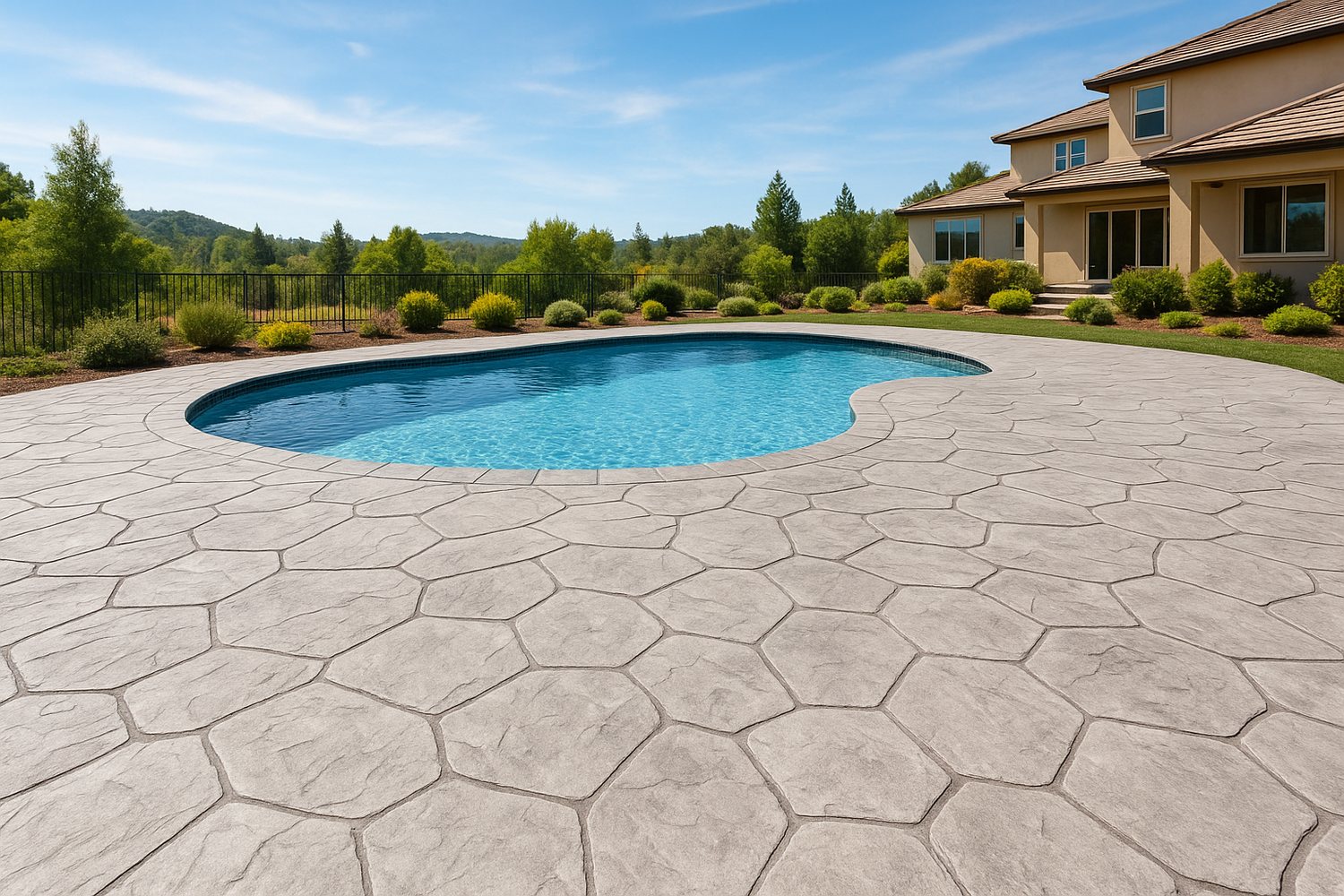
Stamped concrete combines poured concrete with patterns and coloring to mimic natural stone, brick, or even wood. It’s popular among local homeowners who want a decorative surface without the higher cost of some materials. When done by seasoned contractors using quality mix and techniques, the result is a durable, visually striking patio or pool deck.
Texture and color versatility set stamped concrete apart. In Rocklin and surrounding areas, product mixes and finish options are tailored for our hot, dry summers and cool, sometimes damp winters. That means a finish that stands up to local weather patterns without excessive fading or cracking when correctly installed and maintained.
Stamped concrete works well for sweeping patios and large pool decks because it can be poured seamlessly over wide areas. Fewer joints mean less space for weeds or moss to take hold, making it easier to keep tidy and pleasant. With the right sealer, stamped concrete resists stains from patio dining or poolside use.
Explore more details on styles and finishes at the mainStamped concretepage.
Pavers: The Tried-and-True Alternative
Pavers are individual units, often concrete, stone, or brick, set in sand or mortar to create a patterned surface. Each piece can move slightly with the ground, making them a robust choice for local areas prone to minor settling or tree root growth. Many in Granite Bay or Folsom opt for pavers to complement both modern and classic home styles.
Durability is a big draw for pavers. A well-installed paver patio is very resistant to cracking—if ever a single paver chips or settles, it’s a simple matter to replace just that piece. There’s appeal in knowing repairs don’t require a full overhaul if small problems arise, especially after a wet El Dorado County winter.
Color and design options for pavers are extensive, from classic herringbone red brick to multi-size natural stone looks. For pool decks, pavers allow for creative borders and visual breakups—plus, their textured surface helps with slip resistance. Proper edge restraint and compacted base prep are crucial for long-term stability.
- Highly modular for custom layouts
- Individual repairs are straightforward
- Natural texture options, slip resistance
Installation Realities in Northern California
Both stamped concrete and pavers can thrive here, but each installation method has regional quirks worth considering. Our clay-heavy soils expand and contract with the seasons, stressing hardscapes. Proper base prep is non-negotiable for both options—think well-compacted rock or gravel tailored to soil conditions.
Stamped concrete requires a weather-aware schedule. Hot summer afternoons demand care to prevent rapid drying that leads to surface cracks, while cool seasons can prolong cure times. Local experience ensures the timing and mix are right for our specific climate.
Paver installation is less sensitive to weather, since each piece is placed dry on a solid base and needs no curing window. But the process can be more labor-intensive, especially for large patios or intricate layouts. The prep phase remains just as critical for a long-lasting result.
| Feature | Stamped Concrete | Pavers |
|---|---|---|
| Visual variety | High (custom colors & patterns) | High (multiple colors, patterns, textures) |
| Repairability | Crack repairs may show | Individual pavers easily replaced |
| Maintenance | Periodic resealing needed | Re-leveling/joint sand replenishment |
| Install time | Quick for large areas | Longer for detailed or large projects |
| Slip resistance | Moderate (depends on finish) | Often higher (textured surfaces) |
Maintenance: What to Expect
Once in place, both stamped concrete and pavers reward periodic attention. For stamped concrete, re-sealing every few years preserves color and resists staining and surface wear, especially in sunny, high-traffic pool areas. Regular cleaning prevents slips and keeps your space looking fresh.
Paver patios need less intensive care, but they aren’t zero-maintenance. Occasional re-leveling may be needed if the ground settles unevenly. Joint sand can wash or blow out, so topping up with polymeric sand helps keep weeds and ants at bay—check joints once a year to stay ahead.
Northern California’s seasonal rains can move soil under any patio or deck. With pavers, this might lead to slight shifting, while stamped concrete may develop hairline cracks over time. Both are manageable with routine checks and prompt touch-ups.
Aesthetics: Regional Looks and Trends
Style choices often come down to the overall look you hope to achieve and how your outdoor living area ties into your home’s architecture. Stamped concrete excels at mimicking natural stone, slate, or even wood planks, fitting beautifully with Mediterranean, Craftsman, and ranch-style homes common in Placer County.
Pavers offer a range of earth tones and textures, useful for integrating seamlessly with garden paths, driveways, or pool copings. Contemporary homes in Folsom or Auburn often pair paver patios with minimalist landscapes, while rustic home exteriors are matched by tumbled or cobbled paver finishes.
Regional design trends lean toward large-format paver patios and intricate stamped concrete borders. Consider scale and pattern: broad, unified stamped surfaces look clean and modern, while pavers let you break up spaces, add edging, or highlight gathering zones. Local materials can further tie new hardscapes into our Northern California landscape.
See a full breakdown of patio and deck choices at ourConcrete options overview.
Lifespan and Repair Considerations
Quality and longevity hinge on materials and installation skill. Stamped concrete, given proper sub-base work and timely resealing, offers excellent value and durability. Visible cracks can be repaired but often remain faintly visible due to pattern and color differences.
Pavers shine when it comes to repairs: individual units can be swapped out if damaged or stained. Over decades, expansion or contraction from our local temperature swings may require you to re-level sections or replenish joint sand, but the modular format makes fixes unobtrusive and cost-effective.
Neither material is immune to the effects of heavy vehicles, earthquakes, or severe water flow. It’s important to direct runoff away from all patios or decks and to avoid excessive weight on either surface. When built by licensed, bonded, and insured contractors, both options can serve local homes for years.
- Stamped concrete repairs can be visible
- Paver repairs are simple and localized
- Proper drainage helps extend lifespan
Environmental and Comfort Factors
Local summers get hot, and surface temperature can matter—especially by the pool. Pavers, particularly lighter colors, generally stay cooler underfoot compared to stamped concrete, though both can benefit from strategic shade or misting on peak days.
Runoff management is another consideration. Pavers allow water to pass between joints, reducing puddling and helping recharge soils, which matters in areas with stormwater rules or steep slopes. Stamped concrete is less permeable, but design tweaks like bordering with permeable pavers can help.
Materials sourcing can also factor into your decision. Many pavers and concrete mixes used in the area are available from regional suppliers, supporting local businesses and matching region-specific standards for weather resistance and durability.
How to Choose: Plain Advice from Local Experts
If you hope for a seamless, low-joint surface with striking design and don’t mind periodic resealing, stamped concrete is a great fit for this region. If maximum flexibility for repairs, future landscaping changes, or complex layouts appeals more, consider pavers.
Factor in your preferred look, ongoing care expectations, and how your space may evolve over the years. Cost differences tend to level out for larger installs, so think more about long-term use and care than initial outlay. Reach out with your ideas—local pros help navigate material choices, design plans, and what suits your site.
Every project by California Hardscapes is built with licensed, bonded, and insured contractors, and managed from start to finish by industry veterans who know area soils, sun, and seasons. Ready to see options in person or discuss a specific vision? Connect today for practical, pressure-free guidance.
- Consider stamped concrete for seamless, patterned looks
- Go with pavers if easy repairs matter most
- Expert input ensures materials and design fit local needs
Ready for a practical plan? Request your local project consultationhere.
Planning a concrete project?
Call or text 916-741-0633, or email sales@californiahardscapes.com with your address, a short description and a few photos, and we will arrange a consultation.