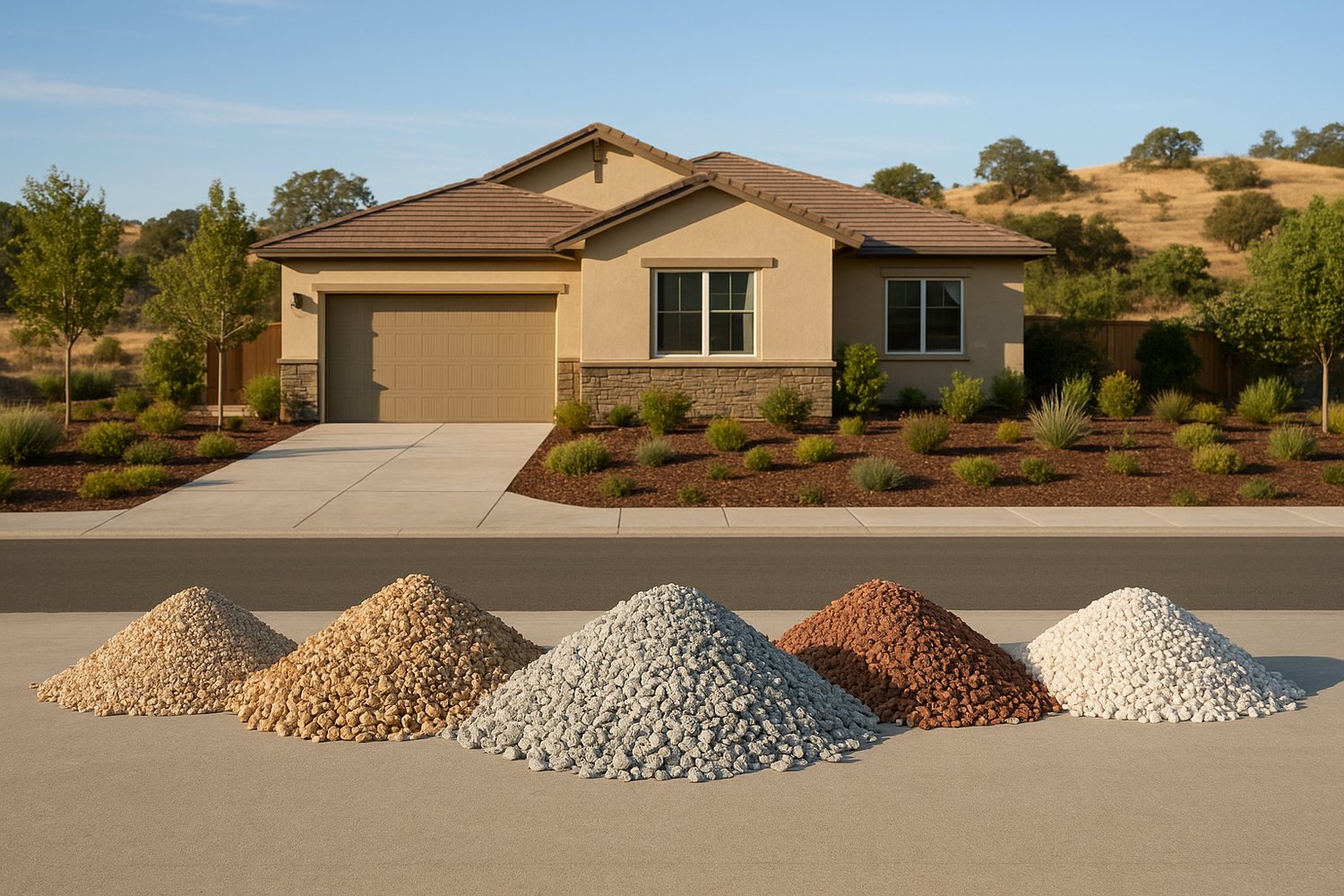
Angular vs Rounded Decorative Gravel: What Fits Your Landscape?
Choosing between angular and rounded decorative gravel can impact the look, function, and maintenance of your outdoor space. Here’s how to decide.
Not all gravel is the same. If you’re considering decorative rock for your landscape, understanding the differences between angular and rounded gravel will help you make a decision you’ll appreciate for years.
Understanding Decorative Gravel in Our Region
Decorative gravel is a leading choice for modern landscapes across Rocklin, Roseville, Granite Bay, Folsom, Auburn and nearby towns. The Placer, Sacramento and El Dorado County climate, combined with our soils, means rock mulch is often a low-maintenance, attractive solution for pathways, garden beds, or patios.
Different gravels work well in varied applications, and the local market offers a wide selection. Two main shapes to understand are angular and rounded. While both are viable, their subtle differences in appearance, function, and maintenance can affect your satisfaction in the long term.
Whether you want a crisp, structured look or a softer, more natural feel, the right gravel makes a difference. The demands of our climate—from summer heat to winter rains—further shape what material best suits each area of your property.
For an in-depth look at available options, visit ourDecorative gravel and rockpage.
What is Angular Gravel?
Angular gravel is rock that has been crushed to produce sharp, jagged edges. These sharp angles help the pieces lock together, creating a firm and stable surface. This characteristic makes it excellent for driveways, paths, patios, and areas that see regular foot traffic.
Locally available angular gravels include options like blue shale, decomposed granite, and crushed gravel blends. The rough texture keeps the gravel from shifting under pressure. This can be an advantage if you want a resilient surface that doesn’t scatter easily.
On the practical side, the lock-in effect means angular gravel commonly resists rutting and spreading, even on slopes. However, those same edges can make it less comfortable under bare feet, something to consider for play areas or barefoot walking zones.
- Sharp, jagged rock edges
- Resists migration and rutting
- Best for driveways, walkways, patios
- Less comfortable underfoot
What is Rounded Gravel?
Rounded gravel, also called river rock or pea gravel, has naturally smooth, worn edges. These stones are typically sourced from riverbeds or alluvial deposits, and their shape comes from eons of natural abrasion. In our region, the classic look of rounded gravel is a favorite for accent beds and relaxed spaces.
Because the pieces are smooth, rounded gravel shifts more easily than angular gravel when walked on. It doesn’t lock together, so it’s less ideal for sloped or traffic-heavy areas. However, its softer, comfortable surface can be inviting in play areas, around fire pits, or as a mulch in garden beds.
The color range of rounded gravel can add another benefit. Varieties like California Gold, river cobble, and pea gravel provide warm, varied tones. The soft look sets off plant beds, water features, and even pathways where occasional barefoot use is welcome.
- Naturally smooth, worn surfaces
- Comfortable under foot
- Excellent for accent beds, play spaces
- More prone to shifting
| Characteristic | Angular Gravel | Rounded Gravel |
|---|---|---|
| Shape | Sharp, jagged | Smooth, rounded |
| Comfort underfoot | Less comfortable | Very comfortable |
| Stability | Locks in place | Moves easily |
| Best for | Paths, driveways, slopes | Accent beds, play areas |
| Maintenance | Lower | Higher |
Key Differences: Performance in Local Conditions
Angular and rounded gravels behave differently on the ground. In the Rocklin to Auburn area, terrain can range from flat lots to rolling slopes. Angular gravel’s ability to stay put is especially valuable on grades and in high-use spaces. The interlocking nature means less spreading after wind, water, or repeated use.
Rounded gravel, while visually soft, can migrate more easily, especially on slopes or when used in heavily traveled areas. This shifting can mean more frequent raking or replenishing. However, it rarely compacts, so it remains comfortable and fun where kids or pets might play.
Consider drainage as well. Both types are permeable and encourage rainwater absorption—critical with our periodic dry spells and storm seasons. Just keep in mind that angular gravels, when installed over a proper base, are less likely to develop ruts or muddy spots.
- Angular: stable, resist rutting and migration
- Rounded: softer, better for comfort, may shift on slopes
- Both: good drainage, help reduce weed growth
Appearance and Design Choices
Visually, angular gravel brings a clean, structured look. Its faceted shapes create definition and crisp lines—ideal for modern garden designs, geometric spaces, and contemporary settings. It can also contrast nicely with concrete, pavers, or clean-edged beds.
Rounded gravel is more natural and casual in appearance, echoing river and creek beds that are familiar in Northern California. The color variability adds softness and the tumbled shapes suit cottage, traditional, or woodland-style landscapes. It also complements water features and naturalistic planting schemes.
Your intended vibe plays a big role. Want a manicured, organized look? Angular often works best. Prefer a softer, meadow-inspired setting? Rounded might be your top choice. Mixing both, with the right layout, is also possible for added interest and texture.
Compare more surface material options by heading to ourMaterials Overviewhub.
Maintenance: What to Expect Year-Round
Maintenance needs are often overlooked, but they matter in our region’s high temperatures, rain events, and leaf drop seasons. Angular gravel’s interlocking qualities keep it in place, reducing raking, replenishment, and boundary spillover. Weed fabric beneath helps even more.
Rounded gravel, because it moves when disturbed, may require more regular smoothing and occasional top-up—especially after storm runoff or repeated use. Edging is essential if you want to keep it contained along beds, walkways, or patios. Occasional weeding and debris cleanup apply to both types.
Both gravels benefit from seasonal checks and light raking to keep things tidy. Clearing out fall leaves ensures appearance and drainage aren’t compromised. Whichever you choose, the right prep—grading, compaction, and borders—will reduce yearly effort.
- Angular: less raking, stays put
- Rounded: needs more containment and touch-up
- Weed barrier fabric recommended for both
Choosing the Best Gravel for Your Project
Think through use, style, and maintenance. For driveways, paths, or areas that must stay firm and level, angular gravel is often best. Its structure means less work over time. For comfort-driven spaces, garden mulch, or where a natural look is key, rounded gravel delivers a softer underfoot feel and an inviting, organic aesthetic.
Consider what you like to walk on, how the material complements your plantings, and your willingness for upkeep. Is your site sloped? Do kids or pets use the space? These questions can help clarify your choice. Don’t hesitate to use both types for separate zones—many premium landscapes combine materials for visual and functional balance.
Consulting with experienced professionals who understand local soils, drainage, and climate is always helpful. Marty and the California Hardscapes crew are familiar with material sources, how gravels perform here, and which options match your specific project needs.
Next Steps and Getting Advice
Selecting gravel is about more than looks. Each project, home, and lifestyle is different, and what works on one property might not be the best on another. Factors like shade, root competition, and amount of foot traffic all influence your ideal material choice.
If you’re weighing the options, talking with a local expert adds clarity. California Hardscapes uses licensed, bonded, and insured contractors who know the practical aspects of gravel installation in our area. They can walk you through the benefits and trade-offs for your home.
Whether you’re creating a new patio, accenting a planting bed, or reimagining your outdoor living space, good material decisions make a long-lasting difference. For tailored advice, reach out to learn more or to see and feel sample materials firsthand.
Ready to talk through your landscape?Request a consultationwith our team.
Planning a materials project?
Call or text 916-741-0633, or email sales@californiahardscapes.com with your address, a short description and a few photos, and we will arrange a consultation.