Choosing Decorative Gravel Colors for Your Outdoor Design
Finding the right decorative gravel colors can transform your yard. Here are practical tips and insider perspectives for homeowners in our region.
Decorative gravel isn’t just filler—it’s a foundational design choice. Here’s how to pick gravel colors that work with California foothill homes.
Why Color Matters in Decorative Gravel
Choosing the right decorative gravel color is more than just an aesthetic decision. Gravel color sets the tone for your whole landscape, influencing curb appeal and how well your outdoor spaces blend with your home’s architecture. It’s about making sure the site feels intentional and cohesive.
In the Rocklin, Roseville, and surrounding foothill communities, natural light and seasonal changes affect how colors look outdoors. Some gravels seem cooler or warmer at different times of day, especially with our varied terrain and vegetation. Knowing this helps prevent mismatched tones and clashing details.
Your region’s soil, roof color, siding, and even the hue of nearby boulders and trees all matter. Reliable design means choosing a gravel palette that complements—not competes with—these elements. The right color ensures your landscaping feels balanced and inviting.
Curious to see more options? Visit ourDecorative gravel and rockmaterials page for details.
Common Gravel Colors and Regional Compatibility
In our area, you’ll see a range of gravel colors from warm golds and buffs to deep charcoals, grays, and earthy reds. Both local and imported materials are available, but not every color fits every property or neighborhood.
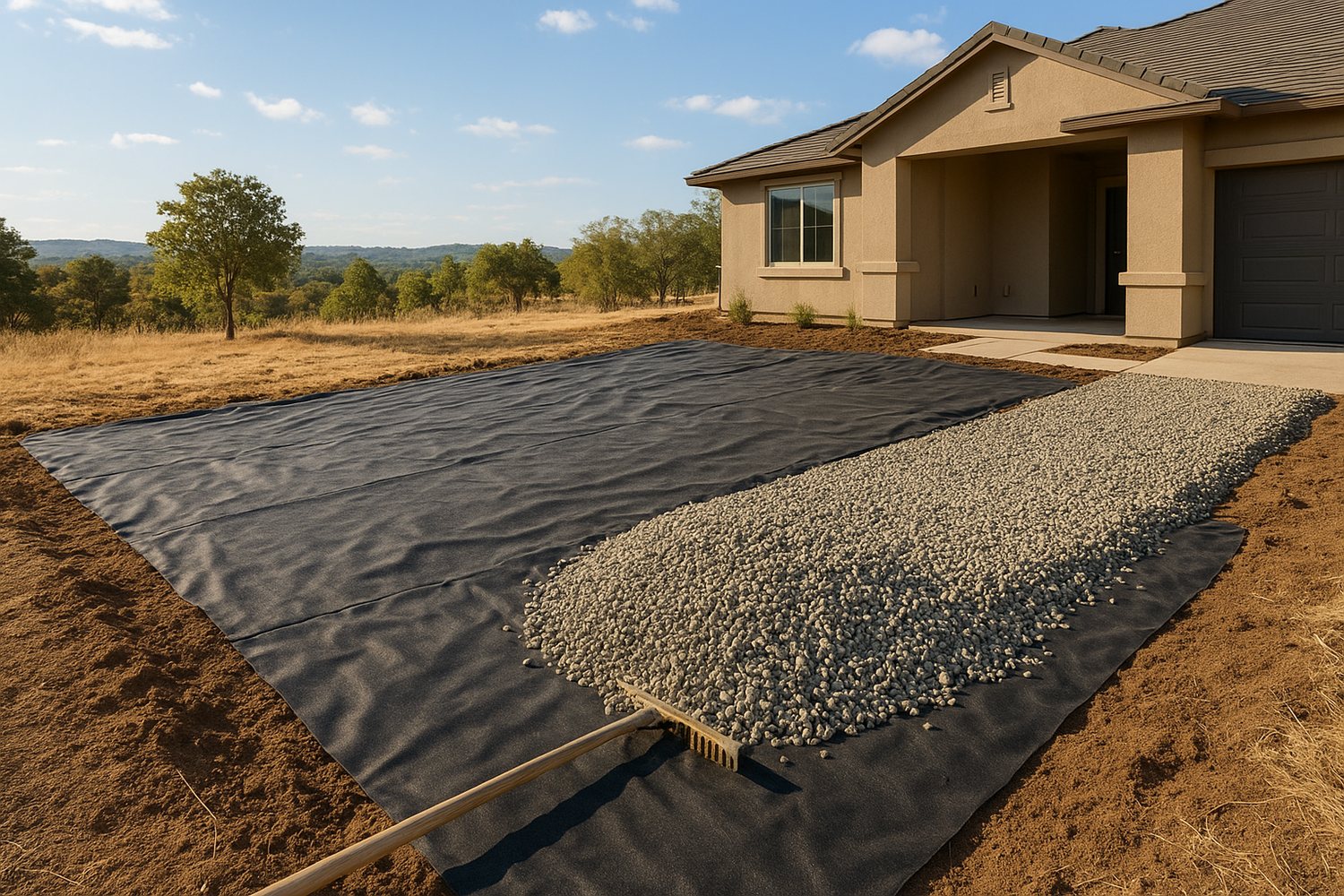
Homes with warm-tone stucco or tan siding, for example, mesh beautifully with gold decomposed granite or buff river rock. On the other hand, cooler gravels like gray crushed stone pair nicely with blue-gray trim or concrete features—a practical choice for modern architecture.
Always consider the big picture: street presence, your home’s style, and the existing material palette. A cohesive blend between gravel, patio concrete, and landscaped beds creates a seamless look—one that holds up for years and suits our foothill environment.
- Warm gold: Friendly with tan or clay-roofed homes
- Cool gray: Great for contemporary or stone-finished homes
- Red rock: Ties in with certain tile roofs and native oaks
Environmental and Practical Factors in Color Choice
Color isn’t just about looks—practical concerns matter too. Lighter gravel reflects heat, which is useful around patios and driveways in hot summers, making walkable areas more comfortable. Darker stones absorb heat, which can be pleasant next to outdoor seating on cool evenings.
Dust, debris, and leaf litter show up differently depending on the gravel’s color and texture. In yard areas under pines and oaks, tan or mixed-color gravels tend to hide seasonal mess better than uniform white or black options.
Finally, think about maintenance. Some gravels weather or darken naturally over time, while bleached or very pale stones can look patchy after exposure. Choose materials that age gracefully and match the demands of your landscape’s specific microclimate.
- Light colors: Stay cooler, show less dust
- Dark colors: Absorb heat, show debris more
- Mixed tones: Mask seasonal leaf drop
| Gravel Color | Best For | Heat Absorption | Maintenance Ease |
|---|---|---|---|
| Gold/Buff | Warm-tone homes, patios | Low | High |
| Gray/Charcoal | Modern hardscape, cool finishes | Moderate | Moderate |
| Tan/Beige | Traditional, blends with soil | Low | High |
| Red/Brown | Accent gardens, rustic settings | High | Moderate |
| White/Cream | Clean, contemporary spaces | Low | Low |
Coordinating Gravel With Hardscapes and Structures
For seamless design, take cues from hardscape colors already on your property—such as patios, walkways, and retaining walls. Matching isn’t always necessary; sometimes a subtle contrast brings out the best in both elements.
If you have earth-toned stamped concrete or natural stone, look for gravels that echo those hues without blending in too closely. Homes with gray or charcoal pavers often benefit from complementary cool-toned decorative rock.
Outdoor lighting can also affect how gravel colors appear after dark. Test samples in different lighting conditions to see which choices bring harmony to your landscape at every hour.
- Echo tones: Choose gravel that picks up hues from hardscapes
- Contrast smartly: Avoid matching too closely—seek balance
- Test at night: Lighting changes gravel color appearance
Sample Before You Decide
Never settle for a color based on a small swatch or online photo. Conditions in Placer and Sacramento counties—sun, shade, and landscape backdrop—each change how gravel colors appear in the real world. Always view actual material samples at your site before making choices.
Move samples around to different spots in your yard. Notice how the color shifts next to foundational elements: your house siding, decks, fence lines, and planted beds. It’s common for clients to prefer gravel options that seem ‘warmer’ or ‘cooler’ depending on where they’ll be used.
Keep an eye on neighbors’ landscapes for inspiration, but don’t feel pressured to copy. Your home’s context is unique; taking the extra step to test samples ensures your selection will stand the test of time and trends.
Compare all your landscaping material choices on ourMaterialsoverview page.
Gravel Color Trends vs. Classic Choices
Each year brings new landscaping trends, and gravel color is no exception. Currently, blended neutrals and subtle mixes are popular in California, lending versatility across various architectural styles. Still, classic choices—like natural river rock—never truly go out of style.
Think about timelessness versus trendiness. Bold gravel hues may look striking but can date your property quickly. Neutral tones are a safer bet for longevity, standing up to changes in landscape plantings or outdoor décor.
Ultimately, your choice should fit both your long-term plans and how you want your home to feel year-round. Remember, a well-chosen gravel color becomes part of the landscape’s ‘bones’—something you’ll live with for years to come.
- Trending: Blended neutrals, muted grays
- Timeless: Natural river rock, tan decomposed granite
- Bold: Red or black for distinctive modern projects
Mixing and Layering for Custom Looks
For a truly custom landscape, consider layering two gravel colors or mixing grades. This can add visual depth and anchor the transition between hardscape and natural areas. It’s especially useful for larger properties or when connecting patios to planting beds.
Dual-toned borders, gravel ribbons, or contrasting paths can create definition without overwhelming your space. Use a bolder accent color in smaller areas, blending it with more neutral gravel for the bulk of your project.
Keep installation practical: larger mixed loads need proper blending to avoid stripes or patchiness. Consult with your materials provider for effective mixing and placement techniques specific to your selected gravels.
- Mix sizes: Blend pea gravel with crushed rock for texture
- Layer colors: Accent borders or focal points
- Test blends: Avoid unintentional mottled patches
Trust Regional Experience for Gravel Selection
Practical gravel color selection means combining personal taste with an understanding of local materials and conditions. Calibrating for sun exposure, soil tone, and home finishes is something best refined with firsthand knowledge of Northern California landscapes.
A supplier or contractor who’s spent years working in Rocklin and nearby can suggest combinations that stand up to our heat, clay-rich soils, and varied home styles. Ask about what works—and what to avoid—in your specific neighborhood.
Trust your instincts, but leverage the experience of professionals accustomed to California foothill communities. Together, you’ll arrive at a gravel color scheme that feels right, looks great, and weathers beautifully for years.
Ready for expert guidance?Request a consultationand let us help you choose the best gravel color for your project.
Planning a materials project?
Call or text 916-741-0633, or email sales@californiahardscapes.com with your address, a short description and a few photos, and we will arrange a consultation.