Base Rock, Drain Rock & Compaction: What Homeowners Should Know
Compaction is the key to stable patios, walkways, and landscapes. Learn why it matters when working with base rock and drain rock in our region.
Homeowners in Placer, Sacramento, and El Dorado Counties face unique soil and drainage challenges. Understanding the role of compaction when using base rock and drain rock can be the difference between a project that lasts and one that settles or shifts.
What Are Base Rock and Drain Rock?
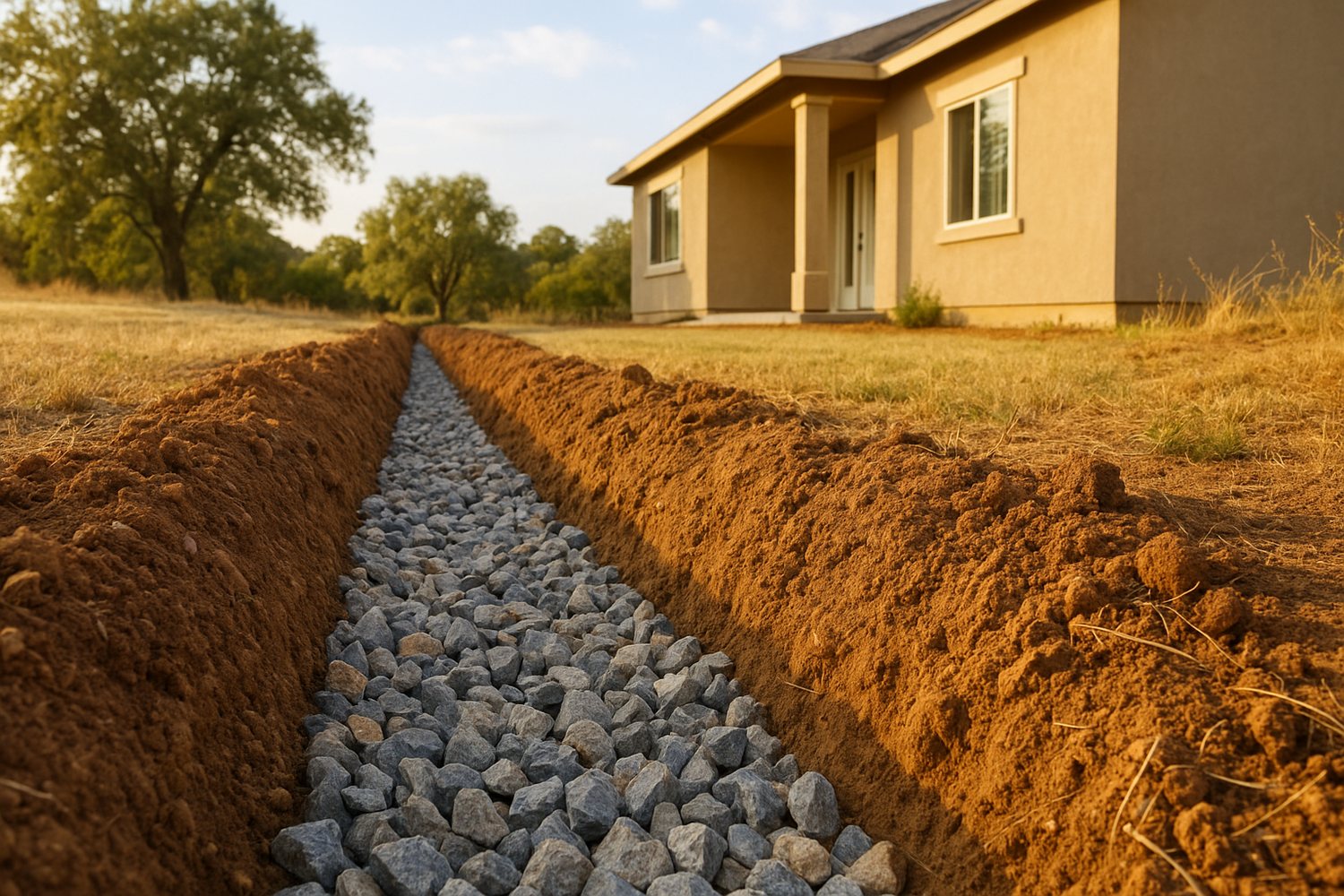
Base rock and drain rock are essential construction aggregates commonly used in outdoor projects across our region. Base rock acts as a sturdy foundation for structures like patios, walkways, and driveways. Drain rock, on the other hand, is designed to manage water, directing it away from foundations and reducing surface pooling.
Both materials are sourced from local quarries and are composed mainly of crushed stone, though their purpose and size differ. Base rock usually contains a mix of smaller and larger particles to ensure stability when compacted, while drain rock consists of clean, larger stones for easy water movement.
Choosing the right rock depends on your project and site needs—whether you’re creating a structural base or resolving drainage issues. Without the correct material and installation technique, even the best design may not perform well over time.
- Base rock: foundation material for hardscapes and flatwork
- Drain rock: used for managing drainage and controlling water flow
- Both are important for outdoor construction durability
For more details about these materials, explore ourBase rock and drain rockpage.
Why Compaction Cannot Be Skipped
Compaction is the critical step that transforms loose rock into a reliable, load-bearing surface. Without it, base rock and drain rock stay loose, continuing to shift under traffic or weight. This can lead to settling, cracking, or movement in patios, driveways, retaining walls, and landscape beds.
Our region’s expansive soils and seasonal moisture changes make compaction particularly important. Improperly compacted material acts as a weak point, leading to uneven settling as soils expand and contract with rain or irrigation.
A well-compacted base extends the lifespan of any hardscape installation. It minimizes settling and surface cracks, reducing the need for early repairs or replacement. Compaction safeguards your investment—making it a best practice, not an extra step.
- Prevents shifting and settling
- Supports heavy loads
- Reduces maintenance needs
Techniques for Effective Compaction
Professional crews use plate compactors or vibrating rollers to ensure even, thorough compaction. These machines press the base or drain rock firmly into place, creating a dense, stable layer ready for concrete or pavers.
The best practice is to build up the base rock in several thin, even layers. Each layer—usually no more than a few inches thick—is compacted before adding the next. Rushing the process by laying thick, un-compacted rock leads to inconsistencies and weak spots.
For drainage layers, minimal compaction is sometimes appropriate so water can still pass through. Consulting with experienced contractors ensures that both materials are installed using techniques right for your soil, intended use, and regional weather patterns.
- Use mechanical compactors—not just hand tamping
- Build up the base in thin layers
- Tailor compaction to the specific material and site
| Material | Compaction Needed | Best Use | Risk if Skipped | Notes |
|---|---|---|---|---|
| Base Rock | High | Driveways, patios | Settling, cracks | Compact in thin layers |
| Drain Rock | Low–Moderate | Drainage, backfill | Poor drainage | Minimal compaction maintains permeability |
| Soil/Subgrade | Moderate | Before base rock | Weak foundation | Grade and compact before adding base |
| Sand | Light | Paver bedding | Paver shifting | Level, but over-compaction can harm drainage |
| Gravel | Moderate | Paths | Loose footing | Compact for safety and stability |
Local Soil and Weather: Why It Matters Here
In Rocklin, Roseville, Granite Bay, Folsom, Auburn, and neighboring communities, soils often include clay and loam that swell and shrink with seasonal moisture. This movement can quickly damage improperly installed hardscapes.
Areas with high water tables or steep grades need thoughtful drainage solutions; proper use and compaction of drain rock help manage runoff and prevent erosion. These regional factors make skipping thorough compaction especially risky compared to drier, flatter regions.
Experienced professionals recognize and adapt to these local soil challenges. Compaction is customized to balance stability and drainage, creating projects that hold up to both heavy use and the demands of our climate.
- Clay-rich soils expand and contract with rain
- Drainage management prevents pooling and instability
- Local expertise is essential for long-term results
How Improper Compaction Shows Up Later
Signs of poor compaction may not be obvious until weeks or months after installation. Patios, walkways, or retaining walls may begin to settle unevenly or crack, sometimes requiring costly fixes. You might also notice trip hazards from sunken pavers or ponding water.
When base rock is not compacted well, the material can migrate as you walk or drive over it. Drainage problems may also surface, as loosely packed drain rock struggles to redirect water efficiently—leading to muddy spots or premature erosion.
Early prevention through proper installation costs far less than dealing with the aftermath. Homeowners can save time, money, and frustration by prioritizing compaction from the start.
- Uneven settling and surface cracking
- Washed-out or sunken areas
- Chronic drainage or erosion issues
If you’re considering other landscape supplies, visit ouroutdoor construction materialsoverview.
Compaction for Different Outdoor Projects
Not every project needs the same compaction approach. Patios and driveways benefit from the highest level of compaction—supporting heavy-foot and vehicle traffic. Walkways, steps, and landings also need a solid base to avoid shifting and settlement.
Landscape beds and dry creek beds use drain rock for water management, with minimal compaction to ensure permeability. Retaining walls, meanwhile, require both proper base rock compaction for support and drain rock for backfill to handle water movement.
Each installation type gets a customized approach, fine-tuned for the area’s soil conditions and the load demands of the finished project. This ensures performance and durability specific to each use case.
- Driveways: highest compaction for load support
- Patios: stable, crack-resistant foundation
- Retaining walls: balance of strength and drainage
DIY vs. Professional Installation
Homeowners who take on hardscape or drainage projects themselves should consider renting proper equipment—mechanical compactors make all the difference. Many mistakes happen when hand tamping is used instead, leaving the base loose and unstable.
Professionals are trained to judge soil conditions, material needs, and compaction standards for every project. Their experience helps avoid common pitfalls, especially in Placer, Sacramento, and El Dorado County’s varied terrain.
When in doubt, consult with a local expert who understands the region’s unique soils and weather patterns. This guidance can save significant headaches down the road, whether you do the work yourself or hire it out.
- DIY: rent equipment, follow best practices
- Professional installation adjusts for soil and drainage
- Expert advice is valuable for challenging sites
Summary: The Value of Getting It Right
Quality materials alone are not enough—how they’re installed matters just as much. Thorough compaction of base rock and drain rock protects your outdoor project from the common issues caused by shifting, settling, and poor drainage.
The investment in proper compaction pays off through longer lifespans and fewer repairs for patios, walkways, retaining walls, and more. Understanding this process empowers homeowners to make informed decisions or ask the right questions of their contractor.
For California homeowners, working with experienced, licensed professionals ensures your installation stands up to the area’s distinct climate and soils—providing lasting value and peace of mind.
- Compaction is key for durability and safety
- Tailor approaches to project type and local conditions
- Smart installation helps projects last for years
Ready to discuss your project?Request a consultationwith California Hardscapes today.
Planning a materials project?
Call or text 916-741-0633, or email sales@californiahardscapes.com with your address, a short description and a few photos, and we will arrange a consultation.