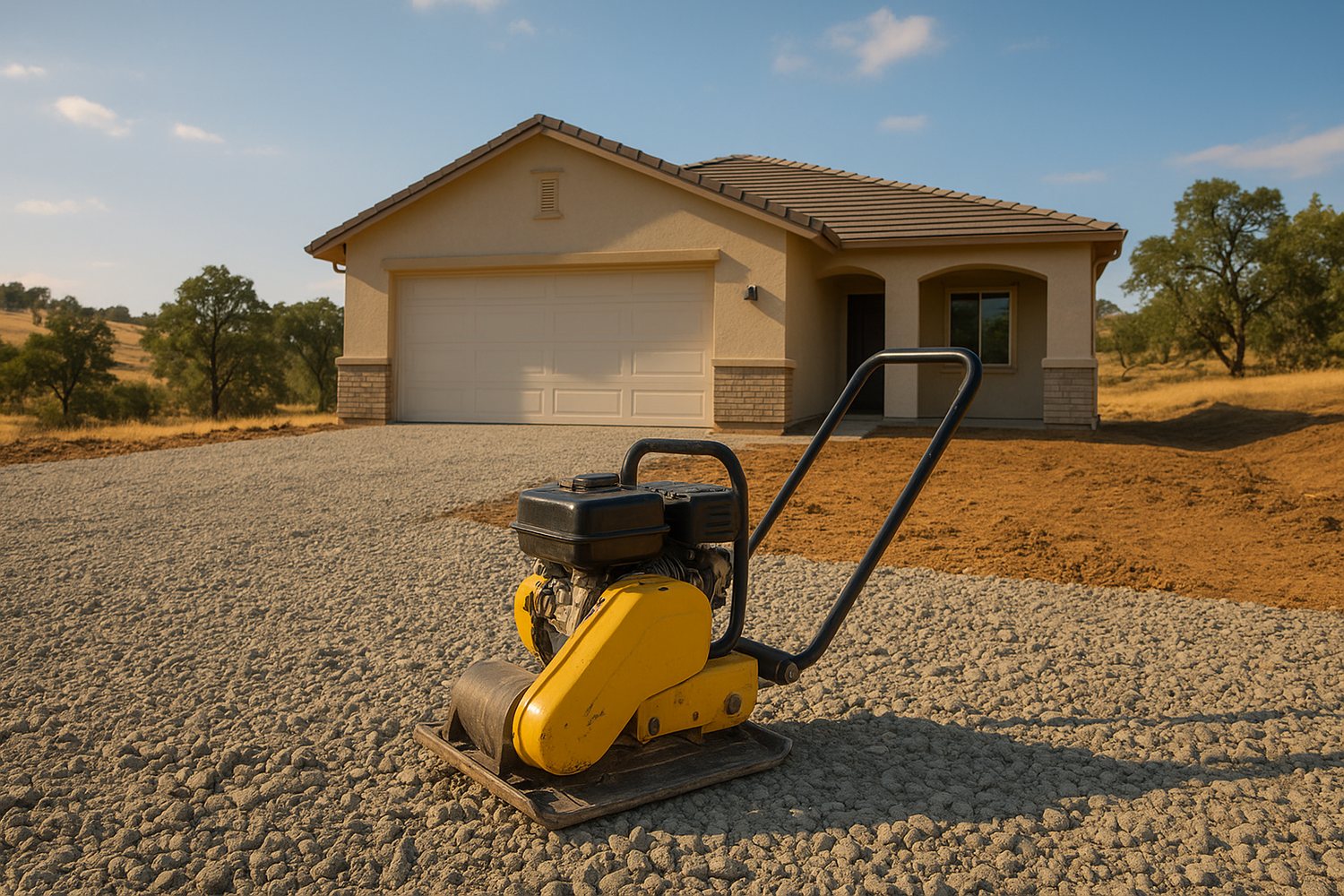
Base Rock vs Drain Rock: Choosing the Right Material for Your Project
Base rock and drain rock have distinct roles in creating durable hardscapes. Discover their differences, benefits, and where to use each one.
Selecting the right base or drain material is a cornerstone decision for any hardscape or landscape project. Homeowners in the Rocklin and Sacramento region can use this comparison for practical, lasting results.
What Is Base Rock?
Base rock is a compactable aggregate, often made from crushed stone, gravel, or recycled concrete. Its purpose is to create a strong, stable foundation for a variety of hardscape features. When installed correctly, base rock keeps patios, walkways, driveways, and other surfaces from shifting or settling.
Compaction is the key to base rock’s performance. The angular edges of the crushed stone help each piece lock together tightly as it is packed. This provides critical load-bearing support under concrete, pavers, or flagstone.
Homeowners in Rocklin, Roseville, Granite Bay, Folsom, Auburn, and the local foothill areas should note that local soils and climate affect how much base rock is needed. Heavy clay soils in some neighborhoods may call for a thicker layer to withstand seasonal moisture swings.
• Creates a firm, level base for construction
See our mainBase rock and drain rockpage for even more details on available options.
What Is Drain Rock?
Drain rock is a free-draining aggregate, typically washed and rounded gravel in sizes from 3/8-inch to 1-1/2 inches. Its primary function is letting water flow freely through it, preventing pooling and saturated soil beneath the surface.
Unlike base rock, drain rock does not compact tightly; space remains between stones, allowing for water movement. That makes it ideal for French drains, behind retaining walls, beneath dry riverbeds, or as a layer below planters and organic mulches.
Homeowners in the greater Folsom and Auburn areas often see benefits from strategic drain rock use, especially on sloped lots or in areas with poor natural drainage. A proper installation helps protect home foundations and outdoor living spaces from water issues.
• Promotes effective drainage in wet conditions
Base Rock vs Drain Rock: The Key Differences
While both are types of aggregate, base rock and drain rock serve opposite (and complementary) roles. Base rock’s strength is compaction; it is designed to pack solid, while drain rock’s role is to remain loose for water movement.
The most practical way to know what you need: if you want a solid, unmoving foundation, choose base rock. If you need somewhere for water to escape or flow, use drain rock. Trying to substitute one for the other leads to failures—settling with drain rock, or pooling with compacted base rock.
Rocklin, Roseville, and surrounding communities see varied soils and water tables, so many outdoor living projects use both materials: base rock for stability, drain rock for water management. Assess both needs before you start.
• Base rock: crush-and-compact for stability
| Property | Base Rock | Drain Rock | Primary Use | Installation |
|---|---|---|---|---|
| Compacts? | Yes | No | Base Rock: patios, drives | Base rock: compacted in lifts |
| Drains Water? | Limited | Excellent | Drain Rock: French drains | Drain rock: loose, no compaction |
| Best For | Stability & support | Water movement | Patios, drives, pavers | Drains, behind walls |
| Material Type | Crushed, angular | Rounded, washed | Concrete/paver base | Drainage |
| Local Consideration | Handles wet soils | Controls groundwater | Clay soils: thicker base | High water: deeper drain layer |
Applications: Where Each Material Goes
Use base rock under any feature needing stability: driveways, walkways, patios, pool decks, and permanent fire pits. Its compaction lets concrete or pavers stand the test of time, even in our region’s clay and variable soils.
Drain rock belongs anywhere you need to move or disperse water. It forms the core of French drains, goes behind retaining walls to relieve groundwater pressure, and is used beneath decorative beds for improved drainage.
In some cases, both materials are layered to maximize both strengths. For example, a French drain may have a base of compacted base rock for strength and a thick layer of drain rock above for steady water flow. Every project’s needs are slightly different in Rocklin’s foothill climate.
• Base rock under patios, drives, or walkways
Selecting the Right Rock for Local Soils
Our region—Rocklin to Auburn, and across Sacramento and El Dorado foothills—features soils ranging from dense clay to loose sand. The right material choice can make or break your investment in outdoor spaces.
For heavy, expansive clay (prevalent in Roseville and parts of Granite Bay), a deeper layer of compacted base rock is often essential. This resists the soil’s seasonal expanding and shrinking, minimizing cracks and settling.
If you notice standing water in your yard or around your foundation after rains, prioritize drain rock installations in those areas. Consult a local hardscape expert familiar with the specific soils in your neighborhood for a plan built to last.
Looking for ideas or alternatives? Check out all ourMaterialsofferings for your landscape.
Installation Tips: Getting It Right
Proper material is only half the battle; correct installation determines its lasting performance. For base rock, compaction in lifts (layers of a few inches each) ensures uniform stability throughout the depth. Don’t cut corners on this step.
With drain rock, the key is to avoid compaction. Place it loosely within trench or wall backfill. Use landscape fabric at the soil interface to prevent dirt intrusion that would block drainage over time.
Many homeowners in Placer, Sacramento, and El Dorado counties choose to work with licensed, experienced contractors, especially for critical bases or complicated drainage systems. Quality materials plus skilled installation create peace of mind.
Common Mistakes to Avoid
Using drain rock in place of base rock (or the opposite) leads to trouble. Drain rock cannot provide a stable base and will cause paver or concrete movement; base rock will not let water flow, risking water buildup and instability.
Another misstep: skipping soil preparation. Without the right grading, even the best materials won’t save your landscape from poor drainage or settling issues. Always install on a properly prepared subgrade.
Don’t forget to use materials appropriate for the expected load and exposure. For driveways or heavy-use patios, choose a robust base rock; for possible high water areas, ensure drain rock layers are installed to sufficient depth.
Partnering With Local Material Experts
Selecting and installing the right aggregate for your property isn’t just about materials—it’s about region-specific knowledge. California Hardscapes is local, experienced, and practical about the unique needs of Placer, Sacramento, and El Dorado County soils.
With decades in concrete, hardscape, and materials under Marty’s belt, every project is tailored to long-term results and proper function. From patios and driveways to complex drainage systems, expert advice goes a long way.
Ready to get started or have questions about what your space needs? Reach out to a team with deep, real-world experience—because good materials, installed right, lay the groundwork for every lasting outdoor project.
Ready to talk through your project?Request a consultationand get local, practical recommendations.
Planning a materials project?
Call or text 916-741-0633, or email sales@californiahardscapes.com with your address, a short description and a few photos, and we will arrange a consultation.