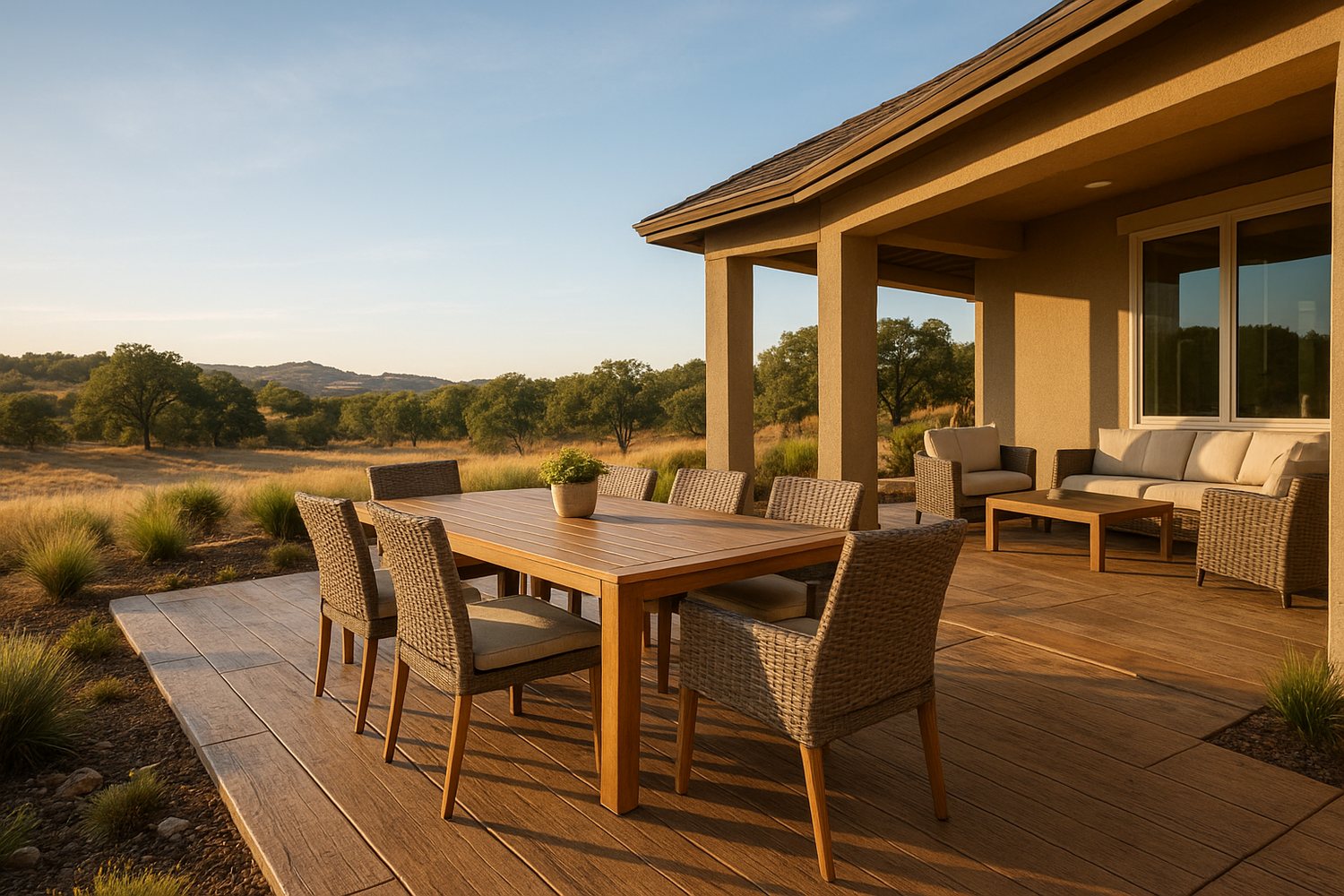
How to Choose the Right Stamped Concrete Design for Your Home
Stamped concrete offers remarkable design versatility for patios and walkways. Learn how to select the perfect pattern, color, and border for your property.
A well-designed stamped concrete patio or walkway can highlight your home’s character while fitting seamlessly with the surrounding landscape. In Northern California, the right choices provide durability and lasting curb appeal.
Understanding Stamped Concrete’s Design Options
Stamped concrete isn’t just about durability—it’s about quality design that stands out. Homeowners in Rocklin, Roseville, Granite Bay, Folsom, Auburn, and nearby communities can choose from a wide variety of patterns that replicate natural stone, brick, tile, or unique custom shapes. The flexibility of stamped concrete means your patio, driveway, or walkway can echo the best elements of your home’s architecture and landscape.
Local surroundings influence good design decisions. For many properties, patterns like slate or flagstone look appropriate with California’s landscapes and diverse home styles. Others may prefer a more contemporary geometric pattern or a classic brick look to complement traditional exteriors. Each stamped concrete option can be tailored to reflect your taste and to harmonize with your home’s façade and outdoor spaces.
It’s important to balance creativity with practicality. Some patterns are more slip-resistant, easier to clean, or better at hiding dust and leaves. Consider how each option fits your household’s routine and maintenance preferences. Sizing up your outdoor spaces and understanding how different patterns influence the mood and scale of patios and walkways can ensure a result that’s both functional and inviting.
For pattern inspiration or more stamped concrete options, explore ourStamped concretepage.
Picking the Best Stamped Pattern for Northern California Homes
Choosing the ideal pattern is both an art and a practical matter. Local architecture often blends Mediterranean, Craftsman, or contemporary influences, and your stamped concrete can echo these styles. Flagstone and random stone prints are favorites for their natural, rustic warmth—a look that fits seamlessly into foothill and valley neighborhoods.
Classic brick and herringbone patterns suit courtyards and walkways with traditional elements, while sleek slate or ashlar offer a modern touch for newer builds. Each pattern can be sized and oriented to visually widen narrow spaces or draw attention to a striking garden or pool feature. The right choice draws the eye without overpowering your property’s distinctive features.
It’s always helpful to view pattern samples in person and compare them against your home’s exterior colors and textures. Consider the sunlight, shade, and vegetation around your yard. Stone and slate patterns, for example, work well with both lush lawns and drought-tolerant gardens common in this region.
- Flagstone: organic, versatile
- Brick: timeless, tidy lines
- Ashlar slate: modern, sophisticated
- Cobblestone: rustic, traditional
- Custom geometric: contemporary flair
Choosing Colors that Work with Your Home’s Palette
Color selection can make a stamped concrete project blend smoothly with its surroundings or stand out as a focal point. For most Northern California homes, earth-toned hues—like warm browns, taupes, and subtle grays—complement the hills and native plantings. Lighter shades keep patios comfortable underfoot in summer, while darker accents can echo roof tiles or trim.
Integral and surface color processes allow for a range of tones and highlights. Accent colors stamped into the crevices and edges create visual depth and realism, especially when replicating stone or brick. It’s wise to sample your top color choices onsite, since sunlight and house shade can change the perceived color throughout the day.
Keep in mind the practical side of color as well. Surfaces need to weather Central Valley and foothills sun, dust, and sometimes leaf stains from nearby trees. Mid-tones are often easiest to keep looking clean and fresh. Owners appreciate colors that enhance landscaping without distracting from it, so using complementary or analogous shades often brings the most satisfaction.
- Earth tones: blend into natural surroundings
- Grays: modern, versatile
- Reds/oranges: highlight warm exteriors
- Charcoal: strong contrast for dramatic effect
| Pattern | Best For | Typical Colors | Border Style | Maintenance |
|---|---|---|---|---|
| Flagstone | Naturalistic patios & gardens | Earth browns, tans, grays | Brick or contrasting stone | Low – hides debris |
| Brick | Traditional walks & courtyards | Red, charcoal, sand | Solid or contrasting brick | Medium – shows some stains |
| Ashlar Slate | Modern patios/entertainers | Cool grays, taupe | Narrow contrasting border | Low – easy to sweep |
| Cobblestone | Rustic or classic homes | Mixed grays, brown tones | Wide or curved band | Medium – needs regular sealing |
| Geometric | Contemporary landscapes | Custom, often light gray | Slim/clean edge | Low – minimal upkeep |
Adding Borders for Contrast and Definition
Borders give stamped concrete a finished, professional look, while visually separating different functional areas. With patios and walkways, contrasting or complementary borders can define seating spaces, paths, or highlight steps and edges. Several design options are available, such as using a brick pattern border around a slate-patterned field.
You may want to choose a border color that echoes an element of your house—like window trim or roofline—for cohesion. Contrasting patterns can also help manage the scale of a large patio or lend subtle elegance to small yards. Borders are a practical way to make transitions from stamped concrete to other materials, like grass, gravel, or landscape beds.
The shape and width of borders influence the feel of your space. Wider borders offer a bold frame, while slim borders provide a tidy outline. Rounded and curved borders can soften geometric patios, matching the curves of your garden or retaining walls. As with the main design, it pays to sample border options onsite beside your chosen concrete field color.
- Contrasting patterns add drama
- Complementary borders create harmony
- Borders help highlight edges and features
Comparing Stamped Concrete Patterns, Colors, and Borders
The right stamped concrete combination can boost curb appeal and tie together your home’s landscape and exterior colors. This comparison table summarizes a few of the most popular patterns, color approaches, and border styles suited to Northern California yards.
Reading across the table, you can match inspiration to your property’s look and feel, and weigh the primary considerations for each aspect of design. This overview helps you assess which style is most compatible with your personal taste, home architecture, and maintenance preferences.
Bringing samples onsite and consulting with a knowledgeable contractor helps confirm your selections. Keep in mind that your home, sunlight conditions, and landscape will influence how these options look in real life.
Interested in more choices for patios and walkways? Review allConcrete optionshere.
Using Local Context to Guide Your Design Choices
The neighborhoods across Rocklin, Roseville, Granite Bay, Folsom, and Auburn vary in lot sizes, sun exposure, and landscape style. A design that’s right for a Granite Bay ranch might differ from a Folsom contemporary. Study your property’s natural light, existing hardscape, and the color of roofs and trim when considering stamped concrete design.
In shaded yards or those with mature trees, lighter concrete colors can brighten up the space, while bolder borders help define walkways winding through garden beds. In newer subdivisions, homeowners often choose modern, larger-format patterns and colors that fit crisp architectural lines. Historic or established neighborhoods may benefit from time-tested cobblestone or classic brick looks.
Water conservation concerns in this region sometimes drive design. Stamped concrete can offer a low-water alternative to lawns while retaining a natural, textured appearance. Evaluate where design can best complement drought-tolerant gardening or existing pool decks to achieve a seamless and resilient result.
Practical Steps for Choosing Your Patio or Walkway Design
Start by reviewing photos of pattern and color combinations that appeal to you. Collect samples or reference chips, then compare them against your home’s paint, trim, and roof on sunny and cloudy days. Make a list of features to highlight—like entryways, pool edges, or fire pits—that could benefit from a border or accent.
Consult with a professional who understands how local soils, seasonal weather, and landscape types influence performance and appearance. Bring your inspiration, but be open to practical advice specific to homes in the Sacramento foothills and valleys. Prioritize options that deliver the look you want, plus ease of use and upkeep.
Request a design consultation early in your planning. Licensed, bonded, and insured contractors will guide you on technical factors like thickness, joint placement, and slip resistance. They’ll also demonstrate how subtle differences in pattern and color can make a space feel truly connected to your property.
- Collect pattern and color samples
- View samples onsite in different lighting
- Ask how designs relate to local soils and plants
Count on Experience for the Best Results
With stamped concrete, the difference between an average and an exceptional result is often experience. Local expertise—knowing how certain colors, patterns, and finishes withstand Valley summers, cold snaps, and day-to-day use—is critical. California Hardscapes, managed by Marty, brings over three decades of hands-on local concrete and outdoor construction know-how to every project.
Every project is built with licensed, bonded, and insured contractors, so you can count on professional standards from start to finish. Trusted advice ensures your chosen design stands the test of time and fits your property’s distinctive style. Only practical, proven techniques are considered for Northern California conditions.
Whether you’re transforming a backyard retreat or updating a front walkway, a thoughtful, context-aware approach pays off. For answers to your questions, or to explore stamped concrete options tailored to your property, contact California Hardscapes by call, text, or email.
Ready to talk designs?Request a consultationwith California Hardscapes today.
Planning a concrete project?
Call or text 916-741-0633, or email sales@californiahardscapes.com with your address, a short description and a few photos, and we will arrange a consultation.