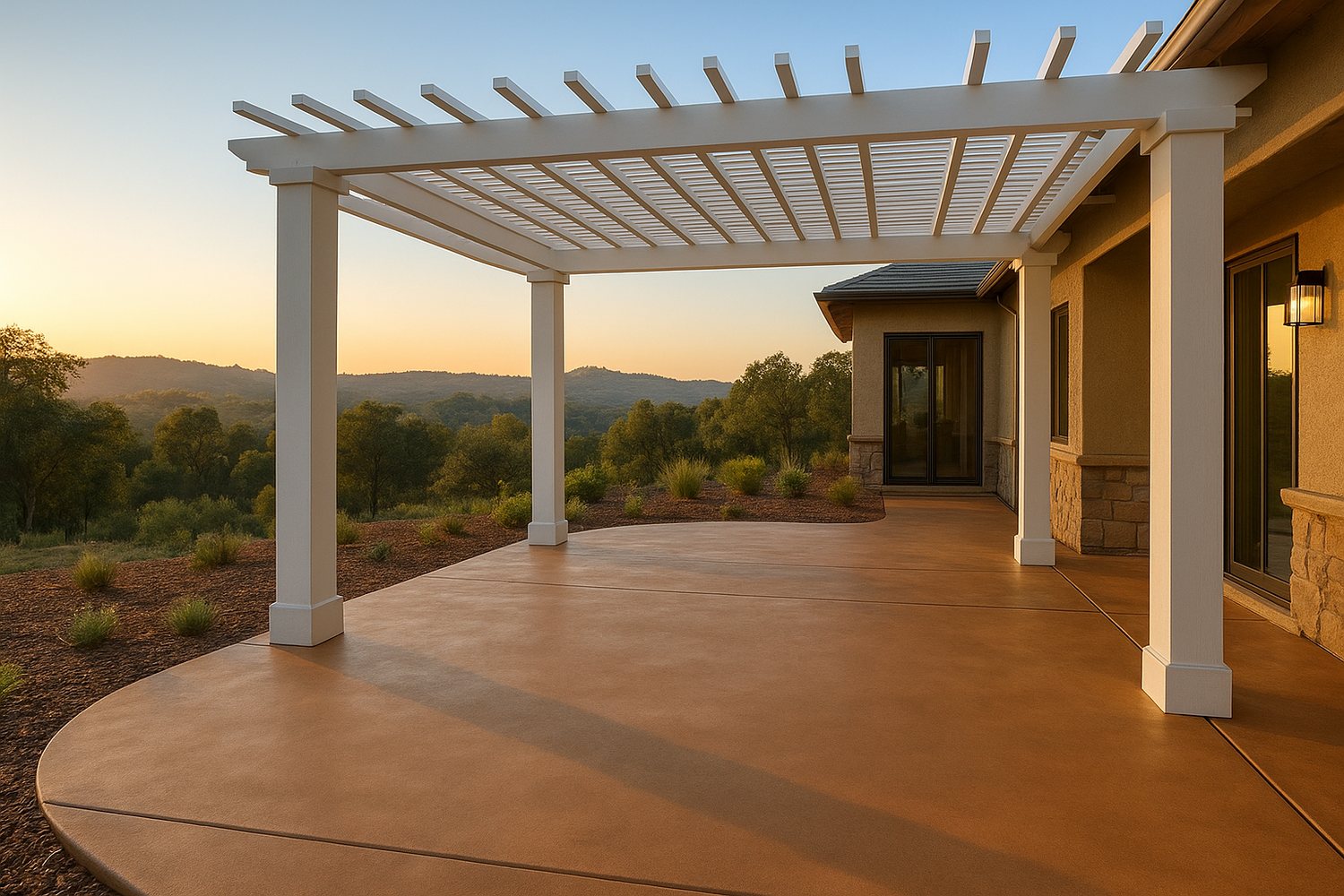
Caring for Colored Concrete: Keep It Beautiful in Northern California Sun
Colored concrete adds lasting appeal to outdoor spaces, but our strong Northern California sun demands proper care to keep color looking even and rich.
Integral color concrete delivers warmth and beauty, blending perfectly into Northern California landscapes. Knowing how it ages—and how to maintain it—preserves your home’s curb appeal for years.
Why Choose Integral Color Concrete?
Integral color concrete means pigment is mixed throughout the concrete, not just applied on the surface. This creates a rich, consistent hue that’s built to withstand weather and wear. It can accent your home’s palette and bring a designer finish to walkways, patios, drives, and pool decks.
Homeowners across Rocklin, Roseville, Granite Bay, and the foothill communities often choose colored concrete for its enduring good looks. The color resists chipping or peeling and won’t wash away. Still, like any outdoor material, it evolves with time and exposure.
The climate in Placer, Sacramento, and El Dorado counties means long stretches of sun, seasonal rain, and some freeze-thaw cycles. Understanding the difference between integral color and topical stains helps you make the best material choices for your home.
- Color is blended through entire slab
- Can mimic stone, earth, or any palette
- Less risk of fading or flaking compared to surface-applied color
To learn more about color options and custom finishes, visit ourColored (integral color) concretepage.
What the Sun Does to Colored Concrete
Here in inland Northern California, UV rays are intense from spring through fall. Over years, strong sunlight can gradually lighten integrally colored concrete—especially reds, browns, and some earthy tones.
Unlike painted or topically stained concrete, fading on integral color happens slowly and evenly. Even so, areas in full sun typically lighten more than shaded sections. Pool decking and south-facing patios feel this most, while covered areas hold color better.
Occasionally, minerals in irrigation water or mild surface wear may further shift or dull certain colors. The effect is seldom dramatic with integral color, but it helps to know what to expect—and how to care for your investment.
- Sun and shade create gradual color variation
- Earthy tones mellow gently over time
- Wear and water exposure can impact appearance
How Even Color Changes as Concrete Ages
In our region’s dry, hot summers and occasional wet winters, colored concrete gradually “patinas”—meaning subtle, natural shifts in appearance. Over several seasons, the surface develops character, sometimes with increased contrast between sunny and shaded spots.
Lighter shades show less visible fading, while deeper or richer pigments may become more muted on surfaces that catch a lot of sun. Foot traffic or moving patio furniture can boost this effect by polishing some areas and scuffing others.
Knowing this helps set realistic expectations. Most homeowners appreciate the timeless, lived-in look colored concrete develops. Regular, light care helps keep these changes attractive and consistent, instead of patchy or uneven.
- Natural patina forms over years
- Dark or bold colors mellow most noticeably
- Uniform care prevents “blotching” or abrupt changes
| Feature | Integral Color Concrete | Topical Stains | Uncolored Concrete | Paver Alternatives |
|---|---|---|---|---|
| Color throughout slab | Yes | No | No | N/A |
| Fades in sun | Slowly, evenly | Rapidly, surface only | N/A | Stays true |
| Prone to peeling | No | Yes | N/A | No |
| Maintains appearance | With care | Requires recoating | Can stain | Requires releveling |
| Blends in with landscaping | Yes | Often | Limited | Varies |
Easy Steps to Maintain Even Color
Routine care makes the difference between a patchy, faded surface and a gracefully aging, even-colored patio or pathway. The basic approach: keep surfaces clean and protected, especially from standing water and heavy dirt.
Rinse or sweep debris away monthly. Avoid harsh chemicals or power scrubbing, as these strip the concrete’s surface and can accelerate color loss. Instead, use mild soap and a soft bristle broom for buildup or stained areas.
Most important: reseal the surface every two to four years with a high-quality penetrating sealer. This guards against UV, water, and staining, helping the color age gracefully and more evenly, even in bright summers.
- Rinse dirt and dust regularly
- Mop spills promptly to avoid staining
- Reseal every 2–4 years for best protection
Selecting the Right Sealer for Local Conditions
The sealer you choose should suit our specific climate—hot, dry spells with periods of rain and sometimes hard water. Penetrating (silane/siloxane) sealers usually work best for colored flatwork exposed to sun, as they protect without adding gloss or slipperiness.
Glossy film-forming sealers may be used when a deeper “wet look” is desired, but they need more frequent reapplication and can be slippery when wet, especially around pools or shaded entries.
Always check that the product is intended for colored or decorative concrete, and consider local advice—materials stores in Rocklin, Roseville, and Folsom will stock sealers matched to our region’s temperatures and precipitation.
- Prefer silane/siloxane for lasting UV protection
- Film-forming sealers require more upkeep
- Confirm sealer is compatible with colored concrete
For an overview of all available concrete choices from basic to decorative, visit ourConcretesection.
Dealing With “Blotchy” or Uneven Color Over Time
If your colored concrete starts showing rapid changes, patchy fading, or visible residue from sprinklers or leaves, early intervention is key. Most issues stem from water deposits, mildew, or missed resealing cycles.
Cleaning with a gentle, pH-neutral cleaner (never acid!) usually lifts most stains. Persistent calcium deposits from irrigation can be managed with specialty removers designed for concrete, available at regional building supply outlets.
For deeper, widespread color shifts, professional cleaning and resealing may restore appearance. In rare cases, a compatible color-refreshing stain can unify the surface. Always test a small area first to ensure good results with your existing color.
- Promptly address stains to prevent set-in marks
- Consult a pro before attempting color refreshes
- Protect edges near lawns and gardens from irrigation runoff
Concrete Color Choices for the Foothill Climate
Some color pigments naturally hold up better in our region’s climate. Earthy taupes, sand, and medium grays tend to weather more gracefully, showing less visible change, even after years of sun.
Bold colors—such as deep reds or rich browns—may mellow somewhat but still provide pleasing contrast to landscaping. If you want a low-maintenance, timeless appearance, consider mid-range hues or blended aggregates for additional texture.
Ask your contractor about color samples that have aged outdoors so you can preview the typical patina over time. Regional suppliers will know which colors are most stable for Placer and Sacramento counties.
- Softer tones are more forgiving as they age
- Blended or lightly textured surfaces hide minor changes
- Ask for sample slabs or chips aged outdoors
When to Refinish or Restore: Signs to Watch For
Eventually, even well-kept colored concrete may show signs it’s time for deeper maintenance. These include widespread fading, uneven patches, or surface wear beyond what resealing can address.
Light scratches and minor dullness respond well to cleaning and resealing. But if the color looks uneven despite good care, or if the surface becomes rough—especially at control joints—it may be time for professional assessment and possible refinishing.
Regularly inspect for cracking, spalling, or pitting, especially in exposed areas. Early action preserves the concrete’s structural and visual integrity, maximizing the lifespan of your investment.
- Uneven color or rough texture signals deeper maintenance needs
- Routine resealing extends surface life
- Professional help can restore color uniformity in tough cases
For tailored advice and a site-specific assessment,request a consultationwith California Hardscapes.
Planning a concrete project?
Call or text 916-741-0633, or email sales@californiahardscapes.com with your address, a short description and a few photos, and we will arrange a consultation.