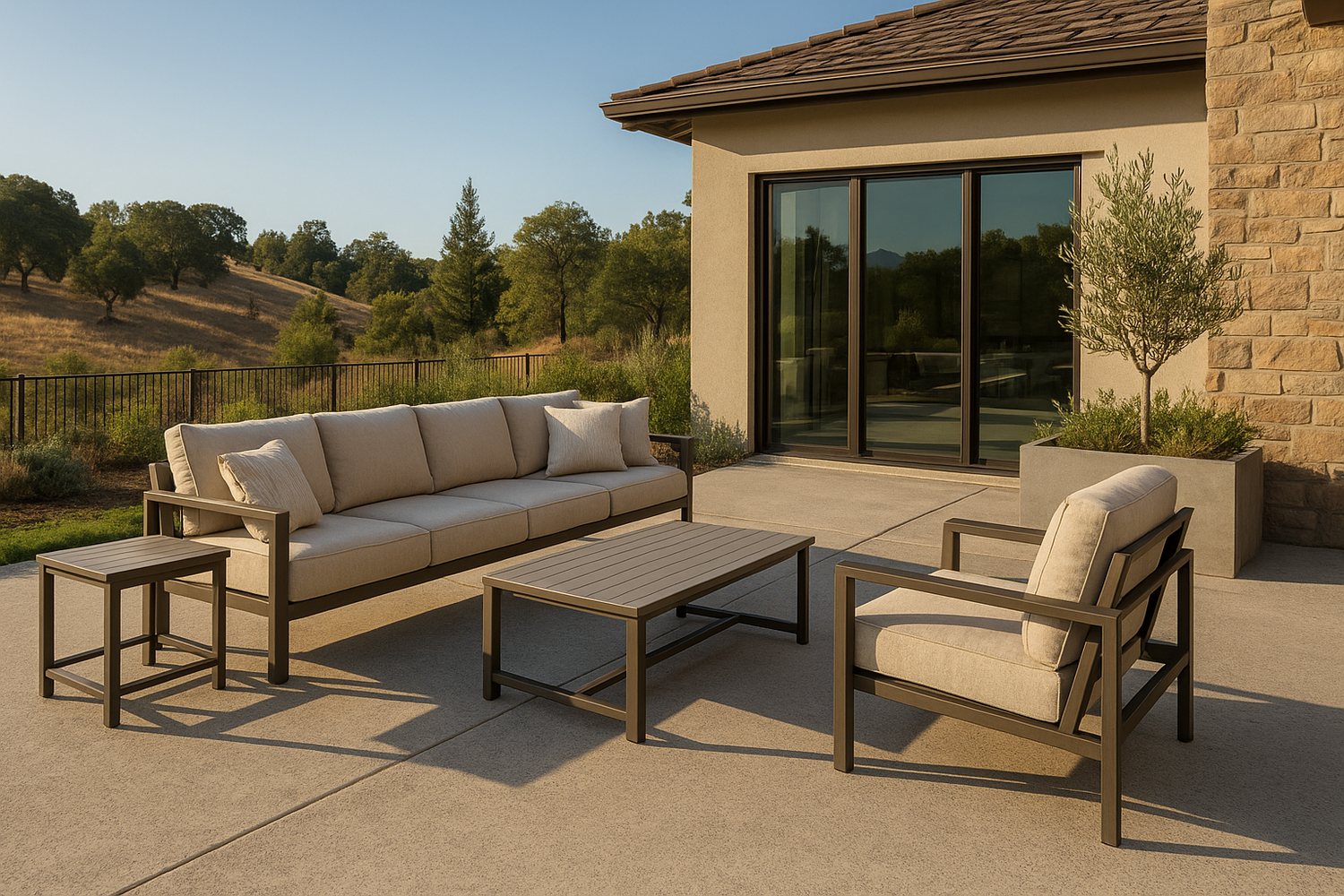
Salt, Sand, and Smooth Trowel Concrete: Care for Specialty Finishes
Learn the essentials for care and maintenance of specialty concrete finishes—salt, sand, and smooth-trowel—so your outdoor spaces stay stunning and safe.
Specialty concrete finishes elevate your outdoor living areas, but they need the right care. Here’s what Rocklin-area homeowners should know to keep them looking and performing their best.
Why Concrete Finish Matters
Not all concrete surfaces are the same. The finish—whether salt, sand, or smooth-trowel—affects appearance, feel, and safety. Each one brings unique texture, color depth, and slip characteristics to outdoor areas. The right finish elevates curb appeal but also comes with specific care needs.
In our region, finishes are chosen not just for style but also for comfort and performance. Hot summers, winter rains, and frequent backyard gatherings mean your patio or pool deck should be functional and easy to maintain. Homeowners often favor specialty finishes for a premium look that lasts.
But to keep that fresh look and reliable grip underfoot, it takes some upkeep. Understanding how each finish works—and what it asks from you—can save money, protect your investment, and help prevent costly repairs down the road.
Interested in more details on these options? See ourSalt, sand and smooth-trowel finishespage for design inspiration and material facts.
Salt Finish: Subtle Texture, Low Maintenance
Salt finish concrete is popular for its understated beauty and barefoot-friendly feel. Created by pressing salt crystals into fresh concrete and then washing them away, this finish leaves a gently pitted surface that sparkles in sunlight and adds slip resistance—not unlike fine, natural stone.
The good news: cleaning is straightforward. Sweep or use a blower to keep debris off. Seasonal pressure washing with a fan tip, not a zero-degree, prevents dirt from settling in the crevices without causing damage. Avoid harsh chemicals or stiff-bristled brushes, which can erode the surface over time.
Sealing every two to three years keeps out moisture, helps preserve the finish, and makes cleaning easier. Choose a breathable, penetrating sealer, especially if your concrete is exposed to pool water or winter de-icing salts.
- Sweep or blow off debris weekly
- Pressure wash (fan tip) as needed
- Seal every 2–3 years for longevity
Sand Finish: Modern Texture That Needs TLC
Sand finish, or exposed fine aggregate, reveals the tiny stones and granular texture within the concrete. Many modern patios and walkways in Placer and Sacramento counties opt for sand finishes for their elegance and improved traction.
Cleaning should be gentle—think broom, not wire brush. Occasionally, shampoo with a mild detergent and rinse with a hose or low-pressure washer. Because the aggregate is slightly exposed, sand-finished surfaces can attract algae or grime in shaded areas after rain, so regular attention helps.
Sealants make a big difference here. Use a penetrating silane or siloxane sealer, which enhances color and keeps moisture out without making the surface slippery. Resealing every two to three years is generally best for our climate.
- Gentle sweeping recommended
- Wash with mild detergent
- Reseal regularly for best results
| Finish Type | Texture & Look | Slip Resistance | Ease of Cleaning | Sealing Frequency |
|---|---|---|---|---|
| Salt Finish | Soft pits, sparkles | Good | Easy | Every 2–3 years |
| Sand Finish | Fine exposed aggregate | Excellent | Moderate | Every 2–3 years |
| Smooth-Trowel | Sleek, glassy | Low (unless treated) | Very easy | Every 2–3 years with anti-slip |
Smooth-Trowel Finish: Sleek, But Needs Safe Handling
Smooth-trowel concrete is a classic choice—with its glassy look, it’s easy to sweep and visually striking. However, it’s also the most challenging finish to keep safe. Its slickness, especially when wet, makes slip resistance a top priority for patios and pool decks.
Routine care is basic: sweep often to avoid surface scratches and stains, and wash with non-abrasive cleaners. Avoid dragging heavy furniture, which can leave visible marks. After storms or irrigation, remove standing water right away to reduce slip risk.
For real-world safety, consider anti-slip treatments or matting, especially in high-traffic or shaded spots. Seal with a non-gloss product formulated for smooth surfaces for a subtle shield that won’t create an ice rink.
- Sweep frequently to avoid scratches
- Clean with non-abrasive soap
- Apply anti-slip products where needed
Slippery When Wet: Improving Safety Outdoors
Weather swings between long, dry stretches and sudden downpours in our area, so slip prevention is crucial. Salt and sand finishes offer natural grip, but smooth-trowel can become slick even with a light mist. Homeowners should think ahead, especially around pools, hot tubs, and outdoor dining spaces.
One solution is regular sealing with the right product. Many modern sealers include grit or anti-slip additives, which improve traction without affecting appearance. If your surface is already slippery, retrofitting anti-slip treatments is possible and effective.
Always test any treatment on a small area first. Some products darken or slightly alter color—worth knowing before wide application. If in doubt, talk to a concrete professional with experience in our local conditions and finish types.
- Use grit additives in sealers
- Consider mats for high-traffic zones
- Test products before full application
Learn how these finishes fit within our full line-up by visiting ourConcrete optionsoverview.
Dealing With the Local Climate
The Rocklin region sees sweltering summers, muddy winters, and everything in between. Each finish needs slightly different care approaches through the seasons. Hot, dry weather can cause cracks if surfaces aren’t kept sealed; cool, damp spells invite mildew and algae.
For all finishes, sweep off organic debris like oak leaves and grass clippings quickly to prevent stains. Regular washing helps prevent buildup from dust and pollen—especially after wind events. Prolonged standing water should always be moved off to keep surface conditions optimal.
Concrete expands and contracts as temperatures swing. Inspect your patios and walkways every few months, looking for shifting, gaps, or early signs of cracking. Early attention can extend the lifespan of any decorative finish.
- Keep surfaces clear after storms
- Watch for algae in shaded spots
- Address small cracks early
Cleaning Products That Work—And Some To Avoid
For salt, sand, and smooth-finish concrete, stick to pH-neutral cleaners and gentle tools. Too-harsh chemicals can attack your finish and shorten its life, while wire brushes may gouge and dull textured surfaces. When in doubt, water and mild dish soap are a safe bet.
Avoid bleach, acid-based cleaners, and oil solvents unless directed by a pro—these can stain or etch the concrete, especially if you have colored or stained finishes. Pressure washers work if handled carefully (fan tip, low PSI), but avoid using them on surfaces you’ve just sealed.
Finish-specific cleaners are available for advanced stains—like rust or tannins from leaves. Check labels for compatibility before use, and when you’re unsure, reach out for professional advice before tackling tough spots yourself.
- Use pH-neutral cleaning solutions
- Avoid harsh chemical agents
- Test unfamiliar products on small patches
Sealing: The Most Important Step
No specialty finish stays beautiful or safe without proper sealing. Good sealers lock out water, resist stains, and help preserve color for salt, sand, and smooth finishes alike. For maximum effect in our summers and rainy seasons, reseal every two to three years, or sooner if water stops beading.
DIYers can find water-based or solvent-based sealers at local suppliers. Penetrating sealers work for salt and sand finishes, while film-forming sealers are more commonly used (with anti-slip additives) on smooth trowel. Always follow manufacturer instructions.
Don’t apply sealers during extreme heat or cold, as this can ruin the finish. Prep thoroughly—surfaces must be clean, dry, and free of loose debris. For best results, consult with a local expert familiar with your exact finish and climate patterns.
- Seal every 2–3 years, more often for high-traffic areas
- Match the sealer to your finish
- Avoid sealing in extreme weather
Ready for tailored advice on specialty finish care?Request a consultationwith a California Hardscapes expert.
Planning a concrete project?
Call or text 916-741-0633, or email sales@californiahardscapes.com with your address, a short description and a few photos, and we will arrange a consultation.