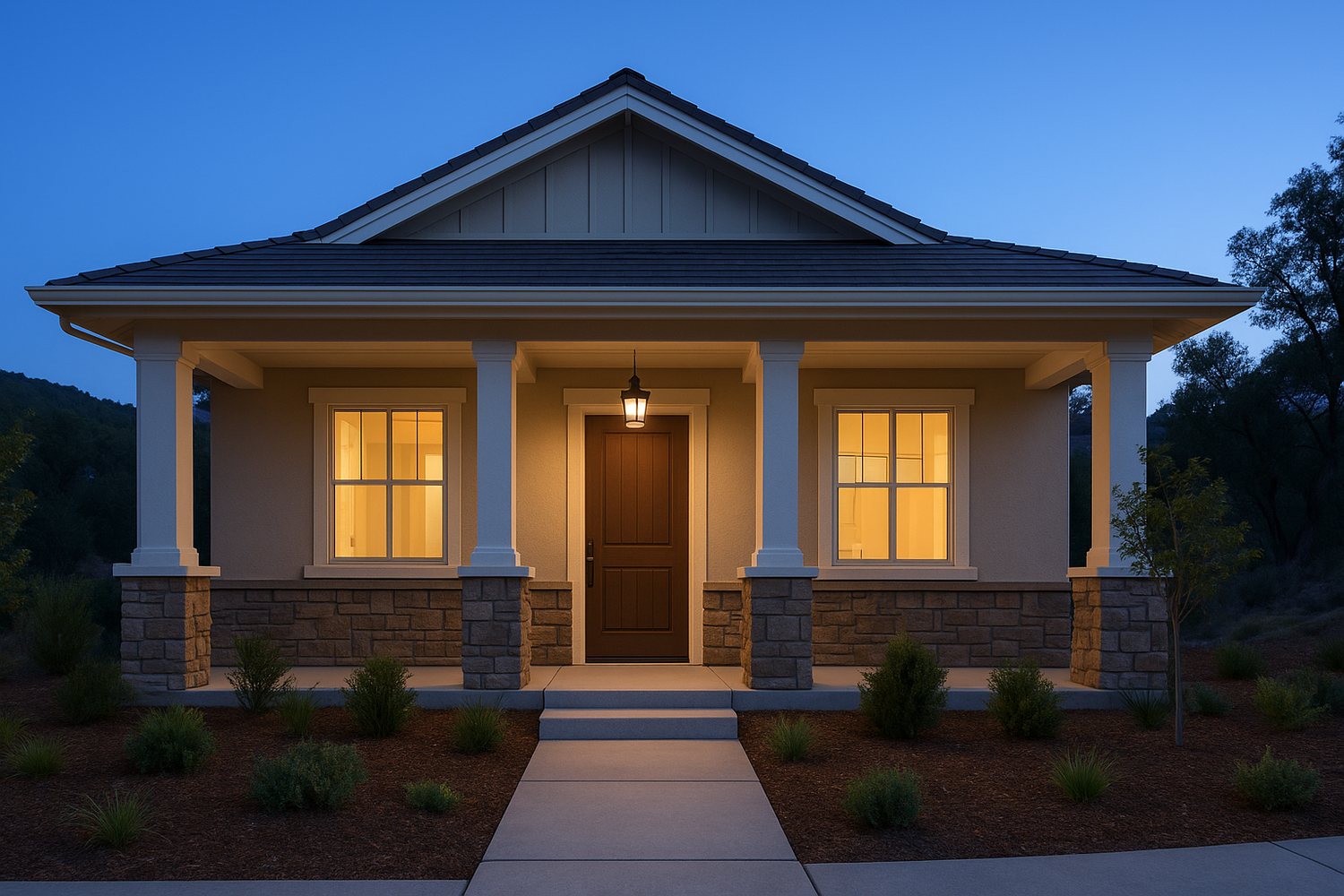
Driveway and Entry Lighting: Avoiding Glare for Neighbors
Glare from driveway and entry lighting can be a nuisance for neighbors. Here’s how to design outdoor lighting that guides guests but keeps peace in your community.
Outdoor lighting enhances security and curb appeal, but careless installation can create glare issues for your neighbors. With a few expert techniques, you can keep your property safe, beautiful, and neighbor-friendly.
Why Glare Is a Problem in Residential Lighting
Bright outdoor lighting can make your entry and driveway inviting, but too much intensity or poorly placed fixtures may create glare. Glare isn’t just a minor annoyance—when lighting shines into a neighbor’s windows or across property lines, it can disrupt sleep and diminish nighttime enjoyment outdoors.
Especially in communities like Rocklin, Roseville, Granite Bay, Folsom, and Auburn, where lots vary in shape and size, direct glare can impact multiple homes at once. It’s easy to underestimate how far a floodlight’s reach can go, especially if your home is uphill or close to the street.
Glare isn’t just a matter of comfort—it can even cause safety issues by reducing visibility for drivers and pedestrians. When designing your outdoor lighting, it’s crucial to balance your own needs with the quality of life for everyone around you.
For more insight, check out ourDriveway and entry lightingsolutions page.
Selecting the Right Fixtures for Low-Glare Results
Careful fixture choice is a critical step to controlling glare. Look for fixtures specifically designed for shielded or directional lighting. These focus light downward or along the ground instead of out into open air or directly at your neighbor’s home.
Some common driveway and entry lighting options in northern California include shielded bollards, sconce lights with downward-facing shades, and in-ground path lights with opaque tops. The materials and finish color impact glare, too—darker, matte finishes reflect less stray light.
It’s worth considering LED fixtures that allow for brightness adjustments, so you have more control over the final effect. Ask your contractor about fixtures approved by the International Dark-Sky Association, which are designed to minimize light spill and skyglow.
- Choose downward-facing fixtures.
- Opt for matte finishes and opaque shades.
- Look for adjustable brightness LEDs.
- Consider Dark-Sky compliant lights.
Smart Placement: Aiming and Angling Your Lights
Placement matters as much as the kind of light you choose. Driveway lights should be positioned to illuminate paths and surfaces, not to highlight landscaping or architecture at night unless those elements need wayfinding or safety attention.
Keep taller fixtures away from the property line and install bollards or low path lights to mark drive entrances. Uplighting may look dramatic, but it’s often a culprit for glare and is best kept minimal or tightly shielded in entry zones.
Angle fixtures away from the street and neighboring windows. If your lot is sloped or multi-level, walk the property at night with a flashlight to simulate the beam and see where light might spill or reflect unintentionally.
- Place lights low—closer to the ground means less glare.
- Avoid uplighting near shared fences.
- Test light angles during nighttime walkthroughs.
| Fixture Type | Glare Control | Typical Placement | Maintenance | Dark-Sky Suitable |
|---|---|---|---|---|
| Shielded Bollard | Excellent | Driveway edges, entries | Low | Yes |
| In-Ground Path Light | Very Good | Along walkways | Low | Yes |
| Wall Sconce (down) | Good | Beside entry doors | Medium | Depends on design |
| Floodlight (unshielded) | Poor | Above garages | Low | No |
| Uplight | Poor | Landscaping/trees | Low | No |
Choosing the Right Color Temperature and Brightness
Color temperature plays a significant role in glare perception. Warmer white lighting—around 2700K to 3000K—creates a welcoming look with less harshness than cool or blue-tinted lighting. This makes it easier on the eyes for both you and your neighbors.
Brightness level is equally important. Overly bright driveway fixtures can overload the eye and scatter light over a wide area. Use the minimum lumens needed for safe navigation—consult with a knowledgeable contractor for region-appropriate recommendations.
Consider dimmable lights so you can adjust the intensity seasonally or based on use. Modern LED options typically provide this functionality, supporting a more adaptive and responsible approach to outdoor lighting.
- Choose warm (2700K–3000K) light color.
- Install dimmable or adjustable fixtures.
- Select the lowest effective brightness.
How Your Regional Climate Impacts Lighting Choices
The foothills and valleys in Placer, Sacramento, and El Dorado counties get wide temperature swings and summer dust. These factors affect fixture longevity and the tendency for lighting to appear brighter than intended due to reflection off dust or damp surfaces.
Wind and rain can shift soil or landscape features, subtly changing the height and angle of low-placed lights. This may gradually cause glare if fixtures tilt or exposure increases, making routine checks important.
In hot and dry seasons, lights can run warmer, sometimes increasing glare. Select high-quality, weather-sealed fixtures rated for outdoor use in this region for the best, most consistent results.
- Use weather-sealed, corrosion-resistant fixtures.
- Routinely check and adjust fixture angles.
- Clean dust/debris to maintain intended light output.
Read about more outdoor lighting approaches in ourOutdoor Lightingoverview.
Simple Ways to Shield and Block Stray Light
Physical shields or visors can be added to many fixtures after installation, providing a simple retrofit solution. Custom-cut metal, plastic, or even landscape boulders can help block glare from sightlines off your property.
Carefully placed plantings—such as low hedges or ornamental grasses—are an effective and attractive way to diffuse or obscure brighter light spots from next door. Just be cautious that fast-growing or drought-prone varieties don’t become maintenance headaches.
For driveways near shared property lines, a well-placed retaining wall or decorative screen can reinforce your style while providing a buffer against unwanted light, helping everyone sleep a little easier.
- Use add-on shields or visors.
- Plant hedges or grasses to diffuse light.
- Block light with retaining walls or decorative screens.
Best Practices for Community-Friendly Entry Lighting
Keeping glare low helps you and your neighbors enjoy the night. Before finalizing your plans, consult local codes—some neighborhoods have restrictions on brightness or fixture height to protect everyone’s comfort.
If your area hosts evening walkers, aim for consistent pathway lighting that avoids dramatic contrasts between lit and unlit areas. Lighting overlap between lots should be minimal, focusing only on shared driveways or joint-use entry areas as needed.
Talk with your installer about a lighting test ‘walkthrough’ after dark before permanently anchoring fixtures, and invite neighbor feedback if you’re unsure. A little communication goes a long way to ensure harmony.
Working With Experts for Ideal Lighting Solutions
Outdoor lighting can seem straightforward, but the nuances of fixture choice, placement, and glare control are best managed by experienced professionals. A reputable, fully licensed and insured contractor will understand both the aesthetics you want and the safety codes you need to meet.
Work with a team that’s well-versed in local climate and building concerns—from rain runoff influencing electrical placement to selecting concrete finishes that complement new lighting. Good communication during the planning phase sets an ideal foundation.
California Hardscapes, based in Rocklin, brings decades of hands-on regional experience to each project. Every lighting installation is managed by licensed, bonded, and insured contractors who keep your home beautiful and neighborly.
- Ask for a nighttime lighting demo before sign-off.
- Insist on fixtures and methods cited in community guidelines.
- Partner with contractors experienced in regional conditions.
Request a personal, neighbor-friendly lighting consultation through ourcontact form.
Planning an outdoor lighting project?
Call or text 916-741-0633, or email sales@californiahardscapes.com with your address, a short description and a few photos, and we will arrange a consultation.