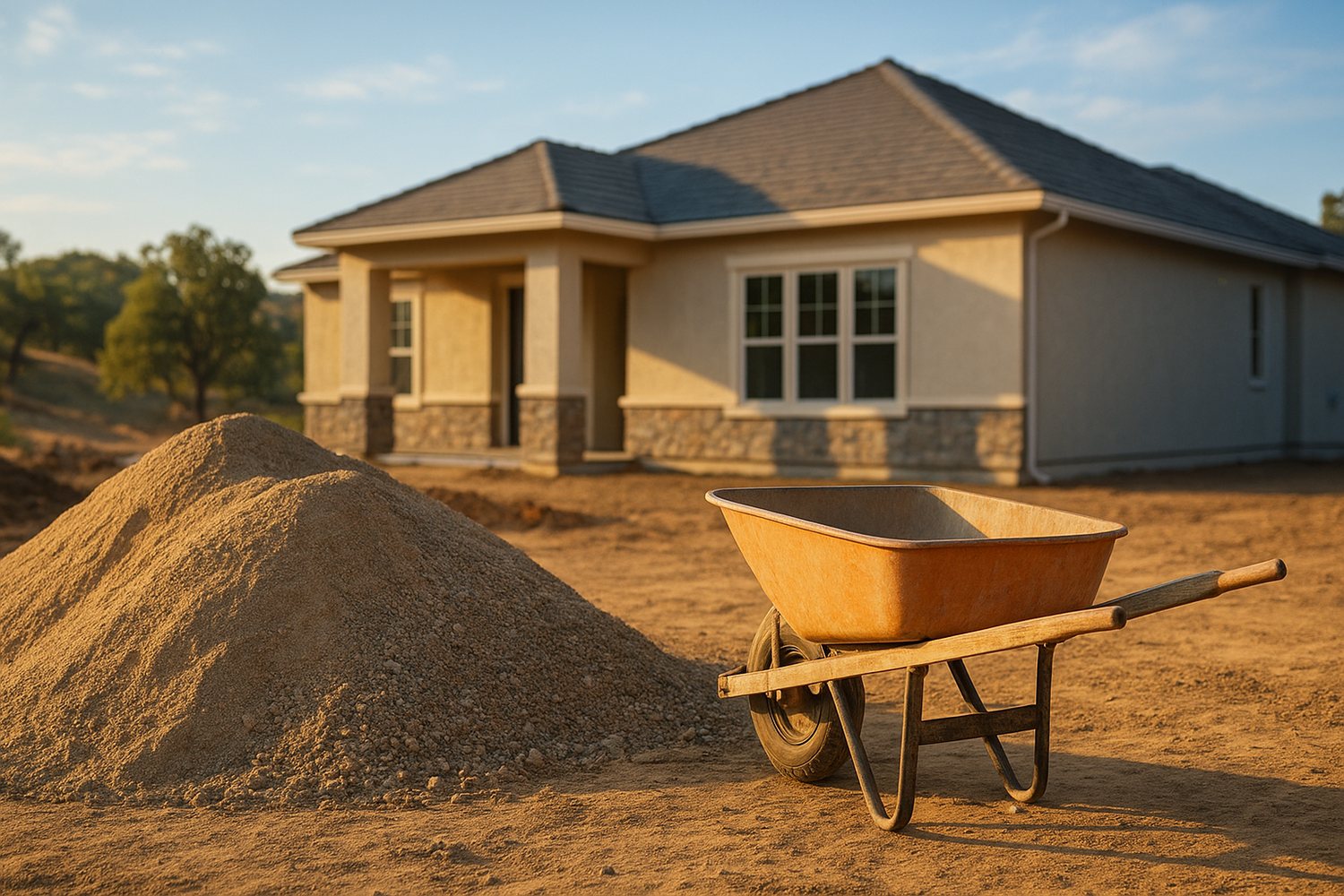
Planning Materials: How to Estimate, Order, and Stage Smartly
Explore practical tips for estimating and staging hardscape materials—so your project runs on time, with less waste and smoother installations.
Before a shovel hits the ground, knowing how much material to order — and when — is critical for any success-minded homeowner. Here’s how we help you set the stage for a smoother project.
The Importance of Material Planning in Hardscape Projects
A successful patio, walkway, or retaining wall project in California starts with precision in planning. Misjudging material quantities can lead to costly delays, excess waste, or running short when you least expect it. Homeowners in Rocklin, Roseville, Granite Bay, Folsom, Auburn, and nearby communities benefit greatly from understanding how those numbers are calculated.
Choosing the right materials is more than picking an attractive paver or stone—it’s about durability in this region’s climate, and the space you’re creating. Whether you’re installing pavers on expansive patios or stacking block for retaining walls, you’ll need different measurement strategies to get it right.
Marty at California Hardscapes draws on decades of concrete and landscape experience to help homeowners order with confidence. Knowing the local ground conditions and microclimates is key in selecting and staging materials that not only look great, but also hold up over time.
For more techniques and local advice, check out ourEstimating material quantitiespage.
Measuring Your Area: Square Feet and Cubic Yards
To begin any hardscape estimate, you’ll need to accurately measure your space. For flatwork like patios, walkways, or concrete pads, calculations should focus on square footage and, if necessary, project thickness. This gives you the precise area for coverage and volume for concrete or base materials.
Retaining walls and raised planters require cubic yard or linear foot calculations, often with added height or depth. It’s common for sites in this region to have slopes, so be sure to account for changes along the length of a wall or terrace.
Careful measurements ensure fewer surprises. Mark out your project with stakes and string, and record each length, width, and height. Taking time up front translates to easier deliveries and reduced product overages or shortages.
- Mark project boundaries clearly before measuring
- Measure slopes and elevation changes for accurate volume
- Double-check dimensions—measure twice, order once
Choosing Materials Suited to Our Local Needs
Rocklin, Roseville, Folsom, Auburn, and surrounding areas see distinct temperature swings, which means not every hardscape material responds the same way. Concrete blends, natural stone, and manufactured pavers all have specific benefits, especially when paired with the right base materials.
Crushed stone, decomposed granite, and concrete base mixes keep patios stable in our expansive soils. Choosing a base that allows for proper drainage is essential, reducing seasonal movement and keeping your outdoor investment looking its best.
If you’re shopping for retaining wall blocks or decorative gravel, consider regional availability—local sources often mean shorter lead times and better pricing. Marty’s background in concrete sales and landscape materials can provide practical input when selecting products best suited to our local environment.
- Ask about moisture and frost tolerance for local materials
- Verify color and texture options in person if possible
- Find out lead times for specialty orders
| Material Type | Measurement Unit | Typical Overage | Best Use | Local Note |
|---|---|---|---|---|
| Concrete | Cubic Yards | 5–10% | Patios, pads, footings | Use regional mixes for climate |
| Pavers | Square Feet | 5–10% | Walkways, patios | Check for regional styles and colors |
| Wall Blocks | Linear Feet | 10–15% | Retaining walls, planters | Order extra for corners/curves |
| Gravel/Base | Cubic Yards | 5–10% | Base/underlayment | Select for drainage and stability |
Accounting for Waste and Overages
Even with precise measurements, you’ll want to order a little extra. Cuts, breakage, and minor grade changes happen on every job. Standard practice is to add 5–10% to your estimate for patios and walkways, and up to 15% for walls with complex cuts or curves.
It’s important to discuss waste percentages with your contractor. Material type and site complexity factor heavily here, especially with custom shapes or intricate border designs. For multi-phase projects, ordering in batches can also reduce risk of color mismatch or excessive leftover stock.
In this region, homeowners often ask if over-ordering is wasteful. Truth is, having a few extra pavers or a bit of surplus gravel is a smart insurance policy—and saves headaches if you need to patch or expand later.
- 5–10% extra for flatwork and patios
- Up to 15% for intricate walls and curves
- Consult your contractor for case-specific advice
Efficient Ordering: Timing and Delivery
Once you’ve nailed down quantities, timing material delivery is the next challenge. California’s weather allows for year-round projects, but peak construction periods and supply chain slowdowns can affect product availability, especially in busy seasons.
Coordinate with your contractor to schedule deliveries a day or two ahead of work. Early delivery can allow materials to acclimate to site conditions, but too early and you risk weather exposure or blocking site access. Make sure the site is prepared to receive and store materials without impeding progress.
Working with a supplier or contractor who understands the local schedule means your order arrives on time, is staged safely, and doesn’t sit exposed before installation. Marty’s deep roots in the local concrete and materials market ensure practical guidance on when and how to bring your materials to the site.
- Ask about lead times during spring and fall rushes
- Confirm equipment access for deliveries
- Plan for covered storage if rain or heat is forecasted
Explore all your options with our comprehensiveMaterials overviewhub.
Staging Materials On-Site: Protecting Your Investment
Once your materials arrive, staging them properly not only speeds up installation—it prevents damage and material loss. For hardscapes in Placer, Sacramento, and El Dorado County, exposure to sun, wind or rain is a real concern, especially over several days.
Place pallets of pavers or wall block on stable, level ground. Covering with breathable tarps can keep concrete, sand, and gravel dry and workable. Avoid blocking driveways and walkways, both for safety and ongoing access to your home.
It can be tempting to move materials as work progresses, but this increases the risk of breakage and inefficiency. Plan clear, convenient staging areas in advance—preferably close to the work zone but not in the way of equipment or foot traffic.
- Store materials on stable, level ground
- Cover to protect from the elements
- Leave space for workers and equipment access
Working with Your Contractor for Smoother Results
A premium outdoor result comes from clear, frequent communication between homeowner and contractor. Share your estimates and listen to professional feedback—great partners help fine-tune your plans and reduce surprises as work progresses.
At California Hardscapes, Marty and his licensed, bonded contractors review every estimate. That hands-on approach ensures ordering and staging dovetails with the build plan, so you get the best use of your investment.
Trust your contractor’s experience, especially when it comes to ordering specialty products, managing complex sites, or accommodating split deliveries. The right advice helps you avoid costly change orders and keeps the project on track from start to finish.
- Confirm final quantities together before ordering
- Ask about storage recommendations for your materials
- Discuss contingency plans for unforeseen changes
Next Steps: Taking the Guesswork Out of Material Planning
Estimating, ordering, and staging hardscape materials might feel daunting, but with the right partner and process, you can build with confidence. Start by measuring and sketching your space, then review material options that match regional needs and preferences.
Connect with a contractor who treats your site as unique—someone willing to walk through layouts, double-check order quantities, and advise on optimal scheduling. In Rocklin and beyond, it pays to work with those who know the region and its suppliers.
A bit of planning at the outset keeps the project moving, reduces unplanned expenses, and brings you peace of mind. Ready to step forward? Get in touch for tailored insight and support from a local expert.
Ready to discuss your project?Request a consultationwith our team today.
Planning a materials project?
Call or text 916-741-0633, or email sales@californiahardscapes.com with your address, a short description and a few photos, and we will arrange a consultation.