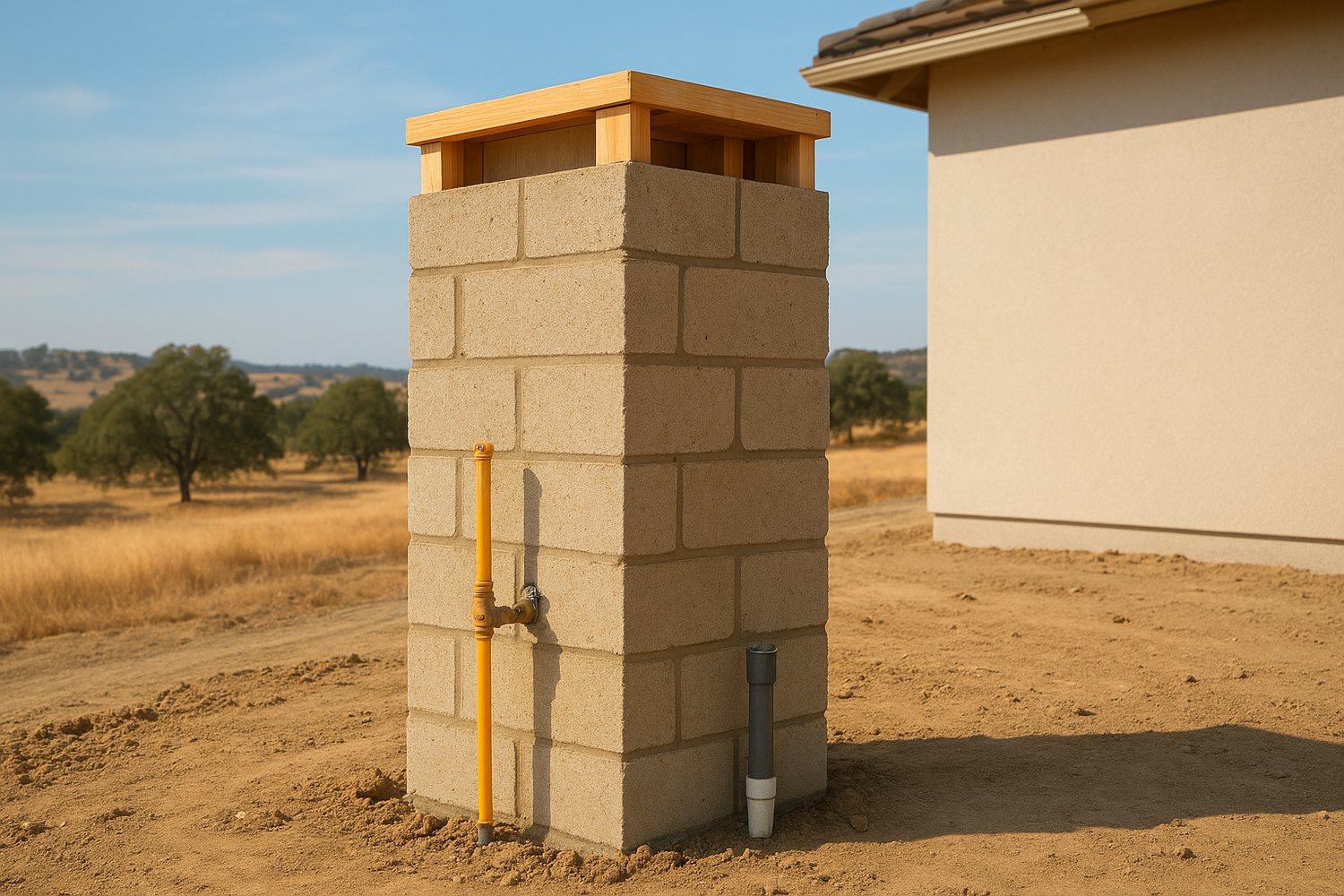
Fire Feature Gas Burners: What Local Homeowners Need to Know
Learn what matters most when planning fire features: gas types, burner choices, and regional safety guidelines for your backyard, from local experts.
Considering a fire feature in your backyard? Understanding how gas, burners, and safety play together is critical—especially in our corner of California.
Types of Gas for Fire Features
When it comes to backyard fire features in Placer, Sacramento, and El Dorado counties, natural gas and propane are the two main fuel sources. Each has pros and cons tailored to your property and lifestyle, making an informed choice the best start to your project. Homes in newer neighborhoods may have easy access to natural gas, while propane is common in areas where gas lines stop short.
Natural gas offers a clean, consistent flow and is permanently piped, meaning no tanks to refill—ideal for many newer homes in Rocklin and Roseville. Propane, on the other hand, uses refillable tanks and is a prime pick for rural settings or where extending a service line isn’t practical. Both deliver reliable performance but require safe setup and regular checks.
Consider space for propane tanks, distance to the nearest gas meter, and any local fire codes. Before committing, ask about utility access, approvals, and ongoing fuel costs. Each option needs proper installation to ensure safety and efficient operation.
Gas source recap: Natural gas — Piped from main utility; Propane — Refillable tanks; Both require professional installation for safety.
To explore more about fire and water features for your backyard, visit ourmain Fire and water features page.
Burner Choices: What Affects Flame and Feel
Burners are the heart of a fire feature, setting the size, intensity, and pattern of your flame. Choices range from standard rings for classic fire pits to custom pans for linear fireplaces or fire bowls. The ideal setup balances beauty and safe function, especially with kids and pets around.
Materials matter: Stainless steel is king for outdoor burners in the Sacramento-area climate, resisting rust and corrosion. For decorative fire features, consider the shape and porting of the burner—it impacts not just the look but fuel efficiency and heat output. A larger burner might need a bigger gas supply and more robust safety systems.
Don’t forget wind: Crosswinds in open yards may push flames off-center or reduce heat, affecting both enjoyment and safety. Talk over burner placement and shield options to fit your outdoor living goals.
- Stainless steel resists weather best
- Choose burner diameter for desired flame size
- Match burner to fuel source and supply
Installing for Safety: Codes and Peace of Mind
Safety is non-negotiable with outdoor fire features. Local building codes in Placer and Sacramento counties dictate setbacks from structures, clearance from combustibles, and specific methods for gas line installations. Familiarity with these rules prevents hazards and headaches later on.
Licensed contractors should always handle gas line trenching, connections, and valve installation. Shut-off valves, key controls, or electronic ignition systems—each has requirements for placement and accessibility depending on the build. This is doubly important with pools or water features nearby, as gas and water should be safely separated.
Always check for permit needs even on upgrades or replacements. Inspections catch problems before you do. At California Hardscapes, every project means compliant installation and site safety from start to finish.
- Maintain clearances from overhangs and decks
- Use dedicated gas lines; avoid quick connects outdoors
- Install easily accessible shut-off valves
| Ignition Type | How It Works | Safety | Convenience | Ideal For |
|---|---|---|---|---|
| Match-Lit | Manual flame with lighter or match | Basic | Requires close contact | Budget builds, DIY convenience |
| Push-Button | Piezo or battery ignition, push to light | Improved (no open flame at start) | Easier to use | Families, frequent use |
| Electronic | Electric start, sensors, remote possible | Automatic flame sensing, shut-off | Remote, wind-resistant | Premium setups, automation |
| Key Valve | Manual valve with removable key | Secure (remove key for safety) | Manual | Homes with kids or guests |
| Auto Safety | Integrated auto shut-offs | Highest | Set and forget | High-traffic or sensitive areas |
Comparing Ignition Systems
Ignition systems control how you light your fire feature—a detail that affects both daily use and long-term safety. Basic match-lit systems are budget-friendly but require you to get close to the flame, while more advanced systems offer convenience, wind resistance, and remote operation.
Electronic ignition systems are increasingly popular in Folsom and Granite Bay homes, where minimizing manual flame exposure is a priority. These systems often have automatic flame sensors, which shut gas off if the flame is blown out. Push-button or remote start systems add another layer of convenience and protection.
Before you choose, think about how often you’ll use the feature, whether you have kids or guests who might interact with it, and if you’d benefit from automation. Discuss these options early with your builder to get the right fit for your lifestyle.
- Match-lit: Manual, least expensive
- Push-button: Safer, simple operation
- Electronic: Remote start, auto shut-off
Ventilation and Location Considerations
Good airflow is essential. Placing a fire feature under patio covers or near fences can trap heat and gas, increasing fire risk. Local guidelines usually specify open-air installation, but even then, factor shifting winds and ventilation into both safety and comfort.
Certain fire bowls and tables are designed with built-in ventilation grates. These help disperse heat safely, but should never substitute for smart site selection. When in doubt, keep a radius free of overhanging branches and finished wood surfaces.
In properties with pools or water features, strategic separation keeps chemicals and condensation from affecting gas components. It also gives each element the room it needs to shine visually. Ask about wind screens or shields if your site is prone to breezes.
- Never install inside closed patio rooms
- Maintain clearance above and around the flame
- Check HOA or local setback rules
See all your options for backyard fountains, pools, and more in ouroverview of Water Features.
Fire Media: Glass, Lava Rock, and More
The look of your fire’s surface—glass gems, lava rocks, or ceramic logs—does more than set the mood. It also affects how heat and gas move through the system. Use only fire-rated media made for gas burners, as ordinary rocks or glass can crack or explode with heat.
Lava rock is rugged and affordable, fitting the rustic-chic landscapes common around Auburn and Folsom. Fire glass, available in many colors, gives a modern flair and reflects more light, increasing the dramatic effect at night. Layering media is possible, but the manufacturer’s guidelines and local codes are the deciding factors.
Always start with a single, even layer—not piled high—which keeps burners operating properly and avoids blocking gas flow. Replace media that’s weathered, cracked, or dirty to maintain efficiency and appearance.
- Use only fire-rated glass or rock
- Follow media depth rules for your burner
- Clean debris regularly for best performance
Regular Maintenance and Safety Checks
An outdoor fire feature isn’t set-and-forget. Placer and El Dorado County weather can clog burner ports, rust fittings, or cause gas lines to shift over time. Develop a checklist for periodic inspection, or schedule a professional check at the start of each season.
Inspect all connections and shut-off valves for leaks or signs of wear. Soap solution can help you spot leaks—bubbles mean it’s time for a fix. Replace or repair anything that shows corrosion or damage from sun, water, or animals.
Cut back nearby plants that grow into the clearance zone. After storms or major winds, briefly test your system before regular use to ensure safe and steady operation. Document your maintenance dates for easy troubleshooting.
- Check burners for soot or blockages
- Test gas lines for leaks seasonally
- Clear debris after storms or yard work
Bringing It All Together for a Safer, Smarter Fire Feature
Gas fire features add warmth and character to any backyard, but the right choices—and the right partner—are everything. Think about your fuel source, ignition, safety systems, and how these align with your property’s layout and your family’s lifestyle.
Staying compliant with regional codes, using rated materials, and relying on licensed professionals are the bedrock for both safety and peace of mind. In the Sacramento foothills, the dry climate and strict fire codes mean every detail matters a little more.
A well-designed fire feature is meant for years of easy enjoyment—not surprises. Ask questions, review your options, and always make safety the non-negotiable starting point.
Ready for expert advice?Request a consultationwith the team at California Hardscapes.
Planning a water features project?
Call or text 916-741-0633, or email sales@californiahardscapes.com with your address, a short description and a few photos, and we will arrange a consultation.