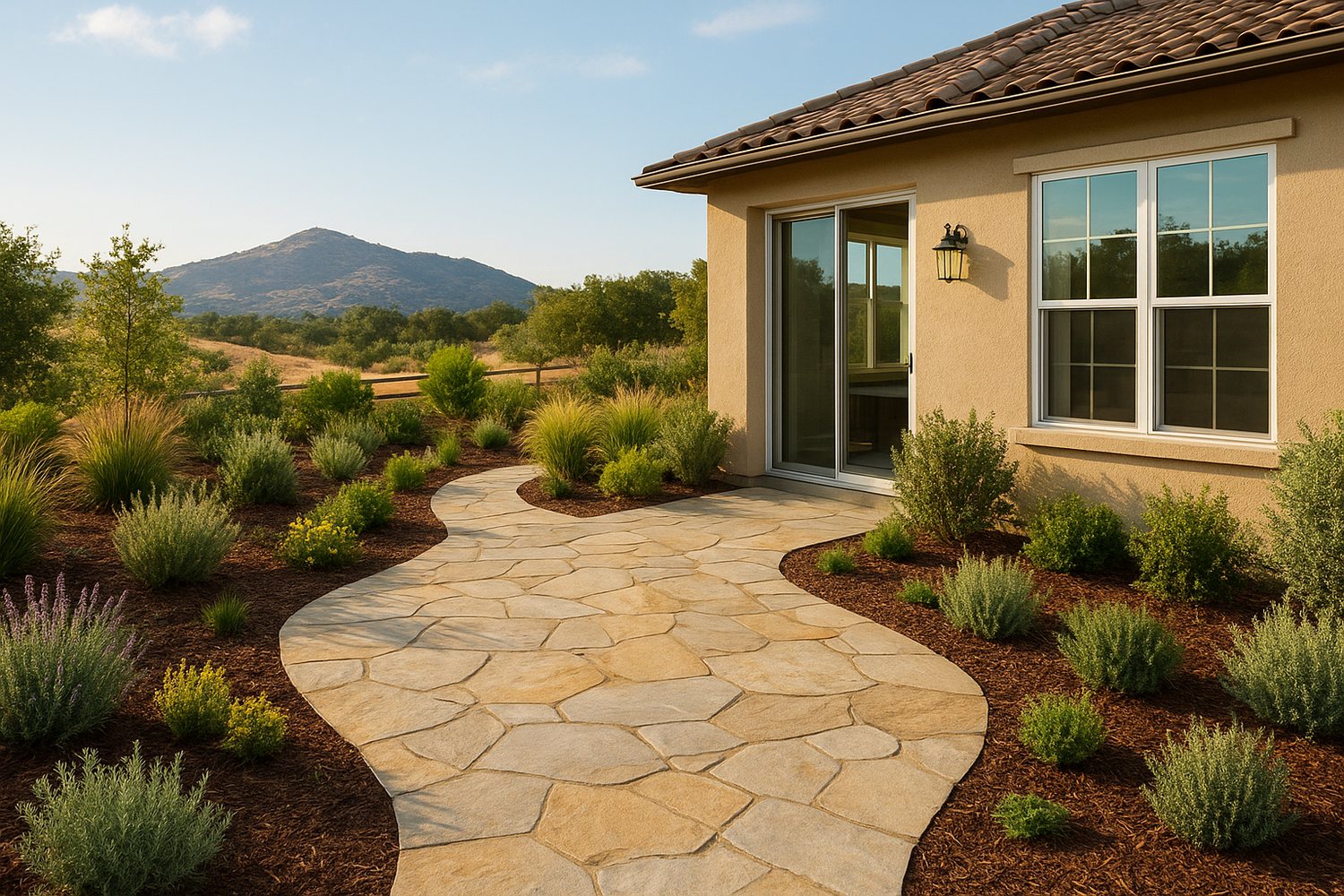
Designing Fire-Wise Yards That Look Beautiful
Smart fire-wise landscape design can look beautiful and help protect your home. Here’s what to know for our Northern California foothill and valley communities.
A fire-wise yard isn’t just safer—done right, it’s also more attractive. Here’s how to achieve fire-resistant landscaping that fits your home and region.
Understanding Fire-Wise Landscaping
Fire-wise landscaping is about creating defensible space and lowering fire risk around your home while maintaining curb appeal. In Northern California communities like Rocklin, Roseville, Granite Bay, Folsom, and Auburn, the right approach can help protect your property from wildfire threats. Local guidelines recommend intentional plant choices, sensible spacing, and using noncombustible materials.
This doesn’t mean sacrificing beauty for safety. You can design an outdoor space that both looks welcoming and provides a buffer against fire. Selecting the right plants, keeping lawns healthy, and integrating hardscapes all play a role. The goal is a landscape that slows down fire, minimizes fuel, and offers visual interest.
A fire-wise yard is a long-term investment—both for your home’s safety and its visual impact. Knowing where to use each technique is key. In this guide, we’ll break down real, practical ideas specific to our unique climate and terrain.
- Reduce flammable plants near structures
- Use gravel, concrete or stone for pathways
- Maintain healthy, hydrated landscaping
See even more fire-safe tips on ourFire-wise landscapingresource page.
Choosing Hardscape Elements for Safety and Style
Hardscape features—like concrete patios, retaining walls, or rock borders—serve a dual purpose in fire-wise landscaping. They act as durable, fire-resistant barriers while giving your yard clean structure. For homeowners in Placer and adjacent counties, these materials are both practical and distinctly attractive.
Elements such as paved walkways, stone seating areas, and decorative gravel do more than look good. They create firebreaks—interrupting the path of potential flames and embers. Consider using hardscapes to frame plant beds, outline outdoor rooms, or lead the eye to focal points in your design.
You don’t have to go all-in on concrete. Mix and match surfaces: combine noncombustible patios with crushed rock, or add low walls to divide zones. Each hardscape feature integrates beauty and fire defense subtly into the overall landscape.
- Concrete paths double as firebreaks
- Gravel areas offer texture and safety
- Retaining walls slow fire spread
How to Select Fire-Resistant Plants
Plant choices are critical. Fire-resistant doesn’t mean boring—many native and climate-adapted species thrive in our region and look fantastic year-round. Think leafy succulents, sturdy groundcovers, colorful perennials, and hardwood shrubs. They add color, texture, and resilience to your landscape plan.
Seek out low-resin, high-moisture plants, which are less likely to ignite in a wildfire. Some top picks for local yards are toyon, manzanita (in moderation), lavender, yarrow, salvia, and California fuchsia. Positioning these as part of layered plant beds or borders helps create lush, inviting gardens that minimize fire risk.
Spacing plants intentionally is just as important as your plant list. Grouping by water needs and separating with hardscape breaks or gravel zones keeps fuels discontinuous. Maintenance—regular trimming and removal of dried leaves—is the finishing touch for safety and appearance alike.
- Prioritize local natives with lower resin
- Use succulents for structure and moisture
- Pair flowers and shrubs for year-round appeal
| Zone | Distance from Home | Best Features | Common Mistakes | Fire-safe Materials |
|---|---|---|---|---|
| Zone 0 | 0–5 ft | Hardscape, gravel, pavers | Mulch, shrubs, wood decor | Concrete, rock, stone |
| Zone 1 | 5–30 ft | Low-spread plants, grass, stone paths | Dense plantings, flammable mulch | Lawn, succulents, flagstone |
| Zone 2 | 30+ ft | Larger plants, decorative trees | Unpruned branches, overgrown weeds | Native hardwoods, irrigated shrubs |
Creating Zones: Where Safety Meets Design
Fire-wise landscapes rely on creating distinct zones around your home, each requiring different materials and plant choices. The closest 5 feet—known as Zone 0—should be clear of flammable vegetation, favoring hardscapes, gravel, or well-irrigated lawns for maximum protection.
From 5 to 30 feet out, Zone 1 should maintain low, well-spaced plants with hardscape accents and noncombustible mulches. Outermost Zone 2, stretching beyond 30 feet, can handle more varied plantings (still properly spaced and maintained) plus larger trees situated strategically.
Designing with these zones doesn’t just improve safety. It creates logical flows, showcases landscape features, and simplifies maintenance. Each area has its own look but still works seamlessly as part of the whole property.
- Zone 0: Hardscape-influenced, no flammable plants
- Zone 1: Low, well-irrigated, spaced plantings
- Zone 2: Trees and shrubs, fuel breaks with paths
Balancing Beauty with Practical Maintenance
A yard that looks fantastic now won’t stay that way without manageable maintenance. For fire-wise designs, this is doubly important—overgrown or neglected areas become fire hazards. Pick turfgrass or groundcovers that fit your commitment to watering and mowing, or opt for low-care gravel and pavers.
Regular pruning, leaf removal, and irrigation system checks are part of the routine. Setting a monthly reminder helps keep things tidy and safe. Choose mulches wisely: gravel or cobble are safe; avoid wood chips close to the home.
Well-maintained landscapes tend to be more inviting, boost property value, and hold up under weather extremes. Investing a little time prevents bigger problems down the road, both for safety and appearance.
- Prune trees and shrubs regularly
- Keep gutters and roofs clear
- Use only fire-safe mulches near structures
Explore all your landscaping possibilities with our completeLandscaping optionsoverview.
Combining Outdoor Living Features with Fire Protection
Outdoor living spaces—like pergolas, kitchens, and seating areas—are investments you want to protect. Integrate hardscape and low-flammability design: choose metal, stone, or concrete for structures and incorporate buffer zones where needed.
Design fire pits with built-in concrete or stone surrounds instead of wood borders. Use noncombustible plant containers on patios or decks for a splash of greenery that won’t contribute fuel in dry weather. Thoughtful lighting, such as integrated LED fixtures, keeps your property both safe and inviting after dark.
Smart layout means positioning new outdoor features with both enjoyment and fire prevention in mind. Working with an expert helps blend safety and style for your custom outdoor living environment.
- Stick to metal, stone, or concrete for major features
- Fire pits: Concrete or stone surrounds
- Use potted succulents for greenery
Common Mistakes and How to Avoid Them
It’s easy to overlook small details that make a big difference. Common pitfalls include crowding plants near structures, using wood mulch up close, letting debris build up, or picking ornamental grasses that burn quickly. Many attractive plants are, unfortunately, highly flammable in our local conditions.
Prevent mistakes by reviewing plant guides specific to our region, and always space out plant groupings. Never plant shrubs directly against siding or fencing, and don’t use wood piles or yard décor as screening right next to your house. Keep ignition zones clear, simple and practical.
When in doubt, stick to official defensible space recommendations and seek local advice. An extra planning step now keeps your yard safer in the long run—without giving up the visual charm.
- Don’t crowd plants: space is key
- No wood mulch or chips near structures
- Remove ladder fuels (low branches, tall grass)
Getting Expert Help for Your Fire-Wise Landscape
Designing a fire-wise yard that matches your home’s style takes know-how—especially in Northern California foothills and valleys. Working with experienced professionals ensures all the right steps are kept in mind, from plant selection through material choice to final layout.
At California Hardscapes, projects are managed by pros with decades of construction and concrete experience—so your outdoor environment is both beautiful and built for safety. Every aspect, from site prep to planting to outdoor lighting, is handled by licensed, bonded, and insured contractors.
If you’re considering a large or small upgrade, expert landscape help brings together long-term fire safety and design appeal. Based in Rocklin, Marty and team understand what works best for Northern California yards.
- Experts know local plants and rules
- Integrated hardscape + landscaping
- Safety without sacrificing style
Ready for a consultation? Start your fire-wise landscape design byrequesting a consultation.
Planning a landscaping project?
Call or text 916-741-0633, or email sales@californiahardscapes.com with your address, a short description and a few photos, and we will arrange a consultation.