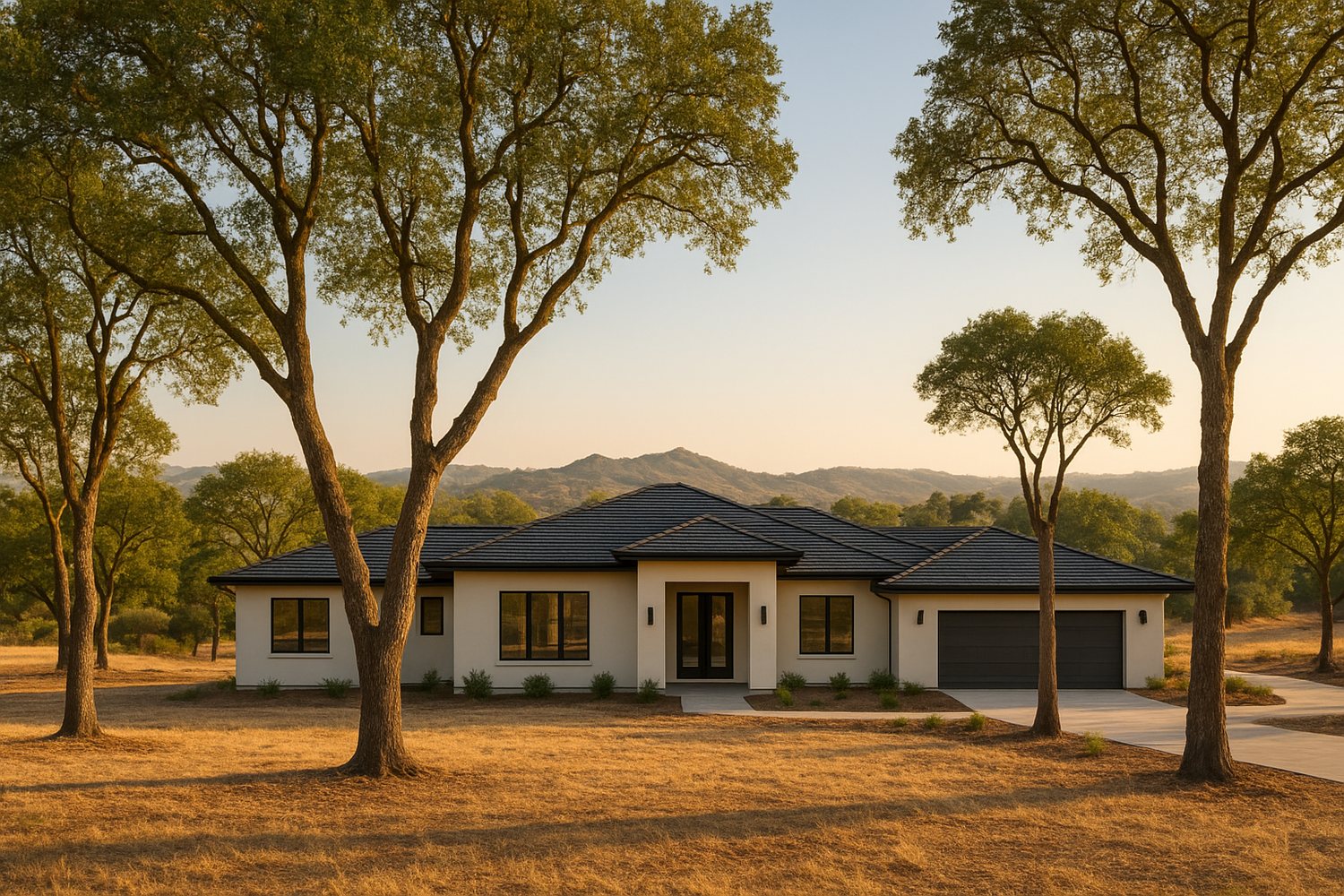
Fire-Wise Landscaping Upkeep: A Practical Seasonal Guide
Homeowners in fire-prone foothill communities can protect their outdoor spaces with fire-wise landscaping routines. Learn regional upkeep strategies for every season.
Local wildfires can turn a quiet summer evening into a nightmare. Smart, regular fire-wise landscaping isn’t just about code compliance—it’s about protecting your home, your investment, and your peace of mind.
Understanding Fire-Wise Landscaping in Northern California
Fire-wise landscaping is a set of practices designed to help your yard resist ignition and reduce wildfire risk. For homeowners in Rocklin, Roseville, Granite Bay, Folsom, Auburn, and the Sierra Foothills, it’s about making smart choices that reflect this region’s hot, dry summers and variable wind. It all starts with planning and materials that discourage blaze spread and enable safe evacuation if needed.
The basics focus on defensible space: creating buffer zones, spacing plants properly, and keeping combustibles away from structures. Materials selection matters, as does routine care. Whether you have lush garden beds, hardscape patios, or a mix, implementing fire-wise principles is about balancing aesthetics with practical safety.
Remember, following local recommendations helps protect your property and may even impact your home insurance. Paying attention to California’s guidelines gives you a systematic approach—break the work into manageable tasks throughout the year to stay ahead of risk.
Key concepts:
For a comprehensive list of region-specific strategies, explore ourFire-wise landscapingresource.
Spring: Clearing Out and Prepping Your Landscape
Spring in the Sacramento and Placer foothills offers a window to tidy up before heat intensifies. Begin by raking up leaves, twigs, and dead grass—especially within 30 feet of any structure. Overgrown or stressed plants should be removed and replaced with fire-resistant choices. Refresh gravel, decomposed granite, or concrete mulches to replace faded bark or wood chips.
Examine tree canopies, removing branches within ten feet of roofs or chimneys, and prune any limbs hanging close to power lines. Wild grasses start drying out in spring—mow them low before fire season. Any remaining piles of pruned material should be disposed of immediately, never left to cure on-site.
Check your irrigation system for leaks, clogs, or misaligned heads. Proper watering is as much about health as appearance: hydrated plants withstand heat longer and burn less readily. Early upgrades pay off all summer.
Spring tasks:
Summer: Defensible Space and Vigilance
By early summer, the focus shifts from heavy cleanup to vigilant monitoring and fine-tuning your defensible space. Keep grass trimmed short (less than four inches high), especially around patios and structures. Remove any dead stems or fallen branches immediately after wind events.
Inspect and reposition outdoor furniture, planters, and garden clutter. Combustible materials—including outdoor cushions, wood piles, and decorative bark—should stay away from the home’s first five feet. Consider nonflammable hardscape features like concrete patios for these high-risk zones.
Continually monitor local fire advisories. Plan for emergency access by clearing driveways and walkways. Quick-moving wildfires leave little time for last-minute prep—your routine becomes your best defense.
Summer priorities:
| Season | Key Task | Top Priority | Common Mistake |
|---|---|---|---|
| Spring | Remove dead growth | Leaf and limb cleanup | Leaving debris piles on site |
| Summer | Trim and monitor | Keep area closest to home clear | Neglecting post-storm checks |
| Fall | Thin and prepare for wind | Clear gutters and thin dense beds | Ignoring gutters and eaves |
| Winter | Assess and repair | Plan upgrades and fix irrigation | Not prepping for next season |
Fall: Managing Growth and Preparing for Wind Events
Autumn brings falling leaves and fresh weed growth—both can fuel fires if left unchecked. As heat wanes, use fall weather for larger landscape tasks, including thinning plant beds and reducing dense shrubs. Keep gutters, eaves, and ground surfaces clear from windblown debris.
Dry, gusty winds in Placer and El Dorado Counties are most common from September through November. Secure patio umbrellas, outdoor decorations, and check for branches or limbs poised to drop on hardscape or rooftops. A hardscape edge or concrete mow strip helps keep beds tidy and deters grass invasion.
Enjoy cooler evenings, but remember that fire risk doesn’t end with summer. Prepare winter plantings and mulch with inorganics like gravel or stone to limit fuel throughout the year.
Key fall actions:
Winter: Prep and Plan, Even in the Off-Season
Cool, wet months are prime time to plan ahead. Use winter for assessing what worked, what needs improvement, and which plants might be replaced with more fire-resistant varieties. Walk the landscape after storms to clear windfall and check drainage near pathways and structures.
Hardscape features—such as patios, walkways, or retaining walls—can be installed or upgraded now, while plant growth slows. Repairs to fences, gates, or irrigation can also be done in mild winter stretches.
Map out next year’s maintenance schedule now. Staggering projects and cleanups seasonally helps avoid overwhelming to-do lists—and ensures year-round readiness.
Winter projects:
To see how fire safety fits into broader design choices, view all ourLandscaping options.
Choosing the Right Hardscape and Plant Materials
The right materials can make your outdoor space safer and more resilient. In fire-prone regions, hardscape options like concrete, stone, or gravel act as effective barriers, breaking up potential fire paths between planting beds and your home.
When selecting plants, prioritize those with low sap and resin, high moisture content, and slow growth habits. Natives, succulents, and irrigated turf are generally preferable over dense or oily evergreens. Locally, choices like rockrose, manzanita (properly spaced), and ceanothus work well.
Avoid using bark, wood chips, or pine needles as mulch near the home. Opt for decomposed granite or pea gravel in these areas. Thoughtful placement and regular refreshment of materials ensure long-lasting safety.
Suggested materials:
Maintaining Retaining Walls and Outdoor Living Areas
Retaining walls, patios, and gathering areas play double duty in fire-wise landscaping. These features not only add beauty and function, but they also act as protective barriers, slowing fire advance toward your home.
Inspect walls regularly for cracks or debris buildup—both can create fuel pockets during dry seasons. Keep these zones swept and clear, especially in the most vulnerable months. Even decorative planters on patios should be checked for dried plant material and cleared when necessary.
Consider installing hardwired outdoor lighting for visibility and safer nighttime evacuation routes. Keeping these areas in top condition is a critical part of year-round fire defense.
Maintenance reminders:
Staying Ahead: Creating Your Own Fire-Wise Calendar
Consistency is key to successful fire-wise upkeep in our area. Jot down seasonal tasks in a printable or digital calendar—or use reminders on your phone. Each season has its own set of responsibilities, but proactive, small steps make the annual workload lighter.
If you’re unsure where to start, consult local fire authorities or landscape professionals about best practices for your property’s size and layout. Prioritizing work around structures and high-use areas maximizes impact and makes future maintenance easier.
Remember, fire prevention is a year-round commitment. Investing time seasonally protects your home, your landscape, and your neighborhood. Make it a routine, not a scramble during red flag warnings.
Fire-wise calendar tips:
Ready for expert advice?Request a consultationwith the California Hardscapes team today.
Planning a landscaping project?
Call or text 916-741-0633, or email sales@californiahardscapes.com with your address, a short description and a few photos, and we will arrange a consultation.