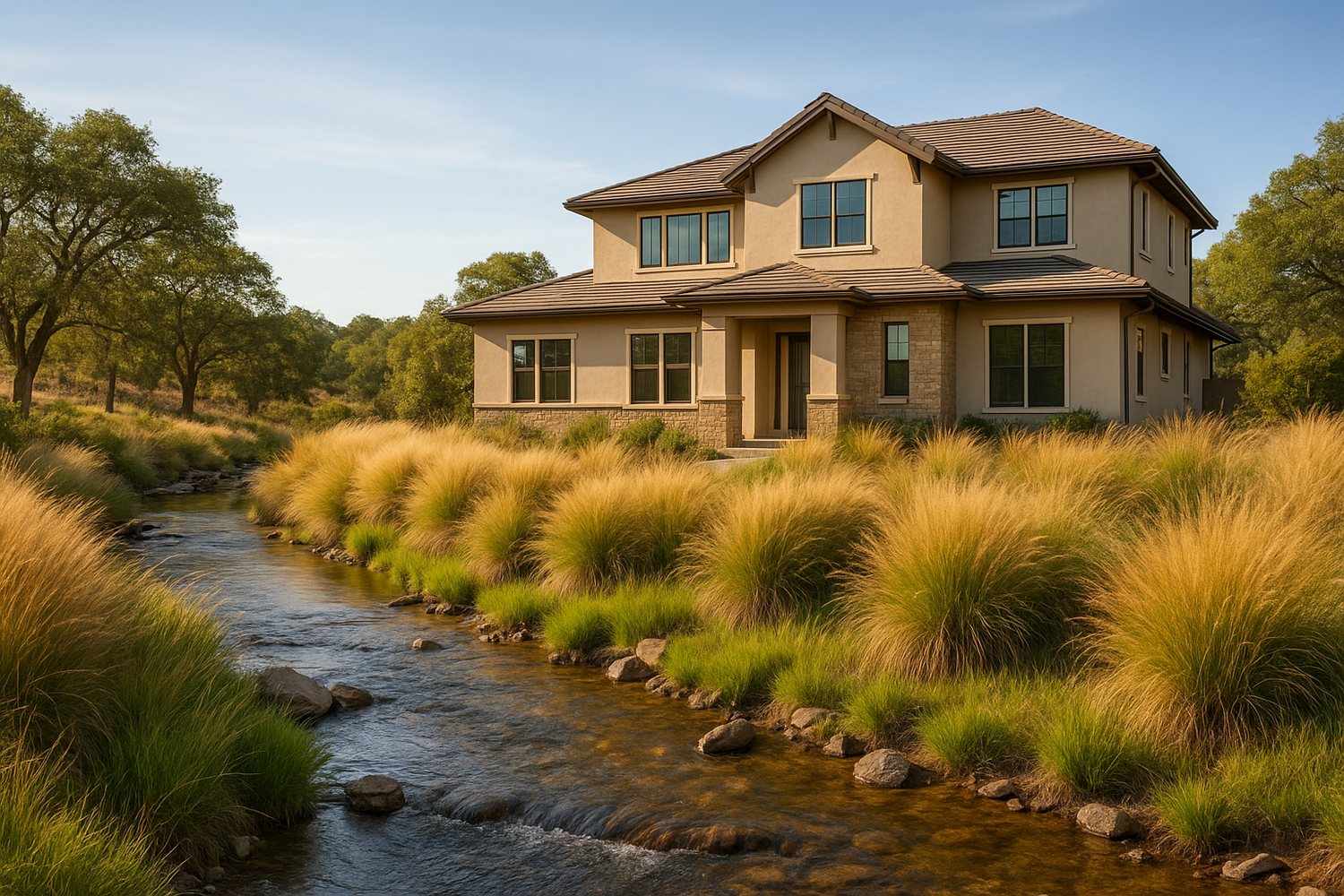
Planning Slope and Flow for Garden Streams and Creeks
Get practical advice for planning slope and water flow when designing a garden stream or creek. Ensure your water feature works beautifully in your outdoor space.
Thinking about adding a garden stream or creek? The right planning makes all the difference, especially for water flow and how your stream settles into your landscape.
Why Slope and Flow Matter for Garden Streams
The magic behind any successful garden stream is the natural way water trips and tumbles through your yard. The slope of the creek affects everything—from looks, to sound, to practical drainage. It’s not just about where the stream starts and ends; it’s about how the water moves, too.
Homeowners in Rocklin, Roseville, Granite Bay, and across the Foothills know: our region’s terrain and soil are unique. Too much slope, and your water rushes too quickly, filling with debris. Too little, and the stream can stagnate or overflow. Careful planning keeps water flowing at the ideal pace for both function and aesthetics.
A well-paced garden stream helps prevent erosion, discourages standing water, and enhances the beauty of your landscape. When the path of the water follows a gentle, consistent decline, it looks and sounds natural. That’s the difference between a relaxing backyard paradise and a project that needs constant attention.
Learn more about custom design options for streams and creeks on ourGarden streams and creekspage.
Measuring the Right Drop—How Much Slope Is Enough?
Start by measuring the total change in elevation from the top to the bottom of your planned stream bed. For a calm, meandering flow, aim for a drop of 1–2 inches for every 10 feet of run. More slope can create a lively, rushing effect that fits certain spaces—but sometimes less is more.
In the foothill areas around Folsom and Auburn, natural grade changes can be dramatic. If your yard has steeper slopes, you don’t need to fight them. Work with the natural landscape, but plan placement of weirs or small waterfalls to break up the flow if you have fast drops.
It’s about matching the water feature to your style and the lay of your property. A gentle stream is less prone to erosion and needs less upkeep. Steeper slopes, though, can be tamed with rock placement and plantings to slow water and make everything look organic.
- 1–2 inch drop per 10 feet = calm flow
- 3+ inch drop per 10 feet = faster water, more sound
- Break up steep slopes with rocks or short falls
Understanding Flow Rate—Keeping Water Moving
The speed and amount of water moving through your stream—your flow rate—depends on both slope and the pump size, especially for recirculating features. Even with the right grade, the pump should match the stream’s length, width, and desired sound level.
Too slow, and debris and algae can build up. Too fast, and water may splash out, eroding stream banks or lowering your pond level too quickly. Consistency is key. You want water gentle enough for a pleasant trickle and strong enough to prevent stagnation.
Count on a flow rate of roughly 100 gallons per hour per inch of stream width as a good starting rule. Every garden and climate is different, so expect a little trial and adjustment during installation and fine-tuning.
- Match pump strength to width and length
- Prevent standing water (and mosquito risk)
- Adjust flow for sound: more water = louder stream
Soil, Underlayment, and Erosion Control—Foundations Matter
Our region’s mix of loam, clay, and decomposed granite affects stream construction. Without the right prep, water can leak, erode banks, or undercut your hardscape. Start with a stable base: remove loose fill, tamp soils, and use liners made for water features.
Professional-grade underlayments protect liners from rocks and roots. Edge your creek bed with larger, stable stones to anchor slopes and reduce erosion—especially important in the hilly areas of Auburn or near granite outcrops in Granite Bay.
Integrate native plantings along the banks. Deep-rooted grasses, sedges and riparian shrubs help hold soil in place and give your stream a finished, natural look. Erosion control is both practical and an aesthetic upgrade for your landscape.
- Test soil before digging
- Use professional liner & underlayment
- Edge with stable, heavy stones
Choosing Stream Paths: Curves vs. Straights
A natural-looking garden stream rarely runs in a straight line. Curves allow your creek to flow at a slower, controlled pace and create planting pockets for added beauty. Gentle bends are both visually pleasing and better at managing water.
If your yard’s terrain dictates some straight runs, soften them with stepping stones or clusters of rock to break up the line. Curved streams also offer more options for planting and can help create privacy or define outdoor spaces.
Ultimately, your stream’s path should feel intentional—never forced. Work with the existing landforms, and remember that gently meandering water looks (and performs) more like the beautiful creeks that run through our local foothills.
- Curves slow water for a natural look
- Plan curves around existing features
- Use rocks to soften straight sections
| Pumped Stream | Gravity-Fed Creek | Best For | Water Use |
|---|---|---|---|
| Recirculating pump, year-round flow | Seasonal or after rain | Most backyards, all seasons | Efficient, reuses water |
| Control over speed and sound | Natural, varies with weather | Large lots, sloped natural yards | May run dry, less control |
| Easier maintenance | More wild and rustic | Reliable stream look | Depends on rainfall |
Read about all the possibilities in our overview ofWater Featuresfor local landscapes.
Comparing Pumped Streams vs. Gravity-Fed Creeks
Most backyard streams in suburbia use a recirculating pump system. These give you complete control over water movement, regardless of rainfall. They work especially well in the dry summers we experience in areas like Placer and El Dorado Counties.
Gravity-fed or rain-dependent streams are more natural, but hard to control in a landscaped yard unless you have a dependable water source. They may only flow seasonally or after storms, limiting your enjoyment.
If reliability and year-round appeal matter, recirculating pumps are the practical favorite. For a wild, seasonal effect—or if you have a natural spring—gravity-fed options could fit a more rugged aesthetic, especially on large or sloped lots.
Local Conditions: Sun, Shade, and Water Conservation
Garden streams here face intense summer sun and clay-heavy soils. Consider how much sunlight your stream receives: too much can encourage algae, while shaded areas can stay cooler and fresher. Position your stream for a mix if possible.
Evaporation is a reality in the Sacramento Valley and foothills, especially in July and August. Reduce water loss with shaded planting, or by creating deeper pools along your stream for less surface exposure. Automatic top-offs can help keep things running smoothly.
Always think about sustainability. Recirculating systems use water efficiently and can be paired with native landscaping to reduce runoff. Smart planning at the start of your project saves on maintenance and conserves water for years to come.
- Plant shade trees near streams
- Limit surface area to slow evaporation
- Use native plants to reduce watering needs
Deciding Where to Begin—Next Steps for Your Stream Project
Every yard is unique. Start your planning with a careful assessment of your site’s grade, soil, sunlight, and intended water feature style. Sketch your ideas and walk the space to visualize how the stream will fit with patios, pool decks, or existing trees.
Enlist help from professionals who know the regional soils, weather, and construction requirements. With over 30 years in concrete and outdoor projects, Marty and the team at California Hardscapes offer practical, clear advice shaped by real experience in local yards.
A well-built garden stream or creek isn’t just an attractive feature—it’s an investment in comfort, tranquility, and low-maintenance enjoyment for years to come. Start with planning; the rest will flow naturally.
Want advice for your property?Request a consultationwith the California Hardscapes team.
Planning a water features project?
Call or text 916-741-0633, or email sales@californiahardscapes.com with your address, a short description and a few photos, and we will arrange a consultation.