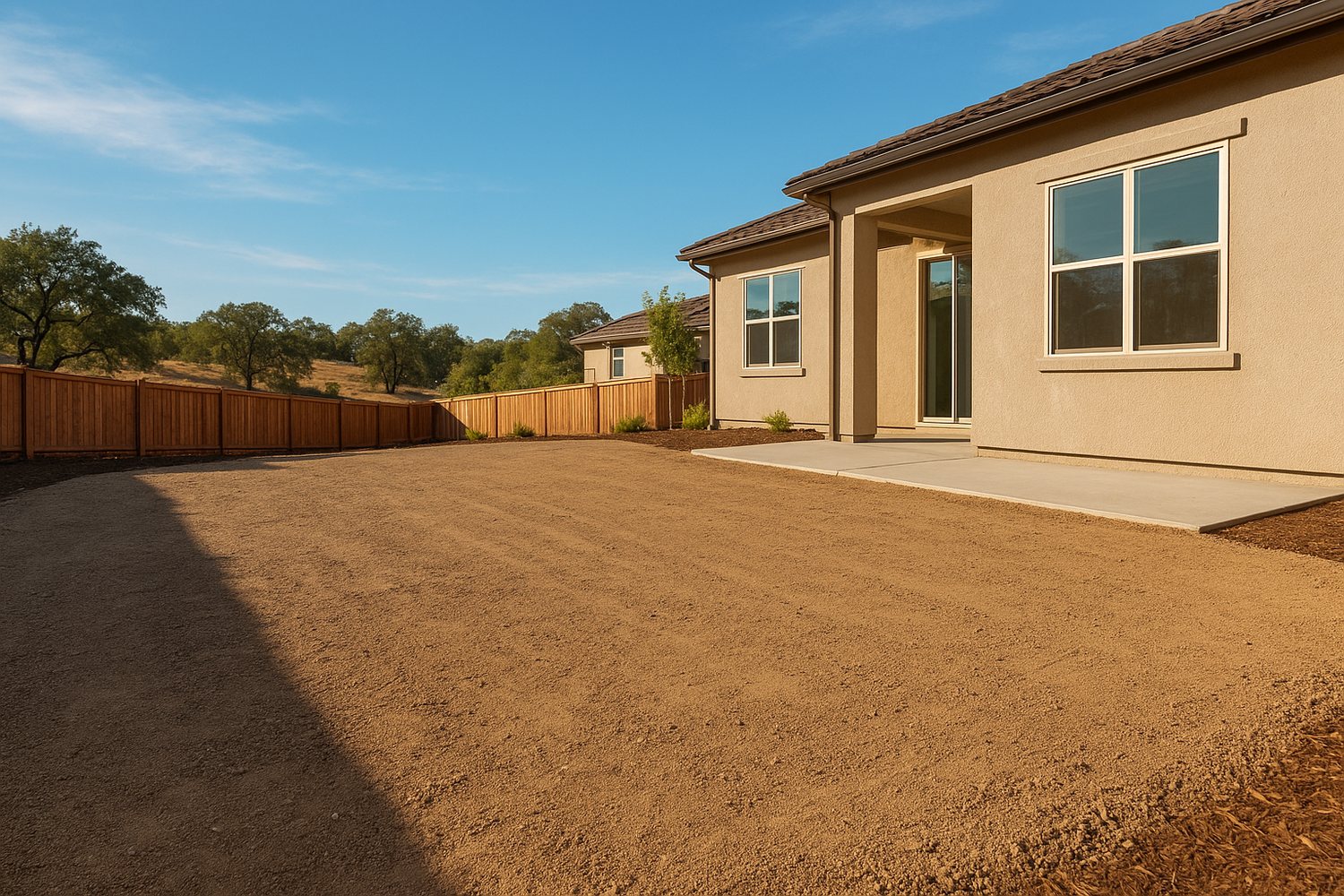
Choosing Gravel, Stone, or Mulch for Your Landscape
Not sure whether gravel, stone, or mulch is the best fit for your landscape? Here’s a practical comparison for homeowners in the Rocklin region.
Choosing between gravel, decorative stone, and mulch matters for curb appeal and maintenance. Here’s how to select what works best for our area.
Why Ground Cover Material Matters in This Region
In our foothill climate, picking the right landscape material is about much more than looks. Summer heat, periods of drought, brief frosts, and hilly sites play a big role in how gravel, stone, and mulch perform. The right choice can help control weeds, reduce runoff, or simply set the tone for your space.
Function and durability are top priorities for homeowners around Placer, Sacramento, and El Dorado Counties. The materials you choose for traction, walkways, planter beds or seating areas should work with both the soil and the seasons. Cheaper choices may mean faster breakdown—or more trips to the garden center.
California Hardscapes selects materials that handle local conditions without constant upkeep. Whether you want low-maintenance options or something to freshen up curb appeal, understanding the strengths of gravel, stone, and mulch helps you make an investment that lasts.
Explore our range of top-quality products on theMaterials pageto see what might fit your next project.
Where Gravel Excels – And Where It Doesn’t
Gravel is popular for pathways, driveways and as a base beneath patios—it compacts well and drains quickly. Angular gravel types lock together for stable surfaces, making them ideal for slopes or heavy foot traffic. Decomposed granite is a regional favorite for its natural look and versatility.
But gravel isn’t always the perfect solution. Small, round rock can scatter into lawns or garden beds. Gravel doesn’t lock out weeds on its own, so you’ll want landscape fabric underneath when used in planting areas. It also heats up fast in the sun, which isn’t ideal up against delicate plants or turf.
For local driveways or patio bases, river rock is too loose, while 3/8" crushed rock or decomposed granite hold their shape better. For paths, compacted fines offer smoothness with minimal dust—if you use the right grade for our climate.
- Best for driveways, walkways, base layers
- Choose angular for stability, rounded for accent
- Needs edging to prevent migration
When to Choose Decorative Stone
Decorative stone ranges from small accent pebbles to large cobbles and flagstones. It lasts for decades and won’t need replenishing like mulch. Stone is great for modern, Mediterranean, or drought-tolerant garden styles—especially so in hot, sunny Roseville and Granite Bay backyards.
Heavier decorative stone stays put on slopes where mulch would wash out. It creates strong borders and tackles erosion challenges along hillsides in Auburn and Folsom. The right blend of color and size can complement either classic or contemporary outdoor rooms.
Stone does have some drawbacks. It typically costs more up front and offers little help with soil moisture or plant nutrients. Under direct sun, warming can be a concern for delicate roots or cool-season lawns—think about distance from active garden beds.
- Excellent for permanent accents and borders
- Ideal on slopes and for erosion control
- Low upkeep but little benefit for soil quality
| Material | Best Use | Maintenance | Lifespan | Not Ideal For |
|---|---|---|---|---|
| Angular Gravel | Paths, base layers | Minimal | 5–10 years | Delicate gardens |
| Decorative Stone | Borders, accents | Very low | 20+ years | Plant-heavy beds |
| Mulch | Plant beds | Annual refresh | 1–3 years | High traffic areas |
Mulch: Softening and Feeding the Landscape
Organic mulch—like shredded bark, wood chips, or even forest fines—offers a softer, more natural finish for planting beds. In Placer and El Dorado County gardens, mulch cools soil, holds moisture, and breaks down over time to nourish plants. It’s also the top pick for freshening up curb appeal before summer’s heat kicks in.
The downside is that mulch breaks down and needs to be replaced every couple of years. Wind can blow lighter mulches off beds, especially on exposed sites. Still, nothing beats it for weed suppression and overall soil health—making it the material of choice for vegetable and perennial beds.
If you care about the long-term health of trees, shrubs, and perennials, use mulch in thicknesses of 2–4 inches. We recommend medium bark or walk-on bark for slopes—both stay put better than large nuggets or lightweight chips.
- Protects soil and improves plant growth
- Needs replenishing every 1–2 years
- Choose coarse or shredded bark for staying power
Cost, Maintenance, and Longevity: A Reality Check
Choosing between gravel, stone, and mulch is ultimately about balancing upfront costs with long-term needs. Decorative stone carries the highest initial price, but won’t need ongoing replenishing. Mulch is affordable, but requires new layers every year or two for ideal results.
Maintenance should be considered as well. Gravel paths require only occasional raking but can migrate into unwanted areas. Stone borders need very little care. Mulch, while low-maintenance when fresh, may need occasional top-offs more often in our region’s windier or sunnier corners.
Ask yourself: Are you after instant curb appeal, long-term durability, or optimal plant health? Matching your priorities to the real characteristics of each material is the simplest way to avoid regrets.
Compare all options at a glance in our completeMaterials overview.
Installation Tips from Local Pros
Proper installation makes all the difference in how your materials perform. For gravel, compact the base and use a solid landscape edging to keep things tidy. Consider weed barrier fabric beneath to cut down on maintenance.
Stone needs a level bed and, for larger flagstones, a layer of decomposed granite or sand for stability. In areas with water flow concerns, incorporate gravel behind stone borders for drainage. Different regions in our area have different soil types—be sure your base reflects what’s underfoot.
Mulch performs best when it’s two to four inches deep and kept clear of plant stems and tree trunks to avoid rot. Sloped beds may need jute netting or staked edging to keep mulch from sliding after heavy rainstorms.
- Compact gravel and use edging
- Level and bed stone for stability
- Refresh mulch annually for best results
How Our Team Helps You Choose
Experience matters when selecting outdoor materials. Marty and the California Hardscapes team have spent decades working with concrete, landscaping, and stone—right here in the local microclimates that make each yard unique.
We listen to your aesthetic goals and practical needs, then weigh in with regional know-how on soil, drainage, and slope. Our suppliers offer premium materials suited for our weather and terrain, always installed by licensed contractors.
Reach out for guidance on blends that fit your style and stand up to Rocklin, Roseville, Folsom, Auburn, and Granite Bay seasons. We’re always happy to walk through specific choices on site.
A Material for Every Area: Putting It All Together
Each outdoor space has specific needs. Gravel fits best in utility areas, driveways, and wherever drainage is a concern. Stone steps up for permanent pathways, accents, and slopes. Mulch should be your go-to in garden beds where plant health comes first.
Don’t settle for a one-size-fits-all approach—yards in our area often benefit from combining materials for function and style. With the right picks in the right places, you’ll gain both long-term value and a landscape that feels finished year-round.
Whatever ideas you have, our team can help you blend materials for a premium look that works. Thoughtful planning is the key to a space you’ll enjoy summer after summer.
Ready to talk materials for your outdoor project? Request a personal consult on ourcontact page.
Planning a materials project?
Call or text 916-741-0633, or email sales@californiahardscapes.com with your address, a short description and a few photos, and we will arrange a consultation.