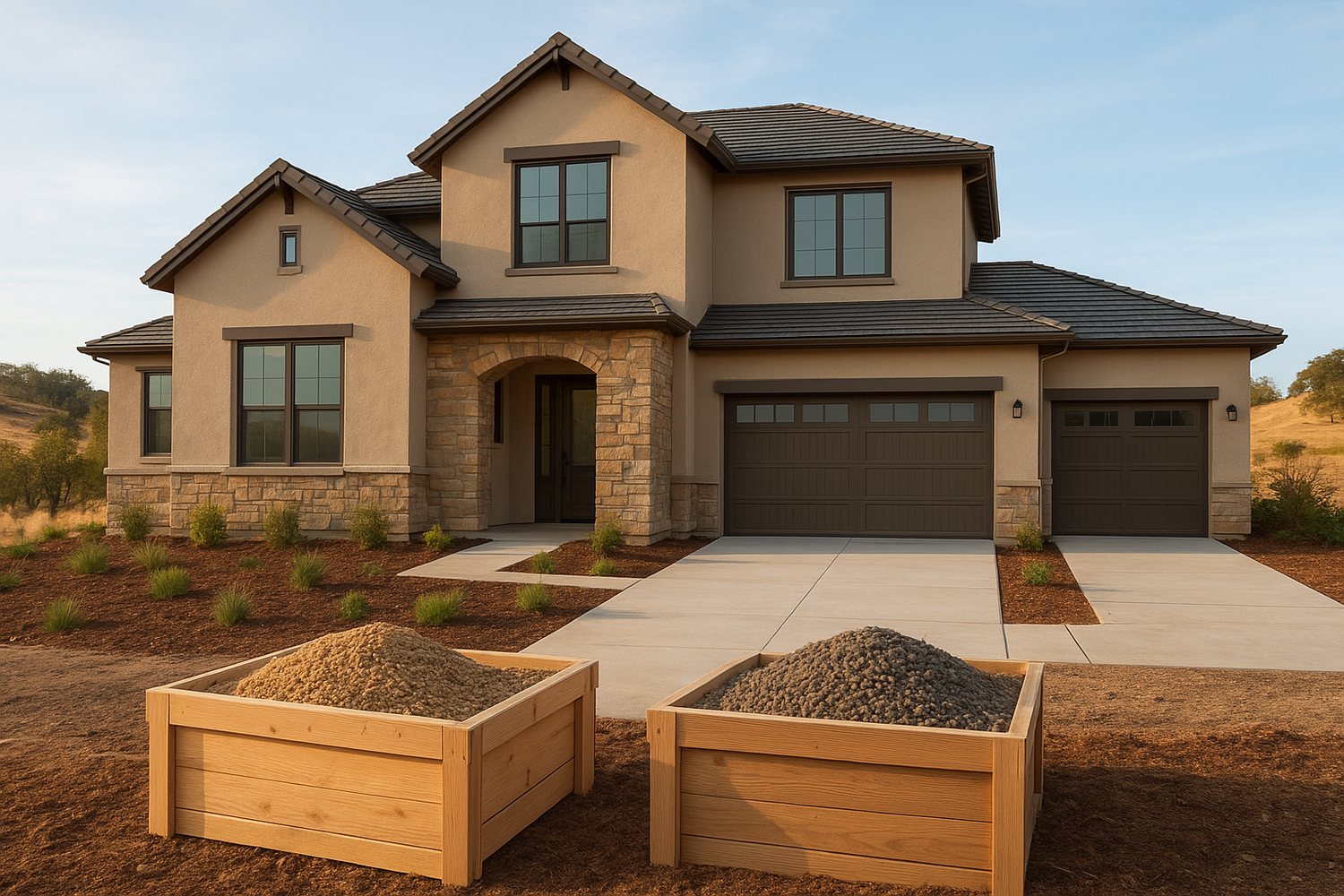
How to Compact Decomposed Granite for Lasting Hardscape
Getting decomposed granite (DG) to stay firm takes more than spreading and hoping for the best. Here’s what homeowners around Placer and Sacramento Counties need to know.
Compacting decomposed granite right means outdoor spaces stay stable and look sharp. This guide explains proven methods and decision points for lasting results in our region.
What Is Decomposed Granite, and Why Compact It?
Decomposed granite (DG) is a natural stone material, ground into small particles and used for patios, paths, and driveways. Its earthy look sits comfortably in Northern California landscapes. But DG in its loose form isn’t enough for a firm, durable surface—it must be properly compacted, or it will wash away, rut, or quickly turn dusty.
Compacting DG gives it necessary structure. This process binds the granules tighter so they resist shifting, stand up to foot traffic, and require far less maintenance. Whether you’re building a casual garden path or a full-scale patio, how well you compact determines longevity. For our blend of weather—from summer heat to the winter rains—this matters.
Proper compaction avoids headaches like erosion or tripping hazards, and helps DG fit stubborn root-heavy or sloped areas common locally. Homeowners often appreciate that a firm DG surface serves as a practical compromise between gravel and concrete—inviting, but firmer underfoot and easier to maintain in Rocklin, Roseville, Granite Bay, Folsom, Auburn and nearby communities.
For more on decomposed granite’s uses and advantages, see our fullDecomposed granite (DG) guide.
Choosing the Right Type of DG for Compaction
With so many colors and types of DG available, it’s easy to overlook what matters most for compaction: the fines content and presence of stabilizers. For a surface that stays put, select DG labeled as ‘stabilized’ or ‘pathway fines.’ This means the mix contains clay or polymer additives to help grains lock together.
Unstabilized DG may work for light-use paths, but it won’t provide the firmness needed for patios, driveways, or high-traffic areas. In this region’s wet winters, unstabilized DG can quickly erode or scatter. Stabilized DG, though more expensive, holds up better to water and load-bearing needs.
When you work with a professional or choose materials yourself, ask about compaction and stability. Not all local suppliers blend stabilized DG the same, so rely on known, region-tested products. For families and pets, stabilized DG also means less tracking of dust and debris into homes during our dry spells.
• Prioritize ‘stabilized’ DG for patios, driveways, or sloped ground
Preparing the Base: The Most Skipped Step
How you prepare the soil under your DG is just as important as the material itself. Skip this, and even the best compacted DG will shift or settle unevenly. In our area, native soils can range from decomposed granite to clay or sandy loam. Consistently, the first step is to excavate to the planned depth—usually 3 to 6 inches for walkways, deeper for driveways.
Next, lay down a minimum 2–4 inch layer of class II road base or compacted crushed rock. Use a plate compactor or hand tamper to get an even, firmly packed foundation. Water lightly to help compact, but avoid over-saturating. This creates a stable bed that drains well and supports the DG above—even during winter downpours.
Don’t forget landscape fabric if weeds are a concern. Good base prep also allows for a slight crown or slope away from structures, which prevents puddling and erosion. Skipping proper base compaction is rarely worth the shortcut, especially in homes where long-term stability is a priority.
• Dig deep enough to accommodate both base and DG layers
| DG Type | Best Use | Firmness After Compaction | Maintenance Need |
|---|---|---|---|
| Unstabilized (Natural) | Light walkways, gardens | Loose, can rut | Frequent refilling |
| Pathway Fines | Paths, light patios | Moderate, improved | Seasonal sweeping |
| Polymer-Stabilized | Patios, driveways | Firmest, holds shape | Occasional touch-ups |
How to Lay and Compact DG Step-by-Step
Place DG in 1.5- to 2-inch layers over the compacted base. Each lift should be spread evenly, slightly moistened, and compacted before adding the next. Don’t dump all the material and try to compact in one go—multiple thin layers yield much greater firmness and stability, especially in clay-rich soils.
Use a plate compactor for most projects, or a hand tamper for small paths and tight corners. Go slowly and overlap passes. DG should feel firm and springy—not spongy—when walked on. Water with a fine mist while compacting to trigger binding. Too much water can turn the area to mud; moderation is key.
Repeat until the total DG depth is 2–3 inches after compaction (deeper for driveways). Edge the DG area with steel, wood, or concrete to retain the surface and prevent crumbling at the margins. Well-compacted DG won’t blow or wash away, stands up to our valley weather, and needs much less upkeep.
• Place in thin layers—don’t shortcut this
Common Pitfalls: What Makes DG Fail?
Local homeowners who skip steps often see DG fail within months. The most common mistake is not compacting each layer—or applying too thick a layer so the middle never gets fully packed. Without proper edging, DG will migrate onto adjacent planting beds or hardscapes.
Another issue is using unstabilized DG in areas that see runoff or regular use. Even with perfect compaction, non-stabilized DG is vulnerable to water erosion, freeze-thaw, or burrowing pets. In shaded or poorly draining spots, settling and rutting are common—hallmarks of DG installed without a solid base.
Finally, not addressing grade or drainage invites water to pool, softening and washing out the surface over time. In areas like Folsom or Auburn with slopes or heavy rains, an inattention to drainage multiplies problems. Fixing these after-the-fact is far more costly and challenging than starting right.
• Always compact in staged layers
Explore other surface options and browse ourMaterials overviewfor inspiration.
Maintaining a Compact DG Surface
A properly compacted DG surface requires only basic care—even with our temperature swings and rain. Regularly sweep to keep fines in place, and refill low spots annually with matching DG fine. Occasional light watering during dry spells can help keep dust down and preserve firmness.
If surface ruts or soft spots develop, break up that section, moisten, recompact, and add new material as needed. It’s best to touch up with the same blend used originally for consistency in color and compaction. Avoid aggressive blowing or frequent raking, which can loosen compacted DG.
Mulch along landscape edges to minimize runoff. For extended durability—especially on driveways or high-traffic patios—consider a fresh topcoat of stabilized DG every few years. These practices make any initial investment in proper compaction go further, suiting the varied uses and soil conditions across Placer and Sacramento Counties.
• Sweep often to keep the surface level
When DG Is (and Isn’t) the Right Material
Decomposed granite delivers a natural look and absorbs heat less than concrete, making it comfortable in hot summers. For patios, trails, or garden sitting areas, it bridges casual design with functional firmness—when installed right. It’s an excellent fit for Mediterranean-style landscapes and oak woodlands in this region.
However, DG isn’t suitable everywhere. On steep slopes, in constantly wet or shaded areas, or where intensive vehicle traffic is expected, concrete or pavers may outperform. For pool decks, DG may not offer the underfoot stability or ease of cleaning some homeowners expect.
Weigh DG against other choices, considering appearance, maintenance, and durability. If unsure, consult with a contractor experienced in local soils and climate. The right material balances performance with your landscape’s needs and your long-term plans.
• Great for patios, trails, paths, and fire pit areas
Regional Tips: DG Success in Placer, Sacramento, and El Dorado Counties
Our climate brings challenges: dry, hot summers and saturated soils in winter—not to mention clay subsoils and tree roots. Compacted DG works best with seasonal maintenance and attention to microclimates: shaded vs. sun, flat vs. sloped.
Choose locally sourced DG blends whenever possible. These are formulated for area soils and have proven stability under local weather extremes. Always adjust installation methods to account for unique site features—riparian zones, oak trees, or recent grading projects.
Work with professionals who have deep experience across Rocklin, Roseville, Granite Bay, Folsom, Auburn and the foothill communities. Local know-how translates to DG surfaces that stay usable and good-looking for years, without constant rework.
• Use blends tested for the Sierra foothills and valley
Want advice specific to your property?Request a consultationand discuss your project with our experts.
Planning a materials project?
Call or text 916-741-0633, or email sales@californiahardscapes.com with your address, a short description and a few photos, and we will arrange a consultation.