Planning Koi and Garden Ponds: Depth, Shade & Placement Tips
Thinking about a koi or garden pond? Learn what matters for depth, shade, and site selection—from soil to sun to safety—before breaking ground.
Creating a koi or garden pond can transform your backyard. Before digging, consider these proven planning tips for Northern California homeowners.
Pond Placement: Why Location Comes First
Where you site your pond shapes everything from water quality to how your outdoor space feels. For homeowners in Rocklin, Roseville, Granite Bay, Folsom, and Auburn, placement should balance sun, shade, access, and visibility. Think about daily use, views from your patio or favorite window, and how foot traffic will flow around the area.
Most local soils drain well, but keep clear of low spots known to flood during winter storms. Locate ponds away from large deciduous trees, as falling leaves clog pumps and quickly foul the water. Avoid placing ponds under roof runoff unless you can control overflow—unfiltered rainwater often brings in silt and debris.
Also consider existing utilities, fencing, and property lines. Give yourself space to move equipment, add plants, and maintain both pond and landscaping. Smart placement protects your investment and sets the stage for years of enjoyment.
For additional design tips and considerations, visit ourKoi and garden pondspage.
Depth Decisions: Setting the Right Pond Depth
Depth is crucial for healthy koi and plants in the Sacramento Valley climate. Shallow ponds (under two feet) are easier to install but heat up and cool down quickly—uncomfortable and risky for fish. Instead, aim for a minimum depth of three feet for koi and ideally a little more for true overwintering in our region.
Deeper water buffers temperature swings during long hot summers and sudden winter chills. A mix of depths—shallows for marginal plants and deeper areas for fish—creates visual interest. Keep in mind local safety codes regarding pond depth and fencing, especially for families with children.
If you’re not raising koi, smaller garden ponds (18–24 inches deep) suffice for aquatic plants and smaller fish species. But for koi to thrive, prioritize a spacious footprint and robust depth over unnecessary fountain features or complex contours.
- Koi need at least 3 ft. of depth in most backyards
- Vary pond depth for habitat diversity
- Deeper ponds require more excavation up front
Making the Most of Light and Shade
Direct sun drives plant growth, brightens water, and brings color to outdoor living areas. But too much sun overheats the pond and encourages algae blooms, while deep shade limits flowering and can stunt plant and fish health. In Placer and El Dorado counties, the best balance is morning sun with dappled afternoon shade.
Use landscape features—trees, pergolas, or shade sails—to filter sunlight without plunging the pond into deep shade. Allowing four to six hours of sun, especially in the morning, supports water lilies and keeps koi active without cooking the water.
Observe your space throughout the day and seasons before committing. The sun’s angle shifts dramatically between summer and winter, and what seems ideal in spring can differ come July.
- Four to six hours of sun is ideal for balanced ponds
- Too much shade: slow growth and muted colors
- Full afternoon shade protects fish in heatwaves
| Feature | Koi Pond | Garden Pond | Wildlife Pond |
|---|---|---|---|
| Typical Depth | 3–4 ft | 1.5–2.5 ft | 1–2 ft |
| Plant Focus | Marginals, lilies | Huge diversity | Native plants |
| Fish Suitability | All sizes, koi | Goldfish, small koi | None or native minnows |
| Recommended Sun | 4–6 hr | 4–8 hr | 4–8 hr |
| Filtration Needs | High | Medium | Low |
Understanding Soil and Drainage
Your soil type affects excavation costs, liner selection, and long-term stability. Many homes in Rocklin and Granite Bay have decomposed granite or clay-loam soils, offering solid support but sometimes challenging hand digging. If groundwater lies close to the surface or the soil stays soggy after rain, add draining features or select raised pond options.
Good drainage prevents waterlogging and damage to structures. Position overflow paths away from foundations and patios. Clay-heavy soils retain water well, but may crack in summer droughts—use flexible liners if you’re unsure.
If you’re uncertain about your soil, consider a simple percolation test or consult with a contractor familiar with the area. These details now save headaches later and protect your investment.
- Test soil before building
- Evaluate for standing water after rain
- Flexible liners suit shifting clay or granite bases
Safety for Kids, Pets, and Wildlife
Ponds attract curiosity, so safety is a top planning goal. For families in suburban neighborhoods, follow local codes about pond fencing and keep the pond visible from your home whenever possible. Entryways should be slip-resistant, with gently sloped margins instead of sheer drops.
Pets may try to drink or enter the water, so keep edges shallow and stable. Boulders or decorative fencing can steer dogs and wildlife away from the deepest water. Netting or pond covers deter herons and raccoons, frequent visitors in semi-rural neighborhoods.
Nighttime lighting helps with both security and ambiance. Low-voltage fixtures along pathways or pond edges reduce trip hazards and highlight your water feature after dark.
- Install slip-resistant surfaces nearby
- Consider fencing, especially with children
- Secure lighting for visibility after dusk
Explore more options by browsing our completeWater Featuresoverview.
Pond Shape and Integration with Existing Landscaping
The pond should complement your landscape, not overpower it. Simple, organic shapes suit most suburban backyards and make maintenance easier. Avoid complex corners, which collect debris and create dead spots for water movement.
Connection to patios, walkways, and garden beds encourages daily enjoyment. Use boulders, planted edges, or stepping stones to visually blend hardscape and water. For modern homes, geometric or formal shapes may look clean; for informal gardens, curves and irregular outlines are more natural.
Tie in existing plant palettes—native grasses, flowering perennials, or accent shrubs—so your pond enhances the overall design rather than standing apart from the rest of your yard.
- Simple shapes = easier upkeep
- Blend pond margins with nearby beds
- Match pond style to home architecture
Filtration and Maintenance Considerations
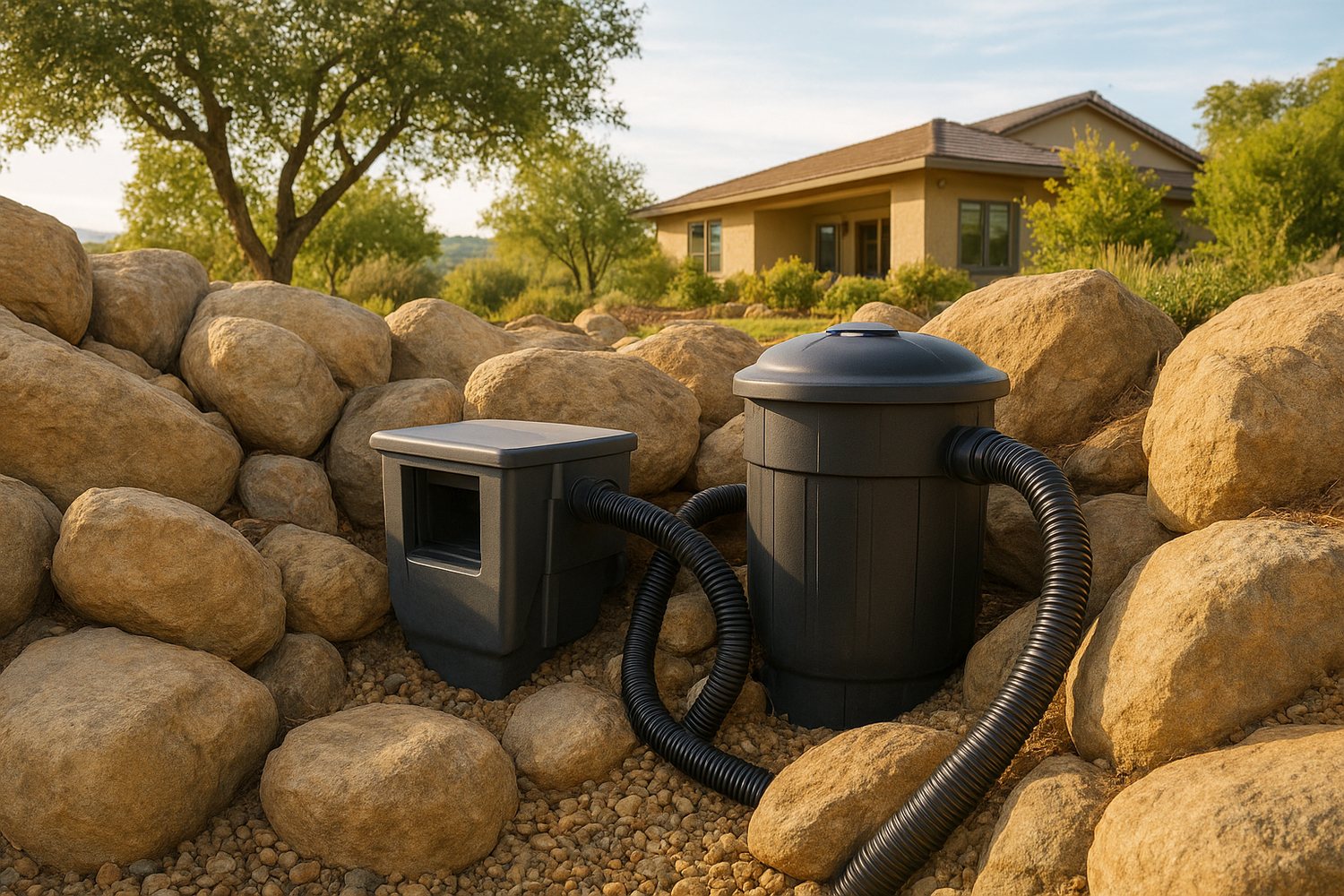
California’s warm summers encourage algae growth, so proper filtration is vital. A good filtration system includes both a mechanical filter (for debris) and a biological filter (for ammonia and fish waste). Position pumps where they’re easy to access but out of the main view—often in a rock-lined cove or behind plantings.
Plan for regular maintenance: skim leaves, backwash filters, and check pumps throughout the season. If you’re new to koi or aquatic plant care, keep the initial system simple so you can master the basics without frustration.
Automatic refill valves, skimmers, and easy-access equipment improve the user experience. Even small ponds need a routine for care and can benefit from partial water changes in hotter months.
- Combine mechanical and biological filters
- Locate equipment accessibly but discreetly
- Simple systems are best for beginners
Next Steps: Designing a Pond That Lasts
A successful koi or garden pond blends thoughtful engineering with your lifestyle and the local climate. Start with your wish list—fish, plants, soothing sounds, or just a quiet escape—then work backward from the realities of your site and routine.
Bring in trusted professionals early if you’re unsure about excavation, drainage, or integration with existing hardscapes. An experienced contractor will flag issues before they appear and suggest smart, region-appropriate solutions.
With proper planning, your pond becomes an enduring centerpiece. Paired with custom patios, lighting, and landscaping, it can anchor your backyard for years of outdoor living and family connection.
Ready to start planning? Request a custom pond consultation with our teamtoday.
Planning a water features project?
Call or text 916-741-0633, or email sales@californiahardscapes.com with your address, a short description and a few photos, and we will arrange a consultation.