Designing Zones, Paths and Focal Points for California Yards
Thoughtful landscape design balances zones, pathways, and focal points. Homeowners in the Rocklin region get timeless, practical advice for planning their outdoor spaces.
Structuring your yard with purpose sets the tone for daily enjoyment and long-term value. Start with an intentional blend of activity zones, clear pathways, and eye-catching focal points.
Why Layout Matters in Your Landscape
A successful yard serves the way you actually live. Planning zones, walkways, and focal points brings both comfort and order—making each area not just attractive, but useful. In the warm, sunny summers and mild winters around Rocklin, thoughtful layouts also support water-wise gardening and maximize shade where you need it.
Ignoring design structure can lead to awkward movement patterns, wasted space, and costly changes later. By sketching out how the yard will function, you lower the chance of regretting plant or patio choices down the road. Each step you take outdoors should feel natural and purposeful.
A helpful approach is to start broad, dividing the yard into active, relaxing, entertaining, and practical spaces, then let those choices guide the details. Well-planned landscapes stand up to real family needs for years to come.
Benefits of good layout:
For more ideas and detailed guidance, visit ourLandscape design and planningpage.
Dividing Your Yard Into Zones
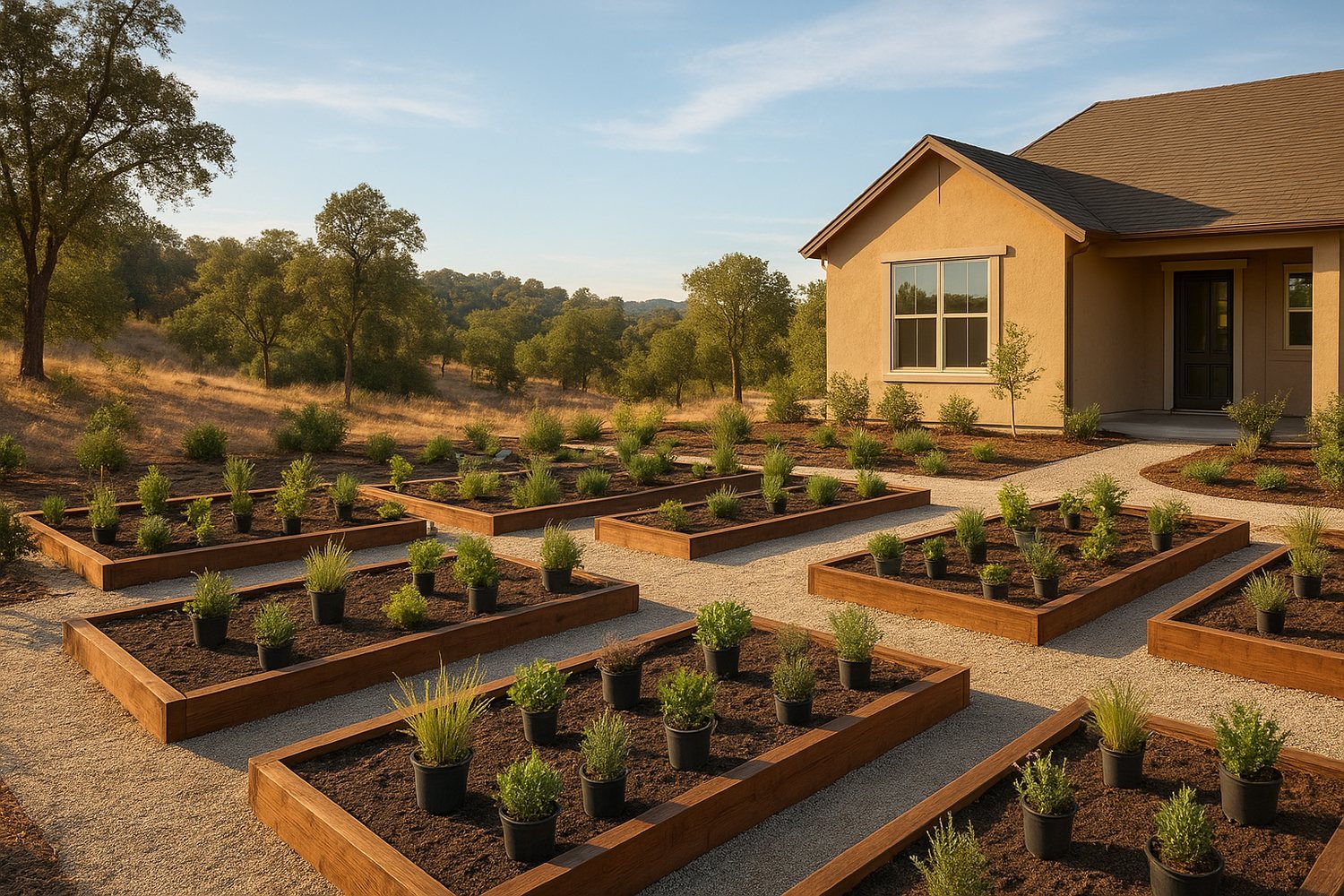
Zoning means giving each corner of your yard a distinct job: grilling, playing, eating, gardening, or simply enjoying the view. In this region, separating dining and lounging areas from utility spaces keeps living and work zones comfortable and easier to maintain. Raised beds or low walls can help define edges without making small yards feel crowded.
Think about how zones relate to the sun—shade trees near seating, sun for vegetable beds—and choose adaptable surfaces, like concrete patios or crushed granite, that handle the local climate. Keep shifts between zones logical and smooth, so traffic flows even with guests or kids at play.
Don’t forget circulation when linking zones. Using plants, lighting, or changes in surface material, you can cue transitions and make each area feel intentional, not leftover.
Common California yard zones:
Creating Functional and Inviting Paths
Pathways steer people where you want them to go—between the house, patio, garden, and beyond. In Northern California, materials like colored concrete, natural stone, or decomposed granite offer good grip and withstand the region’s temperature shifts. Walkways should be wide enough for two people to walk side-by-side comfortably (at least 3 feet), especially where you expect frequent use.
Curved routes often soften the look of bigger yards, while straight lines fit well in smaller or more modern spaces. Consider how evening lighting can make paths both safe and attractive. Low-voltage lights or path lights work well, adding just enough glow during late dinners or early mornings.
Edges matter too—planting borders or slight changes in elevation help define paths and keep bark, mulch, or soil where it belongs. Choose designs that feel inviting to encourage movement and discovery across your landscape.
Key path ideas:
| Feature | Best For | Rocklin Area Considerations | Pros | Cons |
|---|---|---|---|---|
| Stamped Concrete | Paths, patios | Heat-reflective finish best | Durable, easy to clean | Requires skilled install |
| Decomposed Granite | Garden paths | Needs edge restraint | Natural look, permeable | May track onto hardscape |
| Natural Stone | Focal points, patios | Seal for stain resistance | Timeless appearance | Heavier, higher cost |
| Artificial Turf | Play, low-maintenance zones | Pet-friendly options available | Green year-round | Can get hot in sun |
| Drought-Tolerant Plants | Softscape borders | Choose for soil/drainage | Low water use | Some limited variety |
Focal Points: The Art of Drawing the Eye
A focal point is the spot your eyes go first, whether it’s a custom water feature, specimen tree, sculpture, or even a well-designed patio structure. In foothill climates, focal points can be dramatic (like a fire bowl) or subtle (a cluster of boulders under a favorite oak). Pick something that suits your tastes and the character of your property.
Not every view needs the same level of drama—a backdrop of evergreen shrubs for privacy or layers of perennials may be enough. Focal points become even more powerful when backed by lighting or by framing them with contrasting plants and textures.
Place focal points so they create depth and invite movement, not block it. Use them to mark transitions between zones and give a sense of destination or pause within your overall yard plan.
Focal point ideas:
Blending Hardscape and Softscape Elements
Hardscape (non-living) features set the backbone for plantings to shine. In Rocklin and nearby cities, lasting patios and retaining walls complement the softer look of shrubs, flowers, and groundcovers. The key is not to let hardscape choices overpower the green, but rather support it—think borderless paths curving gently through drought-tolerant beds.
Choose pavers, concrete finishes, or stone colors that blend naturally with the hues in your home and existing yard. Contrast is effective; a subtle hardscape draws attention to bright blooms, while a bold boulder anchors a calm, minimalist garden. California’s landscape materials lend themselves to organic, timeless looks.
Pairing hard and soft elements can also help with practical concerns such as drainage or uneven terrain—retaining walls and swales manage runoff, while ornamental grasses and groundcovers soften the edges.
Tips for a cohesive yard:
Explore all yourLandscaping optionsfor Rocklin and area homeowners.
Choosing Materials and Plants That Last
Selecting the right materials and plantings for this part of California is about durability and water-wise beauty. Concrete, natural stone, and decomposed granite are proven winners for high-traffic zones and patios. When it comes to plants, gravitate toward natives or those best suited for the foothills—think manzanita, ceanothus, sages, and established shade trees.
Consider exposure and soil type before finalizing choices. Rocklin, Roseville, and Granite Bay soils differ, and what thrives in one yard might need amendments in another. Work with your environment, not against it, by matching plants and hardscapes to the specifics of your microclimate and sun patterns.
The payoff for careful selection is more time relaxing and less time repairing or replacing. Involve a professional for plant selection if you’re unsure—success often comes from local expertise and a willingness to adapt as your landscape matures.
Region-suited selections:
Lighting and Safety in Outdoor Spaces
Outdoor lighting extends your landscape’s usefulness well into the evening, which is especially welcome in the warm months here. Path, uplight, and spot lighting make walkways safe and highlight focal points while creating ambience. Modern LED fixtures keep energy costs down and require less maintenance.
Safety should shape your lighting decisions. Lighting stairs, transitions, and all entries ensures movement is easy and trips are avoided. Locating lights near gathering areas or focal points also heightens drama and draws attention to special features after sunset.
Layered lighting creates flexibility—consider a combination of in-ground, overhead, and accent fixtures. Subtle, thoughtful lighting is both a finishing touch and a practical necessity in California yards.
Lighting reminders:
Getting Started With Your Landscape Plan
The first step to a functional, uncluttered yard is mapping your uses and sketching rough zones, paths, and potential focal points. Even a simple pencil drawing clarifies priorities before you look at materials or plants. Consider your family’s patterns, how much maintenance you want, and which spaces need the most shade or sun.
Consulting with experienced contractors means getting help with grading, drainage, smart irrigation, and region-appropriate choices—the things that set a lasting landscape apart. Licensed, bonded, and insured experts can steer you away from costly missteps and toward practical, attractive solutions.
Your vision should drive each decision, from big-picture layout to finishing details. With the right planning and partnerships, you’ll create an outdoor space that adds everyday comfort and lasting value.
Starting tips:
Ready to get started?Request a California Hardscapes consultationtoday.
Planning a landscaping project?
Call or text 916-741-0633, or email sales@californiahardscapes.com with your address, a short description and a few photos, and we will arrange a consultation.