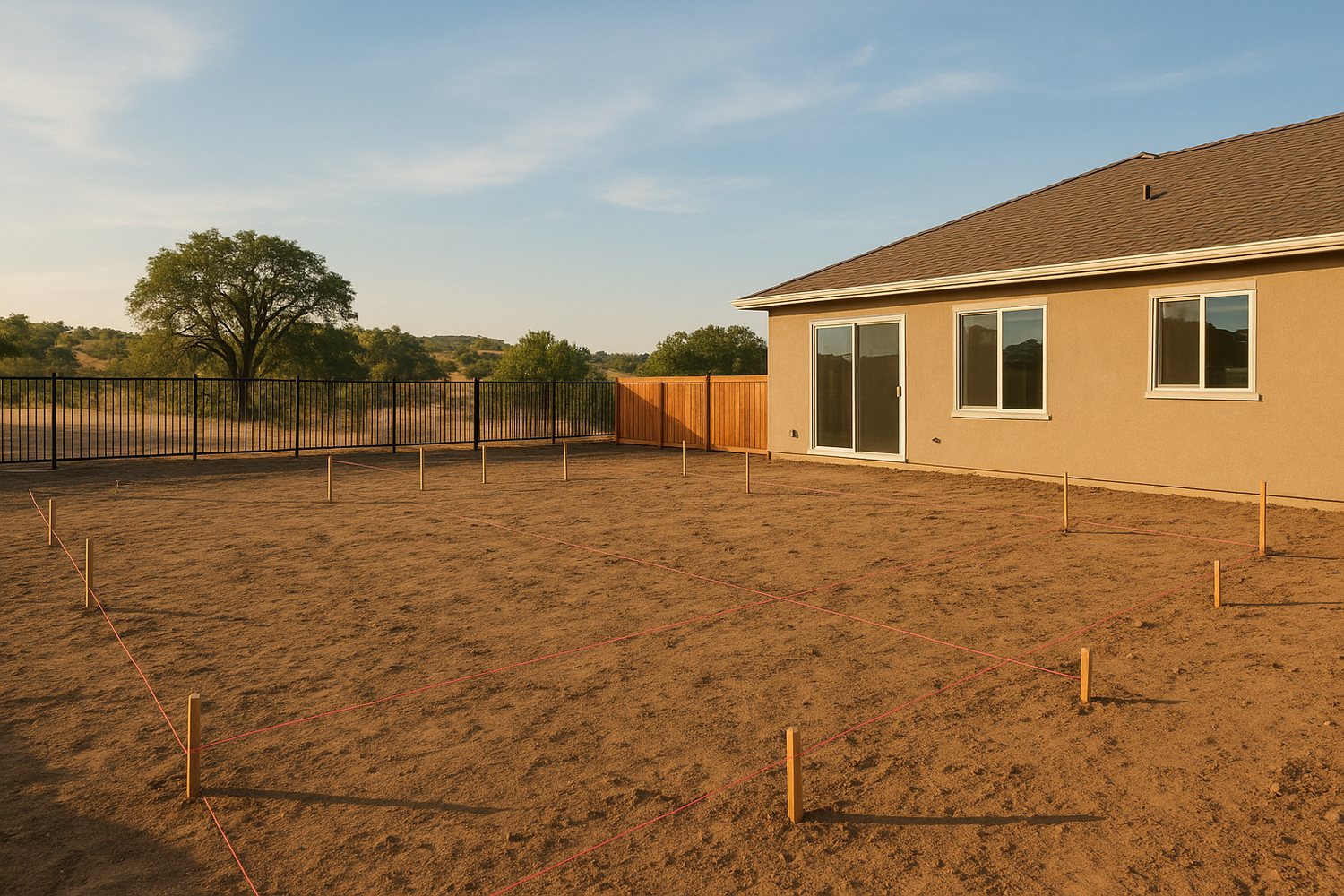
How to Plan Your California Landscape in Manageable Phases
A phased approach to landscape design lets you build your dream yard over time. This guide offers homeowners real tips for planning manageable, practical projects.
Transforming your yard doesn’t have to happen all at once. Phased landscape planning gives homeowners flexibility and better control over projects.
Why Plan Your Landscape in Phases?
Tackling an outdoor renovation project can feel overwhelming, especially if you try to do everything at once. Planning your landscape in well-thought-out phases allows you to break down the process into manageable steps, making it less disruptive to your daily life. This approach is particularly practical for busy households and California’s varied seasons.
Financial flexibility is another major reason to consider phased planning. By prioritizing key features and spreading out the work, you can invest wisely and adjust your budget as you go. You have time to evaluate what’s most important—be it a patio, retaining wall, or garden upgrade—without committing to everything upfront.
A phased approach also improves your decision-making. Living with completed sections before moving on helps you refine your preferences and adjust plans for later phases. Since climates and trends can shift, phasing allows for on-the-fly changes, ensuring your finished landscape is tailored exactly to you.
For an in-depth look at the landscape planning process, explore ourLandscape design and planninginsights.
Start with a Master Plan
A successful phased project always begins with a master plan. Even if you don’t have the resources to tackle your full wish list, mapping everything out helps avoid costly rework later. Work with an experienced landscape designer who understands soil, sun patterns, and how materials weather in our region.
Your master plan should reflect your property layout, desired features, existing structures, and the ways you actually use your yard. Consider how patios, pathways, pools, and planting beds connect—and how each phase ties into the next. This prevents accidental conflicts, like running irrigation through a future patio zone or planting trees too close together.
In the Rocklin, Roseville, and Sierra Foothills area, pay extra attention to drainage and microclimates. Elevation changes, clay soils, and our hot, dry summers greatly influence how your landscape matures. A strong master plan keeps your phased process smooth and coordinated.
- List your must-haves and nice-to-haves
- Mark utility lines and existing trees
- Account for sun, slope, and soil conditions
Prioritizing Your Landscape Features
With a master plan as your roadmap, the next step is prioritizing which features to build first. Most experts recommend starting with structural elements—like grading, drainage, or retaining walls—since these are hardest to change later. This ensures stability and minimizes disruption to finished areas.
Outdoor living spaces such as patios, walkways, or decks often form phase one, providing functional areas you can use immediately. If including a pool or spa, early placement is usually best to avoid disturbing completed zones. Plantings, garden beds, and accent details can follow after the “hardscape” phase is finished.
Consider lifestyle and seasonal needs unique to the Placer and Sacramento regions. If summer shade is your priority, establishing trees or pergolas early might make sense. For hillsides in Auburn or Folsom, retaining walls or erosion control may jump to the top of the list.
- Structural/hardscape first, then living elements
- Prioritize family use or climate adaptation
- Time plantings for best seasonal results
| Phase | Typical Features | Best Season | Key Considerations |
|---|---|---|---|
| 1 – Prep & Grading | Soil grading, drainage, utilities | Fall/Winter | Avoid rainy weeks, mark utilities |
| 2 – Hardscape | Patios, walkways, retaining walls | Spring/Fall | Schedule concrete/stone before plants |
| 3 – Structures | Pergolas, fences, lighting | Spring/Summer | Check for permits, coordinate power lines |
| 4 – Softscape | Plants, turf, mulch | Late Winter/Spring | Plant before heat, choose drought-tolerant |
| 5 – Finishing Touches | Accent lighting, details | Any | Blend with previous phases, adjust as needed |
Budgeting for Phased Projects
Budgeting is where phased planning really shines. Breaking the work into segments allows you to focus financial resources in the order that makes sense for your family. You can target big-ticket items first, like site grading or concrete patios, while scheduling plantings and accent work for later seasons.
Working through a phased plan can help you manage cost overruns or surprises. If you need to pause, the master plan still guides your next step, ensuring you won’t double up on site prep or destroy part of a finished section. Expense tracking and regular check-ins with your contractor help you stay on course.
Keep in mind that material and labor costs do shift with market trends and demand in our area. Building in flexibility—and a contingency for small changes—helps keep your project on track as you move from one phase to the next.
- Break down cost estimates by phase
- Prioritize investments for long-term value
- Build in a buffer for unexpected expenses
Scheduling and Sequencing Each Phase
Once you’ve set your priorities and a draft budget, create a realistic schedule for each phase. Our California climate allows year-round work but consider rainfall from November to March and hot spells during peak summer. Schedule excavation and concrete work in milder months to avoid weather delays and to ensure the best finishes.
Phasing is all about sequencing efficiently. Major groundwork like grading and drainage is first. Then, move on to utilities, hardscapes, and structures. Finish with softscapes—plants, turf, or mulch—once heavy work is complete. Smart sequencing prevents backtracking and protects newly-installed elements.
Work closely with your contractor to confirm lead times for materials and labor. Supply chain slowdowns or high demand can impact project timing, especially for custom features. Review your phased plan regularly and update your calendar as each stage completes.
- Schedule major work around our region’s weather
- Check when materials and crews will be available
- Align phases to family events or travel
To see a complete overview of our outdoor improvement services, browse ourLandscaping options.
Choosing the Right Materials Over Time
Material choices can make or break phased landscape projects. In our foothill communities, durability matters: concrete, stone, and quality lumber withstand temperature swings and summer sun. Choose materials that match both your style and the practical demands of our region—especially for patios, retaining walls, and raised beds.
When planning in phases, select hardscape materials you know you can source again in future years to keep a consistent look. For softscapes, pick drought-tolerant or native plants that establish quickly and perform reliably whether planted now or later. Smart choices here will reduce maintenance headaches down the road.
If you’re interested in sustainability or water savings, now is the time to explore drip irrigation systems, synthetic turf, or recycled pavers. Your project manager can advise on sequencing these for best performance and value.
- Choose regional materials for best longevity
- Confirm future availability for key items
- Invest in water-wise and low-maintenance options
Maintaining Progress (and Your Yard) Between Phases
A key benefit of phasing is that you keep your yard livable and safe between big project steps. Temporary ground covers like mulch or straw prevent dust and erosion if you’re not ready to plant all areas at once. Pathways can be roughed in and finished later with permanent materials.
Stay on top of weed control and basic irrigation to protect partially completed spaces. Temporary fences or barriers around construction areas are especially helpful for families with pets or kids. A neat, tidy jobsite makes the process less stressful for everyone.
Communicate often with your contractor and set clear expectations about how each phase will be left for your use. Small touch-ups or interim solutions can make a big difference in how you enjoy your outdoor space during a multi-phase landscape project.
- Use temporary measures for safety and appearance
- Maintain irrigation for established plants
- Keep project areas free of hazards
When to Bring In the Pros
While some landscape tasks—like planting annuals—are possible DIY jobs, phasing in hardscapes or complex features is best left to licensed professionals. In the Sierra Foothills, hillside slopes, clay soils, and drainage issues require experience and careful planning for safety and longevity.
A veteran outdoor construction manager brings knowledge you can trust, whether scheduling a concrete pour, determining plant placement, or aligning lighting for maximum impact. Look for teams that are insured and bonded so you have peace of mind as you phase in each part of your landscape.
If you’re unsure where to start or want certainty your phased investments will work together, consulting with a professional ensures you avoid common mistakes. The right team keeps your project on time, on budget, and tailored to local conditions.
- Get expert help for concrete, drainage, and retaining walls
- Hire pros who understand local codes and soils
- Consult early to save time and money later
Ready to create your phased plan?Request a consultationwith our local experts today.
Planning a landscaping project?
Call or text 916-741-0633, or email sales@californiahardscapes.com with your address, a short description and a few photos, and we will arrange a consultation.