How to Decide What to Keep or Remove in Your Landscape Renovation
Discover expert strategies for deciding what to keep and what to remove in an old landscape. Make the most of your outdoor space with practical, region-specific guidance.
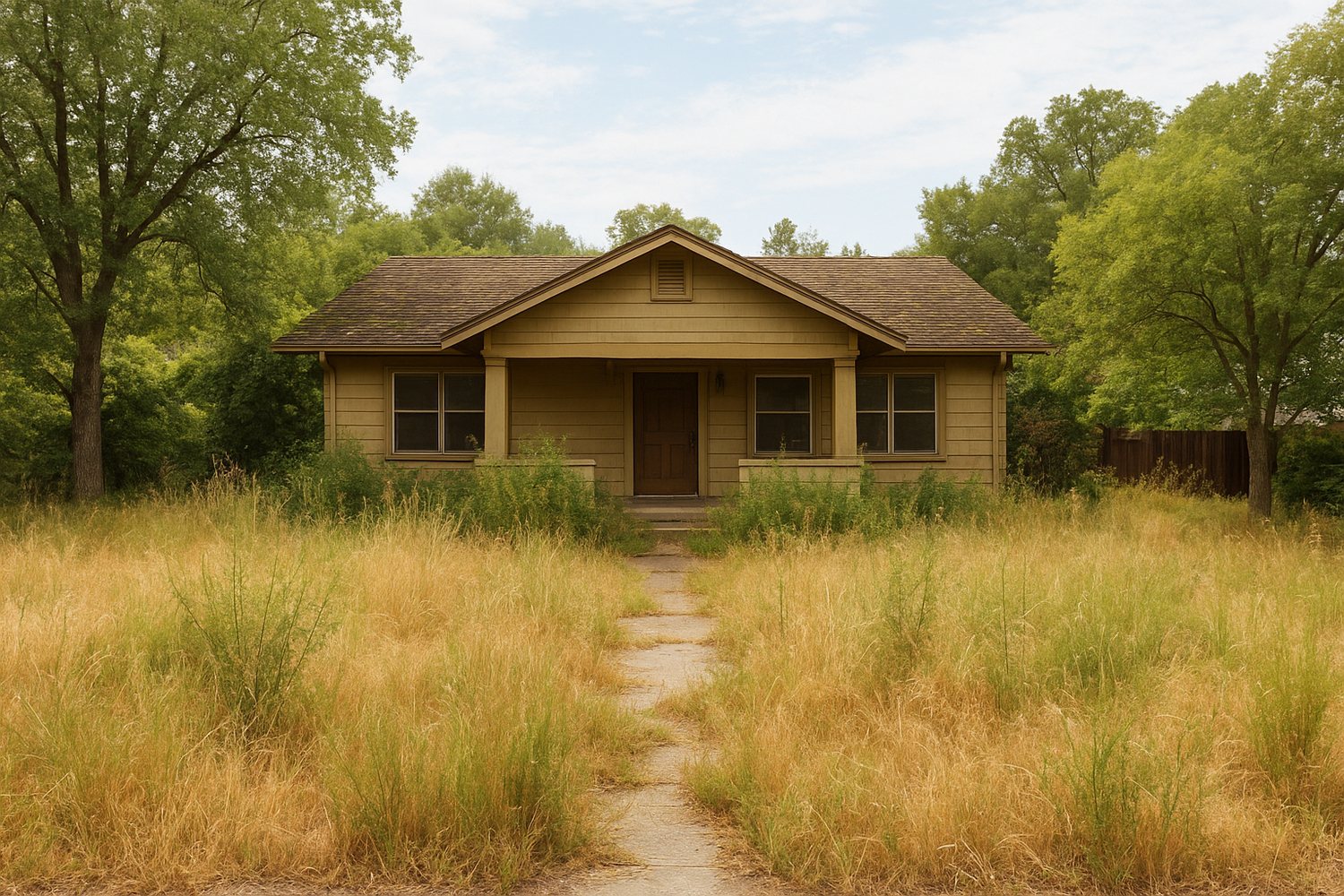
Renovating an established landscape can be surprisingly complex. Knowing which elements to keep and which to remove is essential for creating a functional, attractive yard that fits your lifestyle and the unique conditions of our region.
Why Thoughtful Landscape Renovation Matters
Landscape renovation is more than a facelift; it’s about making your outdoor spaces more useful, beautiful, and adapted to your family’s needs. In Placer, Sacramento, and El Dorado County communities, careful renovation can actually save on upkeep and improve property value over time.
Many older yards were designed for past trends or different climates—think large lawns or thirsty plantings. Updating your landscape lets you align it with both your personal tastes and the region’s realities, like water conservation and wildland fire risk.
A considered approach—rather than a wholesale wipeout—can often preserve the best parts of your yard, saving money and keeping established benefits like shade or privacy. Deciding what to retain versus remove is worth the extra planning upfront.
For a step-by-step guide to the process, visit our mainLandscape renovationpage.
Evaluating Mature Trees and Existing Plants
Mature trees are often the backbone of a landscape, providing shade, habitat, and lasting character. Before removing any tree, assess its health, species, and location. Local oaks, for instance, are generally worth saving—while invasive or hazardous trees are typically better removed.
Shrubs, beds, and groundcovers should also be evaluated for health and appropriateness. Some older plantings may be struggling in our summer heat or might demand too much water. Prioritize plants that are drought-tolerant and acclimated to local soils.
Sometimes, an old planting can be revived with pruning or relocation to a better spot. But don’t hesitate to remove sick, overgrown, or outdated specimens; it gives you the chance to refresh and modernize your garden.
- Retain healthy native trees for shade and structure
- Remove invasive or declining plants
- Consider relocating valued ornamentals
Upgrading Outdated Hardscapes
Patios, pathways, and retaining walls all play a major role in outdoor spaces, but not all older hardscapes are worth saving. Walk through your yard and note which surfaces are level, stable, and appealing—and which are cracked, unsafe, or poorly placed.
Concrete and stone can sometimes be resurfaced or expanded instead of replaced. However, damage from roots, shifting soils, or exposure often means replacement is more practical, especially if the area sees a lot of foot traffic.
Consider how the hardscape supports your outdoor living: Is your current patio big enough for gatherings? Does the path direct guests naturally, or does it need a better layout? Modernizing hardscape design can boost both use and enjoyment.
- Check for cracks or tripping hazards
- Evaluate patio and walkway layout
- Keep materials that blend well with the landscape
| Feature | Keep | Consider Removing | Comment |
|---|---|---|---|
| Mature native trees | ✔️ | Valuable for shade and structure | |
| Old, cracked patios | ✔️ | Safety hazard; modern replacement is better | |
| Invasive plant species | ✔️ | Can spread and harm local ecosystem | |
| Healthy shrubs | ✔️ | May keep with pruning or relocate | |
| Outdated irrigation | ✔️ | Upgrade for efficient water use |
Balancing Water Use and Curb Appeal
A critical step for any regional landscape renovation is evaluating water use. Old landscapes often feature thirsty lawns or hedges. Reducing or removing these, and replacing them with drought-tolerant options, is key to long-term sustainability.
A mix of permeable hardscape, mulch, and native plantings can lower your water bill while keeping your home’s appearance fresh. Ornamental lawns are sometimes worth downsizing, but valuable for play or pets if you choose a hardy, low-water variety.
Remember, curb appeal doesn’t have to mean excessive maintenance. With smart plant choices and modern irrigation, your renovated landscape can stand out while reflecting the needs and style of our local communities.
- Replace water-hungry lawns with drought-tolerant plants
- Update irrigation for efficiency
- Use mulch for visual appeal and moisture retention
Deciding What Stays: A Practical Checklist
Take stock of every landscape element and ask yourself: Is it healthy? Functional? Appealing? Anything that checks all three boxes is usually a keeper. If the answer is no, weigh whether repair, relocation, or complete removal is the best call.
Run through this process with trees, shrubs, hardscape, lighting, and even features like fences or outdoor living spaces. For every feature—ask how it works for you and how it fits with the property’s unique microclimate and soil.
When in doubt, consult a landscaping professional familiar with Rocklin and greater Sacramento’s conditions. Outside expertise can provide fresh ideas and spot potential you may have overlooked.
- Health: Signs of disease, stability, root condition
- Function: Practical use, access, safety
- Aesthetics: Visual appeal, harmony with surroundings
To see all the ways your yard can transform, check out our overview ofLandscaping options.
Common Features to Remove and Why
Not every classic landscape feature stands the test of time. Remove or replace old railroad ties, weed-prone bark beds, hazardous or rickety fences, and inefficient lighting. These can detract from both curb appeal and safety.
Overgrown plantings that block views or damage homes should also go. Aggressive ground covers and invasive species are not only unattractive but hard to maintain and potentially damaging to native plants.
Tired water features and dated hardscapes may be better removed in favor of something more modern, easy to maintain, and suited to current water-use standards.
- Rotting or splintered wood edging
- Water-inefficient lawns or shrubs
- Old irrigation systems
Modernizing for Today’s Outdoor Living
Today’s landscapes aren’t just about looks—they’re about lifestyle. Consider what you want from your yard: space to eat and relax, spots for kids or pets, outdoor kitchens, or a tranquil garden. Modernizing may call for new patios, fire pits, or lighting as part of your renovation.
Adding hardscape features like a custom patio or new retaining wall can expand your use of the yard. Updating landscape lighting not only highlights beauty but also improves safety and extends usable hours outdoors.
Coordinate any new work with existing elements that are staying, for a unified look that fits your home and neighborhood. Be intentional and practical about every choice, focusing on what brings the most enjoyment and value.
- Design for shade and comfort
- Incorporate low-maintenance materials
- Upgrade to LED outdoor lighting
Getting Started with Expert Guidance
Laying out your renovation plan before any demolition or construction is the best way to avoid regrets. Walk your yard with a critical eye, make a list of what you like, and jot down things you’d change.
Consulting a local professional can reveal insights about your yard you hadn’t considered, such as hidden grading issues, plant compatibility, or the smartest way to integrate hardscape with greenery. Look for a team that specializes in both landscaping and outdoor construction for smooth project management.
With the right guidance, you can achieve a landscape that fits how you live today while making the most of what’s already on your site. Whether you tackle parts yourself or work with a contractor, a thoughtful approach leads to results that stand the test of time.
Ready to start planning your own update? Request a no-obligationconsultationwith California Hardscapes.
Planning a landscaping project?
Call or text 916-741-0633, or email sales@californiahardscapes.com with your address, a short description and a few photos, and we will arrange a consultation.